
a US regional health system running robots for lab specimen runs
A Regional Health System's Lab Specimen Robots Report 99.8% Reliability in 2025
A US regional health system moved lab specimen runs to autonomous robots. Vendor reported delivery reliability reached 99.8% through 2025.
Deployment at a glance
- 99.8%
- Vendor reported delivery reliability through 2025
- 2025
- Year autonomous specimen runs began at one hospital
- 2
- Robots, one for specimens and one for pharmacy runs
Based on a documented real-world deployment. Figures are from public reporting; the organization is not named.

Specimens that cannot wait on a busy hallway
A lab specimen is only useful while it is fresh and correctly labeled. When a sample leaves an intensive care unit, the clock starts, and every minute spent waiting for a free runner is a minute the care team cannot get back.
Critical care, cardiovascular intensive care and dialysis units generate a steady stream of specimens through the day. When staff carry those tubes by hand, bedside work gets interrupted, and the walking adds up across a campus with several units and a busy laboratory on the first floor.
Pharmacy items face a similar problem. Each run that depends on a person being free is a run that can slip, and a slipped run tends to surface at the worst possible moment.
One robot on the specimen route, then a second for pharmacy
The system began using autonomous robots in 2025 at a single hospital. One robot was assigned to the specimen route, shuttling samples between the first floor laboratory and the ICU, CVICU and dialysis units.
A second robot took on pharmacy deliveries, so the two machines covered different kinds of time sensitive transport rather than sharing one queue.
Starting with a narrow pair of robots keeps the first phase easy to supervise. Routes stay short enough to watch closely, and the team can judge the handoff points before the fleet is asked to grow.

99.8% delivery reliability across 2025 specimen runs
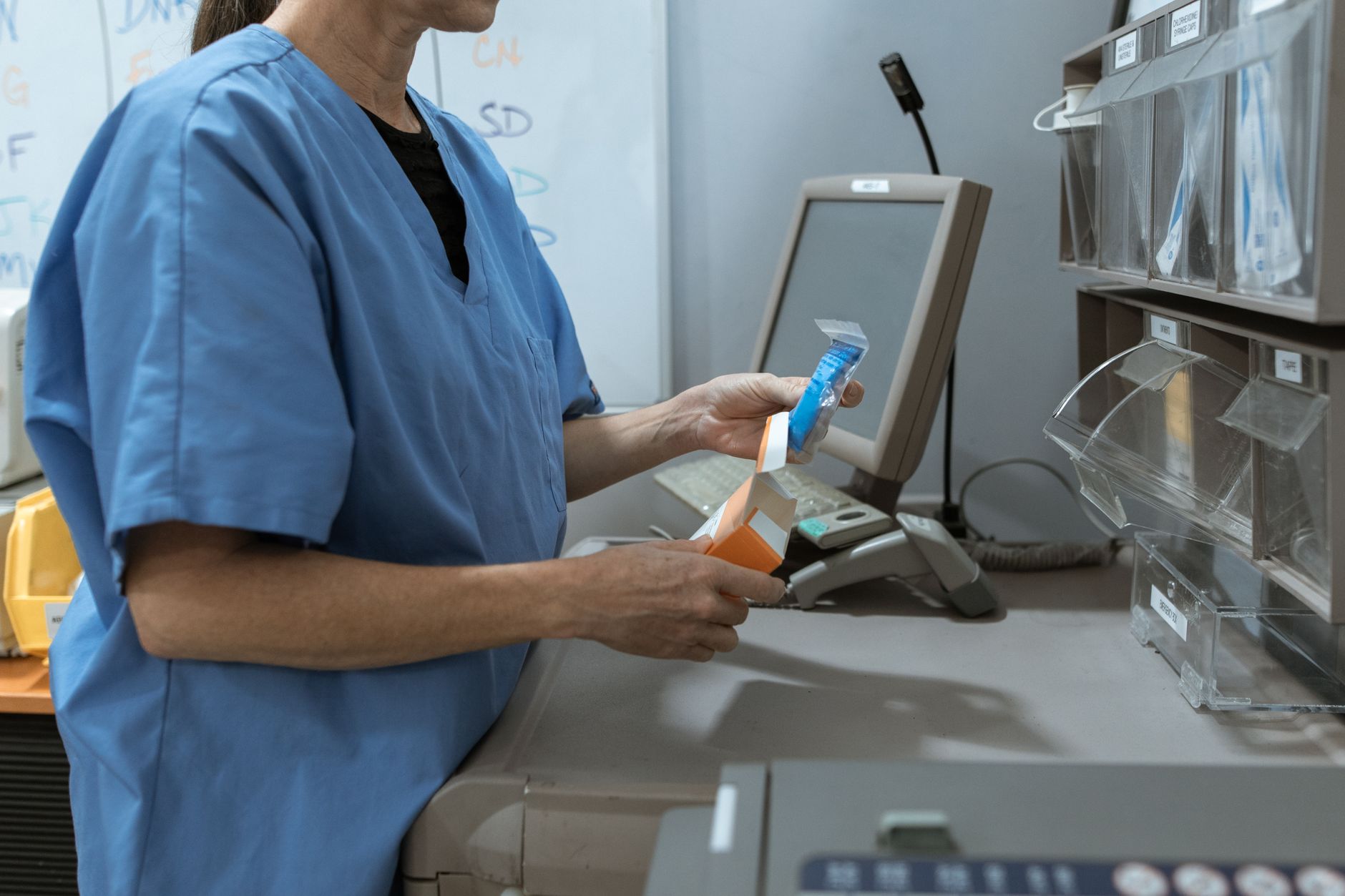
The robot supplier reports 99.8% delivery reliability across lab specimen deliveries in 2025. The figure is vendor reported and describes the delivery record for that year, so it is best read as the supplier's own accounting of the program.
Reliability is the number that matters most in this setting. A specimen that arrives is a specimen that gets tested, and a robot that completes nearly every run frees nurses and couriers for work that needs judgment at the bedside.
Both robots were in service at the same hospital, so the results describe a small single site program rather than a campus rollout.
The system added robots at more hospitals in 2026. The volumes and hours saved projected for that phase are forecasts, not outcomes, and they belong in a later study once they are measured.
What a health system can take from a record like this
Service Robot Co. is a full service, OEM neutral commercial robot integrator for US businesses. We select the right robots across manufacturers, then finance, deploy, integrate, train and service every unit through a nationwide US engineer network, so a hospital works with one partner on one number.
For a health system weighing a hospital delivery robot lease, the first step is a site assessment. We map corridors, elevators and lab handoff points, then quote one fixed robot lease payment after that assessment, on a three year lease. Lease financing programs can let a team start with one leased unit and a pilot program instead of committing a full fleet on day one.
Deployment continues after go live. Go live support, on site service and maintenance keep a specimen route running, which matters most when a lab schedule depends on it.
Frequently asked questions
Want a robot working for you?
Tell us the job and the site. We will recommend the robot, quote the lease, and keep it serviced.