
a U.S. hospital running overnight floor care
Overnight Floor Care at a U.S. Hospital: 16 Manhours Cut to 5 (Reported)
A U.S. hospital moved overnight floor care to two autonomous scrubbers. The robot supplier reports nightly manhours cut from 16 to 5, team from 3 to 2.
Deployment at a glance
- 16 to 5
- Nightly floor care manhours, reported by the supplier
- 3 to 2
- People on the overnight floor care team
- 8 to 5
- Hours until the floors were clean
- 2
- Autonomous floor scrubbers deployed
Based on a documented real-world deployment. Figures are from public reporting; the organization is not named.
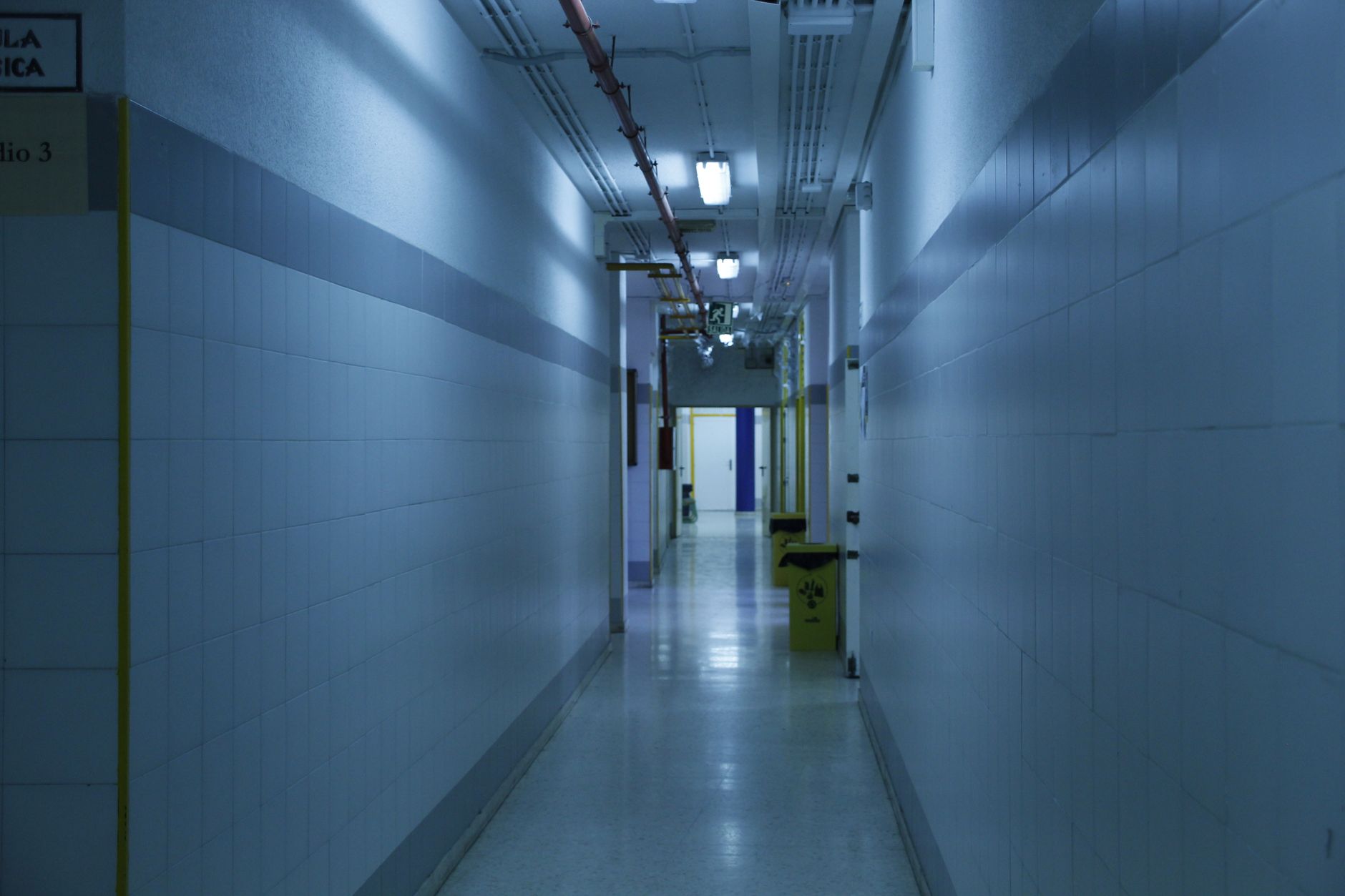
Floors that never fully rest
Hospital floors take punishment around the clock. Corridors, patient rooms, waiting areas and support spaces collect dust, spills and tracked in dirt, and the cleaning has to happen without disrupting care. Overnight, when foot traffic drops, is the window most facilities use for heavy floor care, which is why the night shift carries so much of the load.
At this U.S. hospital, floor care took 16 manhours a night, handled by a team of three people. Finishing the floors took eight hours. That left a three person team carrying a long night with little slack in the schedule.
Two autonomous scrubbers on the overnight route
The hospital moved its nightly floor care to two autonomous floor scrubbers from the robot supplier. The machines took over the scrubbing work on the overnight route, so the floors could be cleaned without an operator pushing a machine through every corridor.
A deployment like this usually begins with a site assessment that maps the floors and routes before any unit runs a full shift. That groundwork decides which areas the scrubbers cover and how the overnight schedule is built around them.
Labor and time, as reported
Nightly floor care fell from 16 manhours to 5, a drop of 11 manhours each night, or roughly 69 percent. The floor care team went from three people to two, and the time needed to get the floors clean came down from eight hours to five.
Two scrubbers carrying the work is the core of the change. The reported figures show floor care finished with fewer people and fewer hours on the clock. All figures are as reported by the robot supplier and describe this one U.S. hospital, so a facility with a different size, layout or schedule should expect its own numbers.
Where a lease fits a night shift like this

Service Robot Co. is a vendor neutral commercial robot integrator for US businesses. We select the right robots across manufacturers, then finance, deploy, integrate, train and service every unit through a nationwide US engineer network. One vendor covers the whole lifecycle, from the first site visit to the day to day service call.
We lease robots only. A customer gets a robot through financing on a three year lease, with one fixed payment quoted after a site assessment, so the figure reflects the actual floors and the actual overnight route rather than a generic estimate. Teams weighing an autonomous floor scrubber lease can start there and see whether a night shift like this one fits their building.
Frequently asked questions
Want a robot working for you?
Tell us the job and the site. We will recommend the robot, quote the lease, and keep it serviced.