
a US hospital network running two floor scrubbers across its facilities
A US Hospital Network's Night Floor Care Falls From 16 to 5 Manhours
A US hospital network runs two autonomous floor scrubbers overnight, cutting overnight floor care from 16 to 5 manhours, as the robot supplier reports.
Deployment at a glance
- 16 to 5
- Night floor care manhours, vendor reported
- 3 to 2
- People on the overnight floor team
- 8 to 5
- Hours until the floors were fully clean
- 50,000
- Square feet covered each night
Based on a documented real-world deployment. Figures are from public reporting; the organization is not named.
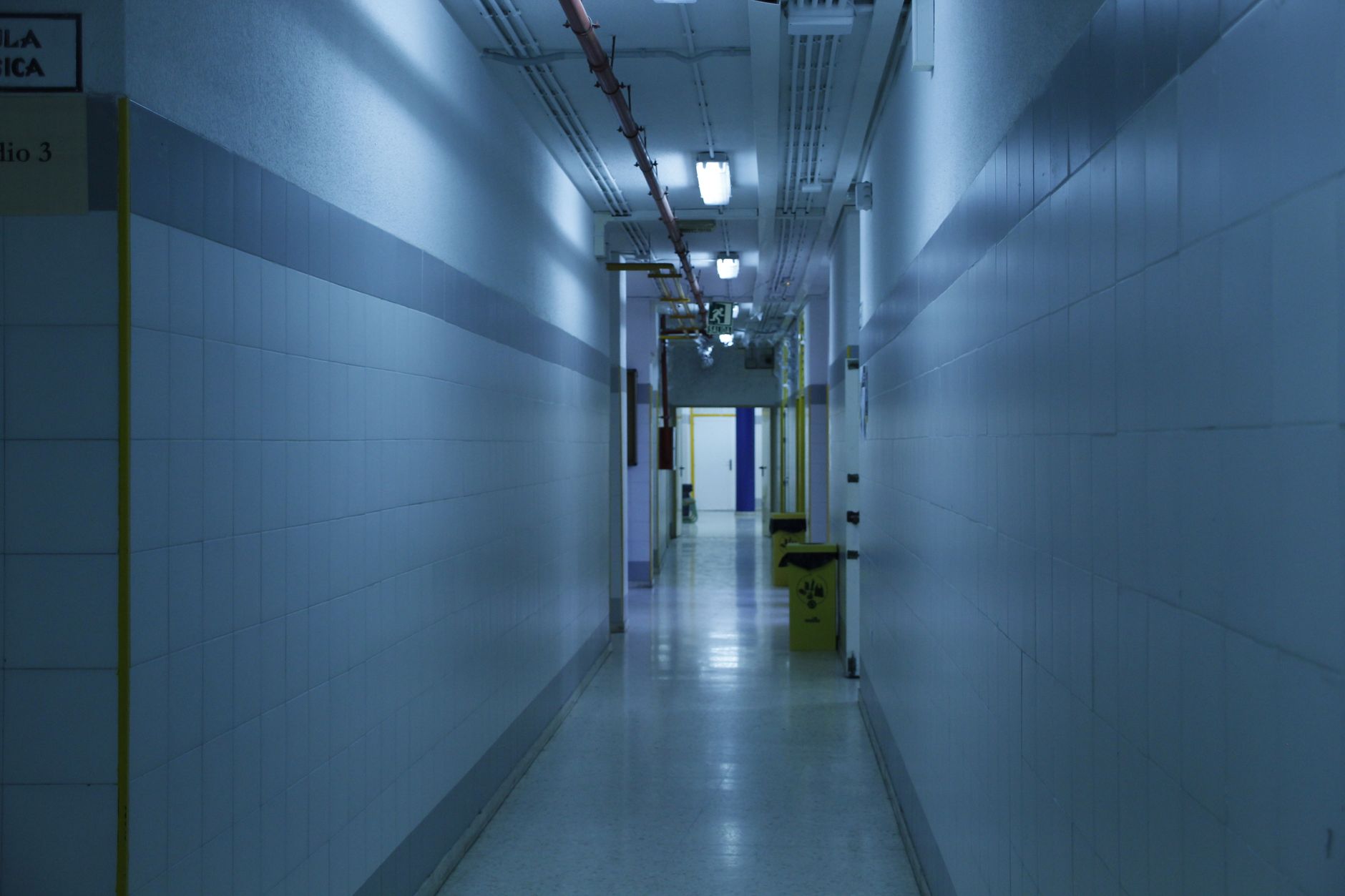
Overnight floors that outran the crew
Floor care in a hospital never fully stops. Corridors, patient rooms and public areas see traffic all day, and the cleaning that keeps them safe has to fit into the hours when the building is quieter. For this network, that window was the night.
Before the change, floor care took 16 manhours each night, carried out by a team of three people. Getting the floors fully clean took eight hours, which pushed the work deep into the early morning and left little slack for a bad night.
Filling that shift was the harder problem. Every night needed the same set of hands, and any gap meant a longer clean or a crew working under strength. A facility manager planning around that kind of gap needs a fixed plan, not a hope that the roster holds.
Two scrubbers on the overnight shift
The network put two autonomous floor scrubbers on the overnight shift. Their run window was roughly 8:30pm to 2am, long enough to cover about 50,000 square feet each night. The machines took the bulk of the floor area while people focused on the work that still needed them.
The staffing pattern changed as well. One floor technician dry mops ahead of the scrubbers to prepare the surfaces, and the other handles other tasks. The robot supplier reports that the team dropped from three people to two.
- Schedule two autonomous floor scrubbers for the overnight run window
- Dry mop ahead of the machines so the scrubbers start on prepared floors
- Move the second technician to other tasks on the floor
- Track manhours, team size and hours to a fully clean floor
What the overnight numbers show
The robot supplier reports that night floor care fell from 16 manhours to 5. Team size dropped from three people to two, and the time needed to finish the floors fell from eight hours to five. Taken together, the figures point to less labor on the floors and a shorter path to a finished night.
These are vendor reported figures for one network's facilities. A facility weighing a similar change should test the numbers against the actual floor plan, traffic and shift before drawing conclusions.
What this means for a facility on a lease

A case like this shows where overnight hours go. Floor care is often a fixed block of labor, and the savings appear when a machine takes the repeated passes and the crew moves to other work. Service Robot Co. is a full service, OEM neutral commercial robot integrator for US businesses. We select the right robots across manufacturers, then finance, deploy, integrate, train and service every unit through a nationwide US engineer network.
For a business weighing commercial robot leasing for floor care, the route starts with a site assessment and a fixed robot lease payment quoted after it, on a three year lease. Deployment, training and go live support follow, with on site dispatch from our engineer network if a unit needs attention. Many teams begin with one leased unit in a robot pilot program before committing to a larger fleet.
Frequently asked questions
Want a robot working for you?
Tell us the job and the site. We will recommend the robot, quote the lease, and keep it serviced.