
a hospital network using autonomous scrubbers for night floor care
Hospital Night Floor Care: Two Autonomous Scrubbers Cut Manhours From 16 to 5
How a hospital network moved night floor care to two autonomous scrubbers, cutting nightly manhours from 16 to 5 and the crew from three to two.
Deployment at a glance
- 16 to 5
- Nightly floor-care manhours, vendor reported
- 3 to 2
- Floor-care team size, from three people to two
- 2
- Autonomous floor scrubbers on the night shift
Based on a documented real-world deployment. Figures are from public reporting; the organization is not named.
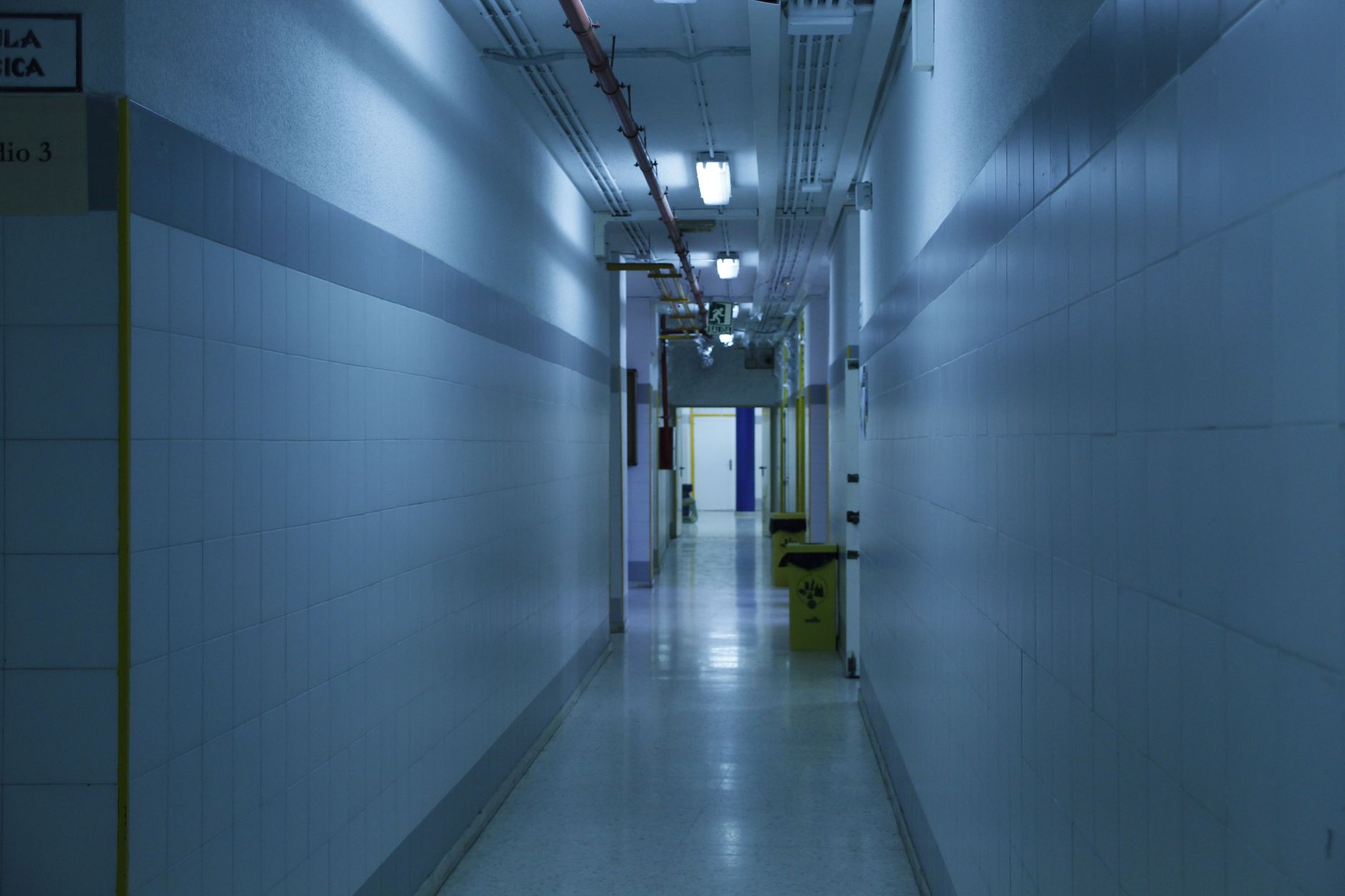
Night floors that never get a quiet hour
Hospital floors do not stop when the day shift goes home. Corridors, patient areas and support spaces still need scrubbing, and that work has to happen without getting in the way of care. For this network, overnight floor care was a steady draw on manhours that stacked up every night.
Doing that work by hand meant keeping a sizable team on overnight, with each person carrying a share of routine floor passes. Every hour spent on repetitive scrubbing was an hour not spent on the cleaning that needs a trained person. Facilities leaders in this position tend to ask how many people the job truly takes, and what it would take to run it with fewer.
Two autonomous scrubbers take over the night run
The network put two autonomous floor scrubbers on night floor care. The machines run their scrubbing passes without an operator riding them, so the overnight crew could move toward the tasks that still call for hands and judgment.
A deployment of this kind usually starts with a site walk, mapping the overnight routes and marking the tight spaces where a scrubber must slow or stop. Staff then learn to start, monitor and check the machines at shift change, and maintenance coverage keeps a stopped unit from idling the whole floor.
- Map the overnight routes and mark the tight spaces.
- Set the scrubbers running on the existing night schedule.
- Train the floor-care crew on start-up, monitoring and shift handoff.
- Keep maintenance coverage in place so a stopped unit gets attention fast.

Manhours fall from 16 to 5 a night
According to the vendor's 2023 healthcare case study, total nightly manhours fell from 16 to 5 after the scrubbers went in. That is 11 fewer manhours every night, and it changes what the overnight shift looks like from end to end.
The floor-care team also went from three people to two. That staffing change is the clearest sign of where the hours came from, since the remaining crew had less routine scrubbing to carry.
These are vendor-reported figures for one network's night shift. Layouts, hours and crew habits differ from building to building, so the numbers belong to this deployment and are not a forecast for every site.
What a lease-based deployment looks like on your night shift

Service Robot Co. is a full-service, OEM-neutral commercial robot integrator for US businesses. We select the right robots across manufacturers, then finance, deploy, integrate, train and service every unit through a nationwide US engineer network, so one partner covers the whole lifecycle.
Our robots reach customers through a lease. The offer is a 3-year lease with one fixed robot lease payment, quoted after a site assessment, so a facility can size an autonomous floor scrubber lease to its own floors and night hours before committing to anything.
A night shift like this one is a good place to start, because the question is simple: how many manhours does the floor really need, and which of them can a robot carry? Our site assessment answers that for your building.
Frequently asked questions
Want a robot working for you?
Tell us the job and the site. We will recommend the robot, quote the lease, and keep it serviced.