
a hospital in a multi-hospital health system, during a 2025 pilot
A Hospital Pilot's Delivery Robots Reported 99.8% Delivery Success
A hospital in a multi-hospital health system reports a 99.8% delivery success rate from its 2025 robot pilot, and what reliable runs mean for buyers.
Deployment at a glance
- 99.8%
- Delivery success rate reported for the 2025 pilot
- 40 to 60
- Specimen deliveries a day on the lab robot route
- 2
- Robots in the program, one for specimens, one for pharmacy
Based on a documented real-world deployment. Figures are from public reporting; the organization is not named.

An older building and a long walk for every specimen
The hospital works in an older building, and some of its wings were never fitted with a pneumatic tube system. Anything that cannot wait for a tube has to be carried by hand, which pulls staff away from the bedside.
Specimens leaving critical care units need to reach the laboratory on time. Each run looks small on its own, but across a shift the trips add up to a steady drain on nursing and technical time.
The health system's innovation team went looking for a robot that could take over that repetitive trip. It approached a robot maker that already worked in healthcare and had built a hotel delivery robot before.
- Specimens from critical care units bound for the laboratory
- Pharmacy deliveries that need a steady, predictable route
- Older corridors without pneumatic tube coverage
One route first, then a second use
The pilot began with a single robot carrying specimens from critical care units to the laboratory. It was treated as a test, not a finished rollout, and the health system kept its expectations tied to what the robot actually completed.
A second robot was piloted as a medication transport robot for pharmacy deliveries. Running two different kinds of hospital runs side by side let the team see how one program behaved across distinct routes before widening it.
- Choose one high-volume run, such as specimens from critical care
- Pilot a single robot on that route
- Add a second use, such as pharmacy deliveries
- Judge the program on completed runs before expanding
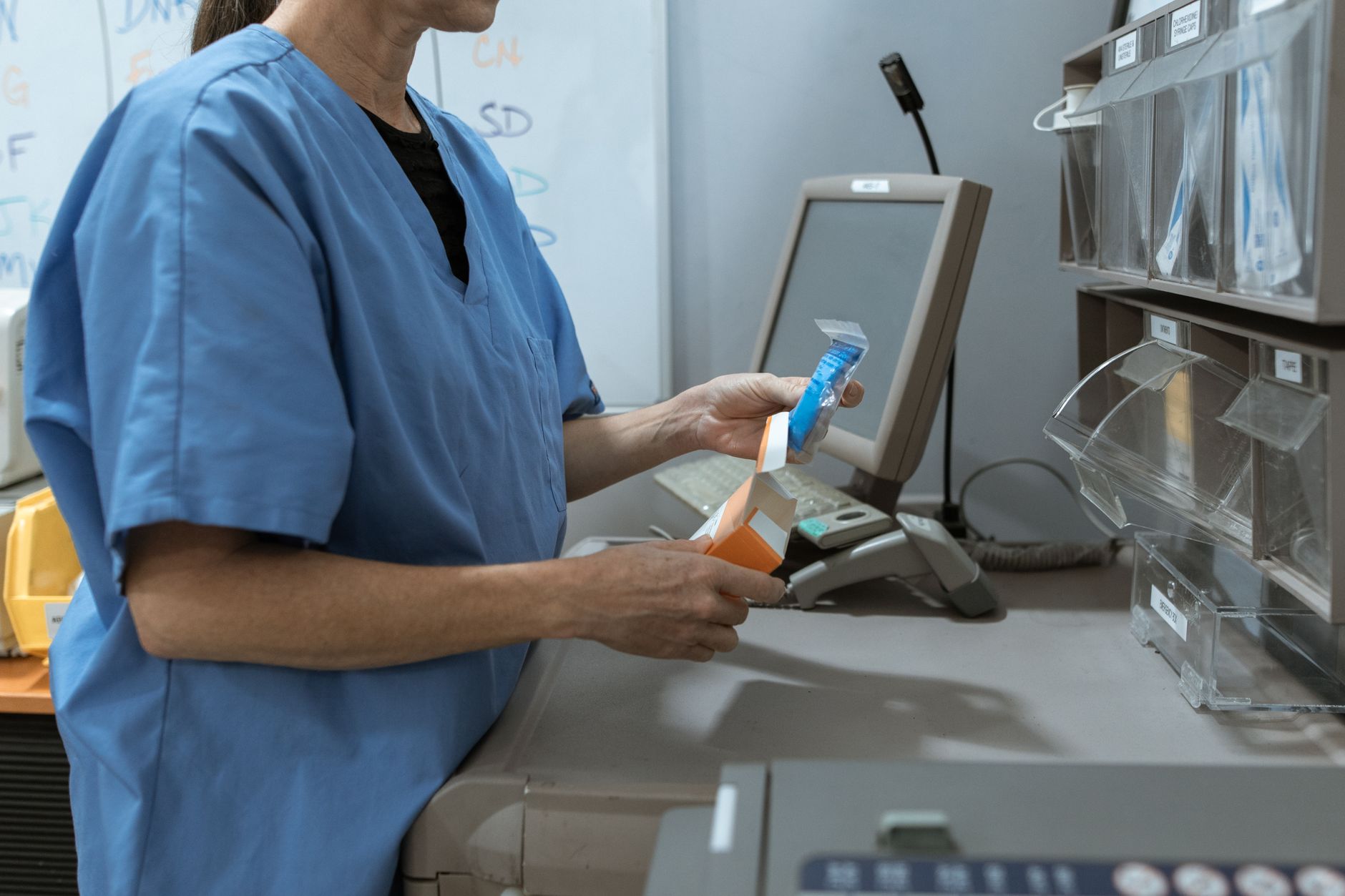
Runs that finished, by the supplier's measure
The robot supplier reported a 99.8% delivery success rate for the 2025 pilot. For a buyer, that figure answers a narrow and useful question: of the runs the robots set out to make, nearly all arrived. It speaks to reliability rather than to labor hours.
The supplier placed the lab route at 40 to 60 specimen deliveries a day. At that volume, a missed run stands out quickly, so consistency across a full shift matters more than any single trip.
Local coverage described the program as a test, and expansion to other campuses followed later. The robot supplier has since announced more robots at additional hospitals in the system, tying the investment to the impact of autonomous delivery.
What a buyer should take from a reliability figure
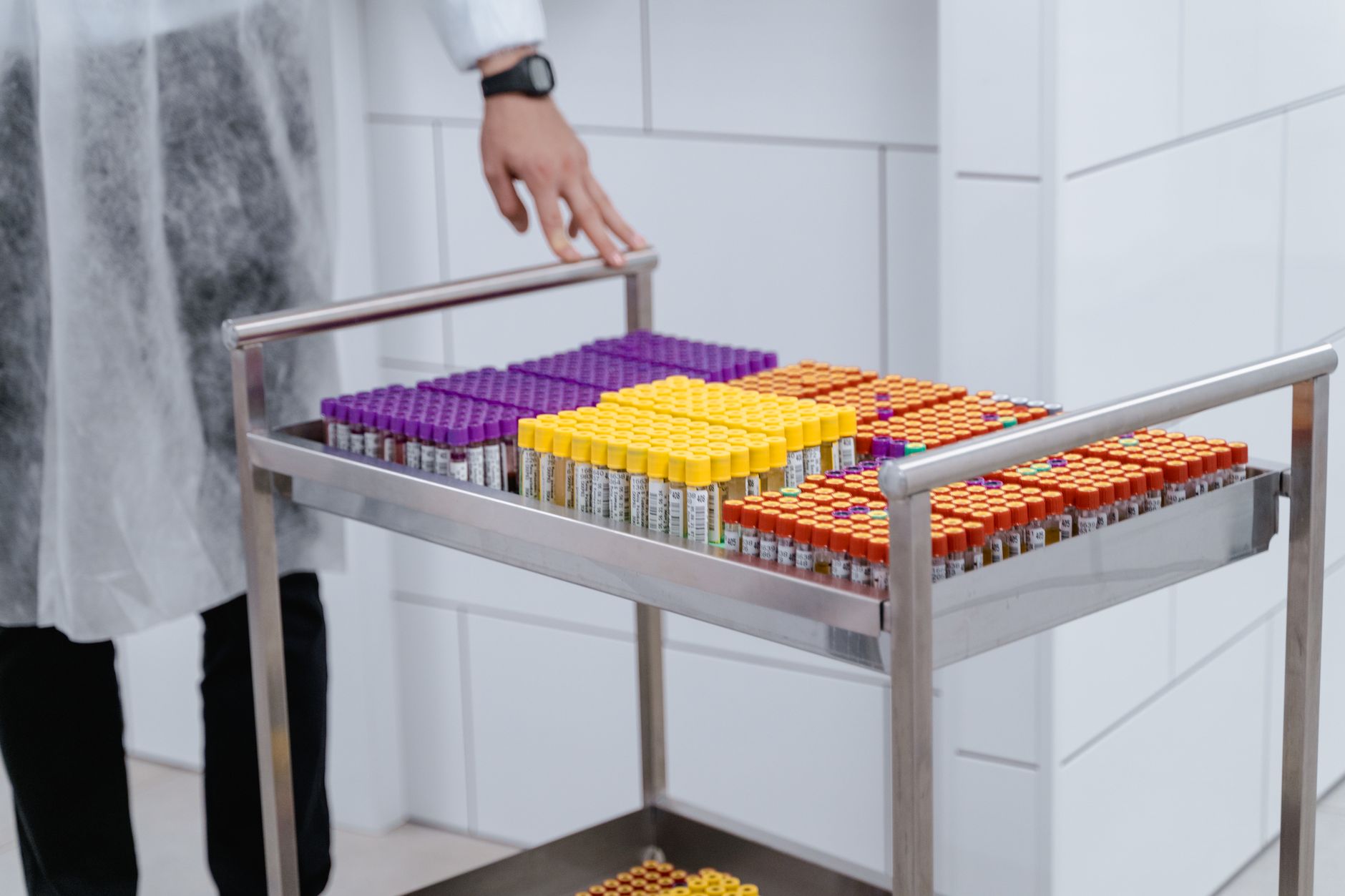
Service Robot Co. is a full-service, OEM-neutral commercial robot integrator for US businesses. We select the right robots across manufacturers, then finance, deploy, integrate, train and service every unit through a nationwide US engineer network, so one partner covers the whole lifecycle.
For a hospital weighing a delivery robot, this study points to the same first questions: which route to automate, how the robot fits the building, and who responds when a run stalls. Our robots reach customers through a lease, with a fixed robot lease payment quoted after a site assessment on a 3-year lease. Many teams start with one leased unit, which lets them test the route before committing to more.
The hospital in this study followed that order, starting with one route and letting its results set the pace.
Frequently asked questions
Want a robot working for you?
Tell us the job and the site. We will recommend the robot, quote the lease, and keep it serviced.