
an anonymized hotel restaurant in a 2025 pilot
A Hotel Restaurant Busser Robot Pilot Reports a 40% Cut in Bussing Hours
A 2025 hotel restaurant pilot tested a busser robot for table clearing. The supplier reports a 40% drop in bussing labor hours within eight weeks.
Deployment at a glance
- 40%
- Vendor reported cut in busser labor hours
- 8 weeks
- Window in which the reduction was measured
- 180 rooms
- Size of the hotel that ran the pilot
Based on a documented real-world deployment. Figures are from public reporting; the organization is not named.
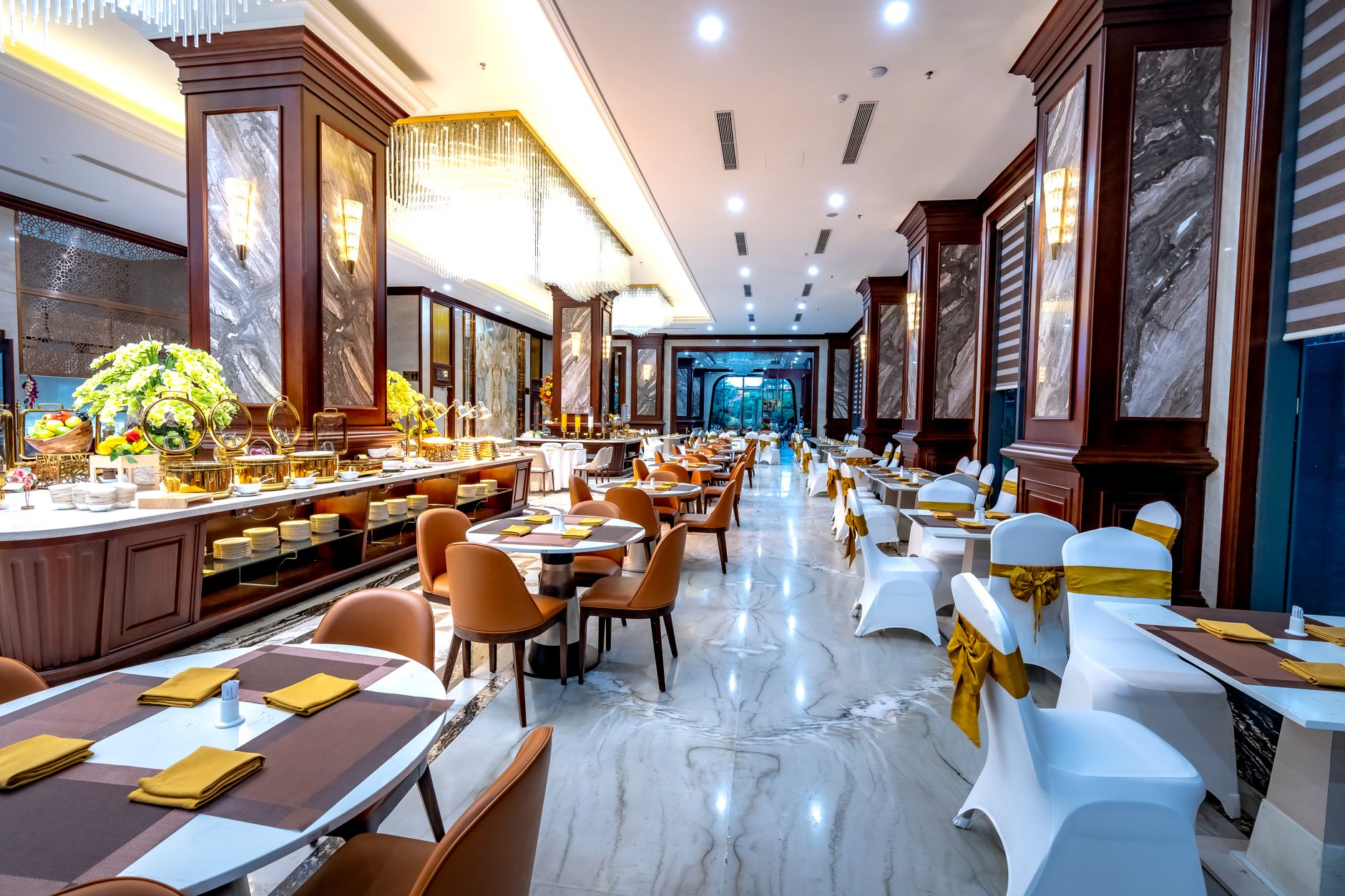
Table Clearing Under Constant Pressure
Clearing tables in a hotel restaurant is some of the most physically demanding work on the floor, and it rarely waits for a quiet moment. Plates, glasses and linen pile up between seatings, and every return trip pulls a busser away from the tables that need attention next.
Hotel dining rooms add layers of pressure. Breakfast and dinner peaks arrive in waves, guests expect a clean room without a visible rush, and the kitchen waits on dishes coming back.
The operator needed a clear answer to a practical question: how much bussing labor could a robot take over, and how much would still need people on the floor.
- Dishes, glasses and linen return on the same trips
- Service peaks arrive in waves rather than evenly across the shift
- Walking time between tables and the dish return rarely shows up on a schedule
Choosing the Floor and Running the Pilot
The hotel restaurant tested a busser robot to carry dirty dishes from tables to the dish return area. Labor hours were measured across an eight week window, so the result reflects a defined stretch of service rather than a single good night.
Vendor guidance on busser robots points to the rooms where a pilot is most likely to pay off. High volume, full service venues with clear layouts suit the robot best, while small fine dining rooms with narrow aisles make poorer candidates.
A deployment like this usually moves through a few steps, and each one shapes how much labor the robot can take on.
- Walk the dining room and map the route from tables to the dish return
- Set the robot's clearing runs around the busiest service windows
- Train floor staff on when and how to hand over dirty dishes
- Track bussing labor hours against the pilot window before any wider rollout
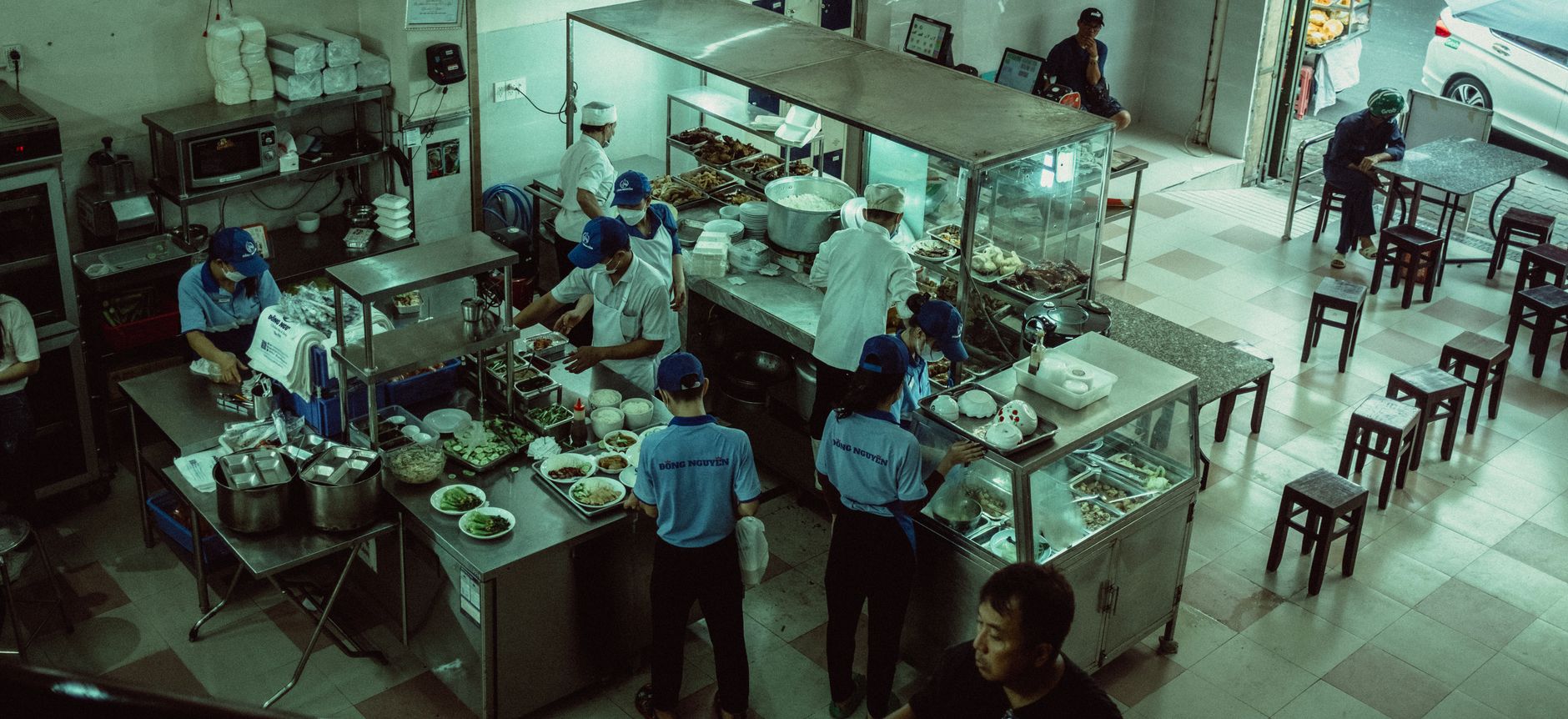
The Labor Hours Result
The headline result is a 40% reduction in busser labor hours, measured within eight weeks at a hotel with 180 rooms. The figure comes from the supplier's own internal pilot reporting, so it stands as a vendor claim.
An Operations Director at the hotel described the change in the same terms, tying the reduction to the eight week window and the size of the property.
A 40% cut in busser hours is a large share of the work the robot actually touched. It is not the same as a 40% cut in total restaurant payroll, so operators should set it against the table clearing hours on their floors.
What This Means for Restaurant Operators
This pilot is a documented example we analyze, not a client account. Service Robot Co. is an OEM neutral commercial robot integrator for US businesses. We select the right robots across manufacturers, then finance, deploy, integrate, train, and service every unit through a nationwide US engineer network, so one vendor covers the whole lifecycle.
For a restaurant weighing a busser robot lease, the first step is a site assessment with mapping of the dish return route. Aisle widths, room volume and layout decide if the floor is a good fit, and the fixed robot lease payment is quoted only after that assessment is complete.
Robot leasing for business often works best when it starts small. A pilot program with one leased unit lets a team test the route, the schedule and the handoffs, with service and go live support in place from the first day.
Frequently asked questions
Want a robot working for you?
Tell us the job and the site. We will recommend the robot, quote the lease, and keep it serviced.