a Singapore logistics facility feeding a storage system
A logistics site saved 90 hours a month moving cages
A Singapore logistics facility feeding a storage system used a cage-lifter AMR to move 300 boxes an hour and save 90 labor-hours a month.
- 300/hr
- Boxes moved
- 90 hrs/mo
- Labor saved
- 2 years
- ROI window
- 1 AMR
- Robot used
Based on a documented real-world deployment. Figures are from public reporting; the organization is not named.

Where the handoff kept dragging
At a Singapore logistics facility feeding a storage system, the trouble sat between storage and packing. Staff were manually moving tote bins, boxes, full trolleys, and empty returns from one stage of the flow to the next, and that transport loop kept soaking up labor that the site wanted back for higher-value work.
This kind of route looks harmless until it repeats all shift long. Single-piece and low-volume moves can choke throughput, delay packing, and make it harder to raise output without adding headcount. The site needed a better way to keep cages and totes moving.
- Manual cage and tote transfers sat between storage and packing.
- Low-volume moves still consumed operator time every shift.
- The site needed more throughput without adding staff.
How the cage-lifter was fitted into the route
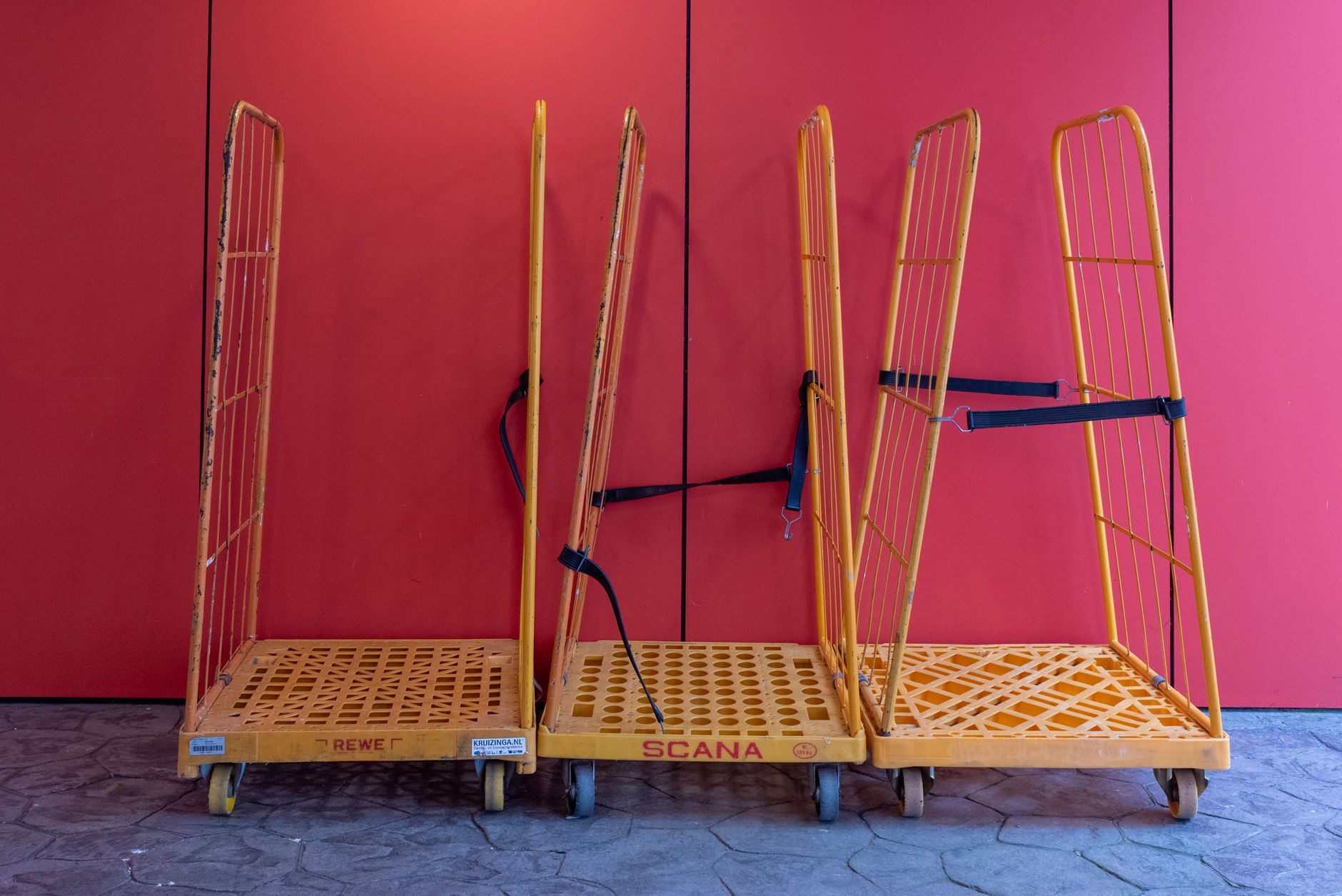
The fix was a cage-lifter autonomous mobile robot dedicated to trolley movement. It collected filled trolleys, carried them to packaging, and brought empty trolleys back so the route kept flowing without a person walking every leg.
A camera-based trigger started each task when an operator placed a full trolley in the pick area. That removed the need for manual dispatch on every move and kept empty trolleys cycling back into place. It is a strong example of repetitive transport automation solving a narrow but stubborn workflow gap.
- Detect a full trolley in the pick area.
- Send the cage-lifter to collect it.
- Deliver the loaded trolley to packaging.
- Return an empty trolley to keep flow moving.
What changed on the floor
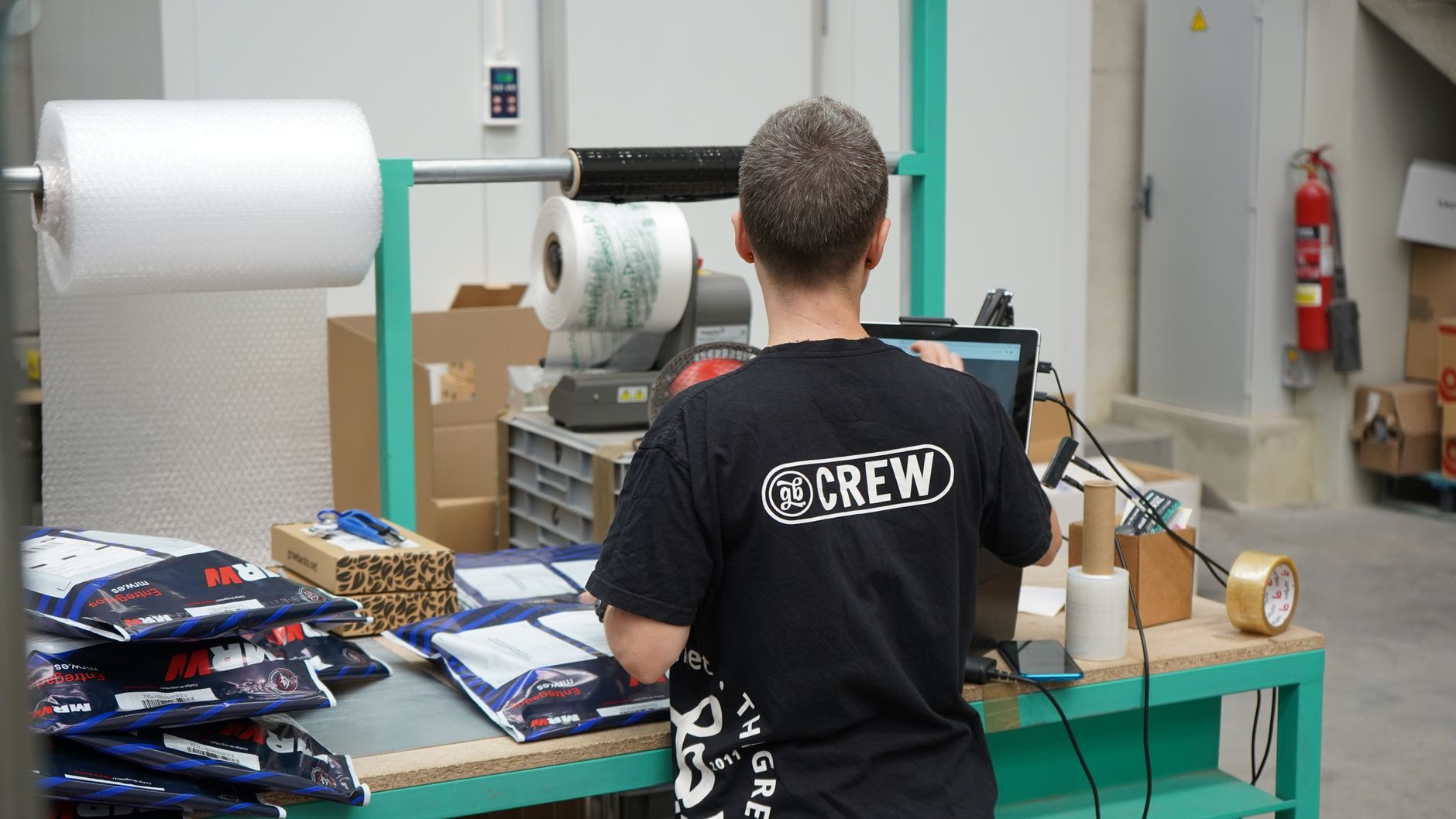
The documented output reached 300 boxes per hour while saving 90 labor-hours per month. The source also reports a two-year return on investment, which matters because it ties the gain to a real material-handling route rather than a demo cell.
Just as important, the site raised throughput without extra manpower. The robot did not replace the storage system. It removed the manual shuttle work around it, which is often where material handling robot rental or an AMR pilot earns its place fastest.
What this means for US operators
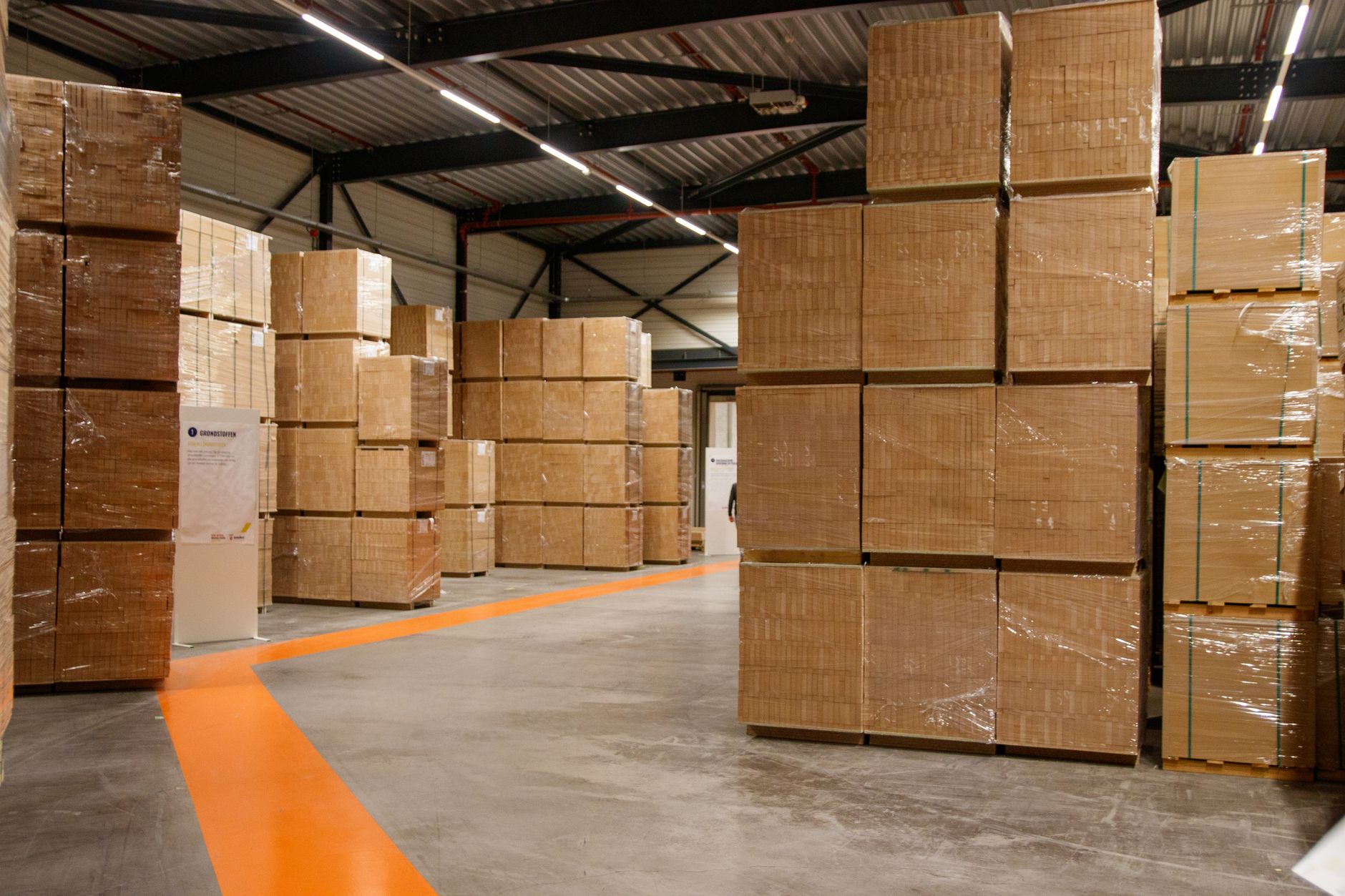
Service Robot Co. watches examples like this because the lesson shows up in many contract logistics buildings. A site may already have advanced storage or packing equipment, yet still depend on people to move cages, carts, or totes between those islands of process. That is where a workflow can feel labor tight even before anyone talks about expansion.
For a US operator, the takeaway is not to copy the exact layout. It is to map the route, measure the handoff points, test whether an autonomous mobile robot rental fits the flow, and make sure deployment, training, financing, and service sit under one accountable partner. That is where a vendor neutral robot integrator for warehouses can add real value.