
a manufacturer that added robotic palletizing at the end of its production line
End of Line Palletizing Robot: 25% More Output, Vendor Reported
A manufacturer added robotic palletizing at the end of its production line. The robot supplier reports 25% more output with no added labor. Lease options.
Deployment at a glance
- 25%
- Higher line output, as reported by the robot supplier
- 0
- Extra labor hired to keep pace, per the reported result
- End of line
- Where the palletizing robot was placed
Based on a documented real-world deployment. Figures are from public reporting; the organization is not named.
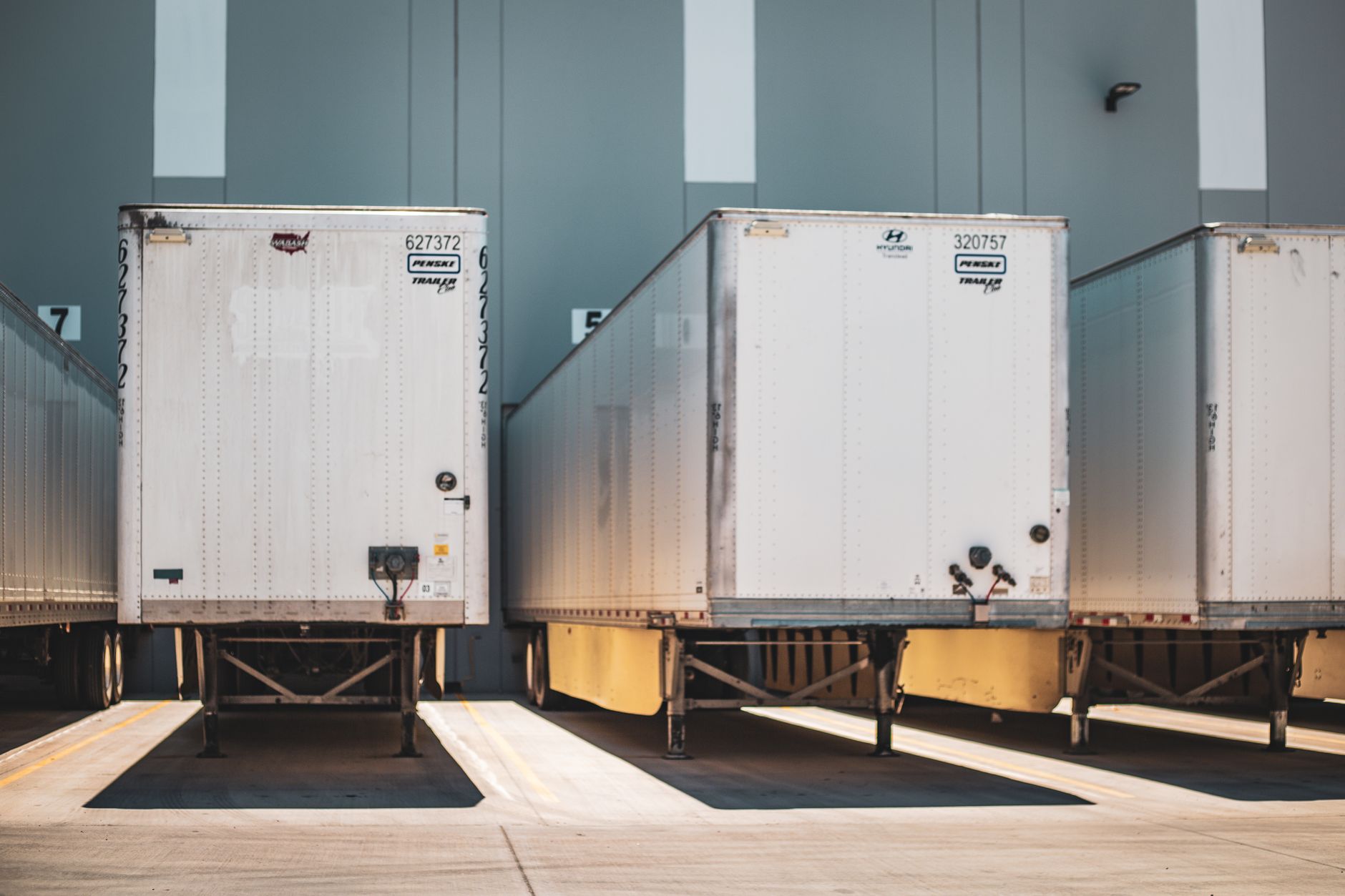
Keeping pace at the last station on the line
At the end of a production line the work is repetitive and relentless. Finished goods arrive, get stacked into pallets, and have to move on before the next run stacks up behind them. When output rises, that final station is often where a plant runs short of hands first.
The manufacturer in this case faced a familiar choice. Palletizing was handled by people, a mix of full-time and temporary staff, so adding output meant adding bodies to keep the stacks moving. It needed a way to lift what the line could ship without that hiring.
Placing a palletizing robot where the stacking happens
The palletizing robot took over the stacking at the end of the line, the step that had been done by staff. Placing the unit at that station put end of line automation exactly where the pallets were built.
A palletizing robot is typically introduced in a sequence like this, and each step leaves less to chance at go live.
- Map the end of line, the pallet pattern and the flow of finished goods before choosing a unit.
- Mount the robot at the palletizing station and connect it to the line's output.
- Train the people who load, watch and clear the cell.
- Go live on the first station, then add units once it performs as planned.
- Keep a service path open for adjustments and repairs.
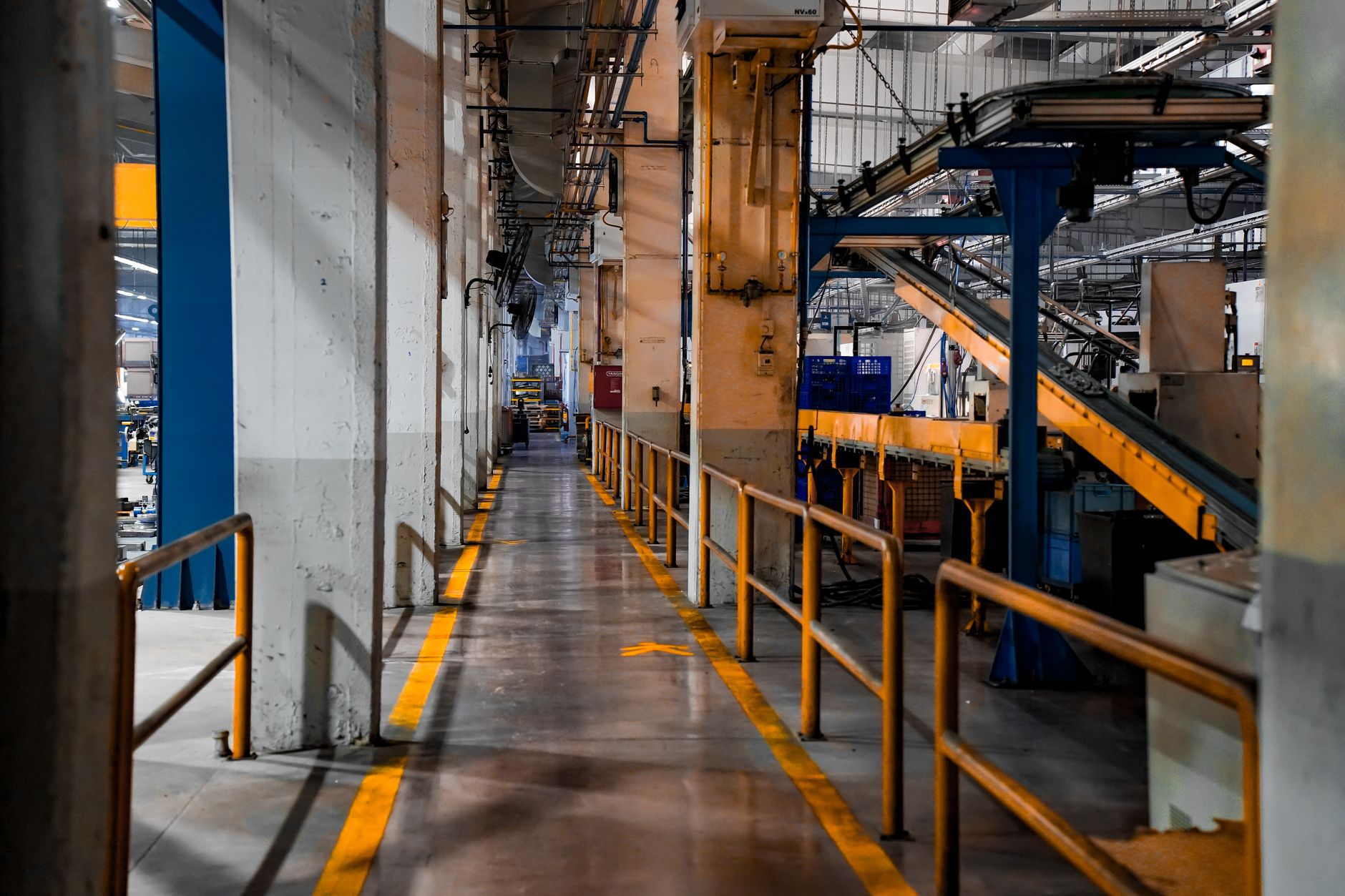
Output up 25 percent, with no added labor, as reported
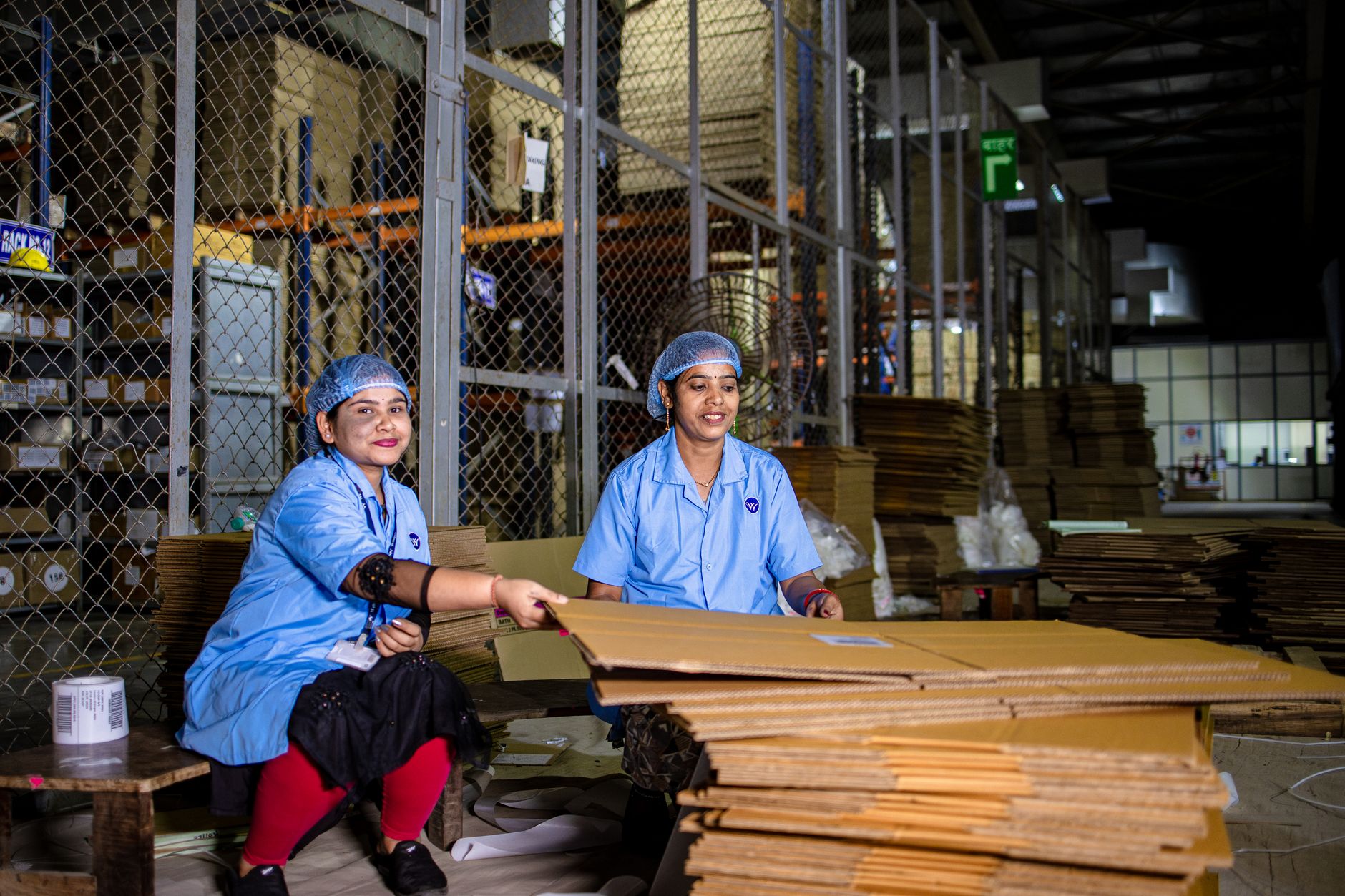
The robot supplier reports that line output rose 25% after the palletizing robot went in, without adding labor. This is a vendor-reported outcome.
The supplier also reports that the palletizing work moved to the robot, and that the operation later ordered more robots after the first deployment. Ordering more robots after the first unit went in suggests the first station worked well enough to repeat.
What this means for a palletizing project
Service Robot Co. is a full service, OEM neutral commercial robot integrator for US businesses. We select the right robots across manufacturers, then finance, deploy, integrate, train, and service every unit through a nationwide US engineer network. For a palletizing project, that means one partner from site assessment through go live and ongoing service.
We lease every robot we deploy. A palletizing robot lease runs on a three year term with one fixed lease payment, quoted after a site assessment, so the number is clear before the work begins. Robot lease options are shaped by the line's layout and output, and the assessment is where those details get settled.
Frequently asked questions
Want a robot working for you?
Tell us the job and the site. We will recommend the robot, quote the lease, and keep it serviced.