
a Missouri hospital
Off the Bedside Route: A Missouri Hospital's Delivery Robot Case Study
How a Missouri hospital put a delivery robot on supply runs, freeing about 30% of bedside caregiver time and saving 315+ staff hours in 20 days.
Deployment at a glance
- 30%
- of bedside caregiver time freed, as the hospital reported
- 315+
- staff hours saved in the first 20 days
- 20 days
- first window in which the hours were counted
Based on a documented real-world deployment. Figures are from public reporting; the organization is not named.
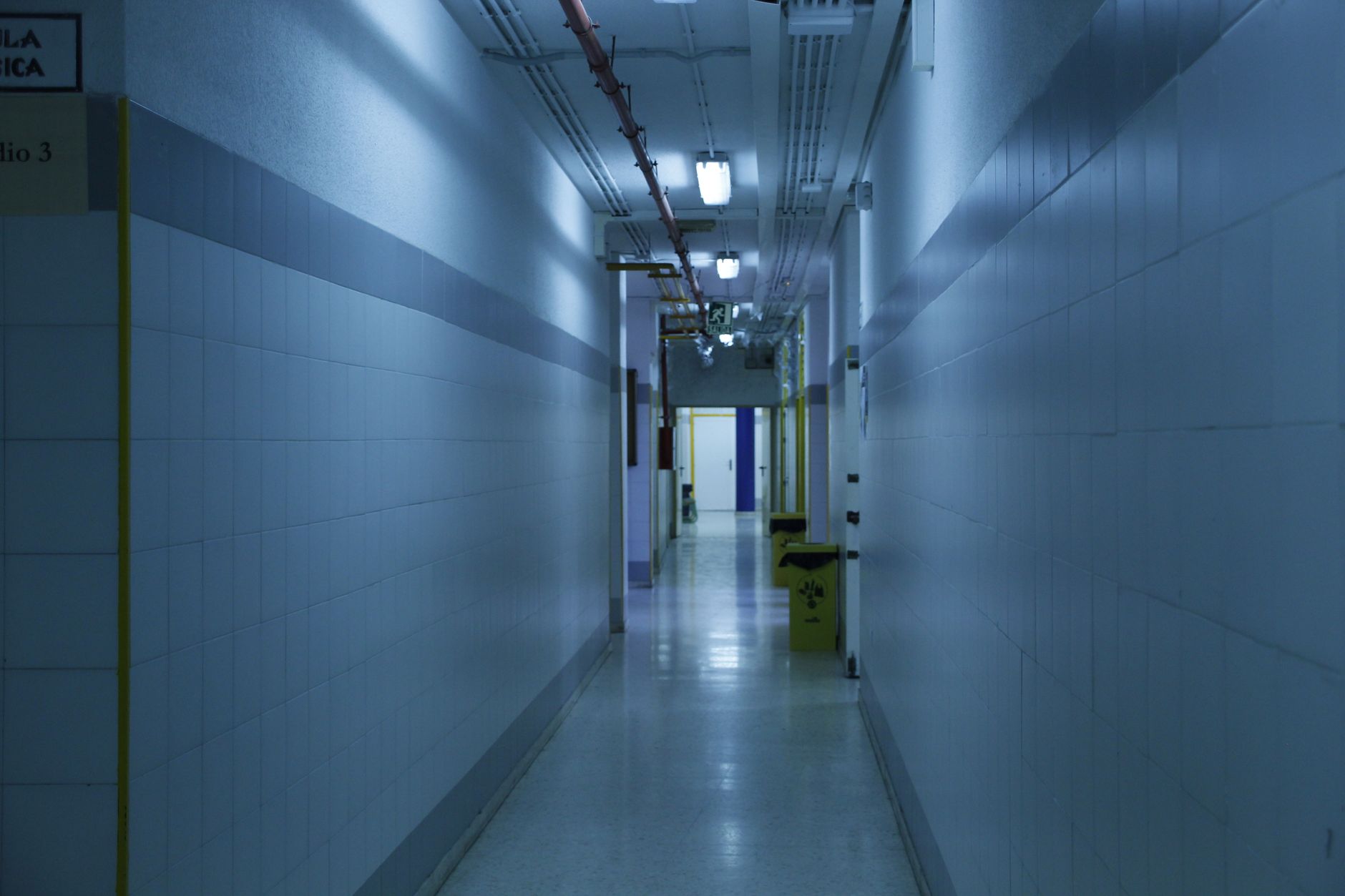
Caregivers walking when they should be at the bedside
On a busy inpatient floor, the hours a nurse or aide spends away from a patient seldom go to one large task. They go to small ones: fetching a supply, carrying a medication to another unit, heading back to the station for the next item. Each trip is short. Added up across a shift, they keep caregivers away from the people they are there to treat.
The hospital wanted those trips to stop eating into bedside time. Its aim was to hand the repetitive runs to a machine so that staff could stay with patients for longer stretches.
Delivery robots suit this kind of work because the runs are predictable and repeated along known corridors. The open question was whether a robot could carry them reliably enough to change how a shift actually feels on the floor.
Handing supply runs to a delivery robot
The hospital put a delivery robot to work on supply runs, so the trips caregivers had been making on foot went to the machine instead. The most useful starting point is the set of runs that pull people away from patients the most.
The sequence below describes how a deployment of this kind is typically organized. It is a general outline, not a record of each internal decision at the hospital.
- Map the corridors, elevators and stops the robot must reach on each floor.
- Choose runs that repeat, follow a predictable route and keep staff away from patient rooms.
- Train staff on how to load the robot, release a delivery and call it back.
- Start with supply runs, then widen the scope once the team trusts the routine.
- Agree a robot maintenance service plan up front, so a stalled robot is repaired quickly and runs resume.
What the hospital's figures show
The headline result is that about 30% of bedside caregiver time was freed, and more than 315 staff hours were saved in the robot's first 20 days. Those hours returned to the caregivers who had been covering the runs themselves.
Read the numbers for what they measure. They count time returned to care. They do not put a dollar value on that time, and they do not show changes in patient outcomes. Whether the gain held beyond those first 20 days is not yet known.
For a hospital weighing a similar project, the useful question is what happens to the hours after they return. A freed hour helps only when it is spent at the bedside, which makes shift planning as important as the robot itself.
Where a robot lease fits a hospital project

Service Robot Co. is a full service, vendor neutral robot integrator for US businesses. We select the right robots across manufacturers, then finance, deploy, integrate, train and service every unit through a nationwide US engineer network. One partner covers the whole lifecycle, and robots reach customers through a lease only, which makes us a commercial robot leasing and robot deployment and integration provider in one.
A hospital weighing a delivery robot lease would work through a site assessment first, so routes, floors and workflow are understood before anything is installed. The three year robot lease carries a fixed robot lease payment, quoted after that assessment. Deployment follows in phases, so the first step stays small and the team can widen the scope at a pace it sets. A robot pilot program of this kind keeps the early risk low.
Frequently asked questions
Want a robot working for you?
Tell us the job and the site. We will recommend the robot, quote the lease, and keep it serviced.