
an online retailer's distribution warehouse
An Online Retailer's Warehouse Moves Carts With AMRs: 400% More Per Trip
An online retailer's distribution warehouse used autonomous mobile robots to move carts. Reported: 400% more carts per trip and ROI in 8 months.
Deployment at a glance
- 400%
- Increase in carts per trip, as reported
- 8 months
- Reported time to return on investment
- 6 to 1
- Team member work covered by one vehicle, as reported
Based on a documented real-world deployment. Figures are from public reporting; the organization is not named.
Carts that cost more trips than they should
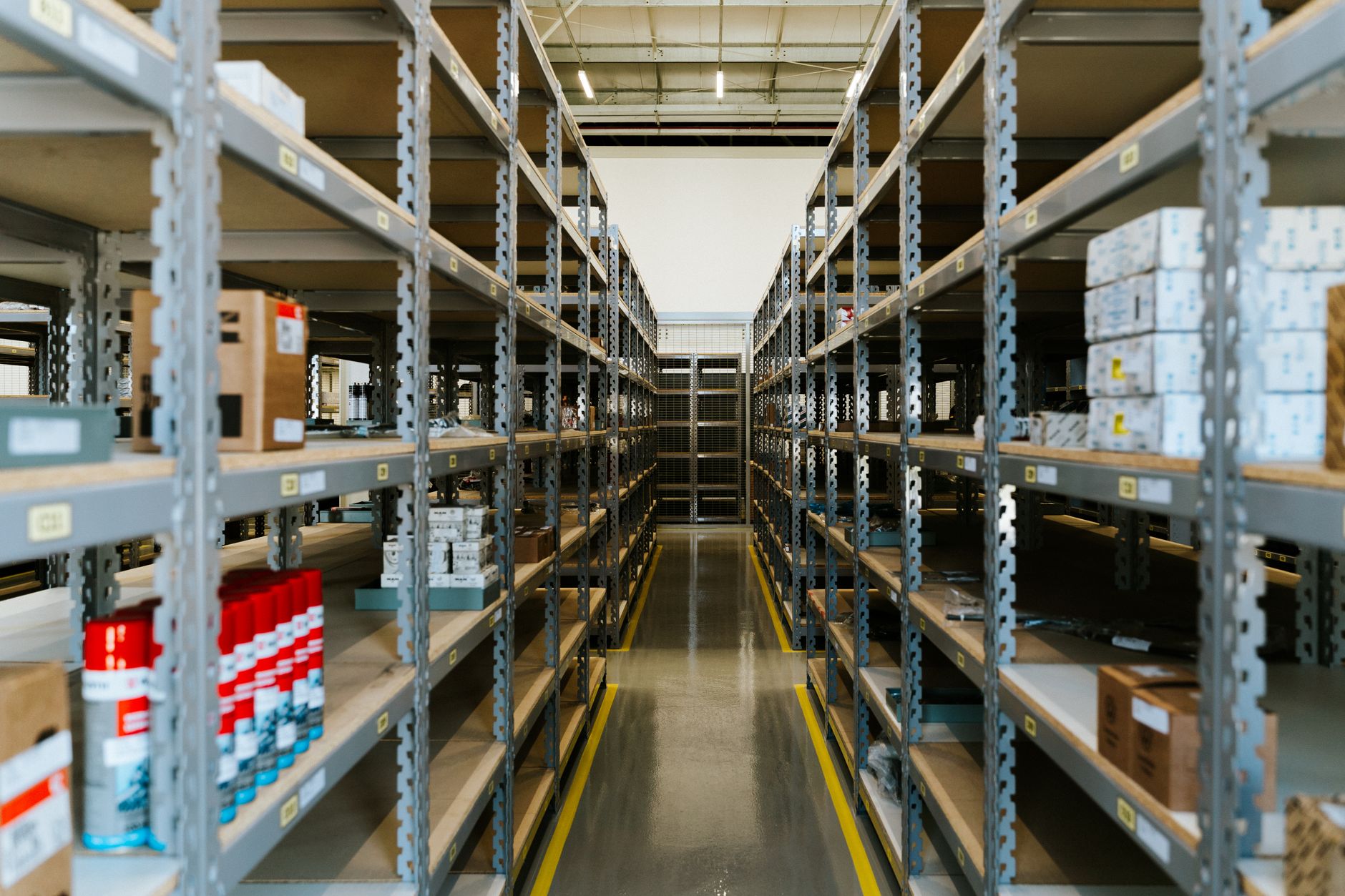
Goods in an online retailer's distribution warehouse spend their day on carts. Loaded carts travel between the stations that receive, store, pick and pack, and every leg of that travel ties up people who could be doing more skilled work. On a busy floor, the carts are the arteries.
The economics turn on trip density. A route that carries only a few carts per trip burns labor hours on the same movement again and again, while a route that fills each trip gets more from the same crew. Peak periods make the gap obvious, because volume rises faster than the people available to push.
- Cart legs that depend on a person being free
- Trips that leave capacity unused on the cart
- Peak volume that outruns the crew on hand
Putting robots on the cart routes
The operation added autonomous mobile robots to move carts of goods through the building, handing the cart legs to a fleet instead of a person each time. Staff stayed on picking, packing and the exceptions that still need a human eye.
Results like these depend less on the vehicle than on how it is introduced. Teams that get durable gains usually map the routes first, agree cart handoff points with operations, and roll the fleet out in phases so picking never stops.
- Site assessment and route mapping before any unit goes live
- Cart handoff points agreed with the operations team
- Phased rollout that keeps picking running
- Operator training and go live support
- Maintenance plan with onsite dispatch and spare unit coverage
What the reported figures show
The headline result is a 400 percent increase in carts moved per trip. A 400 percent increase means each trip carried five times as many carts as the trip it replaced, a striking shift for any floor. Read it as the outcome on this floor, not a figure to plan around, because every route starts from its own baseline.
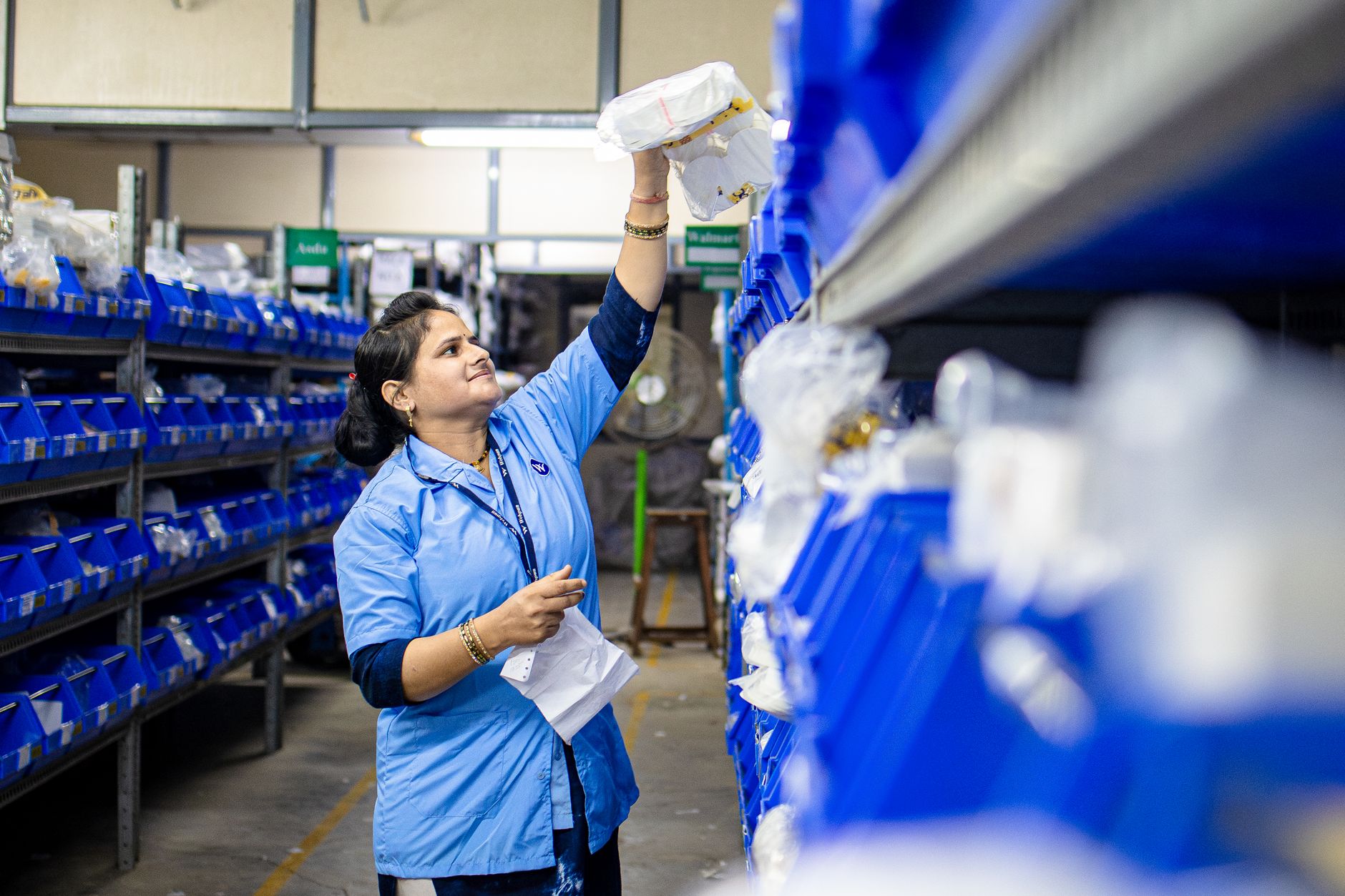
The reported outcomes also include one vehicle doing the work of six team members. Paired with the trip gain, that points to labor released from cart moves and redeployed to work that still needs people.
The reported return on investment arrived in eight months. That is a payback window, and its length depends on the labor the operation was already carrying, the shift volume it runs and how many carts each trip can carry.
What this means for a cart moving fleet
This case is most useful to distribution operators weighing autonomous mobile robots for cart and tow work. The lesson sits in the mechanics: trip density, labor hours and route design decide how much a fleet can return.
Service Robot Co. is a vendor neutral commercial robot integrator for US businesses. We select units across manufacturers, then lease, deploy, integrate, train and service each one through a nationwide US engineer network, with one fixed robot lease payment quoted after a site assessment on a three year lease. One partner, one number, one accountable team.
The return on a cart fleet holds only when it keeps running. Maintenance included, onsite dispatch, remote triage and spare unit coverage keep one stalled vehicle from stalling the floor, and that is where a backup robot program earns its place.
Frequently asked questions
Want a robot working for you?
Tell us the job and the site. We will recommend the robot, quote the lease, and keep it serviced.