
a full service restaurant running three delivery robots on its dining floor
A Full Service Restaurant's Three Delivery Robots Cover 18 Miles a Day
A full service restaurant runs three delivery robots on its dining floor, covering 18 miles a day and moving 3.7 tons of food in a reported two week run.
Deployment at a glance
- 18 miles
- covered per day by three delivery robots, as reported
- 3.7 tons
- of food moved over a reported two week run
- 3
- delivery robots sharing one dining floor
- 2 weeks
- reported length of the run behind these figures
Based on a documented real-world deployment. Figures are from public reporting; the organization is not named.
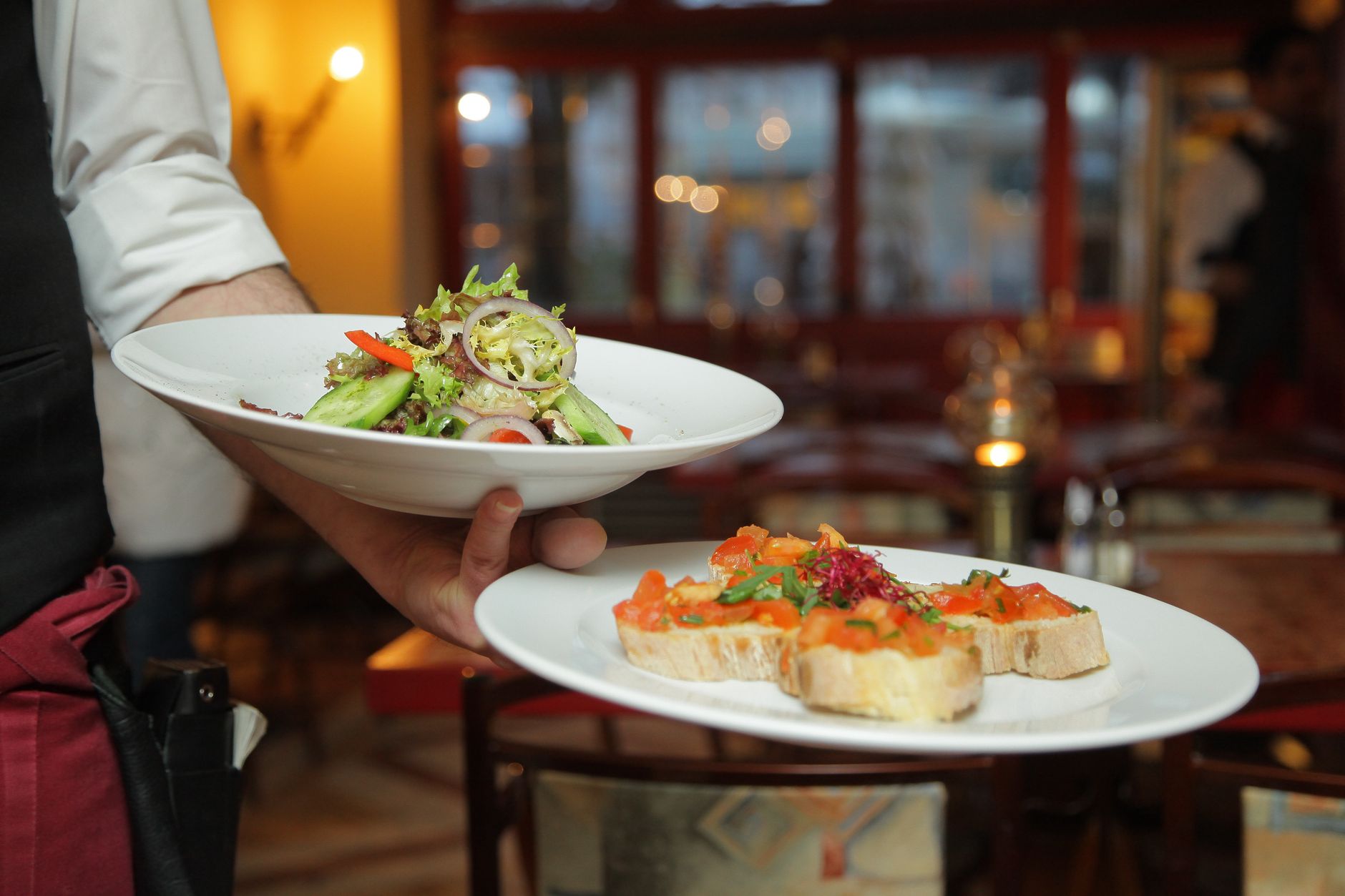
Carrying a busy dining room on foot
On a busy service night, the distance between the kitchen pass and the far tables adds up fast. Every food run is a walk, and every walk pulls a team member away from guests for a few more minutes.
The practical test for a room like this is plain. A small group of robots has to keep food moving across a large, crowded floor, day after day, without adding traffic or delay.
- Long, repeated walks between the kitchen pass and the tables
- Food that needs to arrive while it is still hot
- A floor shared by guests, servers, bussers and foot traffic
Three robots on one shared floor
The deployment placed three delivery robots directly on the dining floor. Runs were spread across the three units, so coverage came from the group rather than from any single machine.
A rollout of this kind usually follows a familiar sequence for a service robot. The room is mapped, routes are set, staff are trained on loading and handoff, and the units run supervised trips before carrying a full evening load.
- Map the dining floor and set delivery routes
- Train staff on loading, handoff and clearing
- Run supervised trips before full service
- Track distance covered and food moved from day one
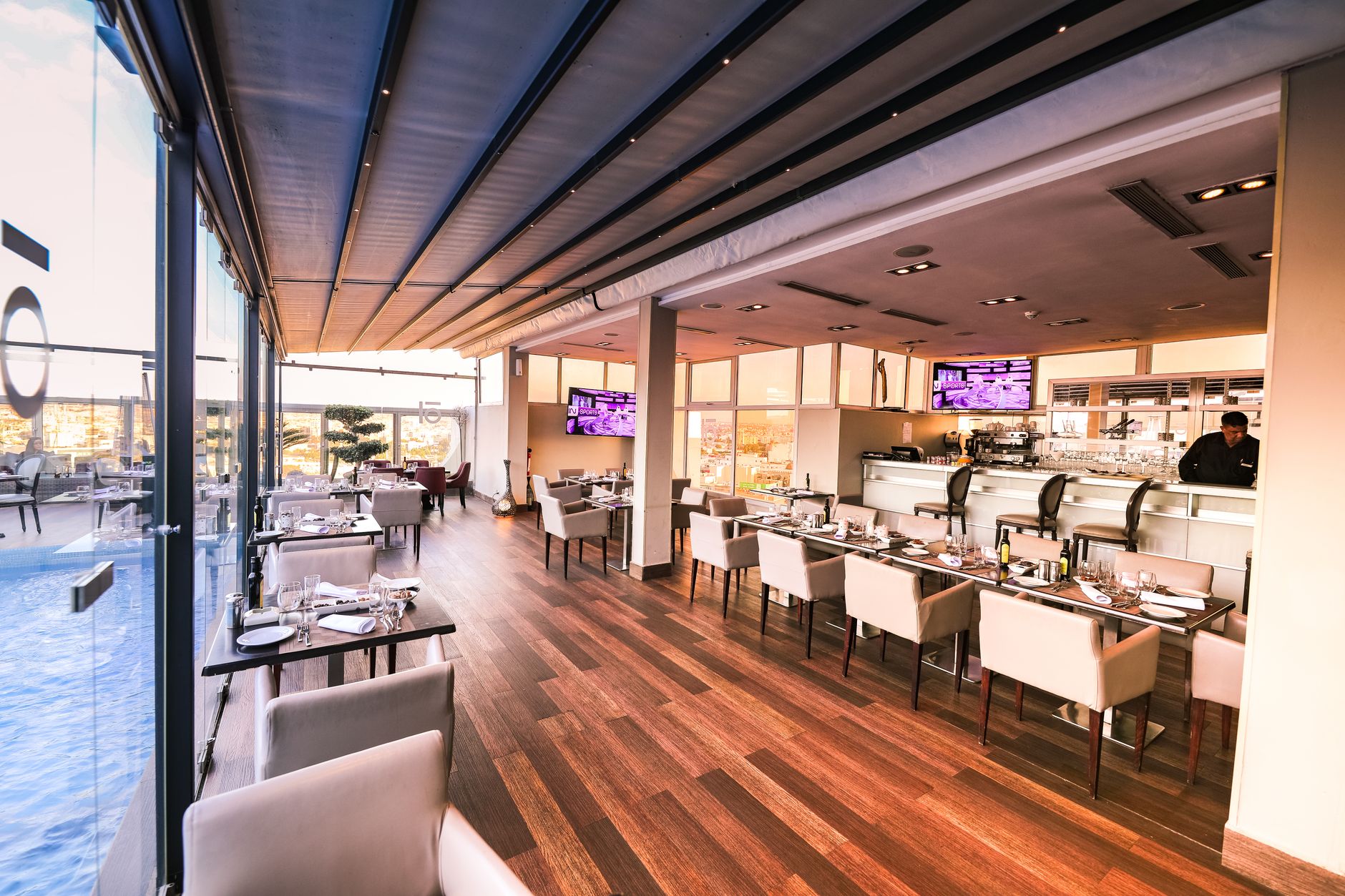
Coverage and food moved, reported over two weeks
Reported figures put the three robots at 18 miles covered per day in total, with more than 3.7 tons of food moved across a reported two week run. The figures are the supplier's account of a working floor.
Distance and tonnage describe coverage. They show how much ground the units covered and how much food they carried. They do not measure labor saved, and this study does not offer a labor figure.
For an operator weighing a lease, that distinction matters. Coverage shows whether the robots can keep pace with a real floor, while the labor question needs a baseline set on the operator's shifts.
What this means for a dining floor
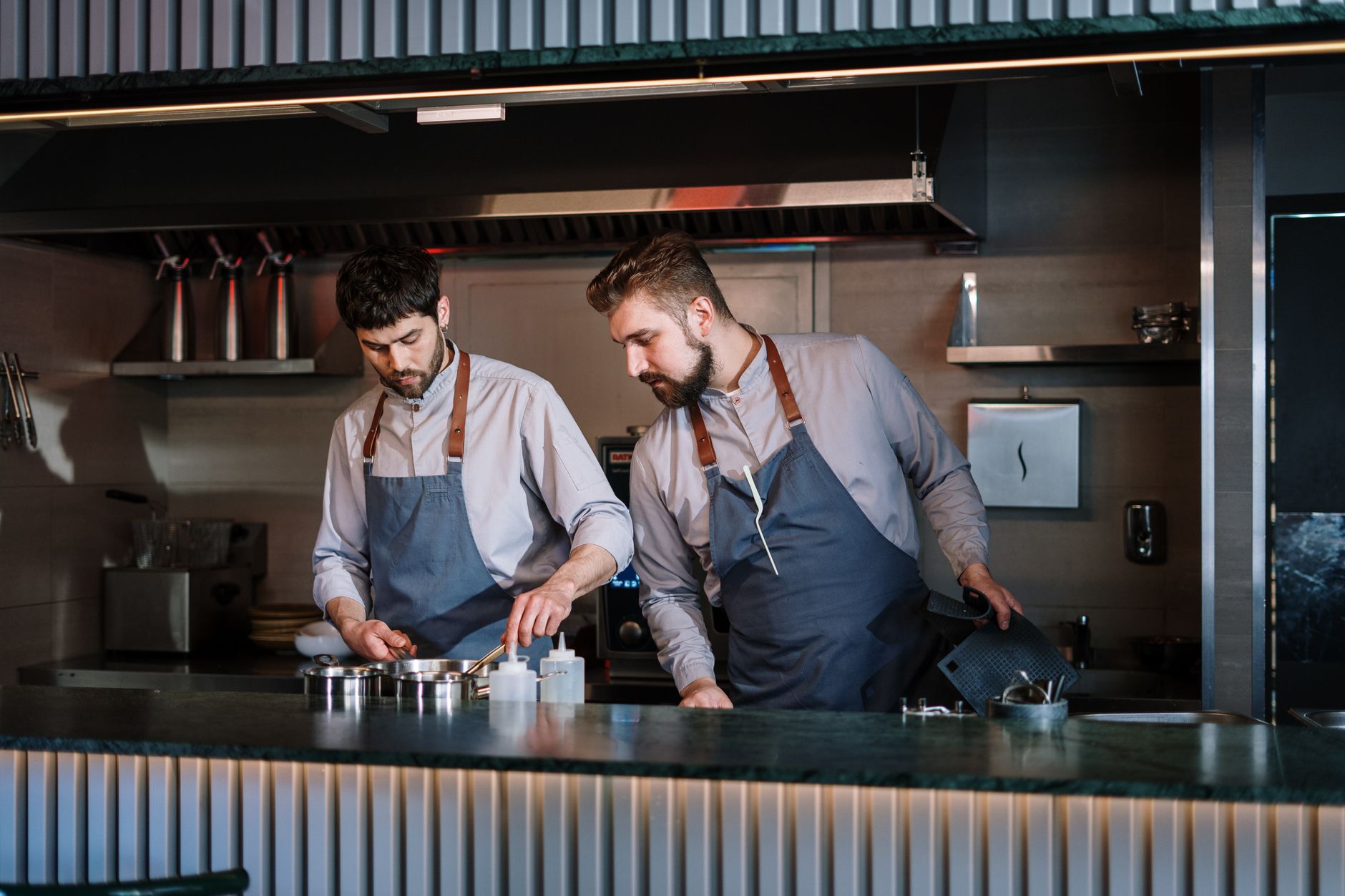
Service Robot Co. is a full service, OEM neutral commercial robot integrator for US businesses. We select the right robots across manufacturers, finance them, deploy and integrate them, train the people who run them, and service every unit through a nationwide US engineer network. One partner, one number, from site walk to the last service call.
A restaurant considering a restaurant delivery robot lease should start with the floor itself. A site assessment maps the room, checks routes and shows how many units the traffic pattern can support, which is the question this study raises most sharply.
Customers lease robots through financing on a three year lease, with one fixed payment quoted after the site assessment. Figures like these give that conversation a useful starting point, and the quote gives an operator a number to weigh against its shift data.
Frequently asked questions
Want a robot working for you?
Tell us the job and the site. We will recommend the robot, quote the lease, and keep it serviced.