
a public golf course in San Francisco
A San Francisco Public Golf Course Estimates 70 Labor Hours Saved a Week on Greens
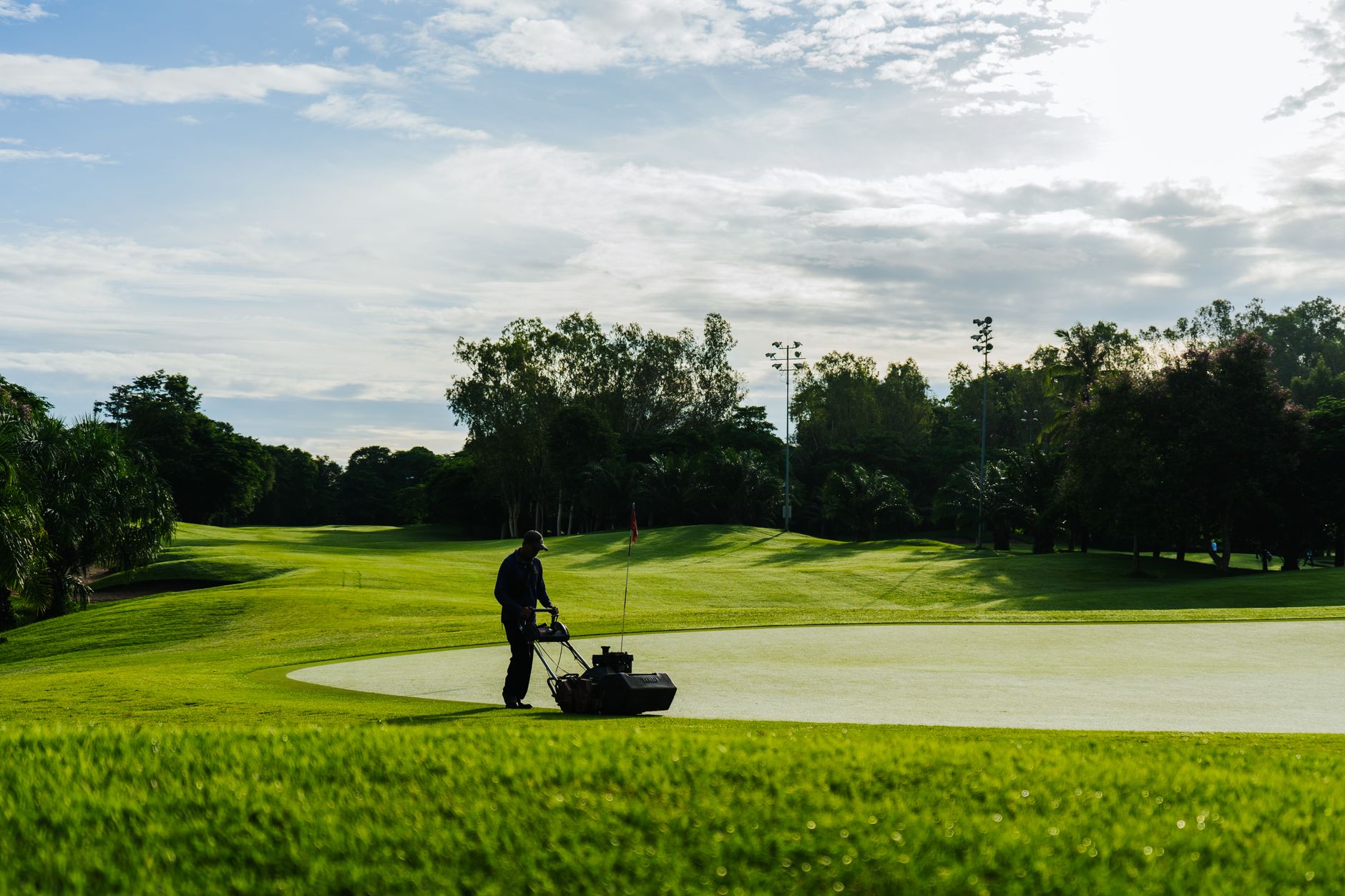
A San Francisco public golf course estimates autonomous greens mowers save about 70 labor hours a week, freeing lean crews for small tasks that went undone.
Deployment at a glance
- About 70
- Labor hours saved a week, club estimate
- 5
- Robots in the course's first fleet
- 15 + 1
- Staff plus a mechanic in the historic crew
- All greens
- Greens later cut by robots
Based on a documented real-world deployment. Figures are from public reporting; the organization is not named.

A Lean Crew and Years of Hiring Trouble
The course historically ran a crew of about 15 staff plus a mechanic. For roughly three years, the superintendent had found hiring difficult, so every unfilled seat pushed the remaining team further across the greens, the fairways and the long list of small jobs that keep a public course presentable.
Public courses rarely have a deep bench to draw on. When a position stays empty, the work does not wait, and the small tasks that make a course feel cared for tend to slide to the bottom of the list, where no one has the hours to reach them.
- Roughly 15 staff plus a mechanic
- About three years of difficult hiring
- Small jobs left waiting for labor
Five Robots First, Then Every Green
The course began with five autonomous greens mowers and later relied on robots to cut all of its greens. Starting with a small fleet let the crew learn the machines and the mowing routes before the robots took on the full workload.
The mowers went into service on May 1. Routine greens cutting moved to the robots, and the crew's hours were pointed at the small tasks it had previously lacked labor to reach, rather than at the mowing itself.
- Begin with a small fleet of five greens mowers
- Let the crew learn the routes and the machines in a phased rollout
- Extend robot cutting until all greens are covered
- Redirect freed crew hours to small tasks left undone
About 70 Labor Hours a Week, Per the Club
The superintendent estimates the robotic greens mowers save about 70 labor hours a week. That is the club's own estimate, and it is the headline measure of this deployment.
The time matters as much as the total. Freed hours went to small tasks the crew previously had no labor for, which is the constraint public courses with lean staffing feel most sharply.
Set against a crew of about 15 staff plus a mechanic, roughly 70 hours a week is a substantial block of labor. It is also the kind of recovered time a superintendent can point to when deciding where the next hour goes.
What a Lease Looks Like for a Course Like This
Service Robot Co. is a full service commercial robot integrator, and we are vendor neutral. We select robots across manufacturers, then lease, deploy, integrate, train and service each unit through a nationwide US engineer network, so a course deals with one partner and one number.
Our commercial robot leasing runs on a three year term, with one fixed robot lease payment quoted after a site assessment. A phased deployment often starts with one leased unit or a small fleet, with spare unit coverage and on site dispatch available when a mower needs attention in peak season.
The course in this study is a documented example we analyze, not a Service Robot Co. client, and nothing here says we ran its program.
Frequently asked questions
Want a robot working for you?
Tell us the job and the site. We will recommend the robot, quote the lease, and keep it serviced.