
a tertiary-care hospital's intensive care unit in Taiwan
A Taiwan Intensive Care Unit Cuts Nurse Logistics Time 81.6%
A Taiwan intensive care unit cut nurse logistics time from 111.34 to 20.43 minutes a day with delivery robots, freeing about 553 hours a year.
Deployment at a glance
- 81.6%
- Drop in nurse logistics time after the robot program
- 553
- Nursing hours released each year
- 20.43
- Minutes of nurse logistics per day, down from 111.34
Based on a documented real-world deployment. Figures are from public reporting; the organization is not named.

Transport runs were pulling nurses away from the bedside
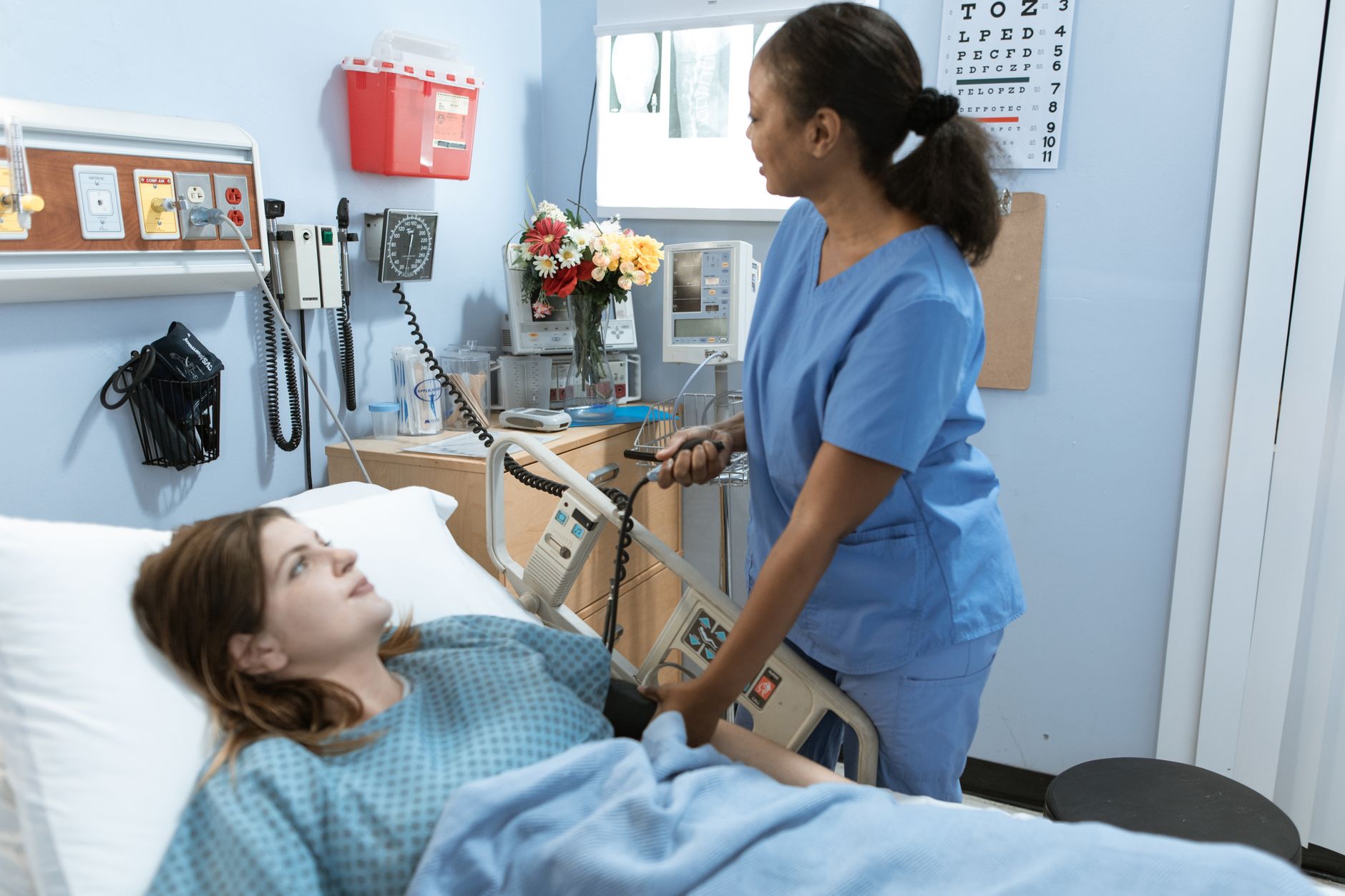
In a tertiary-care hospital's intensive care unit in Taiwan, nurses carried a steady stream of transport tasks on foot. Each run was short, and each one pulled a nurse away from the bedside.
Over time those minutes added up. Before the robot program, nurse logistics time stood at 111.34 minutes a day, measured directly through time-and-motion observation rather than estimated from schedules.
The unit's goal was plain. Give nurses back the minutes spent on logistics, on a busy ICU floor where every interruption carries clinical weight. Delivery robots looked like a fit for routine runs, but a fit on paper still had to be proven on the ward.
A measured rollout with a clear before and after
The program introduced delivery robots for routine transport and treated the rollout as a measured change, not a switch flipped on a Monday. The unit captured a baseline first, so every later figure could be read against the same starting point.
Two measurement methods ran side by side. Time-and-motion observation showed how nurse minutes were spent, while the robots' own task logs recorded what the machines actually did. Together they gave the team a before and after picture that neither source could provide alone.
- Record nurse logistics time before any robot runs
- Assign routine transport runs to the robots
- Compare observed nurse time with robot task logs after launch
Logistics time dropped 81.6%, and the cost trade-off is real
Daily nurse logistics time dropped from 111.34 minutes to 20.43 minutes, a reduction of 81.6%. Across a year, the change released about 553 nursing hours to the unit.
The cost side needs the same candor. The study's own cost analysis finds the incremental cost per nursing hour saved is higher than prevailing wage rates. In plain terms, the robot program does not pay for itself on wages alone.
The case for the program therefore rests on what the released hours can buy in patient care, not on wage savings. That is a judgment about value, and each unit will weigh it against its own staffing and budget.
What this means for a robot lease decision
This is a documented deployment that we analyze. Service Robot Co. did not run this program, and the study is useful for what it teaches about planning a delivery robot rollout, not for any claim about our work.
For a hospital weighing a delivery robot lease, the two numbers to bring to the table are the minutes released and the cost of each hour recovered. We help a site work through both. We select the right delivery robots across manufacturers, handle robot deployment and integration with existing routes, train staff, and service every unit through our nationwide US engineer network.
Our robots are offered on a 3-year lease, with one fixed robot lease payment quoted after a site assessment. The cost is set before the first unit arrives, and a team can start with a robot pilot program on one unit before scaling. One partner, one number, from site review through go live support and service.
Frequently asked questions
Want a robot working for you?
Tell us the job and the site. We will recommend the robot, quote the lease, and keep it serviced.