
an intensive care unit at a hospital in Taiwan
An ICU in Taiwan Cuts Nurse Logistics Time 81.6% With Delivery Robots
An intensive care unit at a hospital in Taiwan handed nurse transport runs to delivery robots, cutting logistics time 81.6% and daily walking 1,505 meters.
Deployment at a glance
- 81.6%
- Cut in nurse logistics time, 111.34 to 20.43 min a day
- 1,505 m
- Less nurse walking distance each day
- 91 min
- Daily nurse logistics time no longer spent on runs
Based on a documented real-world deployment. Figures are from public reporting; the organization is not named.
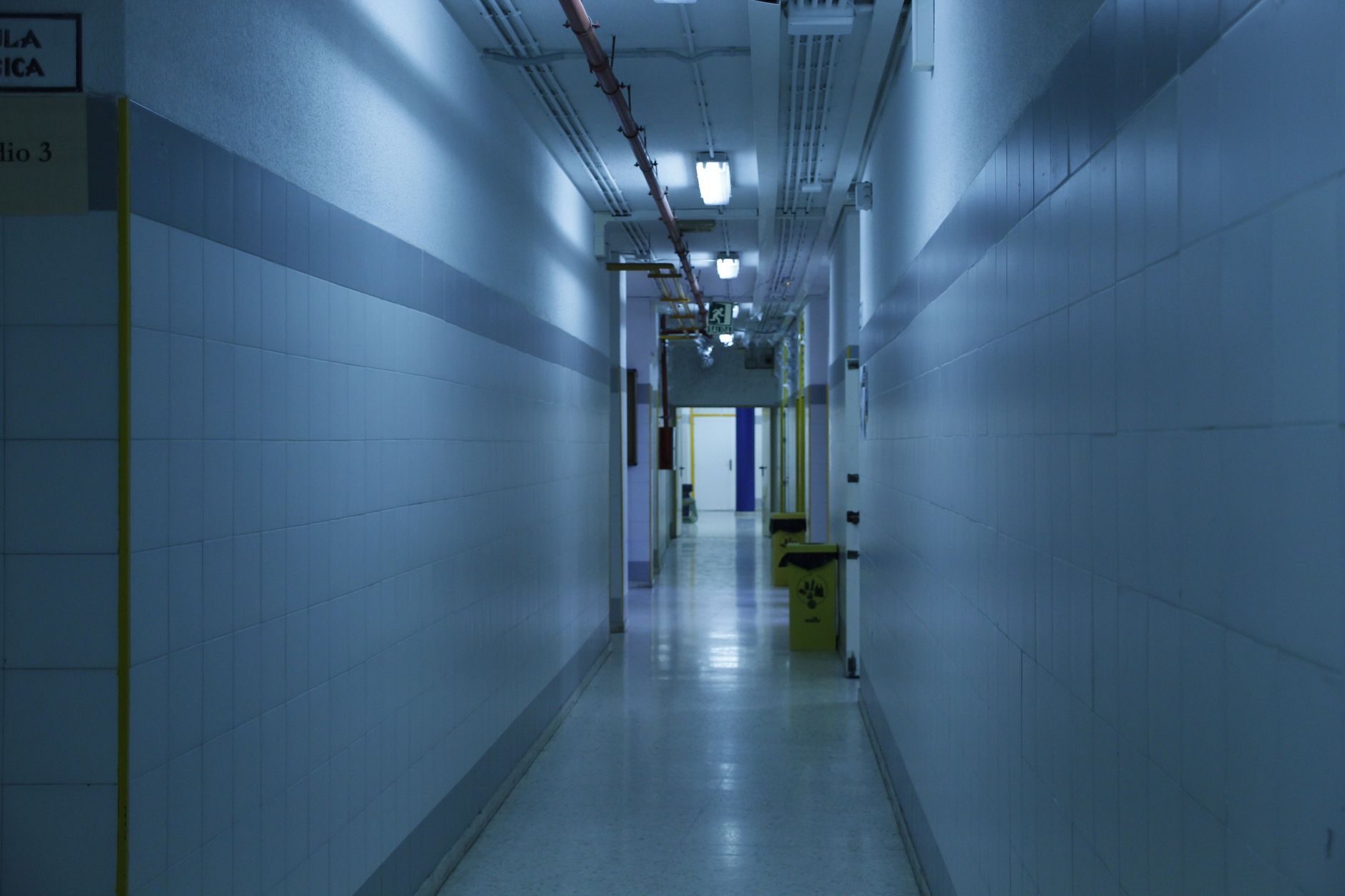
Nurses were the bottleneck at the bedside
Before the robots arrived, nurses in the unit spent 111.34 minutes a day on transport runs. Supplies had to move through the unit by hand, and every trip pulled a nurse away from the patient in the next bed.
Floor space was never the real constraint. The scarce resource was nurse attention at the bedside, and each supply run carried a cost that no floor plan would show.
The question for the unit was how much of that movement could pass to machines without slowing care.
- Nurse logistics time of 111.34 minutes a day before the program
- Daily nurse walking distance that the program later reduced by 1,505 meters
A zone based robot program measured against usual care
The unit ran an automated delivery robot program organized by zones. Robots took over supply transport within those zones, and the comparison was made against usual care, where nurses carried supplies by hand.
Change was tracked two ways: time and motion observation of nurses, and robot task logs. Using both let the timing findings rest on what people did and what the machines recorded.
- Divide the unit into zones and assign robot supply routes within them
- Keep usual care as the comparison, with nurses transporting supplies by hand
- Record nurse time through time and motion observation
- Pull robot task logs to confirm what the fleet actually completed
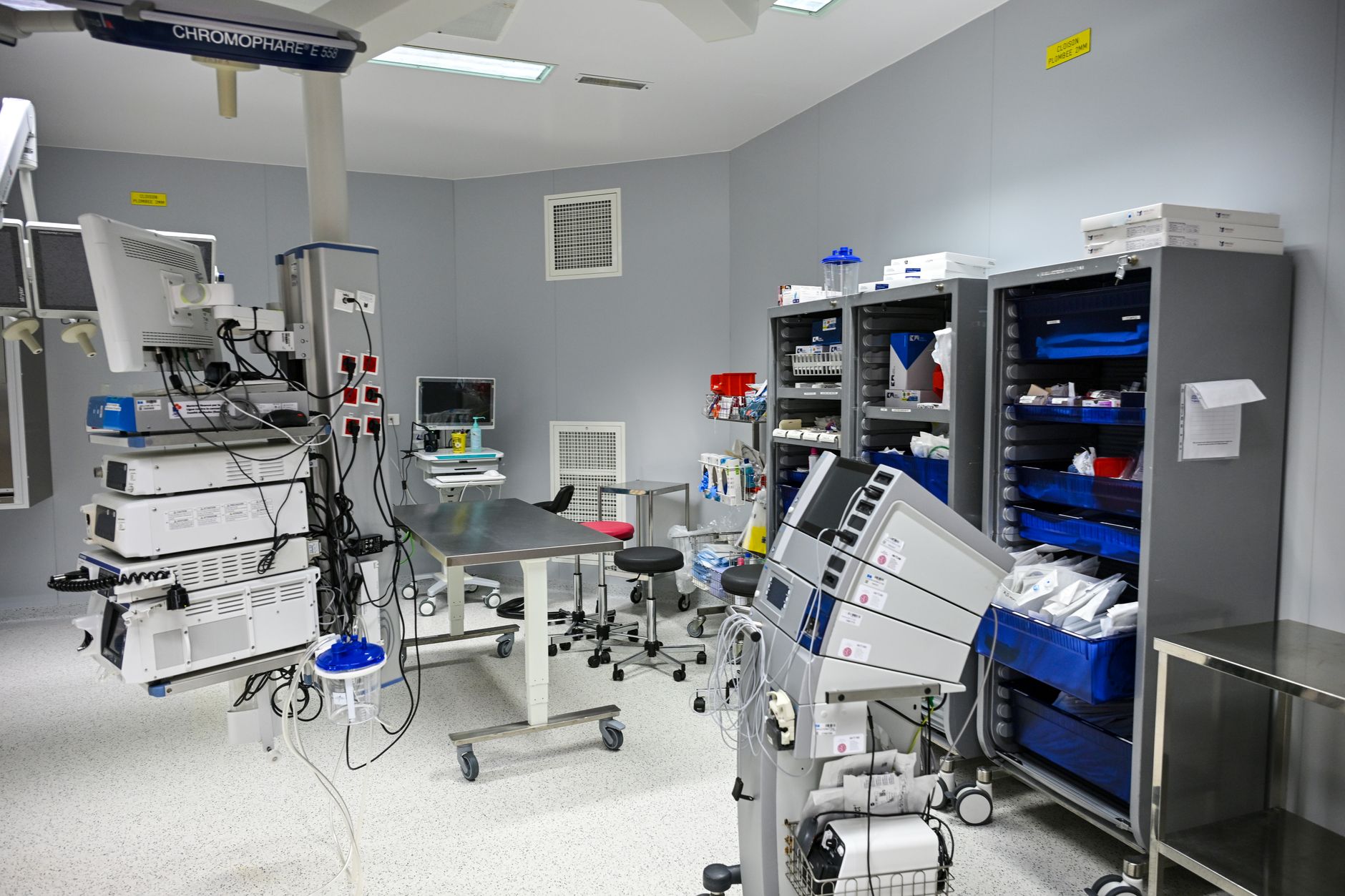
Nurse time came back to the bedside
Nurse active logistics time fell from 111.34 minutes a day to 20.43 minutes, a reduction of 81.6 percent. That leaves about 91 minutes a day that no longer went to transport runs.
Daily walking distance fell by 1,505 meters. For nurses, that is a measurable slice of a shift spent moving instead of tending.
The cost side is less tidy. The modeled cost per nursing hour saved came out above prevailing wage rates. The authors argue that the freed time may still support better allocation to patient care.
The economics were modeled from the hospital perspective, using a seven year equipment life and a 3% discount rate.
What this means for a robot lease decision
Service Robot Co. is an OEM neutral commercial robot integrator for US businesses. We pick the right robots across manufacturers, then arrange financing, deploy, integrate, train, and service every unit through a nationwide US engineer network. The ICU described here is a documented case we analyze, not one of our deployments.
The lesson that carries across sectors is that the return often sits in staff hours returned, not in floor space. Hospitals weighing a hospital delivery robot lease, a medication transport robot, or meal tray transport work face the same arithmetic: start with the hours your staff actually lose.
We offer leases only. Our three year lease carries one fixed robot lease payment, quoted after a site assessment, so route planning and robot selection come before any number. Robot lease options and service robot leasing are worth comparing on that basis.
Frequently asked questions
Want a robot working for you?
Tell us the job and the site. We will recommend the robot, quote the lease, and keep it serviced.