
a Texas school district of about 24,500 students
A Texas School District Moves Nightly Floor Scrubbing to Autonomous Robots
A Texas school district of about 24,500 students moves nightly floor scrubbing to autonomous scrubbers, and what that asks of custodial teams.
Deployment at a glance
- 24,500
- students in the Texas school district profiled
- Nightly
- floor scrubbing routes run after the school day
- Autonomous
- scrubbers cover corridors and common areas without a rider
Based on a documented real-world deployment. Figures are from public reporting; the organization is not named.
A large campus and a short window
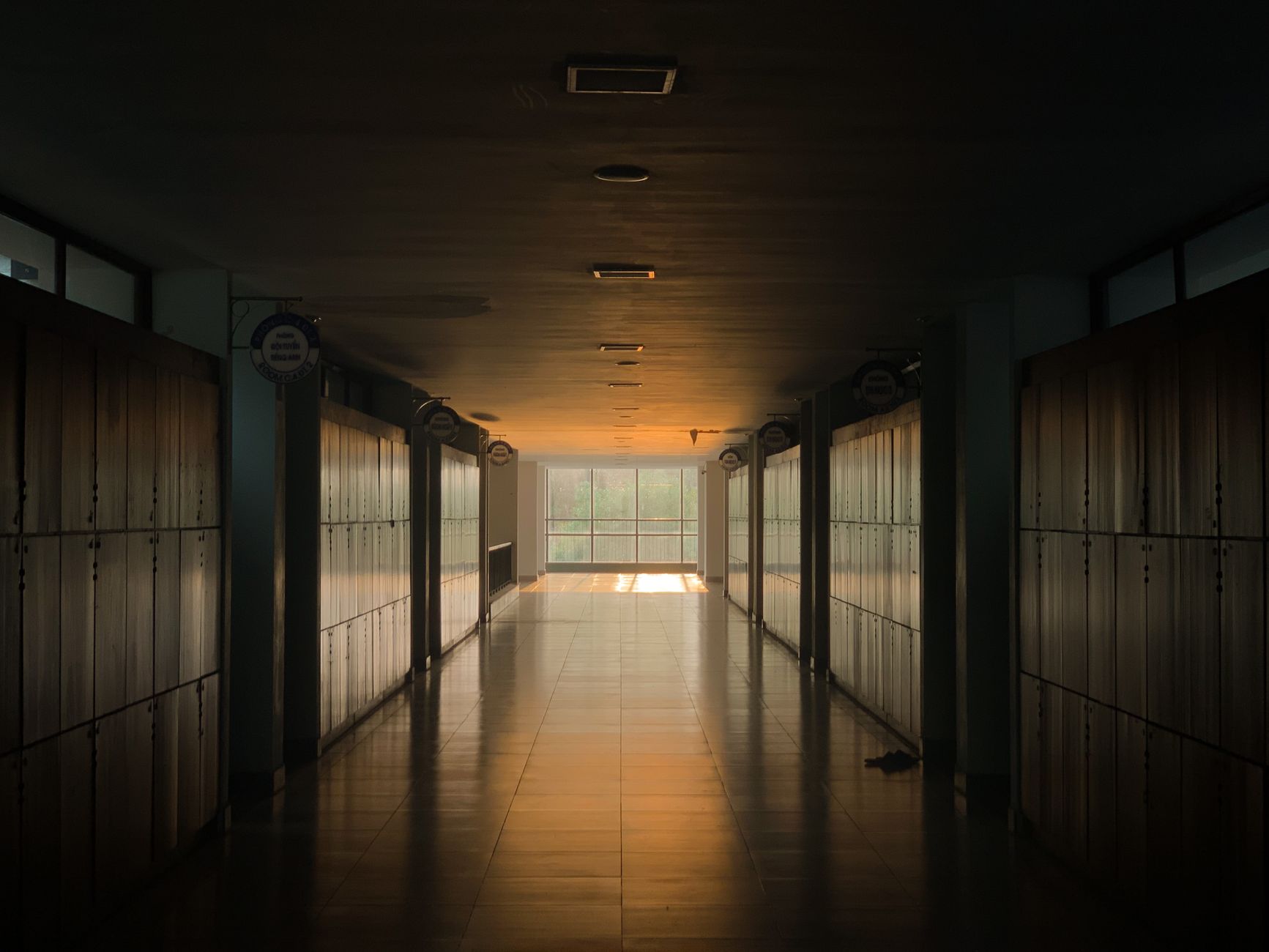
A district of roughly 24,500 students runs a wide footprint of classrooms, gymnasiums, corridors and cafeterias, and every floor has to be ready when the first bell rings. Floor care at that scale is less a single job than a rotating schedule of overlapping passes. The hours after dismissal are the only stretch when crews can work without getting in the way of students.
Custodial teams had long covered that window with push equipment and ride on machines. The work is physically heavy, it repeats night after night, and it competes with trash runs, restroom checks and evening event setups that land on the same people.
- Large square footage spread across several buildings and levels
- A narrow window between dismissal and evening activities
- Repetitive scrubbing that ties up skilled custodial hours
- Pressure to keep floors safe without adding overtime
Repeatable routes first, supervised starts, then expansion
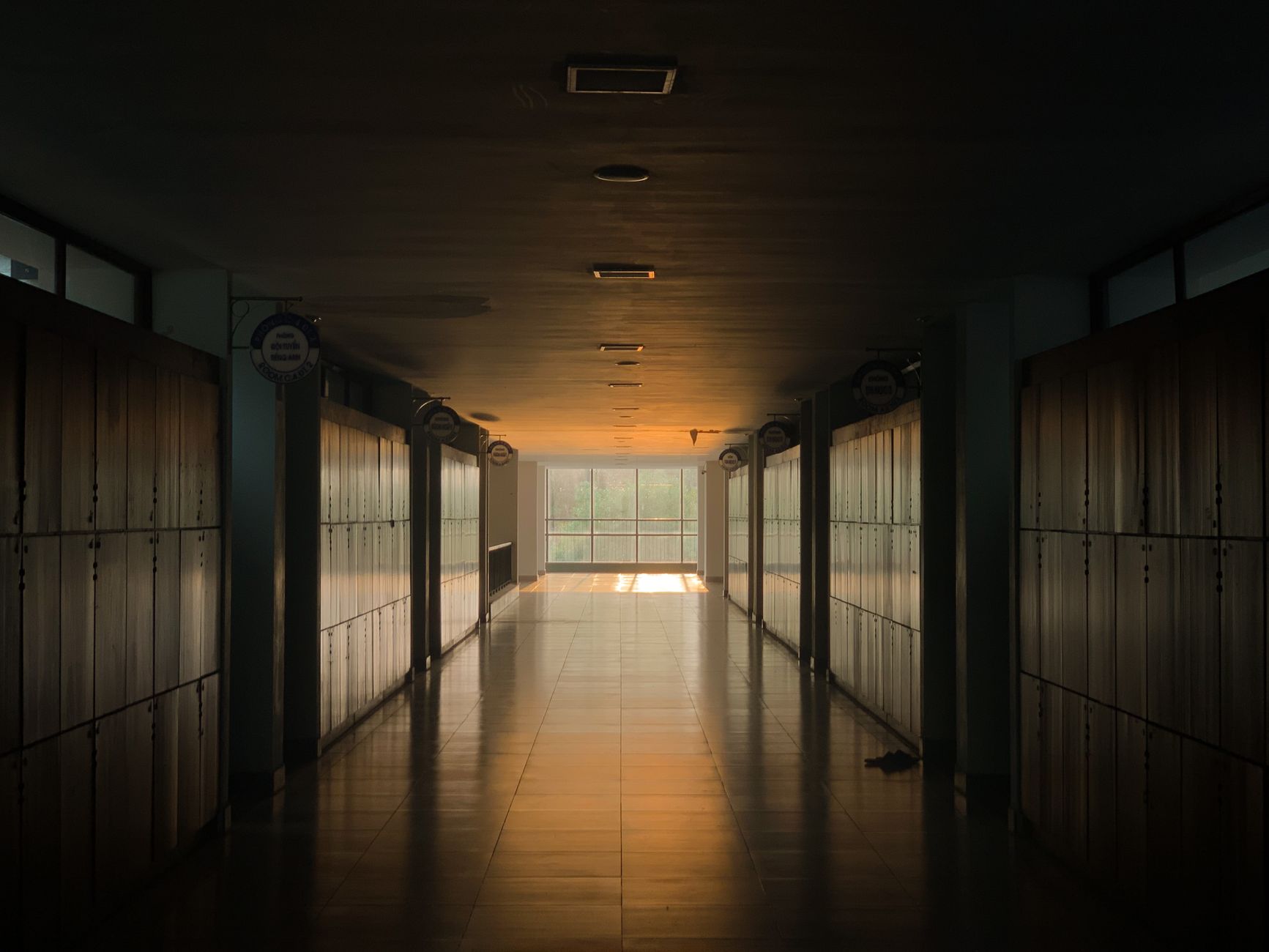
The district did not try to automate every room at once. Staff first picked corridors and common areas where a scrubber could follow the same path each night, then mapped those routes and marked the spots where furniture, doors and foot traffic would need care.
Supervised first runs came before any unattended operation. Once the early routes ran cleanly, coverage grew to more hallways and shared spaces, and the existing crew stayed in charge of the building throughout.
- Site survey and route mapping of the nightly floor plan
- Phased start with a small set of repeatable corridors
- Operator training on job starts, status checks and interruptions
- Supervised first runs before routes were set to run unattended
- Expansion to additional areas only after routes proved steady
What changed on the night shift
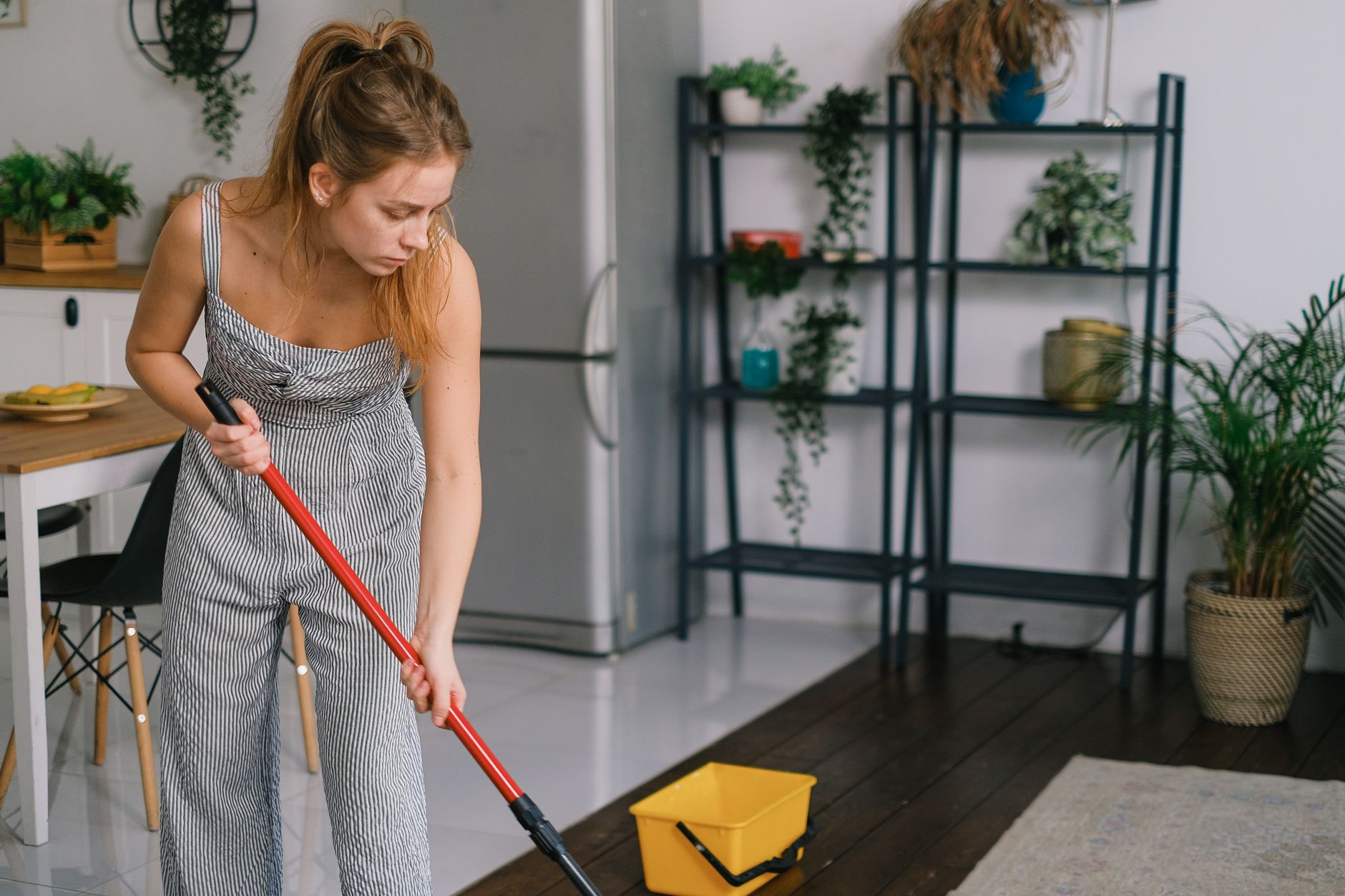
As reported by the supplier, the scrubbers took over the routine nightly passes, and the time custodial staff had spent on them could go toward other work across the building.
The most visible change was in how the night was spent. Floor passes that had filled the shift could be handed to a machine, which left people free for detail work a scrubber cannot do, such as restroom restocking, spot cleaning and preparing rooms for the morning.
How a lease fits a district floor plan
Service Robot Co. is a full service, vendor neutral robot integrator for US businesses. We select the right robots across manufacturers, then lease, deploy, integrate, train and service every unit through a nationwide US engineer network, so one partner handles the whole lifecycle.
For a district weighing an autonomous floor scrubber lease, the first step is a site assessment. That assessment maps the routes and sets one fixed lease quote, offered on a three year term with maintenance included and on site dispatch when a unit needs attention. Our robots arrive on a lease, and go live support follows the first runs.
Frequently asked questions
Want a robot working for you?
Tell us the job and the site. We will recommend the robot, quote the lease, and keep it serviced.