
a U.S. Air Force warehouse on a desert flight-test base
A Desert Flight Test Base Warehouse Frees Staff Time From Floor Cleaning
A U.S. Air Force warehouse on a desert base hands routine floor cleaning to an autonomous scrubber, reporting 5,000+ hours of manual cleaning saved to date.
Deployment at a glance
- 5,000+
- Hours of manual cleaning saved to date, per base reporting
- 13,000
- Square feet one scrubber covers
- 2 hours
- Time needed to cover that floor
Based on a documented real-world deployment. Figures are from public reporting; the organization is not named.
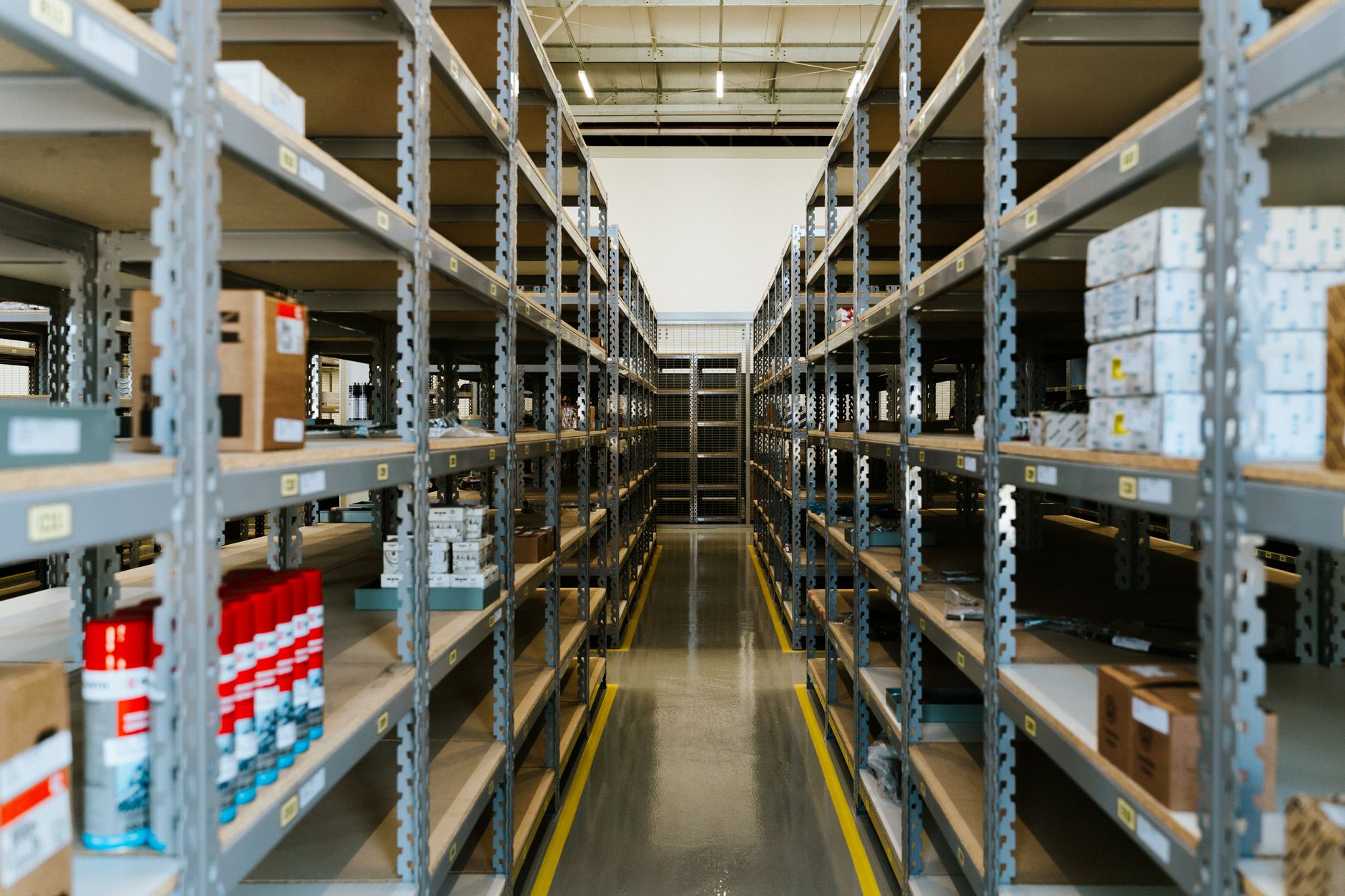
Routine floor cleaning competes with the work a warehouse exists to do
A warehouse on a desert flight test base carries a quiet cost that is easy to overlook. Its floors need regular cleaning, and every hour spent on that work is an hour taken from the tasks that keep materiel moving through the building.
Manual scrubbing is repetitive and physically demanding. Crews push the same aisles on a fixed schedule, and the coverage they achieve depends on how many people are free to do it that day.
The team wanted routine cleaning handled consistently, without pulling staff from core work, across a floor large enough that coverage gaps matter.
- Routine cleaning draws on staff hours that the warehouse needs elsewhere
- Repetitive floor passes are hard to keep consistent by hand
- A large floor area makes full coverage slow to achieve manually
One autonomous scrubber takes over the routine passes
The warehouse team moved routine floor cleaning to an autonomous floor scrubber, a machine that runs its route without an operator steering it. The base describes the change as part of a wider effort to upgrade its warehouses with new systems.
Before routine passes begin, the scrubber's sensors map the floor's dimensions. That mapping is the groundwork for a reliable route, because the machine needs to know the shape of the space it is working in.
The project drew attention beyond the warehouse. Air Force leaders who focus on new ideas visited it, and the command's integration chief said the intent was to carry many of its ideas across the command and, eventually, across the Air Force.
- Team moves routine floor cleaning from manual work to the autonomous scrubber
- Sensors map floor dimensions ahead of routine cleaning passes
- Leaders visit the project and aim to spread its ideas across the command
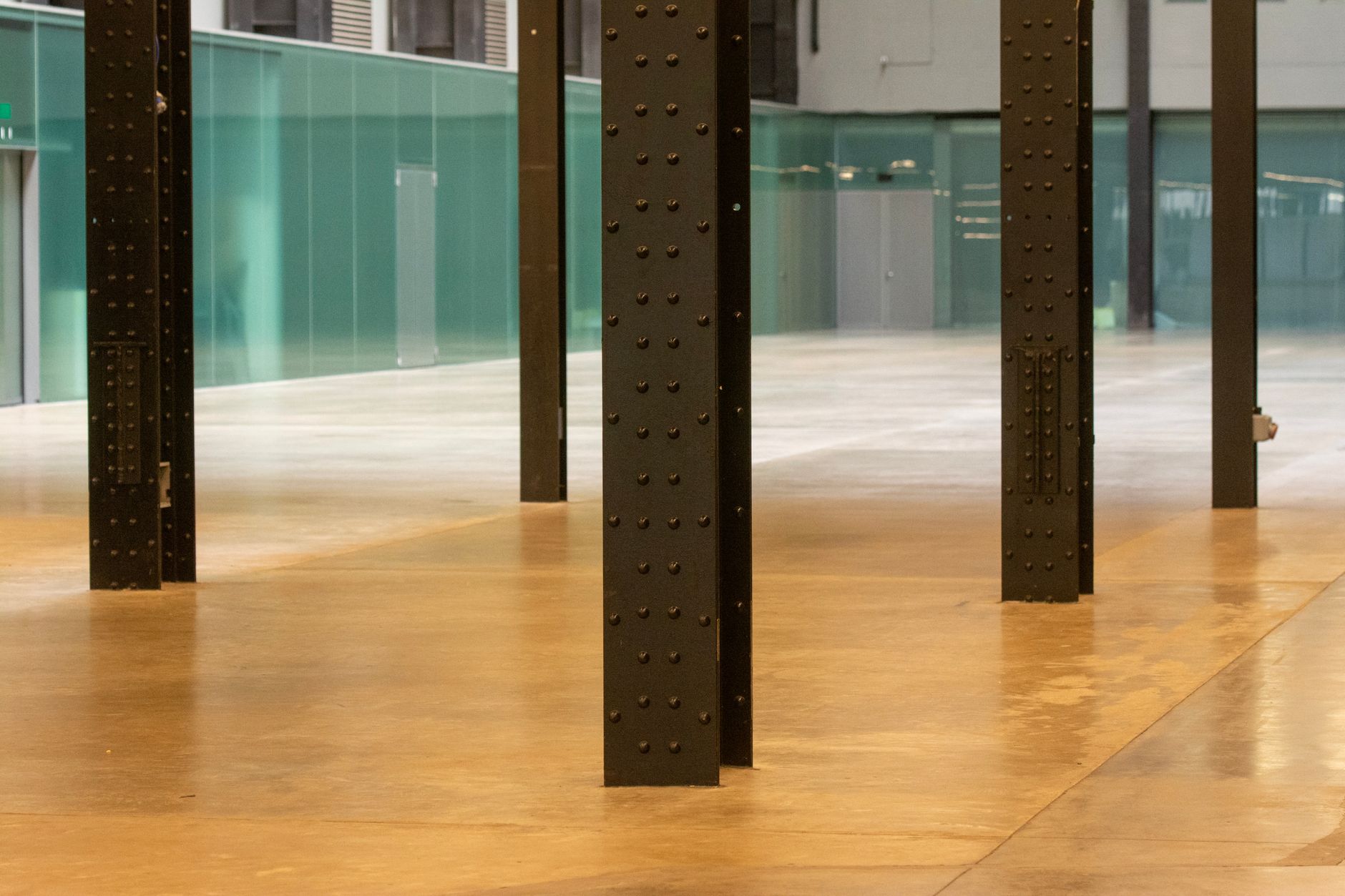
More than 5,000 hours returned from manual cleaning
Base reporting credits the scrubber with more than 5,000 hours of manual cleaning saved to date. That is a running total, so it measures the time released since the machine went to work, not a single year's output.
Coverage is the other measure the base describes. The scrubber can cover the warehouse's 13,000 square feet in about two hours, a concrete figure for judging how much floor care time a machine of this kind can absorb.
Treat these outcomes as the record of one building. A warehouse with a different layout, traffic pattern or floor surface will need its own mapping and its own estimate of released hours.
What facility teams can take from this deployment
Service Robot Co. is a full service, vendor neutral commercial robot integrator for US businesses. We select the right robots across manufacturers, then finance, deploy, integrate, train and service every unit through a nationwide US engineer network, so one partner covers the whole lifecycle.
For a warehouse weighing an autonomous floor scrubber lease, the first step is a site assessment that maps the space and shapes the terms. Service Robot Co. leases robots through financing on a three year lease, with one fixed robot lease payment quoted after that assessment.
This study describes another organization's deployment. It shows what one scrubber can do in a large warehouse, and a site assessment is how a facility learns what the same machine would do on its own floor.
Frequently asked questions
Want a robot working for you?
Tell us the job and the site. We will recommend the robot, quote the lease, and keep it serviced.