
a hospital in Asia, public-area floor cleaning
A Hospital in Asia Redeploys 189 Mopping Hours to Toilet Cleaning
A hospital in Asia reports 189 staff hours a month redeployed from public area mopping to toilet cleaning after adopting a cleansing robot. Robot lease notes.
Deployment at a glance
- 189
- Man hours a month moved off public area mopping
- 6 to 8
- Daily cleaning rounds on G/F and 1/F, as reported
- 1,800 L
- Average monthly water use before the robot
- Oct 2020
- Cleansing robot introduced for corridor mopping
Based on a documented real-world deployment. Figures are from public reporting; the organization is not named.
Repetitive mopping eating into staff time
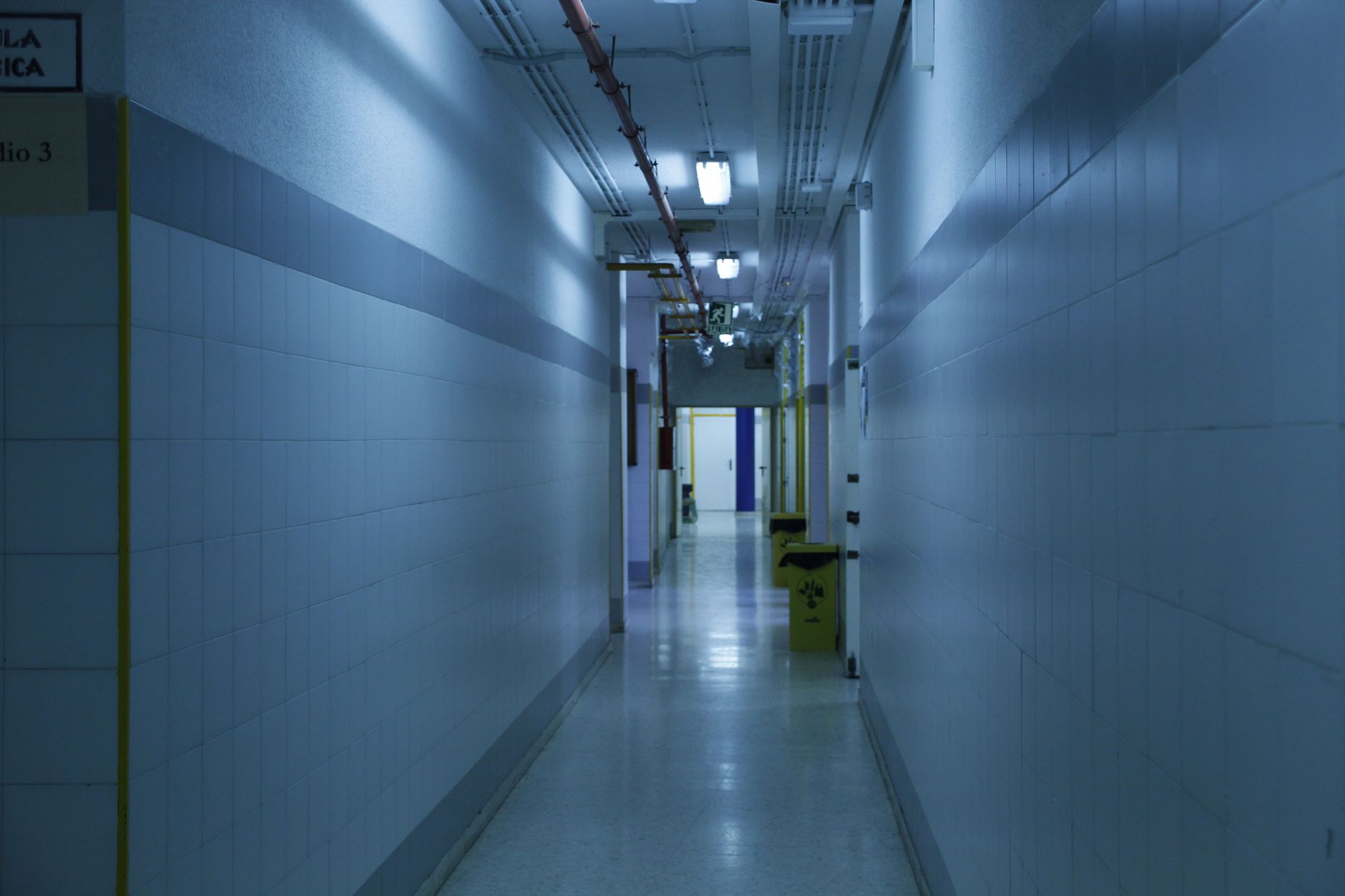
Public areas of a hospital never stop needing attention. Corridors and common floors take foot traffic from patients, visitors and staff from early morning, and the mopping that keeps them presentable is repetitive, physical and easy to fall behind on.
Before the robot, public area mopping during office hours consumed 189 man hours a month. That time came from the same workforce that handled other labor intensive duties, so every hour spent on floors was an hour not spent elsewhere.
Water was part of the picture too. Average use before the robot ran at 1,800 L a month, and cleaning frequency on the ground and first floors sat at six rounds a day.
Handing the corridors to a cleansing robot
The hospital introduced a cleansing robot in October 2020 with one clear job: take over the repetitive corridor mopping that had filled staff schedules. Floor work moved to the machine, and people moved to the tasks that still needed a person.
Freed time was not left idle. The hours were redeployed to public toilet cleaning, and cleaning frequency on the ground and first floors rose from six to eight times a day.
- October 2020: cleansing robot takes over repetitive corridor mopping
- Staff hours released from public area mopping move to public toilet cleaning
- Cleaning frequency on G/F and 1/F rises from six to eight times a day
Hours moved, frequency raised
The hospital reported that 189 man hours a month, previously spent on public area mopping, were redeployed to public toilet cleaning once the robot took over floor work. That is the headline result, and it describes staff time moved to other work rather than positions removed.
Cleaning frequency on the ground floor and first floor rose from six to eight times per day, giving those public spaces more frequent attention. Average water use before the robot stood at 1,800 L a month.
What a lease program adds to a deployment like this
Service Robot Co. is a full service, vendor neutral commercial robot integrator for US businesses. We select the right robots across manufacturers, then finance, deploy, integrate, train and service every unit through a nationwide US engineer network, so one partner handles the whole lifecycle. Our offer is lease only: a three year lease with one fixed robot lease payment, quoted after a site assessment.
The question that opens a project like this is simple: which floor work goes first, and where do the freed hours go? A site assessment maps corridors, traffic and cleaning rounds, so the commercial cleaning robot leasing terms reflect the real floor plan. The same approach suits a US hospital, school or warehouse with busy shared floors.
Lease financing programs, deployment and integration, and training run through one proposal. Service comes from the same nationwide US engineer network, so one partner answers for both the deployment and the service that follows.
Frequently asked questions
Want a robot working for you?
Tell us the job and the site. We will recommend the robot, quote the lease, and keep it serviced.