
an English golf club that added robotic mowing to its routine cutting
An English Golf Club Hands Routine Fairway Cutting to Robot Mowers
How an English golf club moved routine fairway cutting to robotic mowers, what the club reports about crew time, and what it means for robot leasing.
Deployment at a glance
- Fairway
- Routine cutting now handled by robotic mowing
- Crew time
- Club reports freed hours moved to course refinement
- Mower life
- Existing fairway mower life expected to extend
Based on a documented real-world deployment. Figures are from public reporting; the organization is not named.
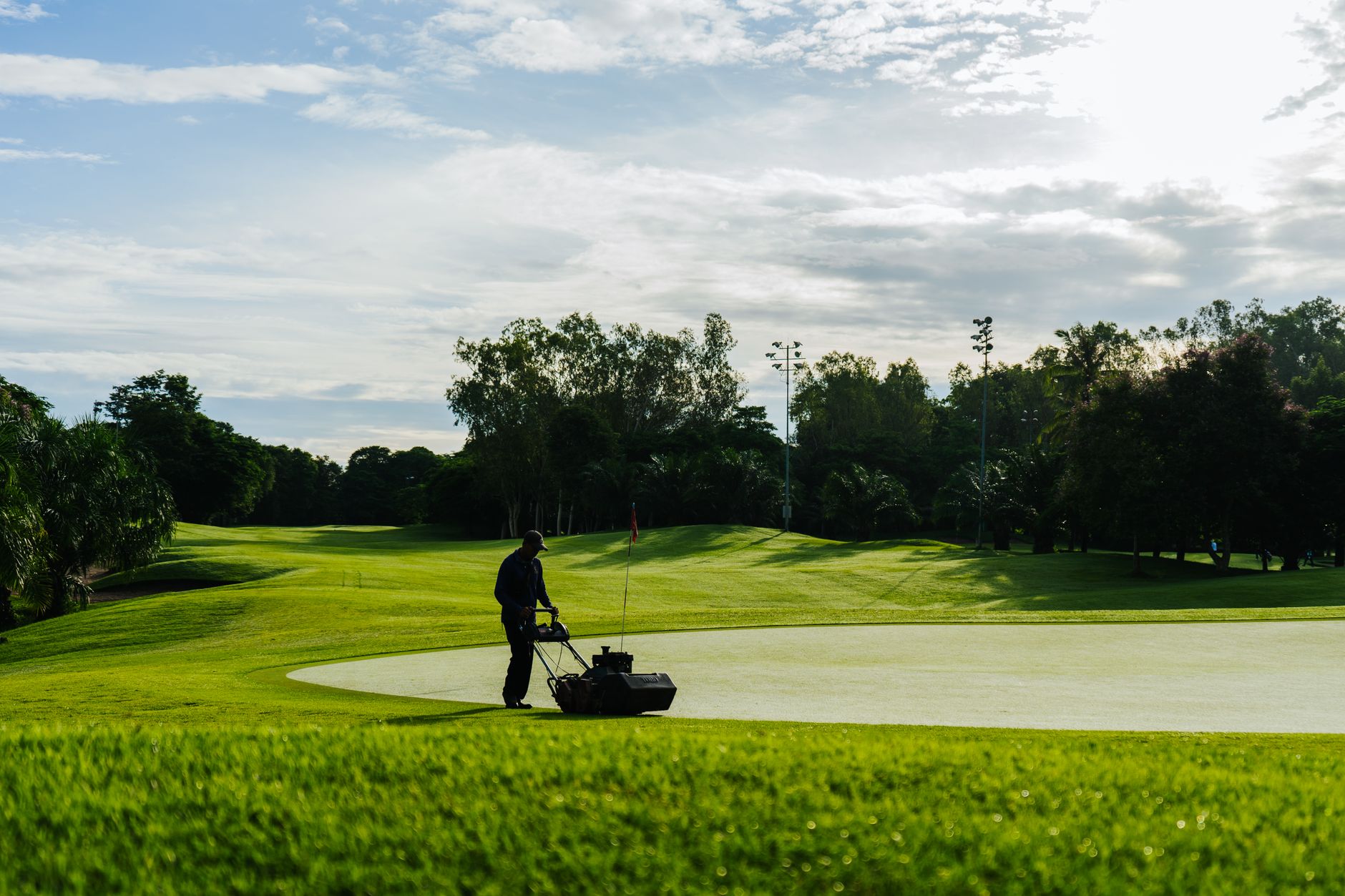
Routine cutting that never lets up
Fairway cutting repeats on a fixed rhythm through the growing season. Every pass draws on the same small crew that also has greens, bunkers and surrounds to attend to, so routine mowing can claim the hours a course manager would rather spend on the features players notice most.
The club's concern was not the quality of the cut. It was the hours. When the mower is always running, the people who run it are always tied to it, and course improvement work tends to slide to the margins of the week.
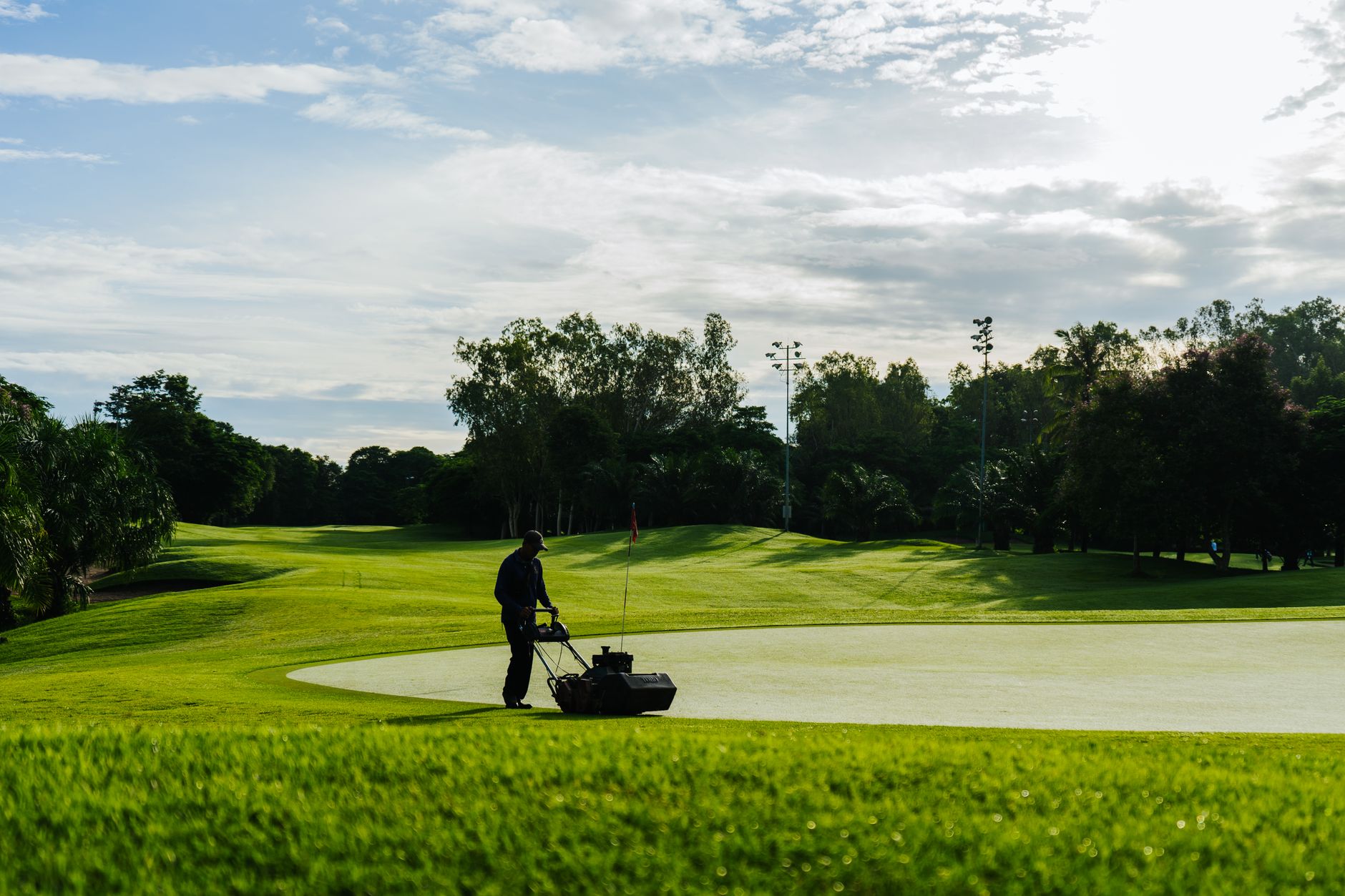
Handing the routine pass to robots
The club added robotic mowing to its routine cutting rather than rebuilding its whole maintenance operation. The robotic units took over the repetitive fairway passes, and the existing fairway mower stayed in service alongside them.
Most of the planning effort in a rollout like this goes into the site and the people. The course has to be mapped, boundaries and hazards set, and the crew trained to supervise, charge and check the units. These are the steps a club of this kind typically works through, and they set the pace of any rollout.
- Site assessment and mapping of fairways, boundaries and obstacles
- Selection of robotic mowing units suited to the course layout
- Crew training on supervision, charging and daily checks
- Routine service and fault response through the season
What the club reports
The club reports that once routine cutting moved to the robots, crew time that had been locked into mowing was freed and redirected into course refinement. This is the club's own account of how the work changed, and it sits at the center of the story.
The course manager also expects the life of the existing fairway mower to be extended, since the robots now take on routine passes the mower used to carry. That is a forecast from the course manager rather than a settled result, and it is worth tracking across the seasons ahead.
The open question is what the crew now does on greens and bunkers. Hours moved off the fairways only mean something once they are tied to specific course work, so that is the detail to watch in any account of this kind.
What this means for US course and grounds operators
Service Robot Co. is a US integrator that works across manufacturers. We help a business select the right robot for its ground, then lease it, deploy it, integrate it, train the crew and service every unit through a nationwide US engineer network. For a course, that means one partner for the whole lifecycle instead of a separate vendor for each step.
We offer commercial robot leasing only, through financing on a 3-year lease. The customer receives one fixed payment, quoted after a site assessment, so the budget is known before the first unit runs. On-site dispatch and a robot maintenance service plan keep the units working through the season instead of waiting on a separate service call.
A club like the one in this study shows the questions that matter before any lease is signed: where the boundaries sit, which areas the robots should leave alone, and what the crew will do with the hours it keeps.
Frequently asked questions
Want a robot working for you?
Tell us the job and the site. We will recommend the robot, quote the lease, and keep it serviced.