
a hospital intensive care unit in Taiwan
A Taiwan Hospital ICU Trims Nurse Transport Time 81.6% With Delivery Robots
How a hospital intensive care unit in Taiwan cut daily nurse logistics time 81.6 percent with delivery robots, plus walking and cost per nursing hour.
Deployment at a glance
- 81.6%
- less active nurse logistics time per day in one ICU
- 20.43 min
- daily nurse logistics time, down from 111.34 minutes
- 1,505 m
- less daily walking distance for nursing staff
- NT$2,984
- cost per nursing hour saved, hospital perspective
Based on a documented real-world deployment. Figures are from public reporting; the organization is not named.
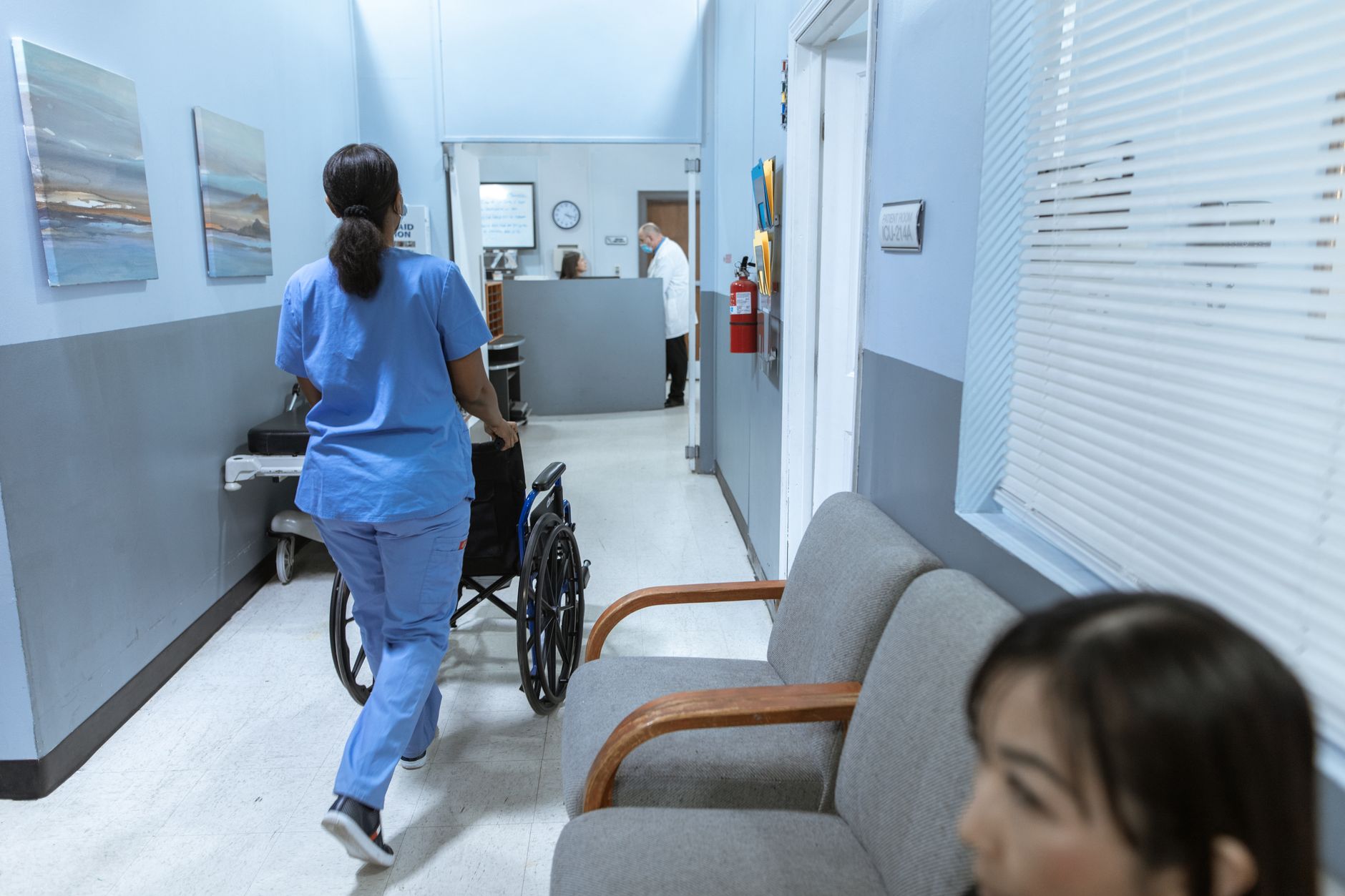
Transport Work Pulled Nurses Away From the Bedside
Nurses in a hospital intensive care unit in Taiwan were spending about 111 minutes a day on transport tasks. Every run carried a nurse away from the bedside, and the walking between rooms added up across each shift.
Manual transport also meant the unit's logistics depended on whichever nurse happened to be free. The program was judged on two counts: what that nursing time was worth, and what it could return to direct patient care.
A Zone Based Robot Program Replaced Manual Runs
The unit moved to an automated delivery robot program built on a zone based deployment, not a single fixed route. Nurse transport was then compared directly against a robot assisted logistics model, so the program was measured against the work as it was really done.
Costs were annualized over a seven year equipment life at a 3% discount rate. Both one way and probabilistic sensitivity analyses tested how much the conclusions moved when key inputs shifted.
- Zone based deployment across the ICU
- Manual nurse transport as the comparison
- Annualized costs over a seven year equipment life
- 3% discount rate applied to costs
- One way and probabilistic sensitivity analyses
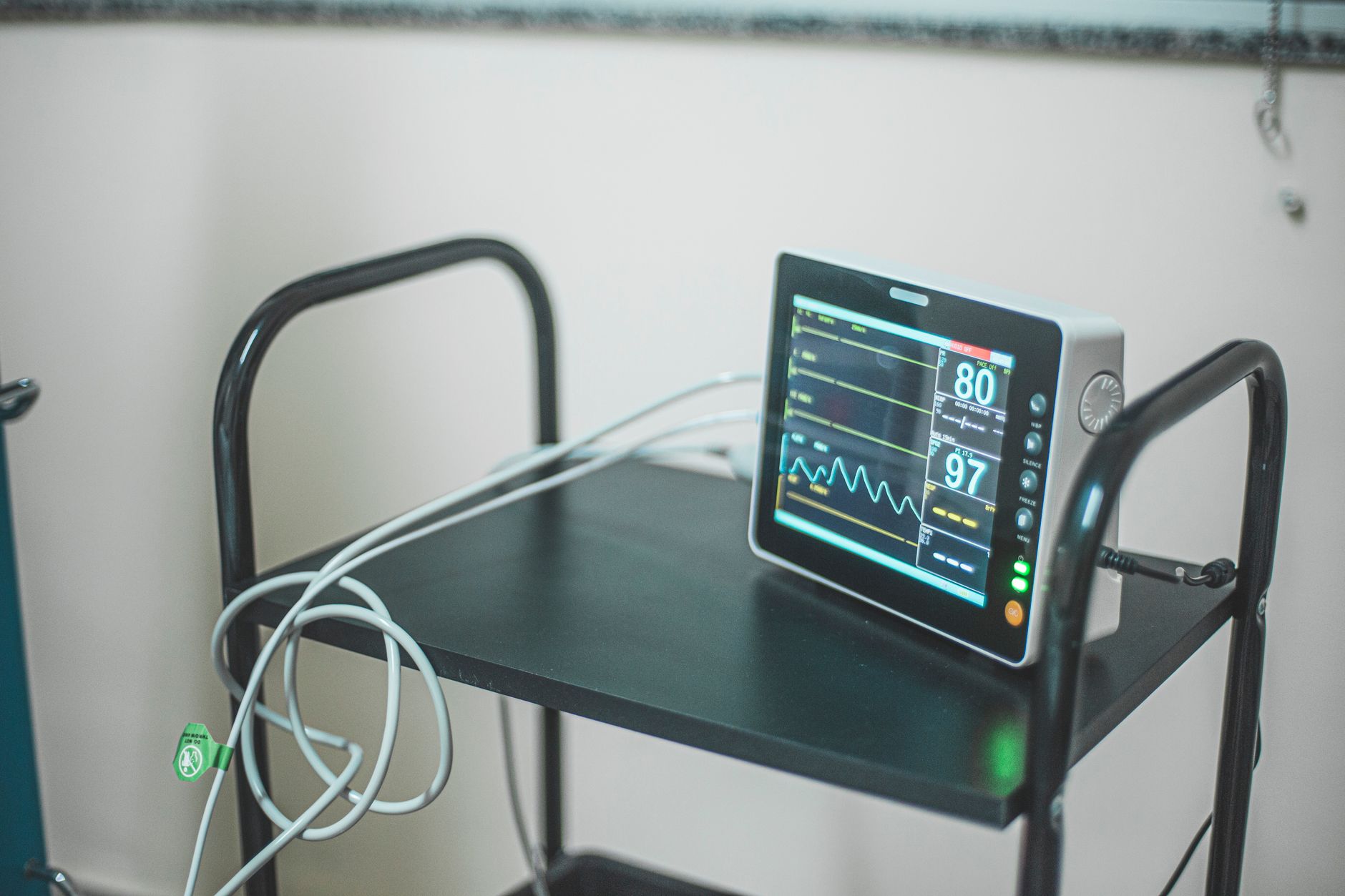
Nurse Logistics Time Fell 81.6%
Active nurse logistics time dropped from 111.34 minutes a day to 20.43 minutes, an 81.6% reduction. That time went back to the nurses who had been doing the running, and it is the figure the rest of the findings rest on.
Daily walking distance fell by 1,505 meters. For nurses on their feet through a long shift, that difference shows up in the body long before it shows up in a spreadsheet.
The cost side is more mixed. The cost per nursing hour saved came to NT$2,984 from the hospital perspective, with an annualized program cost of about NT$1.65 million. The program's reading was that this sits above prevailing wage rates, so the case depends on what the freed time supports, namely more direct patient care and a more sustainable nursing workforce.
What This Means for a Hospital Weighing Delivery Robots

The Taiwan program is separate from our work, and nothing here describes a Service Robot Co. installation. What it does show is the shape of a sound case: a clear transport baseline, a direct comparison with manual runs, and a cost figure tied to hours a hospital can actually redeploy.
Service Robot Co. is a full service, vendor neutral robot integrator for US businesses. We select the right robots across manufacturers, then lease, deploy, integrate, train, and service every unit through a nationwide US engineer network. One partner, one number, from site assessment to go live support.
A hospital delivery robot lease starts with a site assessment that maps corridors, elevators and staffing routes. Our commercial robot leasing terms are a three year lease with one fixed payment, quoted only after that assessment. A site can start with one leased unit and widen the fleet only if the measured routes justify it.
The same logic carries to a medication transport robot or a meal tray transport route. Those are the questions we answer first, because they decide whether the freed minutes land where the hospital needs them.
Frequently asked questions
Want a robot working for you?
Tell us the job and the site. We will recommend the robot, quote the lease, and keep it serviced.