
a group of Moscow hospitals spread across several buildings
Rover Robots Return Over 3,500 Staff Hours on a Moscow Hospital Campus
Rover robots took over routine walking between buildings at several Moscow hospitals, saving over 3,500 staff hours since March. Here is the rollout.
Deployment at a glance
- 3,500+
- Staff hours previously spent walking between buildings
- 6
- Rover robots working across two Moscow hospitals
- About 8,000
- Deliveries made inside the hospitals since March
- 71%
- Staff rating the robots positively in a May survey
Based on a documented real-world deployment. Figures are from public reporting; the organization is not named.
Staff time lost between buildings
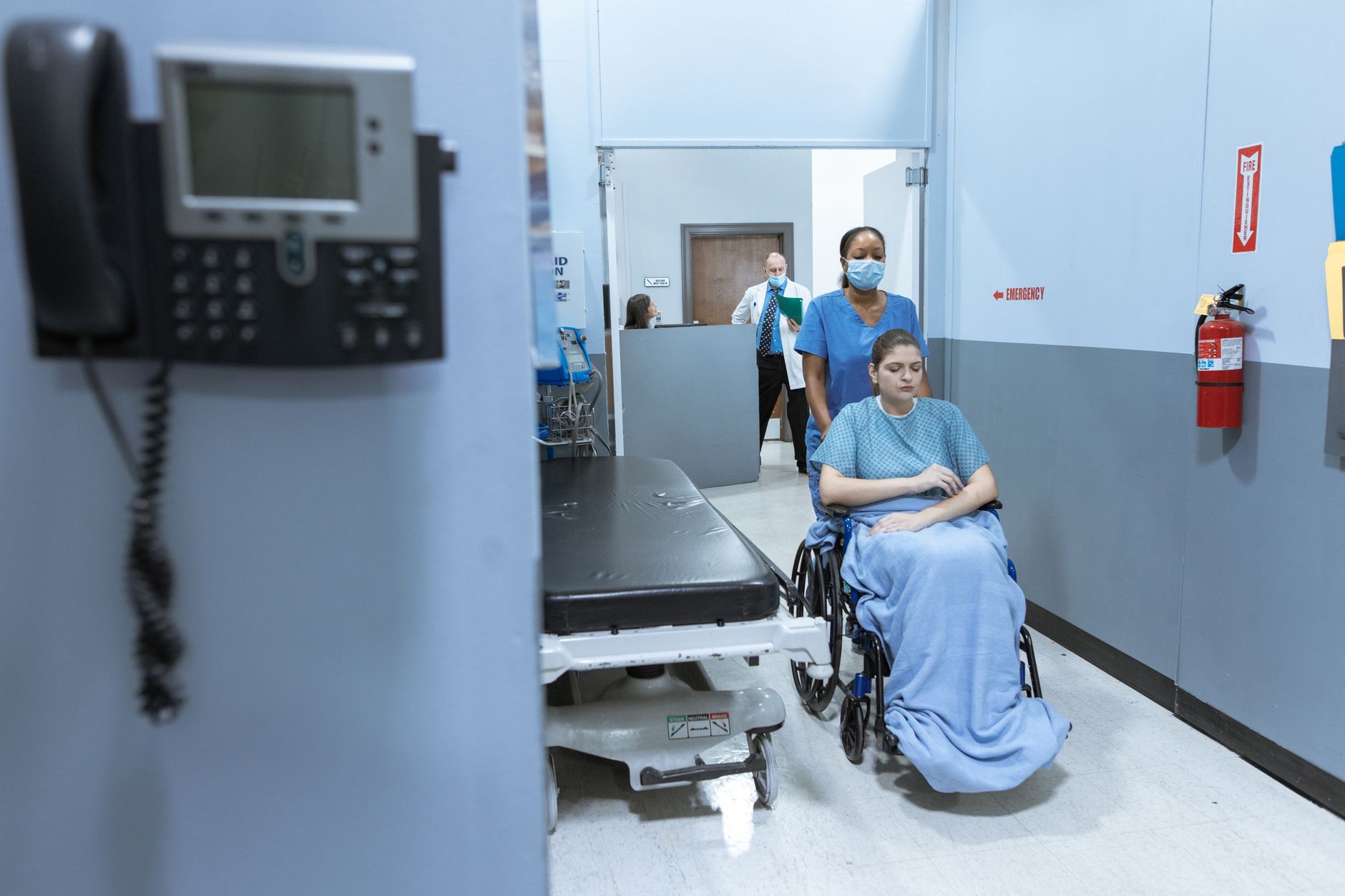
Staff at a group of Moscow hospitals spread across several buildings walked between those buildings for long stretches each day. Much of that walking served routine work: medicines, lab samples and supplies had to reach the right ward, and someone had to carry them.
Across a campus, a short errand can quietly stretch into a long round trip. Repeated across shifts and across several sites, that walking adds up to thousands of staff hours, time taken away from the patients and wards the staff are there to serve.
A pilot across two hospitals, built around routes
The pilot began on March 16, 2026, in two hospitals within the group. Its stated purpose was practical: determine which routes inside hospitals suit rovers, and how much staff time each route frees. The robot supplier built the rovers, and officials were clear that the robots were not meant to replace clinicians.
Starting from routes rather than from fleet size keeps the question honest. A rover that suits one long corridor may not suit a crowded ward, so the rollout treated each route as a test rather than a promise.
- Identify the routes inside hospitals that suit rovers
- Start rover runs in two hospitals on March 16, 2026
- Measure how much staff time each route frees
- Survey 150 respondents across the two hospitals in May

Hours returned and staff views
Six rover robots carried over 3 tons of cargo and made about 8,000 deliveries inside the two hospitals since March. Over 3,500 staff hours previously spent walking routes between buildings were saved, and that time saving sits at the heart of the pilot's result.
Staff views were broadly favorable. In a May survey of 150 respondents across the two hospitals, 71% rated the robots positively, and 83% said the technology should be used in other hospitals.
The figures cover the rovers' work from March onward across the two pilot hospitals, and they describe the routes those robots actually served.
What a campus lease would look like

Service Robot Co. is a vendor neutral commercial robot integrator for US businesses. We select the right robots across manufacturers, then finance, deploy, integrate, train and service every unit through a nationwide US engineer network. The Moscow pilot shows why the route question comes first, and it is the question our site assessment answers before any unit is proposed.
We lease robots only, and every quote comes as a robot lease. Our robot lease options run on a three year lease with one fixed payment quoted after a site assessment. Teams weighing a hospital delivery robot lease can start with the same step the pilot used, which is mapping the routes that actually cost staff time.
Frequently asked questions
Want a robot working for you?
Tell us the job and the site. We will recommend the robot, quote the lease, and keep it serviced.