
The short answer
An autonomous forklift vs forklift operator choice at a corrugated box plant turns on repeat pallet moves between press lines and staging. A robot makes sense when the same routes repeat most shifts and second-shift openings keep going unfilled. It does not make sense for irregular loads, unplanned dock work or paper reel handling, and a plant that runs a robot still keeps trained people on the floor.
Key takeaways
- A robot fits repeat pallet moves that follow the same route most shifts.
- A person still handles irregular loads, dock changes and floor exceptions.
- The US plant base is shrinking, so each remaining site needs its labor planned carefully.
- Forklift work carries serious injury and fatality counts in national data, which makes routine trips worth testing for a robot.
- Measure your own moves and vacancies before deciding, because public hour data for this job is thin.
Autonomous forklift vs forklift operator: which makes sense at a box plant?
If your plant runs the same pallet moves between the press lines, the converting area and staging every shift, an autonomous forklift deserves a serious look. A robot follows a set route, picks up and sets down loads at fixed points, and keeps the same pace on every trip. A forklift operator can do that work too, but the same person also handles load changes, dock work and whatever goes wrong mid-shift, and that flexibility is where people still win.
Comparing an autonomous forklift vs forklift operator setup starts with the moves, and the test is simple. A robot makes sense when the moves repeat, the routes are stable and the second shift is hard to staff. It does not make sense when the work changes every hour, when loads are damaged or mixed, or when the layout changes often. Most box plants land between those two cases, which is why the usual answer is one or two robots working beside a smaller operator crew, not a full swap.
When does an autonomous forklift make sense at a corrugated box plant, and when does it not?
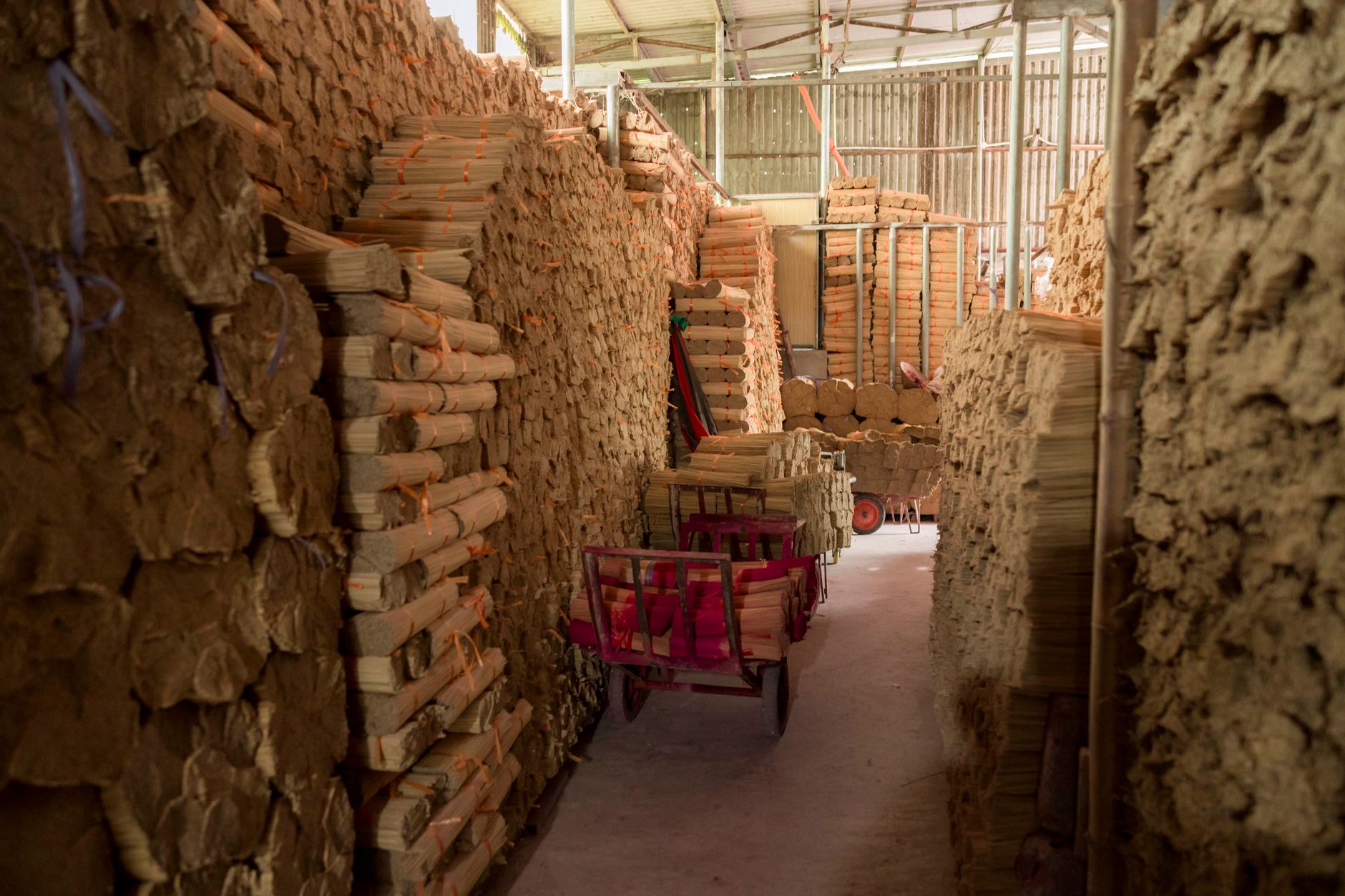
Corrugated plants are fairly predictable. Board comes off the corrugator or sheet line, gets stacked and wrapped, and moves to staging in lanes that rarely change. Those lanes are the strongest case for a robot, because the trip is the same each time and a late move slows the next line. The best candidates have clear travel paths, fixed pickup and drop points, and enough repeat volume that the unit stays busy for much of the shift.
The weak cases are just as clear. Plants with frequent layout changes, many custom loads, damaged pallets that need a judgment call, or heavy dock turnover with mixed carriers will keep needing a person at the controls. Reel and oversize handling usually stays with specialized equipment and trained operators. We check these details during a free site assessment before anyone talks about fit.
- Repeat line-to-staging moves
Autonomous Forklift
Holds the same route, pace and stops on every trip
Forklift Operator
Does the trip well, but adjusts on the fly when the route is blocked
- Second-shift coverage
Autonomous Forklift
Runs the set route once staffed shifts are short
Forklift Operator
Needs a filled shift, a schedule and a supervisor on site
- Damaged or mixed loads
Autonomous Forklift
Not suited, since it needs a known, clean load
Forklift Operator
Judges damage, unlabeled skids and mixed freight
- Layout changes
Autonomous Forklift
Needs re-mapping and testing time when lanes move
Forklift Operator
Adapts within minutes without a plan change
- Dock and truck loading
Autonomous Forklift
Works from fixed, planned positions only
Forklift Operator
Handles carrier changes and sequence shifts
- Consistency across the shift
Autonomous Forklift
Same pace and logged moves from start to end
Forklift Operator
Pace varies with fatigue and the length of the shift
What does a forklift operator actually do in a shift at a box plant?
A forklift operator at a box plant usually handles five kinds of work in one shift: pulling finished stacks from the end of a line, carrying them to staging or the warehouse, putting stock away by location, loading outbound trucks, and clearing a jam, spill or blocked lane when one shows up. The mix moves with the day's orders. A heavy production run means more line pulls, and a light run means more put-away and dock work.
What matters for the robot decision is which of those jobs repeat. Line pulls and staging moves tend to repeat the most, because they follow the production schedule. Truck loading and exception handling do not repeat in the same way, since they depend on carriers, order sequence and whatever happened on the floor that shift. Public data does not give a standard figure for how much of a box plant operator's shift goes to repeat moves, so that split has to be measured on your own floor.
Which pallet moves can a robot take, and which stay with people?
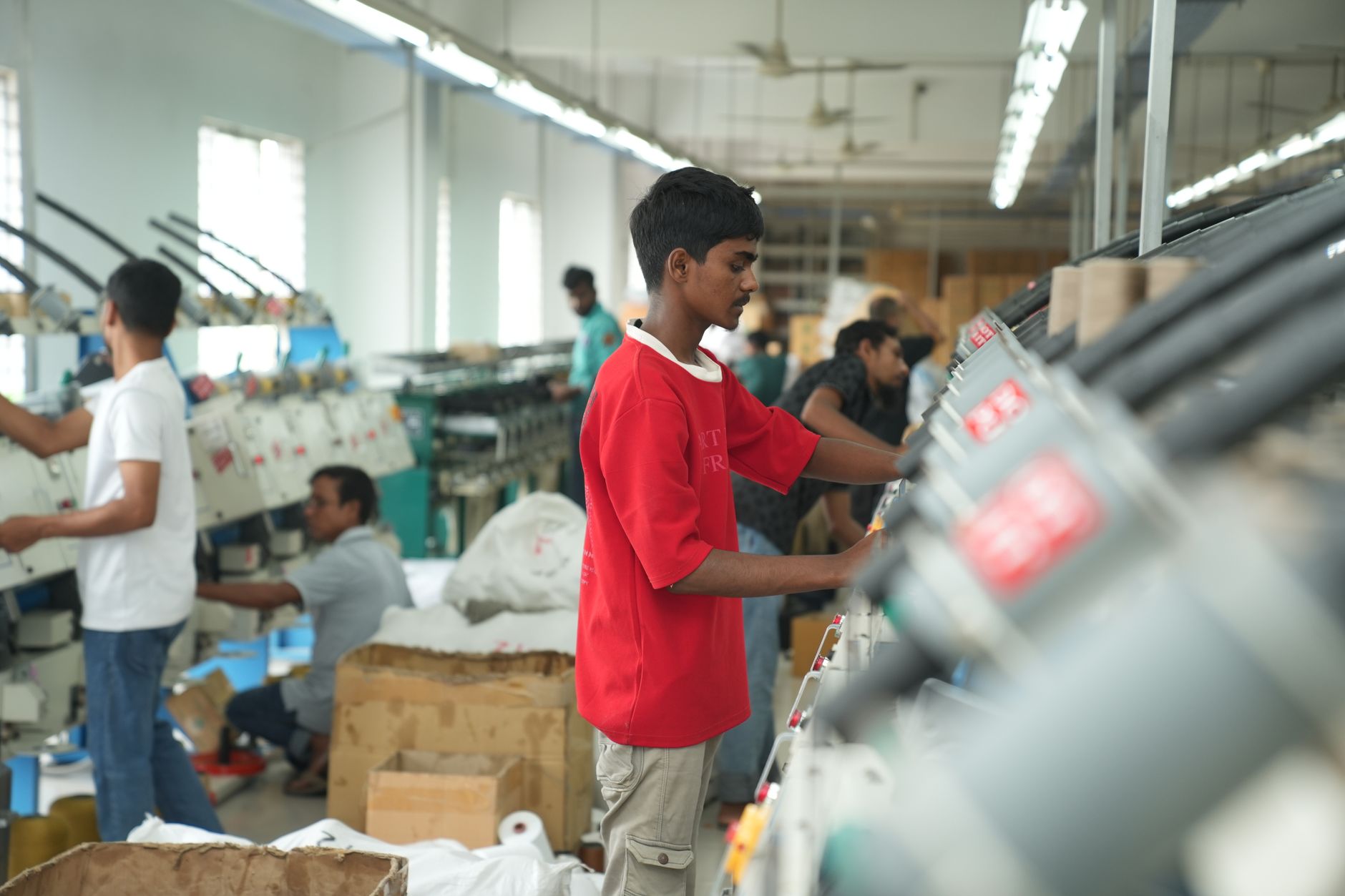
A robot can take the repeat pallet moves that run on a fixed route: line pickup to staging, staging to a set put-away location, and the return trips that bring empty pallets back to the pallet area. It works from set pickup and drop points and stops or waits when a person or vehicle is in its path. Once the route is mapped and tested, the same moves run with the same rhythm every shift, including overnight if the plant runs that way.
A robot cannot judge a damaged load, read an unlabeled skid or decide that a truck needs to leave early. It also cannot follow a changed dock sequence until someone updates the plan. Those jobs stay with trained operators and supervisors. The useful split is that the robot covers the predictable trips and people cover the decisions, and the plant still needs people for both.
How many corrugated and sheet plants are there in the US?
The US base of corrugated and sheet plants has shrunk over the past decade. The Fibre Box Association's 2024 annual report counted 1,092 industry plants, made up of 458 corrugator plants and 634 sheet plants, and that total was down 14 from 2023. Its 2014 annual report counted 1,206 plants. The report's US data covers the 48 contiguous states.
According to AICC, summarizing 2024 figures in its article on box plant history, the industry had 1,150 plants and about 103,000 workers, down from 1,467 plants about thirty years earlier. The two trade figures are not identical, which is normal across industry sources, so pick one source and use it consistently when you plan staffing or compare sites. The direction is the same in both: fewer plants than a generation ago.
What do turnover, overtime and night shifts look like for this work?
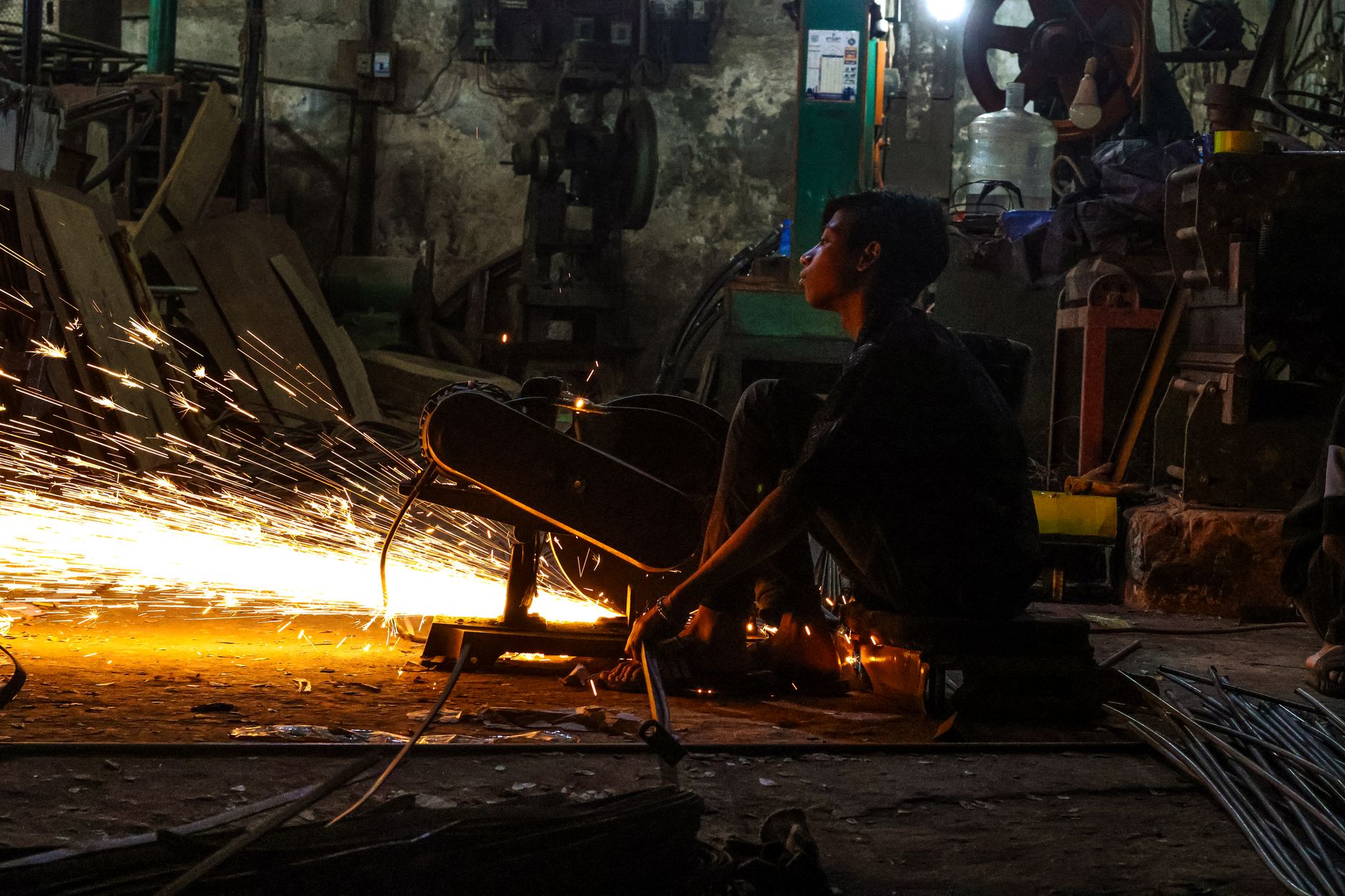
Public data on box plant forklift operators is thin. We did not find a reliable second-shift turnover figure for this job, and we did not find a published overtime rate for box plant operators. Broad labor data still helps with context. According to a US economic data aggregator, the overall quits rate was about 1.9 percent in August 2026, with about 3.1 million quits. That figure covers the whole economy, not box plants, so it shows the general climate rather than your site.
Warehouse turnover figures online conflict widely, so we would not build a plan on any one of them. Second and night shifts are where many plants report the hardest hiring, but published numbers for that gap were not found. The useful number is your own: open second-shift requisitions, overtime hours on the line and sick calls on the shift over the last twelve months. Those three figures show whether the gap is a staffing problem or a scheduling one.
Hours face the same problem. We did not find published counts of how many hours per shift a box plant operator spends on pallet moves, so the hours in your own shift log are the number to trust. A robot's share of the work only matters once you have that log.
How dangerous is forklift work, and what do the injury figures show?
Forklift work carries real injury risk, which is part of why robots get a serious look. An OSHA Region I enforcement directive cites roughly 85 forklift fatalities, 34,900 serious injuries, about 1.5 million workers operating powered industrial trucks, and 855,900 trucks. Those figures are as cited in the directive, and the directive notes they may be older. A Johns Hopkins abstract citing a BLS estimate puts about 100 workers fatally injured each year in forklift and other powered industrial vehicle incidents.
The figures come from different years and definitions, so use them for direction rather than exact comparison. A safety summary of 2020 injury data reports 78 work-related deaths and 7,290 nonfatal injuries involving days away from work, which describes one recent year. Those counts still describe a job where a single lapse can hurt someone. OSHA's forklift standard, 29 CFR 1910.178, requires operator training, licensing and periodic evaluation, and that requirement does not change for the operators a plant keeps.
A robot does not remove these risks on its own. Its gains come from fewer people and fewer trucks in the same lanes, and from stops and speed limits that run the same way every trip. The safety case depends on the layout, the route plan and the training that covers the people working around the unit.
How does a team work with a robot forklift on the floor?
The plants that get the most from a robot keep their people and move them to the work the robot cannot do. A typical setup is one or two robots on the repeat line-to-staging route, a smaller operator crew for loading, exceptions and reels, and a supervisor who owns the route plan. The robot does not replace the whole crew, and it does not run with zero staff. Someone still watches the fleet, clears blockages, keeps the pallet supply moving and fixes whatever stops a lane.
We pick the right robot for the site, lease it through financing, deploy and integrate it, train the staff and service it nationwide. We are a vendor neutral robot integrator, so the recommendation follows the floor, not one manufacturer's catalog. Training covers the operators and supervisors who work with the unit, and service covers on-site dispatch and remote triage when a unit stops. The lease is a fixed robot lease payment, quoted after a free site assessment, so the decision rests on your floor and your numbers.
What can an autonomous forklift not do, and how do you get started?
For an autonomous forklift vs forklift operator decision, the limits matter as much as the gains. A robot does not handle every load, does not judge damage, and does not cover unplanned dock work. Once a route is set, changing it takes mapping and testing time, so a plant that reshuffles lanes often will feel that cost. It also depends on a clean floor, working doors and a steady pallet supply. Interest is high in one vendor-run survey reported in trade press, which found more than 70 percent of respondents had adopted or planned to adopt mobile robots such as AMRs or AGVs. That covers mobile robots in general, not forklifts, and it is not an independent count.
To get started, measure the repeat moves for two weeks, list the lanes and the second-shift gaps, and book a free site assessment. We map the floor, test the route and quote a fixed robot lease payment through financing after the assessment. Then we deploy, integrate, train and service the unit. Many plants start with one robot on one route, which keeps the risk small and the learning fast, before deciding whether a second unit makes sense. Ask for a robot demo or a pilot before committing to a larger fleet.
Frequently asked questions
Want an autonomous forklift at your corrugated box plant?
Tell us about your site. We will recommend the robot, quote the lease, and keep it serviced.
Sources
- Fibre Box Association 2024 annual report
- Fibre Box Association 2014 annual report coverage
- AICC article on box plant evolution
- OSHA Region I powered industrial trucks directive
- Johns Hopkins abstract on forklift and powered industrial vehicle injuries
- Powered industrial truck injury statistics summary
- US job quits data summary
- Warehouse automation adoption survey coverage