
The short answer
An autonomous forklift makes sense at a tire warehouse when most of the day is repeat pallet moves between the dock and racking, the aisles stay mapped, and operator availability is the real bottleneck. It does not make sense when loads are irregular, stacks are rebuilt often, or the work depends on judgment calls about damaged tires. In practice the workable answer is a robot plus fewer staff, not a robot in place of the team.
Key takeaways
- A robot takes the repeat dock-to-racking moves, while a person keeps exceptions, damaged loads and stacking calls.
- Forklift work carries real injury exposure, so routine moves on fixed routes are the strongest safety case.
- Turnover and open shifts are the labor problem a robot helps with, but the site still needs trained operators on every shift.
- We did not verify an hours per shift figure for this job, so measure your own aisles before deciding.
- The lease is quoted after a free site assessment, and fit depends on your layout, pallet mix and shift pattern.
Autonomous forklift vs forklift operator at tire warehouses: which makes sense?
An autonomous forklift and a forklift operator can make the same pallet moves in and out of racking. The difference is what happens around those moves. A robot is strong on repeat travel along a mapped route, running the same dock-to-rack cycle without fatigue or a shift change. A person is strong when the load is wrong, an aisle is blocked, or a stack has to be rebuilt by judgment.
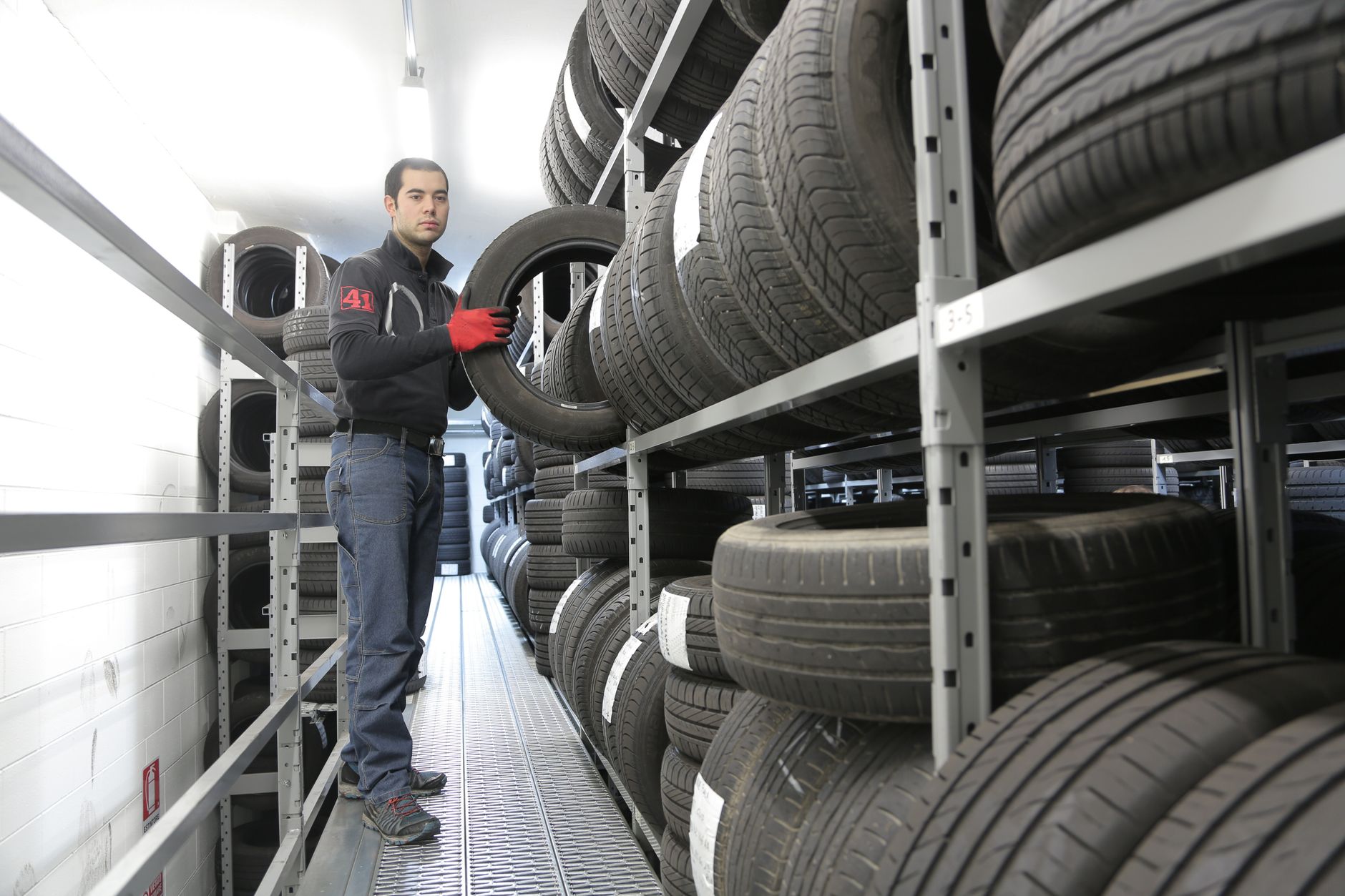
A tire warehouse is a useful test case because the loads are heavy, the stacks are tall and sometimes unstable, and the flow is steady. A patent on tire storage notes that stacked tires are held stable by their pallet, but stacking one pallet on another requires forklift driver skill, and upward storage is limited by room height and rack size. Those limits push the work toward a clear split: repeat moves in known racking go to the machine, while stacking calls and exceptions stay with people.
So the robot makes sense when the site has predictable aisles, a steady stream of putaway and retrieval, and an operator gap that keeps delaying loads. It does not make sense when the layout changes every week, the load mix is mostly one-off, or the main problem is damage handling rather than moves. In practice the workable answer is a robot plus fewer staff, not a robot in place of the team.
What does a forklift operator actually do in a tire warehouse shift?
An operator on a tire dock does far more than drive between two points. Tire distribution is a real employer: County Business Patterns for 2023, as quoted by an aggregator, counts 2,695 establishments and 46,488 employees under tire and tube merchant wholesalers (NAICS 423130), though counts differ by source. A typical shift starts with a walk-around of the truck, a check of forks, mast and tires, and a sign off in the site log. Then the work runs in cycles: pick a pallet from the dock or staging lane, confirm the label against the receiving record, carry it to its rack position, set it down square, and go back for the next one.
Outbound work is the reverse plus loading. The operator pulls ordered pallets, stages them by door, and builds the trailer in the order the driver needs. Mixed orders, partial pallets and damaged tires force decisions: pull and replace, hold for inspection, or write up the damage. Those calls are where experienced operators earn their place, and they rarely show up as clean travel time on a time study.
Between loads the operator swaps batteries or tops up fuel, reports equipment faults, and covers for absences or breaks. When a truck arrives early, the same person is pulled to the dock mid cycle. That interruption pattern is why the operator's day is hard to plan and why a machine on a fixed route can take some of the load.
The risk is real too. OSHA's regional directive on powered industrial trucks gives about 34,900 serious forklift injuries and about 85 forklift fatalities a year. SafetyNow, compiling BLS data, reports 78 work-related forklift deaths and 7,290 nonfatal injuries with days away from work for 2020. Those figures cover forklift work broadly, not tire sites alone, but the routine described above is the same repeat travel and stacking.
Which parts of tire handling can an autonomous forklift take, and which can it not?
An autonomous forklift can take the repeatable core of the work: moving a pallet between a known dock position and a known rack location, retrieving pallets for outbound orders along a mapped route, and moving pallets between staging lanes on a schedule. These moves follow the same paths and heights over and over, which is the pattern a robot handles well when the racking and floor stay put.
It cannot take the parts of the job that need judgment or recovery. The list below covers the gaps that matter most at a tire site, and each one stays with a trained person unless the site has designed a workaround for it.
The stacking question deserves its own line in any decision. Because stacking one pallet on another depends on driver skill, a site should not assume the robot will build the tall stacks a person builds by feel. Plan for the robot to work inside stacks already built to a known standard, and keep a person on every rebuild.
- Judging whether a stack is safe or needs to be rebuilt
- Handling damaged tires, leaning pallets or unlabeled loads
- Loading irregular trailers and building mixed-SKU outbound loads
- Clearing blocked aisles or using unmapped temporary storage
- Recovering from a fault without a person on site
- Repeat dock-to-racking moves
Autonomous Forklift
Runs the same mapped route without breaks or fatigue
Forklift Operator
Consistent when rested, but slows on long repeat runs
- Night and off-hours coverage
Autonomous Forklift
Can run repeat routes when the building is quiet
Forklift Operator
Needs a shift, and someone must recover faults on site
- Damaged or leaning loads
Autonomous Forklift
Stops or flags only what its sensors and rules catch
Forklift Operator
Sees the problem by eye and decides to pull or hold
- Stacking and rebuilding
Autonomous Forklift
Works inside stacks built to a known standard
Forklift Operator
Builds and rebuilds stacks by skill and feel
- Trailer loading
Autonomous Forklift
Limited to standard, known loads
Forklift Operator
Builds irregular and mixed-SKU trailers
- Recovery after a fault
Autonomous Forklift
Needs a person on site to clear and restart
Forklift Operator
Diagnoses the problem and works around it
How much labor turnover and overtime does a tire warehouse face?
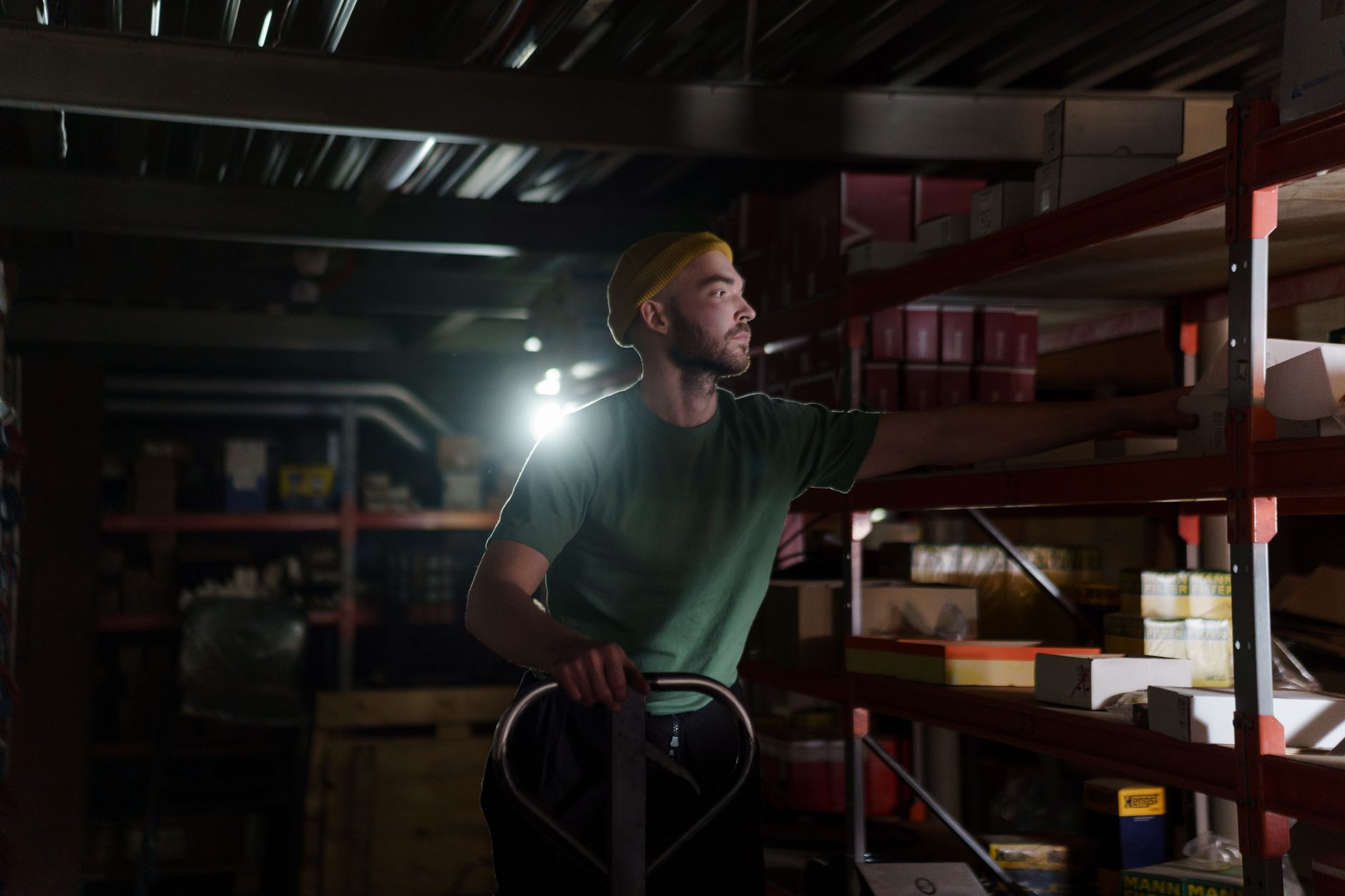
The labor problem is not only headcount. It is the turnover and the gaps it creates. A NELP study of New Jersey reports about 124% turnover at large e-commerce fulfillment warehouses in 2020, against 72% for warehouses in counties without such facilities. That study uses 2020 data for one state and one type of employer, so read it as a sign of how fast warehouse crews can churn, not as a national rate for tire sites.
Economy-wide data points in a different direction. The BLS JOLTS release for January 2026 reports that annual quits fell by 1.3 million across the economy in 2025. The FRED quits level for transportation, warehousing, and utilities, however, rose from 129 thousand in April 2025 to 187 thousand in November and December 2025. The two series together suggest the picture varies by sector and month, so check the trend against your own exit records.
We did not verify overtime rates, night shift shares or sick day counts for forklift operators in this research, so this page does not put numbers on them. What the turnover data does support is a simple operating point: a site with one operator on a shift feels every departure as a gap in outbound loads. That is the exposure a robot on a fixed route can reduce, though it does not remove the need for trained people.
What hours does the pallet work take, and where do the hours go?
We did not verify an hours per shift or hours per week figure for forklift operators in this research, and the BLS occupational page for industrial truck and tractor operators did not yield hour data. Do not take a number from this page or from a vendor brochure. The defensible approach is a timed walk of your own aisles: log the cycle for each move type over several shifts, split it into travel, lift, wait and exception time, and see where the operator's day actually goes.
In a tire site the wait and exception columns can matter as much as travel. A pallet that waits for a truck, a dock door or a clear aisle costs operator time just as a moving pallet does. The hours a robot can recover are mostly travel and repeat lift time on fixed routes. The hours that stay with people are waits and exceptions, unless the site redesigns the flow to remove them.
The table below is a template for your own study. Its entries describe what to measure, not published statistics, so fill each row with your site's timed figures before using it in a decision.
How does a team work with an autonomous forklift?
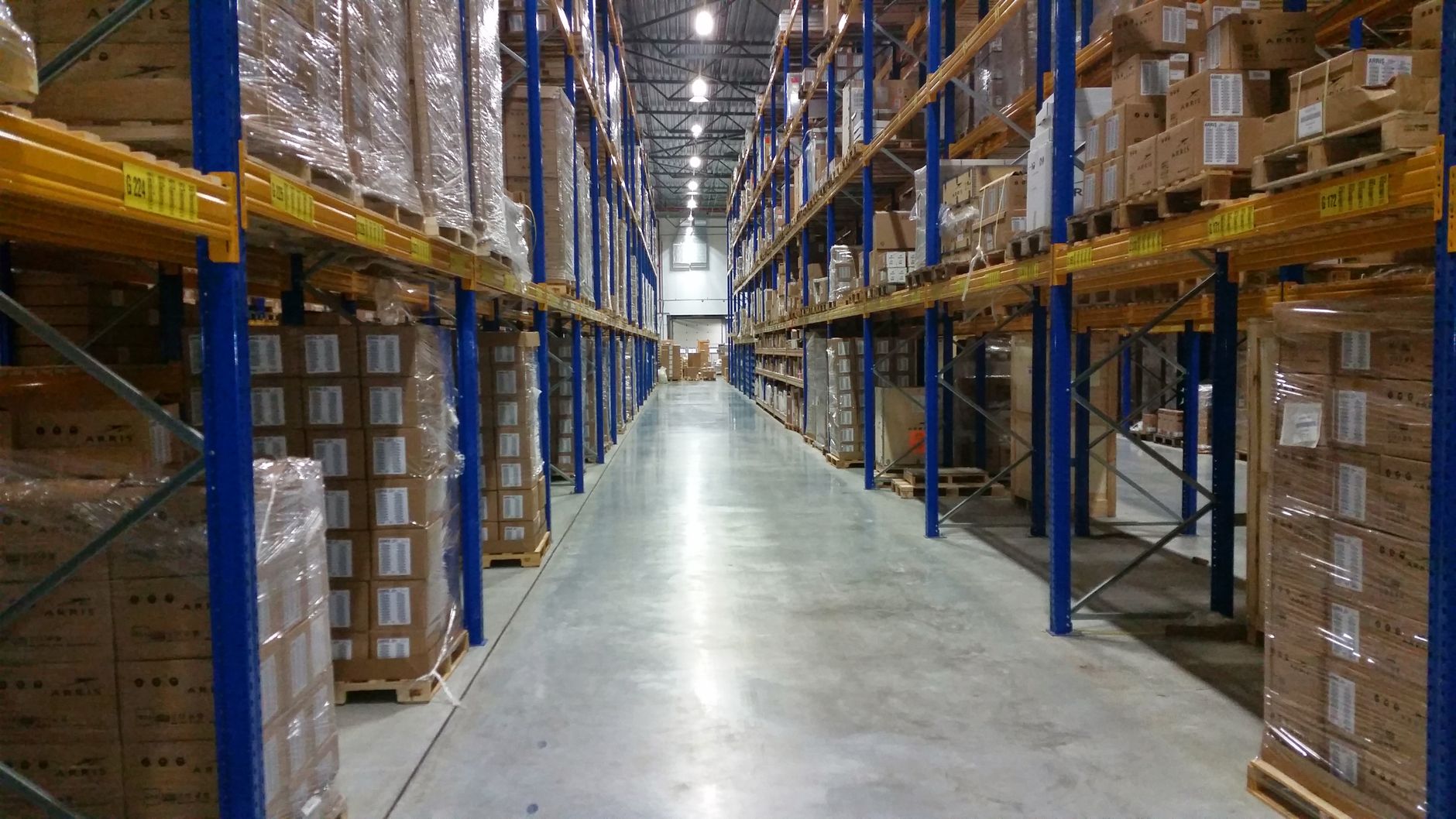
The working model is a robot plus fewer staff. The robot takes the repeat putaway and retrieval runs on its mapped routes, and the operators move to the work that needs them: checking loads, building outbound trailers, handling exceptions, and supervising the robot's zones. Staffing does not drop to zero, and it should not, because a faulted or blocked robot needs a person on site to recover it.
Training matters for both groups. Operators of powered industrial trucks are trained under OSHA's standard at 29 CFR 1910.178, and a site that adds robots still needs trained people for manual trucks, exception work and emergency response. Robot-side staff also need the stop procedures, the exclusion zones and the steps to take a route out of service.
Trade data points the same way. A vendor-sponsored survey reported by SDCExec found that more than 70% of respondents have adopted or plan to adopt AMRs or AGVs, and most plan to add three or more vehicles within two years. Those figures describe intent in a survey, not outcomes at tire sites.
Service Robot Co. is a US commercial robot integrator. We pick the robot for the site, lease it through financing, deploy and integrate it with your flow, train the staff who work beside it, and service it nationwide. The staff handoff is part of the integration, not something added after go live.
What can an autonomous forklift not do at a tire warehouse?
It cannot replace the judgment the job depends on. A robot following a route does not notice a cracked tire, a settled stack or a shifted load unless the site has sensors and rules that catch it, and even then the decision to pull the load belongs to a person. Plan for that gap instead of hoping the robot will close it.
It is also sensitive to the physical site. Racking, floor condition, dock layout and the position of temporary storage all change what it can do. A tire site that moves stock around weekly, or parks pallets in unmapped corners, will spend time on rework and remapping. That is a design issue to fix before commissioning, not after.
A robot also does not fix a labor shortage on its own. It removes repeat moves that are hard to staff during off hours, but exception work, trailer loading and supervision still need people. Ask any integrator, including us, which parts of your existing shift the robot does not cover, and get that answer in writing.
Is an autonomous forklift worth it? Lease cost and payback at a tire site
Worth it depends on the number of repeat moves, the size of the operator gap, and how much of the shift the robot can actually run. A site with a steady putaway and retrieval stream, recurring open shifts and a layout that holds still has the strongest case. A site with a few moves a day and frequent layout changes does not, whatever the headline figures say.
The cost is a fixed lease payment, quoted after a free site assessment. The quote reflects your aisles, pallet mix, number of units, integration scope and service plan, so no general figure on this page can stand in for it. Because the robot is leased through financing, the decision does not start with a large upfront capital outlay.
Payback is usually the first question. Work it out from your own numbers: the operator hours the robot takes over on fixed routes, the open shifts it covers, the exceptions that still need a person, and the cost of one unit down on a busy shift. Ask for a plan that includes spare unit coverage, because a single robot with no backup is a single point of failure.
How do you get started with an autonomous forklift lease?
Start with a site assessment. We map the candidate routes, the rack layout, the dock doors, the staging lanes and the traffic pattern, then measure the moves you already run. The output is a recommendation on whether the robot fits, how many units make sense, and where the operator's role moves.
Pilot one unit before committing to more. Phased deployment keeps the existing operation running while the robot takes one route, and the team learns stop procedures and exception handling on a small scale. Set go live criteria in writing: route completion, exceptions per shift, and how long a faulted robot takes to return to service.
After go live, the service plan decides whether the program holds. Ask about on site dispatch, remote triage, spare unit coverage and the response time for a stopped unit. Service Robot Co. handles the lease, deployment, training and nationwide service under one agreement, and the quote arrives after the site assessment.
Frequently asked questions
Want an autonomous forklift at your tire warehouse?
Tell us about your site. We will recommend the robot, quote the lease, and keep it serviced.
Sources
- OSHA regional directive CPL 04-00-023E on powered industrial trucks
- SafetyNow forklift statistics compilation of BLS data
- NELP New Jersey warehouse turnover data brief
- BLS JOLTS news release, January 2026
- FRED quits series for transportation, warehousing, and utilities
- SDCExec report on warehouse automation adoption survey
- Google Patents US6298999, tire storage
- NAICS 423130 County Business Patterns summary