
The short answer
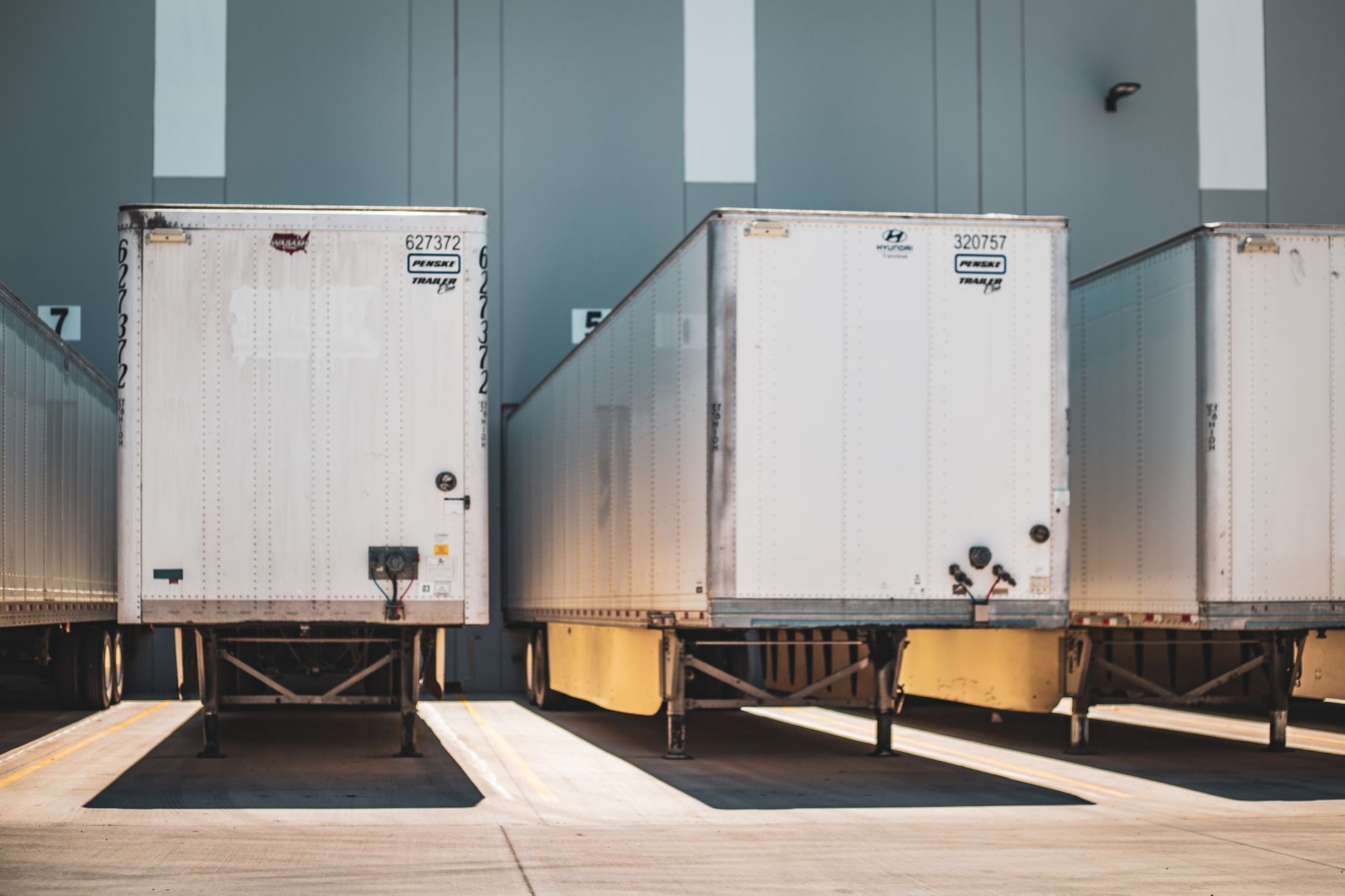
The autonomous forklift vs forklift operator in Birmingham, AL decision usually favors a robot for repetitive, fixed-route pallet moves in a warehouse with predictable aisles, and favors a person for trailer unloading, irregular loads and yard work. A robot does not remove the shift, so the realistic result is a robot working alongside fewer operators, not zero staff. Which side of that line a site falls on is settled by timing its moves, not by job title.
Key takeaways
- A robot fits repetitive, fixed-route pallet moves, while a person keeps trailer unloading, exceptions and yard work.
- Time your own repetitive moves before comparing options, because a published average cannot tell you your share.
- The BLS industry page lists a 2024 total recordable case rate of 4.8 per 100 full-time workers for warehousing and storage.
- Plan for a robot plus fewer operators on the shift, never zero staff.
- The lease payment is set in a quote after a free site assessment, so get the service and spare coverage terms in writing.
Autonomous forklift vs forklift operator in Birmingham: which makes sense?
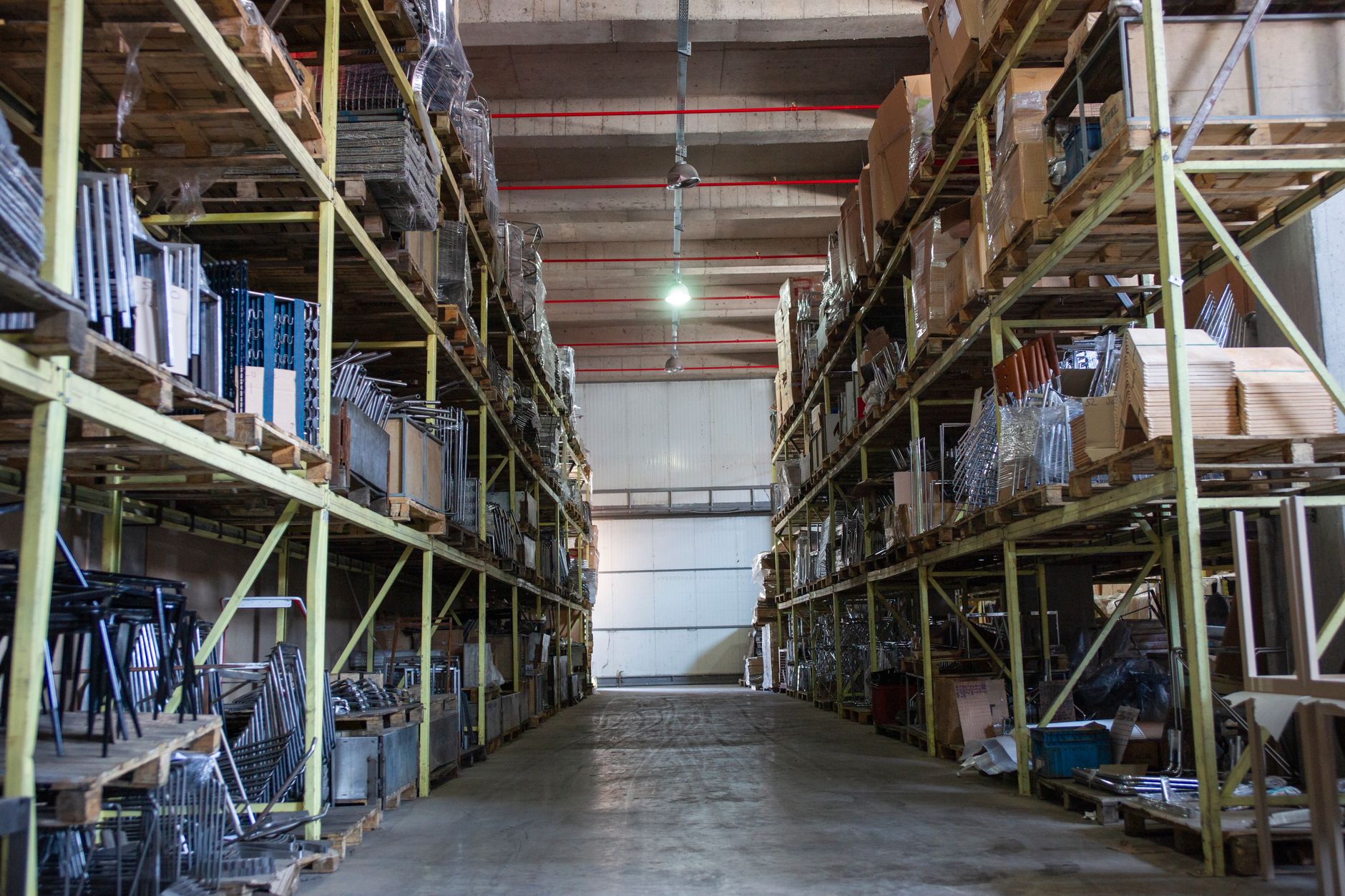
A robot makes sense when a warehouse moves the same kinds of pallets along the same routes many times per shift, and when those routes are predictable enough to map once. It does not make sense when most of the work is unloading mixed trailers, handling damaged or unusual loads, or moving freight in a yard where conditions change through the day. Most Birmingham operations sit between those two cases, which is why the usual answer is a split: repeatable moves go to the robot, and exceptions stay with a trained person.
The useful question is not whether a forklift operator can be replaced. It is how many operator hours go to repetitive travel that a fixed route could cover. That share can be measured in a week of time logs, and once you have it you can see whether one leased unit covers a clear block of work or whether the site needs more than one.
We are a US commercial robot integrator. We choose the robot for the site, lease it through financing, deploy and integrate it, train the staff and service it nationwide. The lease payment is set in a quote after a free site assessment, so this page does not state one.
When does an autonomous forklift fit a warehouse, and when doesn't it?
Fit is strongest where aisles stay put, pallet types are standard, and the layout changes slowly. Putaway from the dock to reserve racks and replenishment from reserve to pick faces often meet all three conditions. Fit weakens where racking is reconfigured often, where pallets arrive damaged, or where people and trucks mix on the floor in ways that change minute to minute.
A robot is more likely to fit a site when the following are true, which you can check on a site walk.
A robot is less likely to fit when the main job is unloading trailers that vary, when loads change a lot in size or condition, or when the yard is the main workplace. In those cases the robot would sit idle until a person resolves the work it cannot take over.
- Pallets come in a few standard sizes and loads stay stable on the pallet.
- Routes between the dock, reserve racking and pick areas repeat through the shift.
- Aisles are wide, marked and kept clear of standing stock.
- The site runs an early, night or overnight shift with thin supervision.
- Much of the operator's time goes to travel, not to exception handling.
Median hourly wage, Laborers and Freight, Stock, and Material Movers, Hand
$4,174
Monthly cost of one full-time worker in Birmingham, AL, at the median wage plus payroll costs (an estimate, not a quote).
What does a forklift operator actually do in a shift in a Birmingham warehouse?
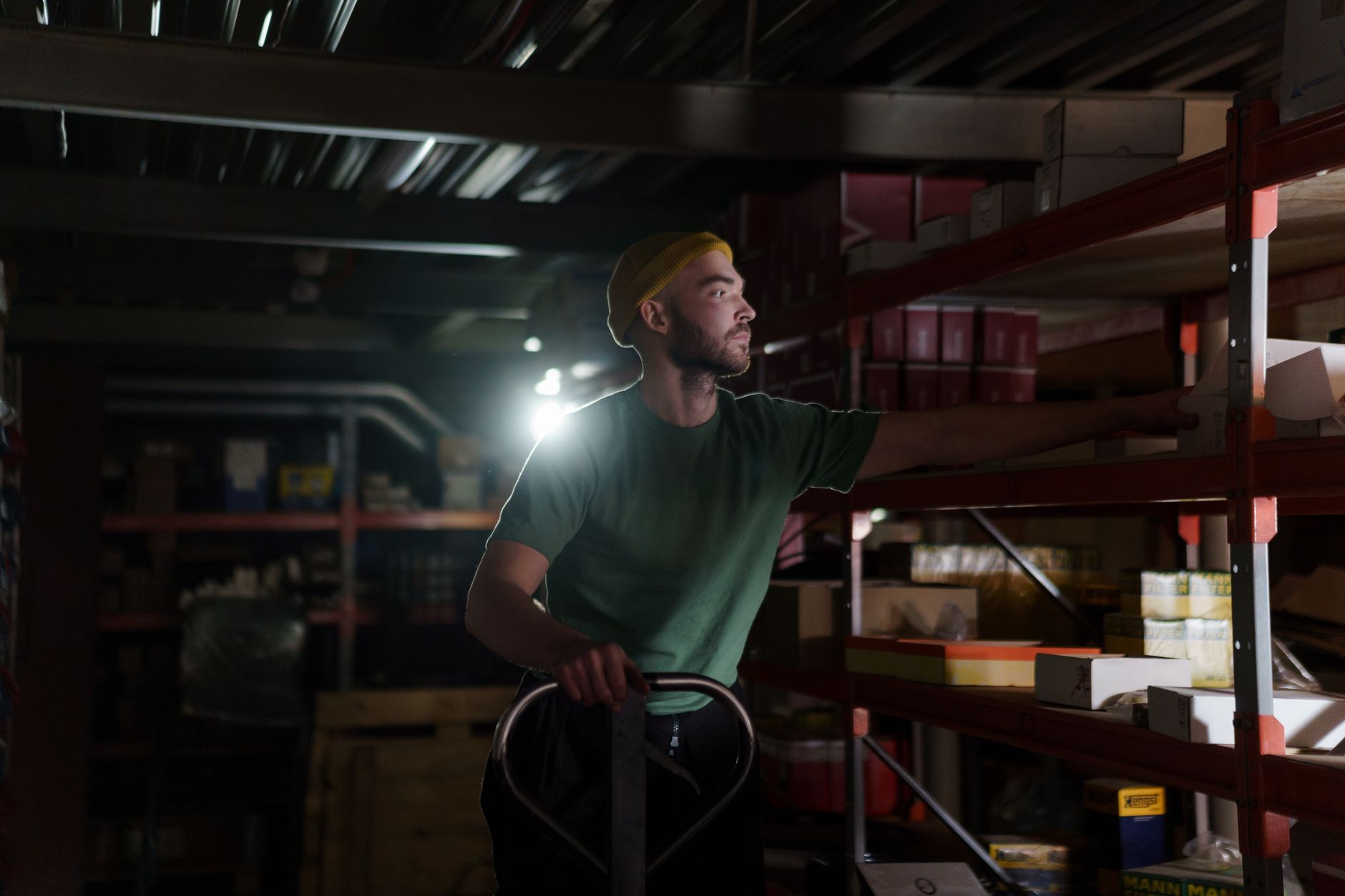
A forklift operator's shift involves less driving than the job title suggests. A typical shift starts with a pre-shift inspection of the truck, then moves through a mix of trailer unloading, putaway to racks, order retrieval, staging at outbound doors and trailer loading. Between these jobs the operator waits for dock assignments, clears jams, handles mislabeled or damaged pallets, and returns the truck to charging.
Much of the work is judgment. The operator decides whether a pallet is safe to lift, whether a lane is clear, and whether a load needs a second look before it goes onto a rack. According to OSHA's directive on powered industrial trucks (FY2018), about 1.5 million workers in the US operate more than 855,900 powered industrial trucks, which shows how common this role is across US workplaces.
That judgment time is exactly what a robot does not take over. Even on a site where the robot covers most of the repetitive travel, a person still resolves exceptions, so the comparison should count those hours too, not only the hours spent driving.
- Night coverage
Autonomous Forklift
Runs the mapped route through the night without a break, but needs a person on call for blockages
Forklift Operator
Covers a night shift in person, but one absence leaves the route unstaffed
- Repeat routes
Autonomous Forklift
Same path and pace on every run
Forklift Operator
Reliable on routine moves, but pace can drop late in a long shift
- Unplanned trailer unloading
Autonomous Forklift
Not suited to trailers it has not seen
Forklift Operator
Handles mixed freight and adjusts on the spot
- Damaged or unusual loads
Autonomous Forklift
Cannot judge damage or decide a load is unsafe
Forklift Operator
Can stop, inspect and decide what goes onto the rack
- Clearing a blocked lane
Autonomous Forklift
Stops and alerts, then waits for a person to reset the route
Forklift Operator
Clears the lane and keeps the flow moving
- Layout changes
Autonomous Forklift
Needs a remap when racking moves
Forklift Operator
Adapts the same day without any setup
- Onboarding
Autonomous Forklift
Staff learn resets and stops, and the route is mapped during deployment
Forklift Operator
Each new operator needs training and sign-off
- Absence cover
Autonomous Forklift
Depends on the service plan and any spare unit
Forklift Operator
Usually covered by overtime or a short-staffed shift
Which parts of the forklift work can a robot take, and which can't it?
The robot can take the repeatable moves. It carries standard pallets between fixed points along mapped routes, runs putaway and replenishment batches, and stages loads at a set point. It keeps the same path and pace on every run and does not need a break, which matters on overnight and early shifts where a single absence leaves a route empty.
It cannot take work that depends on judgment or on physical conditions that change without warning. It does not unload a trailer it has not seen, decide that a load is unsafe, clear an obstruction, or handle damaged or non-standard loads. It also depends on an accurate map. When racking moves or a lane is blocked, a person has to reset the route before the robot resumes.
Treat the split as a site-specific finding. The same robot can take most of one building's moves and almost none of another's, depending on the dock pattern and how often the racking changes.
How many hours does a robot take over, and what does the labor picture look like?
This page does not state a verified operator-hours figure for this job, because the number depends heavily on the site. The method is to log each task for several days, separate repetitive travel from exceptions and dock work, and then compare the repetitive total with the shift length. That gives you a number you can defend, which a published average cannot.
The safety context is worth knowing. The Bureau of Labor Statistics industry page for warehousing and storage (NAICS 493) lists a 2024 total recordable case rate of 4.8 per 100 full-time workers, a DART rate of 4.1, and 32 fatalities for the sector. A safety records site citing BLS data gives 4.9 for general warehousing and storage in 2024, a slightly different figure, so cite the BLS page directly if you report it internally. An older OSHA estimate, repeated by a forklift safety trade news site, puts forklift fatalities at about 85 a year, serious injuries at 34,900 and non-serious injuries at 61,800. That estimate is dated, so use it as background only. The same trade site reports, citing BLS analysis, that pedestrians struck by lift trucks are the leading cause of lift truck fatalities, which is the core safety case for keeping truck travel away from people.
Labor cost sits in turnover, overtime and absence, more than in the hourly wage alone. This page does not cite a verified turnover rate for the sector, so use your own separation, overtime and sick-day records. Night and early shifts are where thin coverage shows first: one absence can leave a dock or a putaway run unstaffed, and overtime is often the cover.
How does a team work with a robot without going to zero staff?
The workable model is a robot plus fewer operators on the same shift. The robot takes the repeatable routes, while one or two trained people stay on exceptions, dock work and supervision. Zero staff is not a realistic target in a warehouse. Sites that plan for it tend to come up short when a route is blocked or a fault stops the unit.
Roles change rather than vanish. Operators move into dispatch, exception handling and the start and end of shift checks, including the route log and the charging check. The team also needs a clear stop rule: who pauses the robot, who clears a blockage, and who calls for service when a fault repeats.
Training is the part that most often gets skipped. Operators need to know how to reset a route, stop a unit safely, and take over a route by hand during a fault. Our integration team trains staff as part of deployment, so the operating model is set before go live.
What can't an autonomous forklift do?
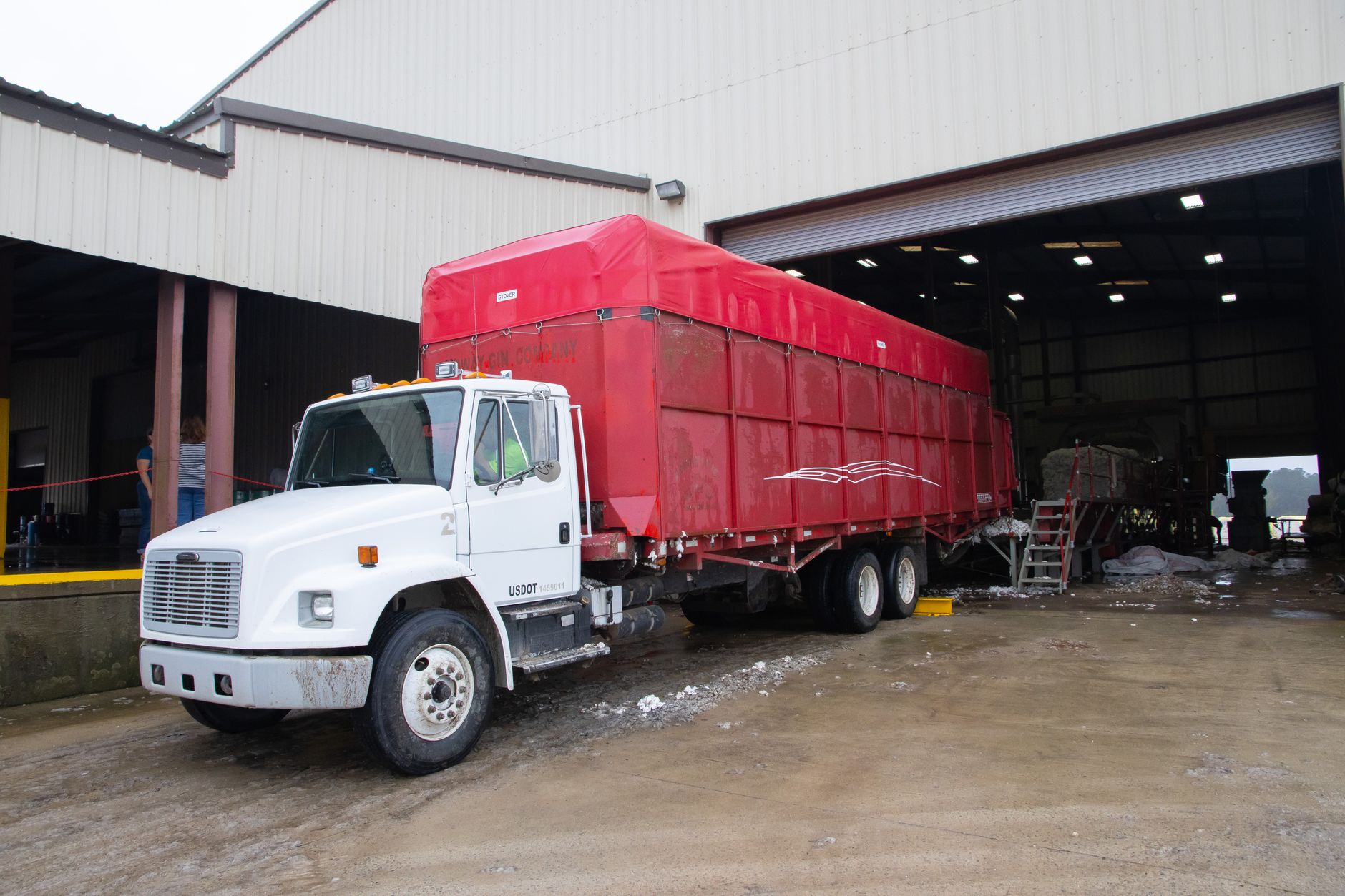
The honest list starts with unplanned work. A robot does not unload a trailer it has not seen before, judge damage, or decide that a load is unsafe to lift. It does not work well in a yard where the ground, traffic and trailer positions change daily, and it needs a maintained floor to keep its route.
A robot also does not fix a weak process. If pallets arrive mislabeled or putaway rules are unclear, the robot repeats the confusion faster and more consistently. Tighten the process before you lease, or the leased unit will carry the same problems onto the new route.
A single unit covers one route set. It does not replace a person's flexibility across the building, and it cannot cover an absent operator on work it does not do. Confirm in the quote what service, spare coverage and emergency response are included, because those terms decide whether a fault stops the shift.
How do you get started with autonomous forklift leasing in Birmingham?
Start with the shift, not the machine. Time the repetitive moves, name the route set, and write down the exceptions the robot will not take. Then request a site assessment. The assessment maps the route, checks the floor and dock, and sets the scope, and the lease payment is set in a quote after that assessment.
A pilot on one route set is the usual low-risk path. It shows how the unit handles your floor and your staff before any wider decision. Lease financing programs spread the cost over the lease term, so the question becomes whether the route set justifies those terms, not whether to commit a large sum up front.
Ask for the quote in writing, with service, spare coverage and lease length spelled out. Then compare it against your own time log and labor records, not against a generic average.
How does the local wage for this job factor into the decision?
The government wage data on this page gives the local wage for laborers and freight, stock and material movers, hand, in the Birmingham area. That is the closest occupational group on this page to the non-driving material handling work around a dock, so treat it as the labor anchor rather than an exact match for a licensed forklift operator. The wage matters less than the number of paid hours spent on repetitive travel, because that is the time a robot can take over.
Add the costs around the wage: overtime to cover absences, training time for new operators, and the cost of replacing someone who leaves. The Bureau of Labor Statistics Occupational Outlook Handbook counts about 6,950,000 jobs in the broader hand laborers and material movers group in 2024. That is a national group, not a Birmingham count, so use it only to show how widely this kind of work is done.
A shift with little repetitive travel is cheaper to keep fully staffed. A shift that spends most of its hours on the same dock-to-rack path is where a leased robot, plus fewer operators, is most likely to pay off in labor terms.
Frequently asked questions
Put a robot to work in Birmingham.
We walk your site, learn the job, and recommend the unit that fits. Then we quote the lease, deploy it, and keep it serviced.
Sources
- US Bureau of Labor Statistics, Occupational Employment and Wage Statistics (OEWS May 2024)
- Bureau of Labor Statistics, Warehousing and Storage industry data (NAICS 493)
- OSHA Directive on Powered Industrial Trucks (FY2018)
- Bureau of Labor Statistics Occupational Outlook Handbook, Hand Laborers and Material Movers
- Forklift Action news, citing OSHA and BLS forklift injury data
- SafetyRecord, citing BLS warehousing data