
The short answer
The autonomous mobile robot vs material handler in Birmingham decision usually turns on repetition: a robot makes sense when the same move repeats along the same path many times each shift, while a material handler still makes more sense when the work is irregular, needs hands and judgment, or changes daily. Neither option works alone on a busy floor, because the robot takes the repeat trips while staff handle loading, exceptions and anything the robot cannot reach.
Key takeaways
- A robot earns its place on repeated, predictable routes, not on varied hand work.
- Warehouse injury rates ran about twice the all-industry rate in 2021, according to the DOL Office of Inspector General.
- Average departmental turnover in materials handling rose to 11.6 percent, according to a 2025 trade salary survey.
- Plan for a robot plus fewer staff on the floor, never zero staff.
- Measure your repeat routes first, since the lease quote follows a site assessment.
Autonomous mobile robot vs material handler in Birmingham: when does a robot make sense?
The autonomous mobile robot vs material handler in Birmingham question usually turns on one thing: how often the same move repeats along the same path. A robot makes sense when a site runs fixed routes many times each shift, such as pallets from receiving to a staging area, carts between two floors, or totes to a pick line. The number of trips matters more than the job title.
A material handler still makes more sense when the work is irregular, loads need hands and judgment, or the floor layout changes from day to day. A robot is also a poor fit when aisles are cluttered, the floor is uneven, or volume is not steady. Small errands spread across a building are still a person's work.
According to the BLS Occupational Outlook Handbook, about 2,988,900 jobs for hand laborers and material movers existed nationally in its May 2024 reference, so this is a large and common job. For the local wage for this job, see the government wage data on this page. Our team assesses the site and maps the routes first, then gives a lease quote through financing after that assessment.
What does a material handler actually do in a shift?
In a warehouse or distribution setting, a material handler moves product between receiving, storage, picking and shipping, and much of the shift is walking. A 2007 simulation study reported that about 50 percent of order picking time goes to travel, and a 2022 paper in Operations Research and Decisions cites 55 percent, according to a secondary summary of that research. Those figures describe order picking, not every handling job, but they show where the hours tend to go.
The rest of the shift is short tasks that add up: staging loads, breaking down pallets, checking labels, scanning items, replenishing pick faces and clearing jams in the flow. Each takes little time alone. Together they fill the day and make staffing harder to forecast than the headcount suggests.
- Receiving moves from dock to staging
- Put-away into storage locations
- Replenishment from reserve to pick faces
- Picking and staging for outbound orders
- Loading and dock checks
- Returns and damaged goods
Median hourly wage, Laborers and Freight, Stock, and Material Movers, Hand
$4,174
Monthly cost of one full-time worker in Birmingham, AL, at the median wage plus payroll costs (an estimate, not a quote).
Which parts of the job can a robot take, and which can it not?
A robot takes the repeatable path work: moving a loaded cart or pallet between defined points, returning empties, running a replenishment loop and delivering totes to a fixed station. It follows the same mapped route each time, so the trip itself is the part it handles well, and the trip is often the part that eats the shift.
A robot cannot take work that needs hands or judgment. That covers picking mixed items off shelves, unloading trucks, handling damaged or oddly shaped goods, lifting from awkward heights, deciding which load goes first and talking with a driver at the dock. A robot also depends on a clear path, and a blocked aisle stops the unit until someone clears it.
- Repeat path moves
Autonomous Mobile Robot
Runs the same mapped route all shift without tiring
Material Handler
Walks the same route each trip and tires over the shift
- Mixed item picking
Autonomous Mobile Robot
Cannot pick mixed goods from shelves
Material Handler
Picks, checks and substitutes items
- Irregular tasks
Autonomous Mobile Robot
Needs a clear, mapped path and a person to clear blocks
Material Handler
Adapts on the spot, stops, looks and decides
- Heavy or odd loads
Autonomous Mobile Robot
Limited to its rated load and size
Material Handler
Lifts with help when safe and trained, with injury exposure
- Sick days and open shifts
Autonomous Mobile Robot
No sick days, but still needs a person to supervise
Material Handler
Sick days and turnover must be covered
- Where the person wins
Autonomous Mobile Robot
No advantage on exceptions, dock work or judgment
Material Handler
Handles exceptions, dock work and priority calls
What do the hours and labor picture look like in Birmingham?
Turnover is the labor problem most managers feel first. The 2025 Salary Survey from a materials handling trade publication reported average departmental turnover rose to 11.6 percent from 8.6 percent the prior year. Forty percent of respondents reported 1 to 9 percent, 16 percent reported 10 to 19 percent, and 20 percent reported no turnover. That is departmental turnover, not floor-level turnover, so read it as a direction, not a local forecast. The BLS JOLTS release reports a 2025 annual quits rate of 2.0 percent across all industries, which is a broad measure, not a warehouse rate.
Injury exposure belongs in the same picture. The DOL Office of Inspector General reported a warehouse injury rate of 5.5 per 100 workers in 2021, against a national rate of 2.7 across all industries. Repeated walking and lifting drive much of that exposure. Fewer manual repeat trips reduce the load, but a robot does not remove the lifting work that still needs a person.
On local volume, the FRED series for the Birmingham-Hoover metro shows transportation and warehousing at 22.0 thousand employees on an annual average for 2024. A Birmingham Business Alliance figure for May 2025 shows 27,300 employees in the same sector, but the two series use different definitions and do not reconcile, so do not add them together. We did not find a verified warehousing-only count for the metro, or verified local figures on night-shift share, overtime or sick days for this job. Measure those in your own records, since they will move the answer more than any metro average.
How does a team work with a robot on the floor?
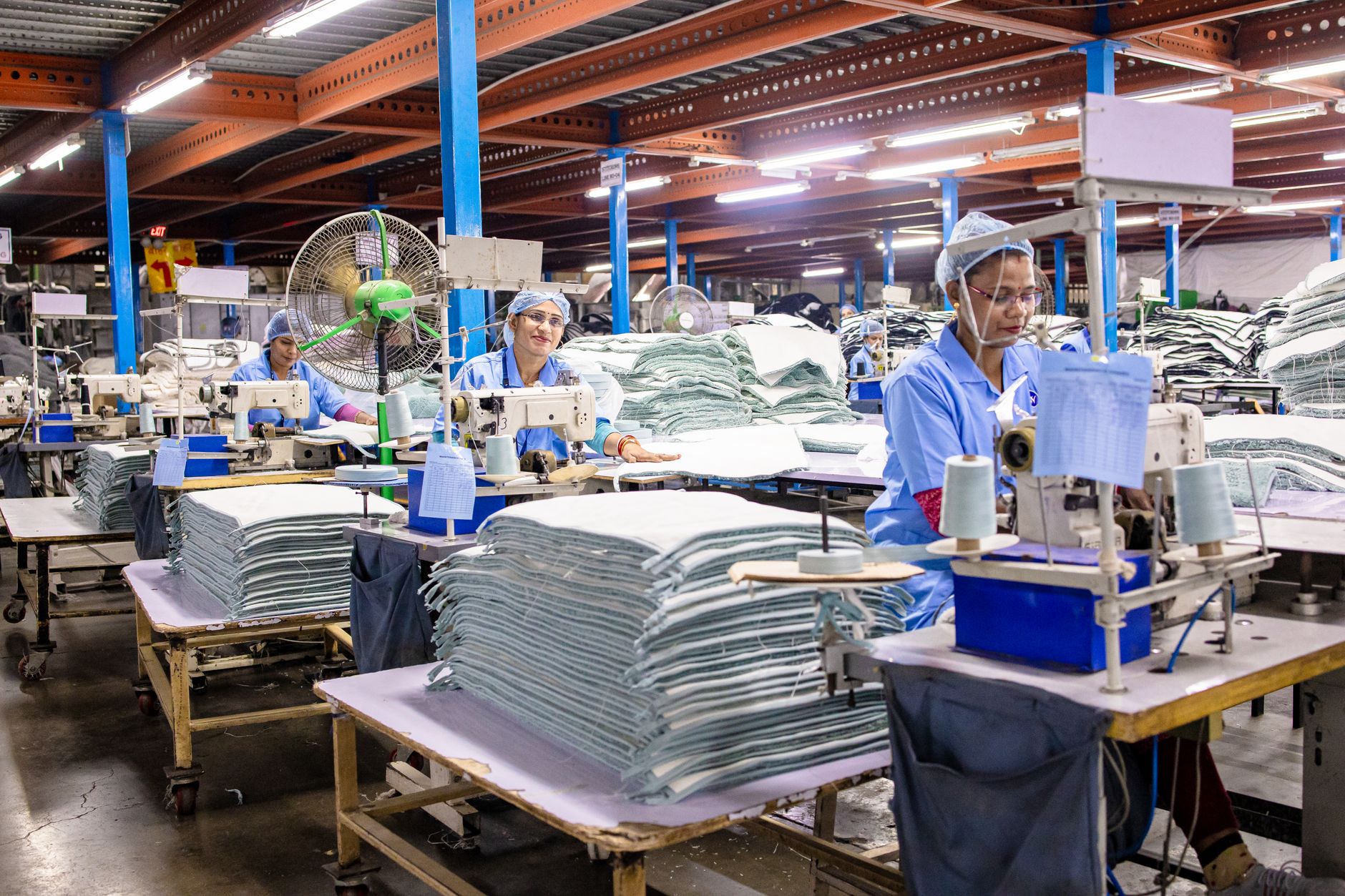
A robot changes the shape of the team. It does not remove the team. The workable pattern is a robot plus fewer staff on the floor, never zero staff. The person who used to walk the route now supervises the unit, clears blocked aisles, loads and unloads at the ends of the route, and takes the exceptions the robot cannot handle.
Plan staffing before go-live. Decide who covers the pick station, who watches the robot queue and who runs the manual route when a unit is out of service. A single robot on a single route rarely replaces a full person, so start with one route and one unit, measure the hours it returns, and add routes only after the numbers hold. Staff also need to know how to stop, release, clear and restart the unit, and what to do when it halts mid aisle.
- Name one lead for exceptions and loading on each shift
- Keep a manual fallback for the route on day one
- Train every shift to clear and restart the unit
- Log every stop and review the log weekly
What can a robot not do in a Birmingham warehouse?
A robot cannot reliably pick mixed items from shelves, unload trucks, handle damaged goods or make priority calls on its own. It needs a mapped, clear path and it stops when that path is blocked. Power loss, network dropouts and charging gaps also halt a route, so the site needs a plan for each.
Adoption is growing, which does not mean every site qualifies. According to the IFR World Robotics 2026 coverage, US industrial robot installations reached about 38,400 units, up 12 percent, with warehousing and logistics among the drivers of growth, moving the US past Japan into second place. That shows the market is maturing. It does not show whether your routes repeat enough or your floor is clear enough to justify a unit.
The economics also depend on volume. A route used a few times a shift returns different hours than one used many times an hour. The unit matters less than the number of trips it can cover.

How do you get started with a robot in Birmingham?
Start by counting. Write down each repeat route, the trips per shift, the path length, the places where the floor is blocked or uneven, and the loads moved. Pick the route with the most repeats and a clear path as the pilot candidate, then measure its trips for a full week before you talk about a unit count.
Next comes a site assessment. We map the route, check floor condition, door and dock clearances, network coverage and charging space. The lease quote comes after that assessment, through financing, so the figure reflects your site rather than a general estimate. We integrate the unit, train the staff and service it nationwide, so the first conversation should be about route data.
When the quote arrives, compare it with hours returned to staff, overtime avoided on that route, and the cost of an unfilled shift. Ask for the go-live support plan, the approach for when a unit is out of service, and the service terms in writing.
What changes the answer for a Birmingham site?
The answer shifts with a small set of conditions. A site with many repeat moves an hour and a clear floor is a different case from a site with few moves, clutter and mixed loads. Check each item below before you decide, and treat any item you cannot answer as a question for the site assessment.
Is a robot worth it compared with a person?
Worth it depends on hours, not headcount. A robot that runs a repeat route all shift returns the person to work that needs judgment, and it does not call in sick. A robot that sits idle because its path is blocked costs time and attention. We do not publish a payback period on this page, because it depends on your route count, shift pattern and the lease quote built from your site.
For a fair comparison, price the person's hours on the route at the local wage for this job, using the government wage data on this page. Add the turnover and training cost you actually face, then set that against the lease quote and the supervision time the unit needs. If the route is short, irregular or cluttered, a person usually wins. If the route repeats often on a clear floor, the unit has a real case.
Frequently asked questions
Put a robot to work in Birmingham.
We walk your site, learn the job, and recommend the unit that fits. Then we quote the lease, deploy it, and keep it serviced.
Sources
- US Bureau of Labor Statistics, Occupational Employment and Wage Statistics (OEWS May 2024)
- BLS Occupational Outlook Handbook: Hand Laborers and Material Movers
- DOL Office of Inspector General report on warehouse injuries
- 2025 Salary Survey, materials handling trade publication
- BLS JOLTS news release
- FRED: Birmingham-Hoover transportation and warehousing employment
- Birmingham Business Alliance, BBA data debrief May 2025
- IFR World Robotics 2026 coverage
- Order-picking travel time research summary