
The short answer
An autonomous mobile robot makes sense for a material handler in Boston when a meaningful part of the shift is repeated, predictable moves between fixed, mapped points, and when the floor can be kept clear enough for a route to run. It does not make sense when routes change every shift, loads are irregular, or the work depends mainly on judgment and hands on each load. In most Boston sites the practical answer is one leased robot working beside the crew, not a plan with zero staff.
Key takeaways
- A robot fits the repeated moves between mapped points in a handler's shift, not the whole job.
- It does not fit routes that change every shift, irregular loads, or floors that cannot be kept clear.
- The usual result is one robot working with the crew, never a floor with zero staff.
- The government wage data on this page sets the local labor cost, but measured hours decide the fit.
- A lease quote follows a free site assessment that times the real moves on your floor.
Does an autonomous mobile robot make sense for a material handler in Boston?
For most Boston operations the honest answer is yes for part of the work and no for the rest. An autonomous mobile robot, often called an AMR, makes sense when a material handler spends a large share of the shift on repeated moves between fixed points, such as carrying carts or totes from receiving to a staging lane, or moving pallets along the same aisles. It does not make sense when those moves change from shift to shift, when loads are irregular, or when the floor cannot be mapped and kept clear.
The useful question is which hours of the job are predictable. Those hours are where a robot earns its place. Hours that depend on judgment, exception handling and hands on a damaged or unusual load stay with people. The split usually runs through the middle of a shift rather than along job titles, so the decision is made task by task, not role by role.
We start by mapping those hours on your site before anyone signs anything. We pick the robot that fits the floor, lease it through financing, deploy and integrate it, train staff and service it across the country. The lease quote comes after a free site assessment, so the numbers reflect your real route rather than a generic estimate.
What does a material handler actually do in a shift?
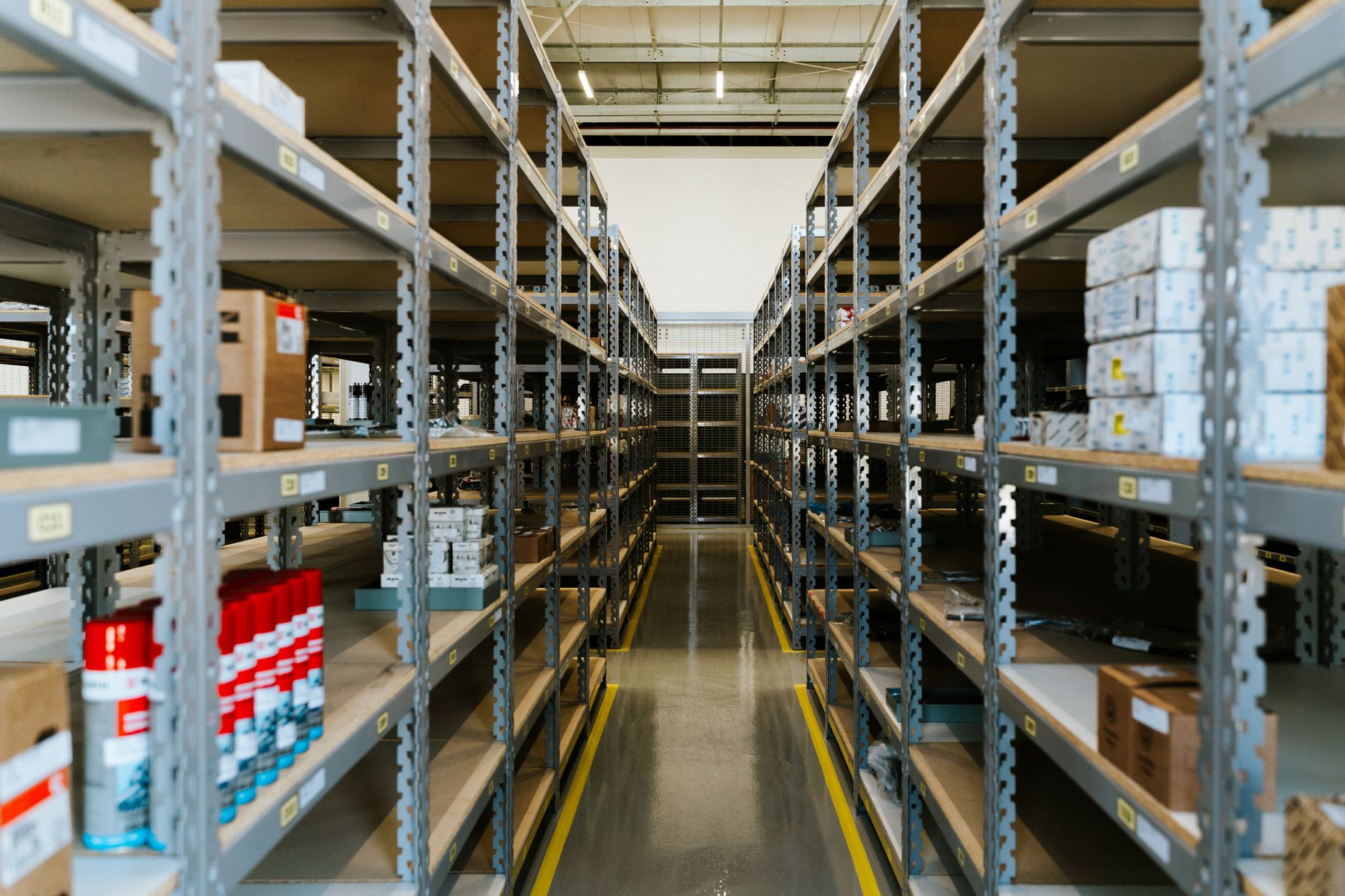
A material handler in a Boston warehouse, distribution room or back dock usually works across several tasks in one shift. The work is physical and frequent: picking up loads at receiving, moving pallets or carts to staging, restocking forward locations and bringing finished goods to the dock. On most floors a large share of the shift goes to walking between tasks and waiting for the next load. That idle time is where a shift quietly slips, and it has to be measured on your floor, not assumed.
Government data shows the scale of the occupation nationally. According to O*NET national trends, drawing on BLS data, Laborers and Freight, Stock, and Material Movers, Hand had about 2,988,900 jobs in 2024 and is projected to reach about 3,033,100 in 2034. The BLS Occupational Outlook Handbook projects about 1,008,300 openings per year on average over the decade for hand laborers and material movers, so training new people is a recurring task, not a one-time event.
Median hourly wage, Laborers and Freight, Stock, and Material Movers, Hand
$5,127
Monthly cost of one full-time worker in Boston, MA, at the median wage plus payroll costs (an estimate, not a quote).
Which parts of the job can a robot take, and which can it not?
A robot can take the repeated carrying: standard carts, totes or pallets moved between fixed points that are mapped, marked and kept clear. It works best on a predictable loop that repeats through a shift, such as receiving to staging or staging to pack. The same route runs at the same pace all night, and it does not slow down near the end of a long shift.
It cannot pick a load it has not been set up to identify, lift a load by hand, decide that a damaged pallet should be pulled, or cope with a dock door that moves every day. It also struggles when people or stock block the route. Those tasks stay with a person, and the crew is planned around them.
- Repeated moves on a mapped route
Autonomous Mobile Robot
Runs the same loop at the same pace with no fatigue
Material Handler
Adjusts when a dock is blocked or a load is oversized
- Overnight coverage
Autonomous Mobile Robot
Can run a mapped, clear loop with no operator on site, with alerts checked remotely
Material Handler
Needs a staffed shift, and covers exceptions as they happen
- Irregular or damaged loads
Autonomous Mobile Robot
Limited to the loads it is set up for
Material Handler
Handles awkward, damaged or mixed loads
- Route changes
Autonomous Mobile Robot
Needs remapping and a test run before it runs the new route
Material Handler
Re-routes on the spot when a plan changes
- Start-up time
Autonomous Mobile Robot
Needs a site assessment, mapping and staff training before go live
Material Handler
Starts after standard onboarding
What do the labor and hours numbers show?
No official BLS figures for hours, overtime or sick leave in the Boston metro were located for this page, so the hour picture has to come from your own floor. The national figures below describe the sector and the occupation, and they explain why steady staffing on this kind of work is hard to keep.
The BLS Industry at a Glance page for warehousing and storage (NAICS 493) reports a total recordable case rate of 4.8 per 100 full-time workers in 2024, a days-away-from-work rate of 1.5 and a DART rate of 4.1. It counts 32 fatalities in 2024, up from 28 in 2023, and about 1.78 million people employed in the sector in mid-2024. The page does not break these rates down by task, so they describe the sector, not any one handler's job.
Turnover is the pressure most managers feel. NELP's 2022 brief, using 2020 data, reported annual worker turnover of about 124 percent at Amazon warehouses in New Jersey. That is one employer and older data, so it shows the pressure rather than a Boston rate. Wagedex, a third-party summary, places the Boston-Cambridge-Newton metro in the middle of metros for this occupation, which is a rough guide rather than a local count.
On adoption, A3 reported that full-year 2025 robot orders in North America rose 6.6 percent, according to trade press coverage of A3 data. First-half 2025 orders were up 4.3 percent in units per the A3 press release of August 12, 2025. Third-quarter orders rose 11.6 percent, and non-automotive sectors took 59 percent of demand, according to the A3 release dated November 19, 2025, which also put January through September orders at 26,441 units. A3 public coverage did not break out mobile robots separately, so these figures show general growth, not AMR fit at any one site.
How does a team work with a robot on the floor?
The robot works as one part of a crew, not a replacement for all of it. In a sound setup the same number of people or fewer stay on the floor, and their time shifts from repeated carrying to loading at marked points, exceptions, damaged loads and checks. A robot with zero staff is not a plan, because someone still has to clear paths, answer alerts and handle whatever the robot stops for.
Staffing changes are usually phased. A common pattern is to start with one leased unit on the highest-volume loop, then add a second once the route and staff habits are settled. Ask early about a backup unit, because a single robot stopping means that loop stops, and a spare keeps the shift moving while a service call is handled.
What can a robot not do well?
A robot cannot do judgment work. It does not decide that a load is unsafe, reroute around an unexpected object in an aisle or recover a dropped load. It does not work well on floors that are uneven, wet or crowded with people walking through the route, or on stock that is moved around every week.
The building sets limits too. Doors, ramps, elevators, dock edges and mixed traffic zones all need checking. Older buildings can have tight aisles, uneven floors or freight lifts that set the size of the route, and the site assessment is where those limits are measured rather than guessed.
A robot also does not remove the need for trained people. Someone has to own the route, respond to alerts and service calls, and keep the floor clear. A robot changes what those people spend their time on, and it asks for that time up front during deployment.
What should you check before deciding?
Before a lease is quoted, these are the points that change the answer. Most of them are measured during the free site assessment, and together they decide whether a robot is the right tool for this floor, the right size of fleet and the right staffing plan.
Is it worth the cost compared with a handler in Boston?
The government wage data panel on this page shows the local wage for this job in Boston, and that is the right starting point for the comparison. It is not the whole comparison. The fair test is the share of hours a robot can take, the staffing you keep, the cost of delayed moves when a shift falls short, and the cost of a stopped loop when a robot is down.
We do not publish a robot price here. Robots are leased through financing, and the lease quote comes after a free site assessment that maps the route, counts the repeated moves and sets the staffing plan. Ask for the quote to show the hours behind each assumption, so you can check it line by line.
Service matters to the result as much as the lease. A plan with maintenance included covers on-site dispatch and remote triage, so a stopped robot gets attention without your own technician having to learn the machine. Ask what is covered, how fast dispatch happens and what happens to the loop while a unit is out.
How do I start with a leased robot in Boston?
Start with a site assessment. We map the route, time the repeated moves, check floor condition, doors and lifts, and find the loop that returns the most. The output is a lease quote and a staffing plan you can check against the measured hours.
Then pilot one unit on one loop. Train the staff who will clear paths and answer alerts, go live with support on site, and review every stoppage in the first weeks. If the loop holds, expand phase by phase, adding units only where the hours are proven. Raise lease financing options and a backup unit at the start, so the plan covers a stopped robot as well as a running one.
Frequently asked questions
Put a robot to work in Boston.
We walk your site, learn the job, and recommend the unit that fits. Then we quote the lease, deploy it, and keep it serviced.
Sources
- US Bureau of Labor Statistics, Occupational Employment and Wage Statistics (OEWS May 2024)
- BLS Industry at a Glance, Warehousing and Storage (NAICS 493)
- O*NET OnLine, Laborers and Freight, Stock, and Material Movers, Hand national trends
- BLS Occupational Outlook Handbook, Hand Laborers and Material Movers
- Robotics247, A3 robot orders grow 6.6% in 2025
- Business Wire, A3 press release, November 19, 2025
- Business Wire, A3 press release, August 12, 2025
- NELP, Amazon New Jersey Turnover Data Brief (2022)
- Wagedex, material moving workers all other