
The short answer
For most Detroit sites, the autonomous forklift vs forklift operator choice comes down to route: a robot makes sense when a steady share of pallet moves repeat the same mapped path every shift, and an operator is the better fit when the work centers on truck loading, mixed or damaged loads and changing yard surfaces. The usual answer is a robot plus fewer staff on the repeatable route, with people keeping the exceptions, not a robot that replaces the crew. Measure your own move hours and overtime before you decide, because the metro labor data frames the market but cannot tell you whether your route is repeatable.
Key takeaways
- Robots fit repeatable pallet moves on fixed routes, while operators keep truck loading, damaged loads and exceptions.
- Detroit-Warren-Dearborn transportation and warehousing employment was 101.9 thousand in December 2025, according to FRED.
- The government wage data on this page gives the local wage for this job, and it should be set against measured hours.
- Forklift work carries real injury risk, so route and traffic planning belong in the decision from day one.
- Plan for a robot plus fewer staff, never zero staff, with a named person owning stops and service calls.
Autonomous forklift vs forklift operator in Detroit: which makes sense?
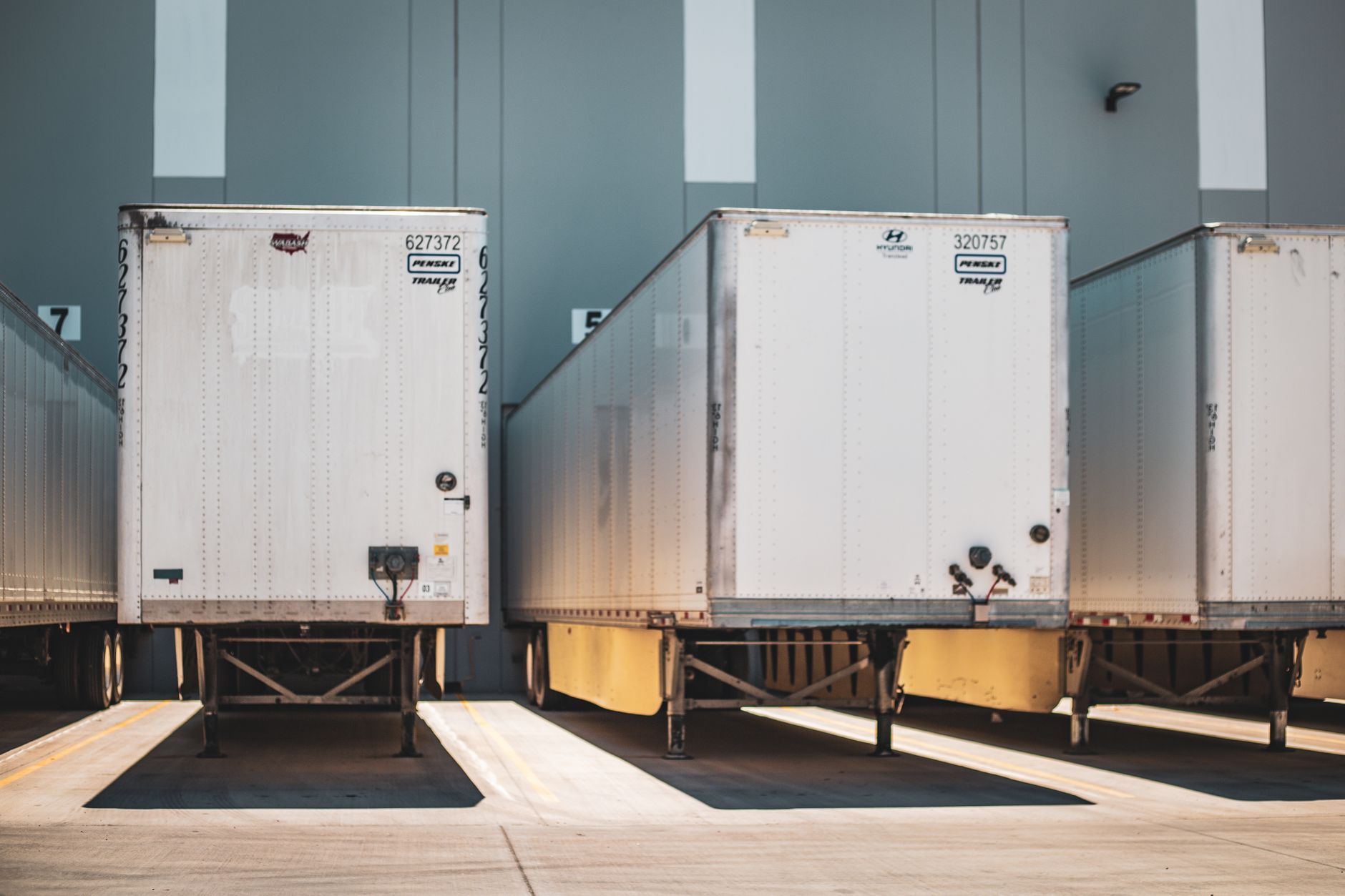
For a Detroit site, the autonomous forklift vs forklift operator question is mostly a question about routes. A robot makes sense when a steady share of pallet moves repeat the same path every shift, such as receiving to reserve racking, or staged pallets carried along a fixed line to a dock. It makes less sense when the work is mostly truck loading, mixed or damaged loads, or moves across yards with changing surfaces.
A robot is a poor fit when demand is irregular, the layout changes often, or the workflow is built around exceptions. In those cases the forklift operator remains the better fit, and a robot may only cover a narrow corridor. A common outcome of a careful review is a hybrid plan, with a robot on the repeatable route and fewer operators on everything else. That is how the work usually splits, not a sign the idea failed.
What does a forklift operator actually do in a shift in Detroit?
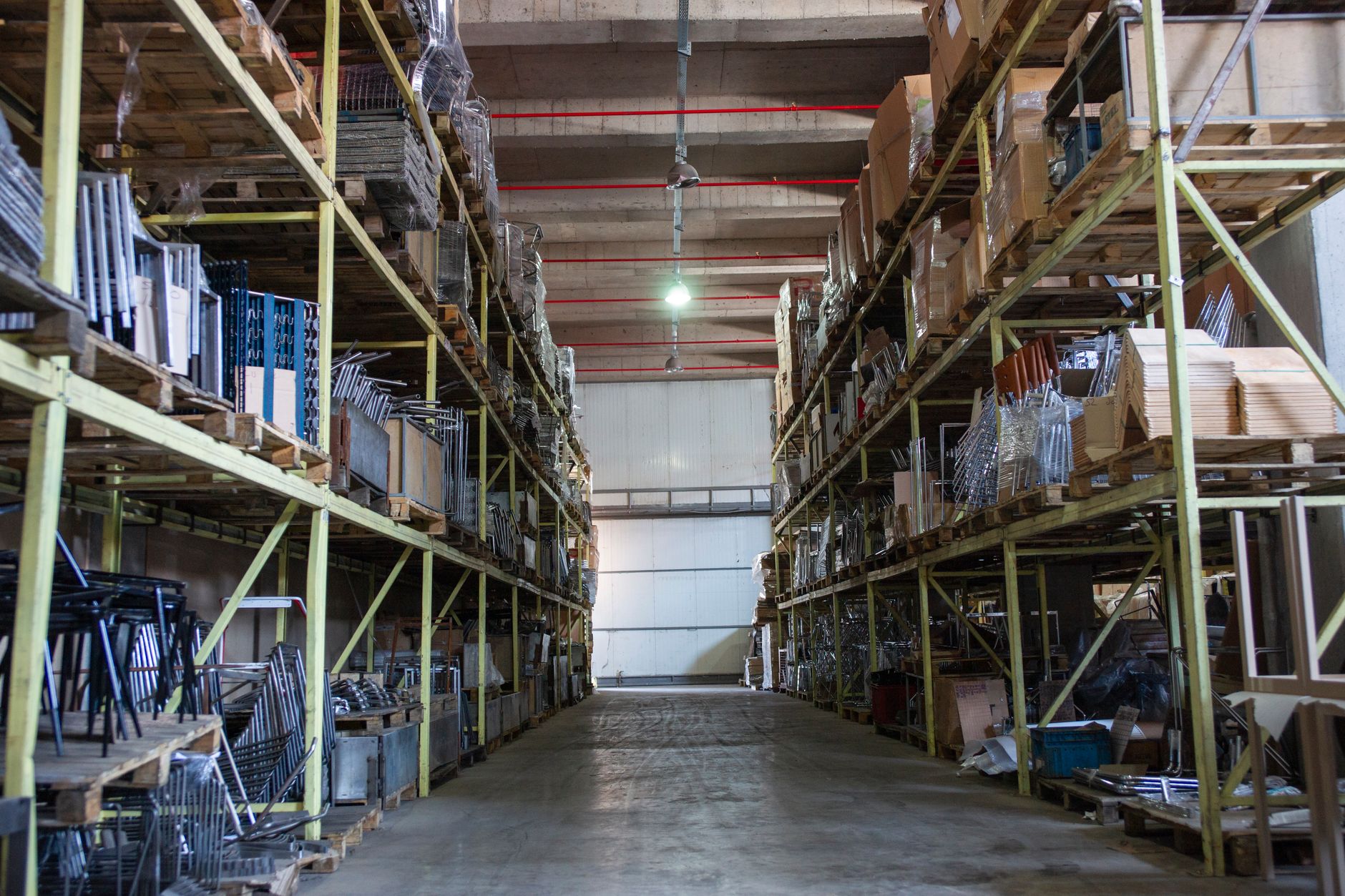
An operator's shift is rarely one long run of pallet moves. It is a mix of pre-shift truck checks, taking receiving loads, putting away to reserve, pulling orders or replenishing a pick face, loading or unloading trailers, staging outbound pallets, and clearing exceptions as they come up. Each handoff is a point where a person reads a label, checks a count or spots a damaged load.
Much of the time goes to small decisions that never appear on a route map. Which pallet goes first, whether a load is stable enough to lift, whether a dock is clear, whether someone is walking in the aisle. That judgment is the main thing a person brings to the job, and it is why operators are hard to replace in mixed work.
Some of the day is also communication. Operators tell a supervisor about a damaged rack, a blocked door or a short count, and they often make the first call on whether a load goes out or waits. None of that shows up in a move count, so a time study that only counts moves will understate what the role does.
Median hourly wage, Laborers and Freight, Stock, and Material Movers, Hand
$4,476
Monthly cost of one full-time worker in Detroit, MI, at the median wage plus payroll costs (an estimate, not a quote).
Which parts of the work can an autonomous forklift take, and which can it not?
An autonomous forklift is best at the repeatable middle of the shift: full pallets moved between fixed points along a mapped route, at a steady pace, on a set schedule. Typical fits include reserve to pick face moves, staging pallets to a line, and carrying outbound pallets to a fixed dock side. The route has to stay stable enough that the map remains valid.
Its limits sit at the edges. Loading or unloading a trailer means dealing with variable dock height, dock plates and loads placed by hand. A robot should not decide whether a damaged pallet is safe to move, and it should not be asked to. Yard work across uneven or changing surfaces, and any stop that needs a person to clear a jam, also stays with staff.
- Repeatable pallet moves
Autonomous Forklift
Holds the same route at a steady pace once the map is valid
Forklift Operator
Slower on the same route, but reroutes around a blocked aisle without a remap
- Night coverage
Autonomous Forklift
Runs its programmed route on a set schedule, including nights, once a named person owns the stop list
Forklift Operator
Works any hour the site staffs, and can take a break, a call or a new task
- Truck loading and unloading
Autonomous Forklift
A poor fit when trailers and dock heights vary
Forklift Operator
Wins: reads each load, handles the dock plate and loose cargo
- Damaged or odd loads
Autonomous Forklift
Stops and waits for a person
Forklift Operator
Decides whether a load is safe to move
- Route change
Autonomous Forklift
Needs remapping and a route check before it runs again
Forklift Operator
Learns a new path within a shift
- Setup before first move
Autonomous Forklift
Site mapping, integration and go-live support come first
Forklift Operator
Trained under the site's truck and site-specific program
How much labor is in this job in Detroit, and what do the hours look like?
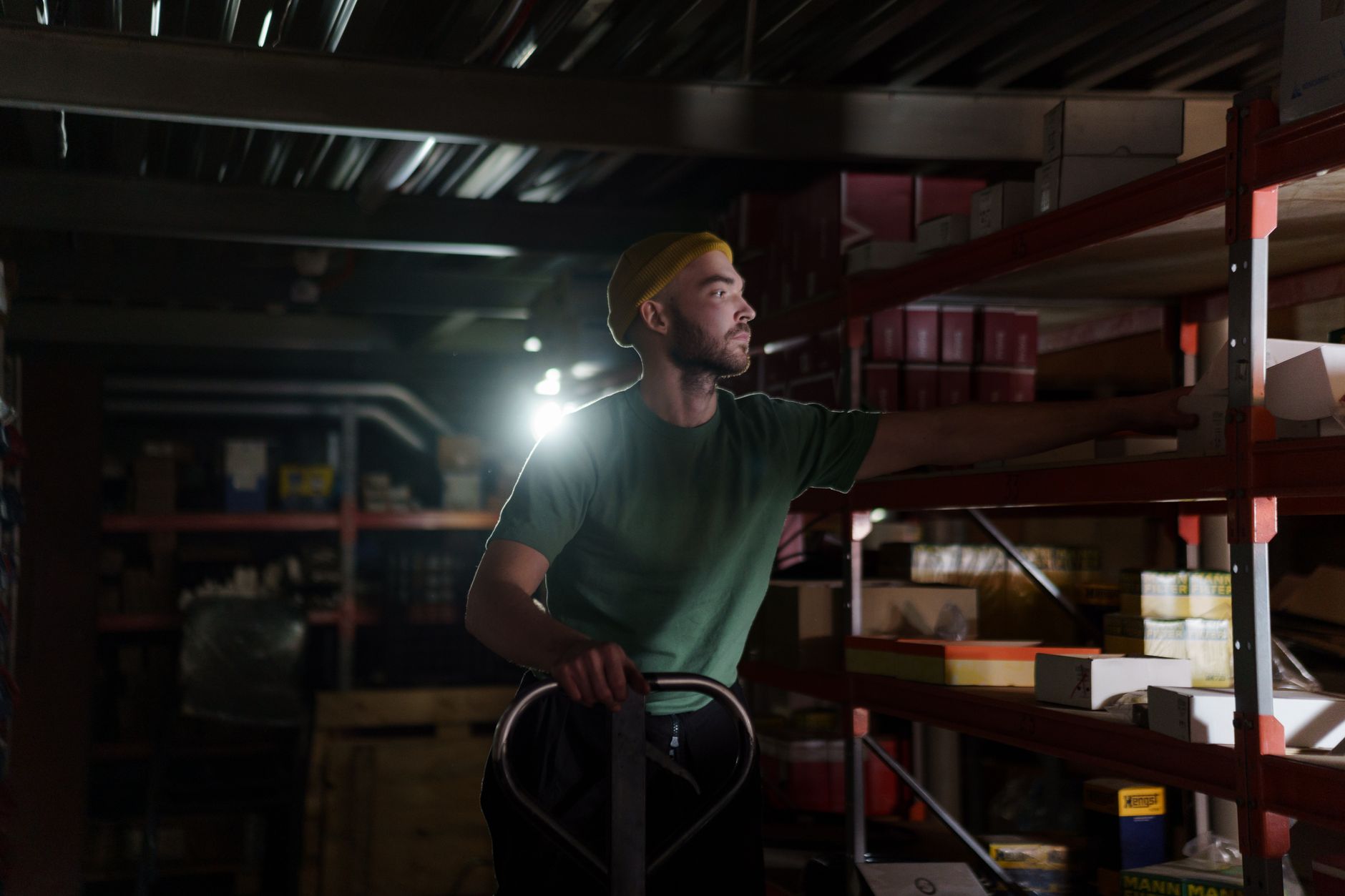
The local labor base is large. According to FRED, which publishes Bureau of Labor Statistics metro employment data, transportation and warehousing employment in the Detroit-Warren-Dearborn metro was 101.9 thousand in December 2025, seasonally adjusted, up from 95.9 thousand in October 2025. The Michigan State University forecast for the same metro projects its transportation and utilities employment at 101.74 for 2025 and 103.73 for 2026. Those are sector-wide figures, not counts of forklift operators, so use them for context only.
For the job itself, the government wage data on this page gives the local wage for laborers and material movers, which is the figure to set against the hours a robot would cover. Nationally, the Occupational Outlook Handbook from the Bureau of Labor Statistics counts about 6,950,000 hand laborers and material movers in 2024 and projects 4% growth from 2024 to 2034. A 5.4% unemployment rate for transportation and material moving occupations in March 2026, according to FRED, says nothing about how often these roles turn over, because it measures people looking for work, not people leaving jobs.
We did not find a verified turnover, separations, overtime or sick-day figure for material movers in the sources we reviewed, so this page does not give one. Pull your own records instead: separations over the last twelve months, overtime hours on the forklift crew, sick-day use on the night shift, and how many shifts went short. Those numbers from your own payroll will say more about this decision than any metro average.
What do injury and safety numbers mean for an autonomous forklift decision?
Forklift work carries real risk. The Census of Fatal Occupational Injuries from the Bureau of Labor Statistics recorded 1,391 fatalities in transportation and material moving occupations in 2024, the most of any major occupational group, down 7.0% from 2023. The fatality rate for that group was 12.5 per 100,000 full-time equivalent workers, down from 13.6. Nationally, the same census counted 5,070 fatal work injuries in 2024.
An OSHA estimate repeated in an OSHA directive puts forklift injuries at about 97,000 a year, including 35,000 serious and 62,000 non-serious. The directive does not state the date of that estimate in the material we reviewed, so read it as an older order-of-magnitude figure, not a current count.
The training rules matter for planning. The powered industrial truck standard, 29 CFR 1910.178, requires operator training and evaluation, and OSHA interpretation letters say that training must be specific to the truck and the site. Ask your safety staff how an autonomous unit fits into your training program and traffic plan before the first route is drawn, since people still work in the same aisles.
How does a team work with an autonomous forklift?
The model that works is a robot plus fewer staff, not a robot in place of the team. Staff move off the repeatable pallets and onto work the robot cannot do: truck loading, exceptions, damaged loads, yard moves, and checking the stops log. A common arrangement keeps the dock crew at full strength and reduces overtime on the reserve run, rather than cutting people from the floor.
Supervision changes too. Someone has to own the route list, review stops and call for service when a unit is down. On a night shift with no supervisor on site, that role needs a named person or a clear escalation path. We set up that handoff during the site assessment, train the staff who work beside the robot, and provide go-live support. A robot that stops with nobody able to clear it is a delay, not a saving.
Are other sites adopting robots for this kind of work?
Automation spending is rising. According to A3, the Association for Advancing Automation, as summarized by a trade publication, robot orders rose 6.6% in 2025, with general industries driving the broader growth. Those figures cover robots across industries, not autonomous forklifts specifically.
We did not find verified shipment figures for autonomous mobile robots in North America in this review, so this page does not quote a market size for them. The more useful test is local: ask for sites in a similar line of business that have run a route for a year, and ask what their overtime and turnover did after the change.
What does it cost to lease an autonomous forklift in Detroit?
We lease robots through financing, so the cost arrives as a fixed lease payment, quoted after a free site assessment, rather than as a single large outlay. The figure depends on the route, the number of units, the floor condition and what service the lease includes. Ask directly whether maintenance is included, how fast a unit is dispatched and what coverage looks like while a unit is down.
Set any lease quote against measured hours, not against a job title. Start with the moves the robot would take: pallets per shift on fixed routes, minutes per move today, and overtime hours that currently cover them. Then add the cost of the staff who stay for exceptions and supervision. The gap between those two numbers is the case, and a site where repeatable moves are a small share of the shift will show a thin gap.
What can an autonomous forklift not do?
It cannot judge. A robot follows its map and its safety rules. It does not decide that a stack looks unstable, that a load shifted in transit, or that a dock plate is out of position. It will stop and wait for help, which is the safe behavior, but a person still has to resolve the stop.
It cannot handle a site that changes without rework. Moving a rack, adding a dock door or reworking an aisle means updating the map and checking the route again. For a site that reorganizes often, that rework is a running cost, and it is the main reason to lock down the route before a lease starts.
It is not a full-shift replacement for a crew, and a plan that claims otherwise will break at the first sick day. Vacations, breaks, unplanned work and exceptions still need staff on the floor. The realistic version of this decision keeps people working, with fewer hours spent on the moves that repeat.
How do we get started with an autonomous forklift in Detroit?
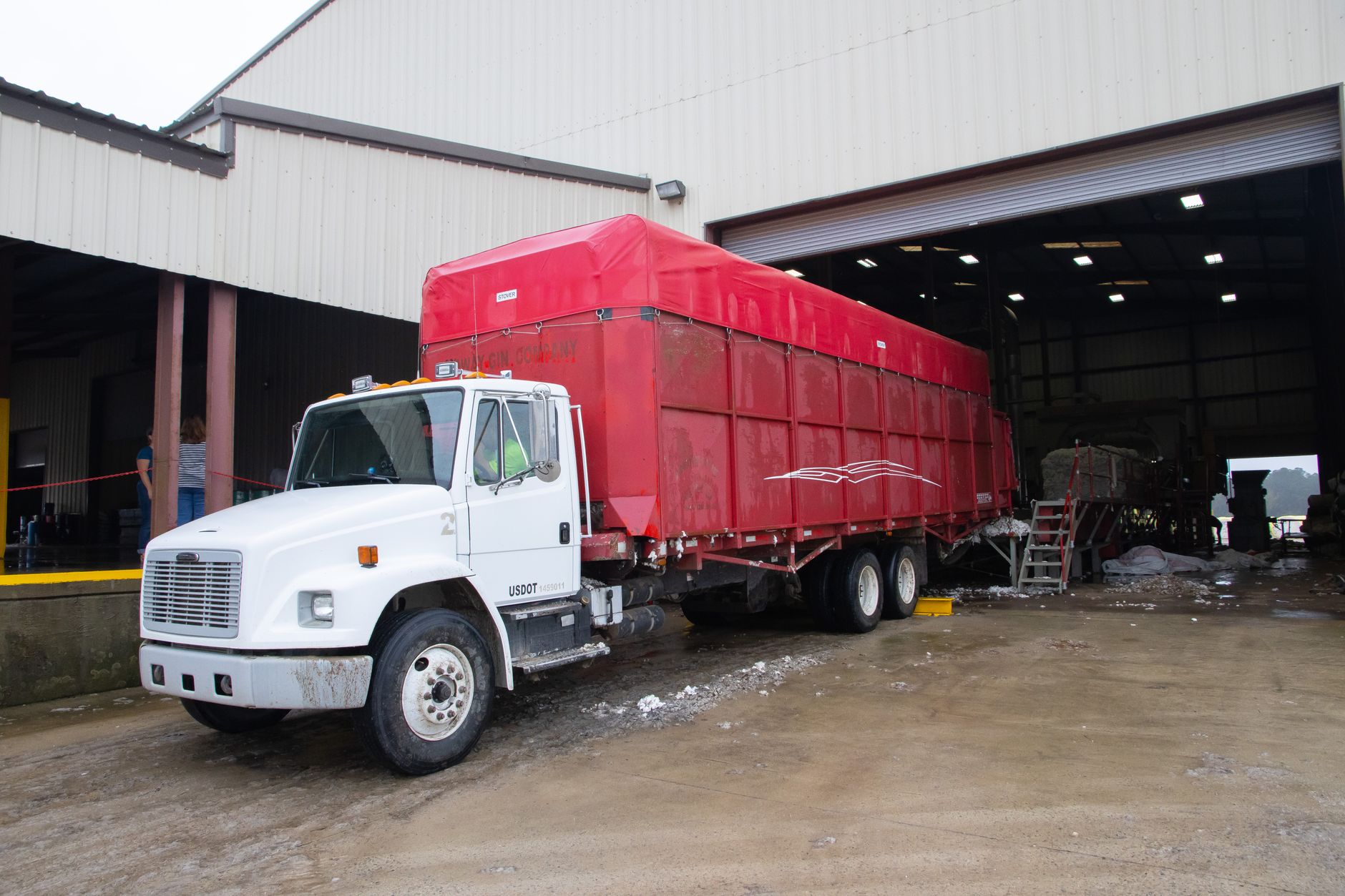
Start with a free site assessment. We map the floor, record the moves that repeat, check traffic and dock layout, and sort the work into what a robot can take and what stays with staff. The output is a route plan and a lease quote built from your numbers.
Then run a pilot on one route before committing further. Starting with one leased unit shows the hours it covers, the stops it causes and how the team absorbs the change. We handle integration and deployment, train staff who work beside the robot, and provide go-live support. We service units nationwide, so one partner handles dispatch and repairs across sites.
Bring three things to the first call: a sample week of pallet moves by route, the overtime and separation records for the forklift crew, and your truck and site training plan. With those in hand, the autonomous forklift vs forklift operator decision in Detroit becomes a measured choice, not a guess.
Frequently asked questions
Put a robot to work in Detroit.
We walk your site, learn the job, and recommend the unit that fits. Then we quote the lease, deploy it, and keep it serviced.
Sources
- US Bureau of Labor Statistics, Occupational Employment and Wage Statistics (OEWS May 2024)
- FRED, Detroit-Warren-Dearborn transportation and warehousing employment
- Michigan State University, Detroit-Warren-Dearborn employment forecast
- BLS Occupational Outlook Handbook, hand laborers and material movers
- BLS Census of Fatal Occupational Injuries, 2024
- OSHA directive on powered industrial trucks, CPL 04-00-023
- OSHA 29 CFR 1910.178, powered industrial trucks
- A3 robot orders for 2025, as reported by Robotics Tomorrow
- FRED, unemployment rate for transportation and material moving occupations