
The short answer
Choosing an autonomous mobile robot vs material handler in Detroit comes down to the work. A robot makes sense when the shift is mostly repeated transport between fixed stations on a predictable route, and it does not make sense when most of the job is judgment, irregular loads, or lifting to height. Where it fits, the robot takes the repeat moves while fewer staff handle loading and exceptions, so plan for a robot plus fewer staff, never zero staff.
Key takeaways
- A robot fits repeat transport on fixed routes, not judgment work or lifting to height.
- FRED data shows about 22,200 warehousing and storage jobs in the Detroit metro in 2025, down from 23,500 in 2024.
- Local overtime, night shift and sick day figures were not verified, so measure them on your own floor.
- Keep people on the team: the robot takes repeat moves, and staff still handle loading and exceptions.
- Start with one leased unit on one route, then expand after a free site assessment.
Is an autonomous mobile robot vs material handler in Detroit a good fit?
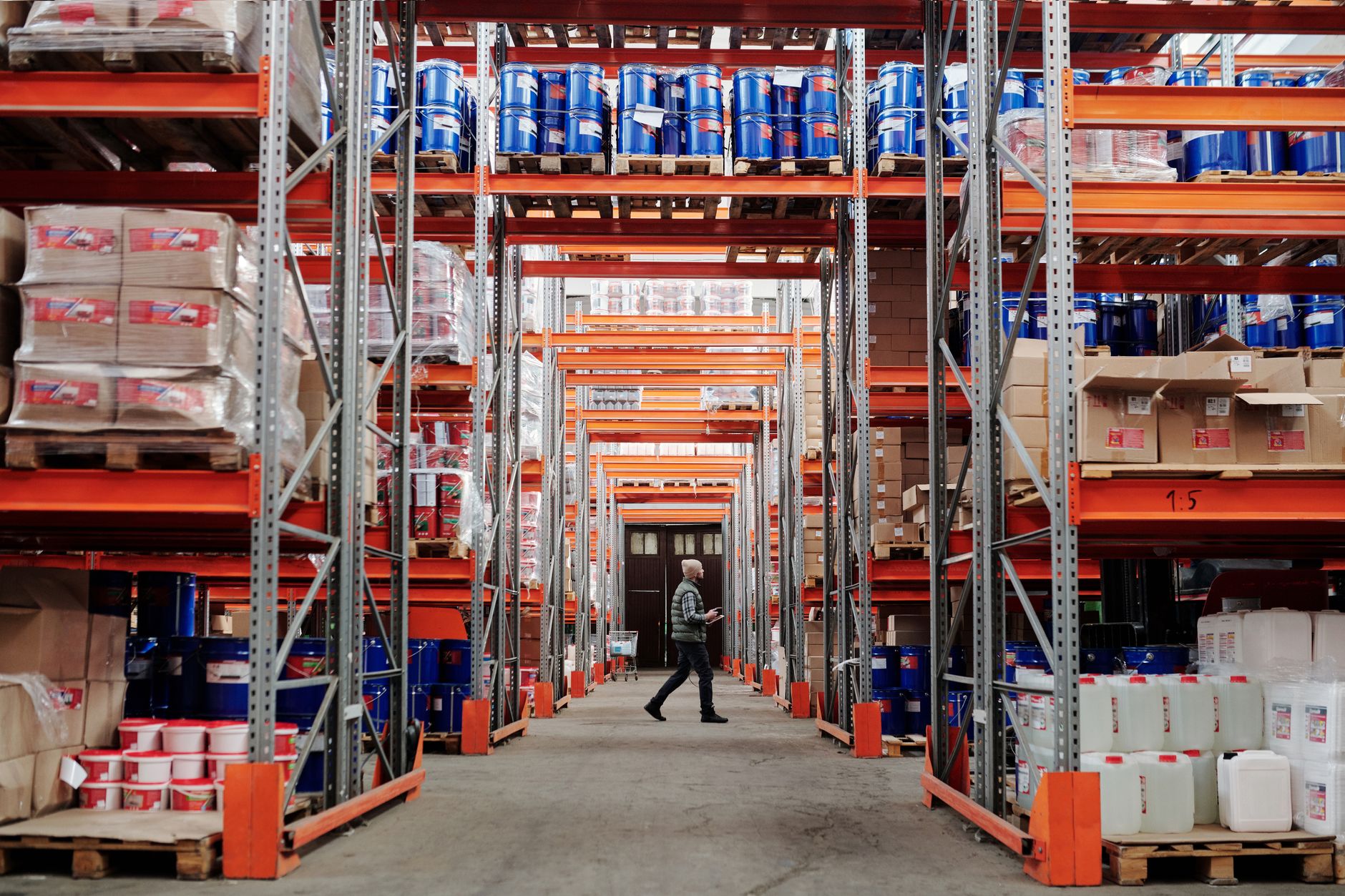
Choosing an autonomous mobile robot vs material handler in Detroit comes down to the work itself, not the building. A robot is a good fit when a material handler's shift is mostly the same moves repeated: carrying totes from receiving to staging, pulling carts from a dock to a line, or running pallets along a fixed loop. It is a poor fit when the job is mostly judgment, such as sorting mixed returns, deciding which damaged pallet to hold, or lifting loads to high racks.
Detroit is a large warehousing market, so the question comes up often. According to FRED, the Federal Reserve Bank of St. Louis, warehousing and storage employment in the Detroit-Dearborn-Livonia metro division was about 22,200 in 2025, down from 23,500 in 2024. Fewer workers in the local pool can make open shifts harder to fill, and a robot can reduce how many shifts depend on one person walking the same route.
The short answer: put the robot on the repeat transport, keep people on everything else, and let the site's own hours decide how far the robot goes. A site assessment is the way to measure those hours.
What does a material handler do during a shift in Detroit?
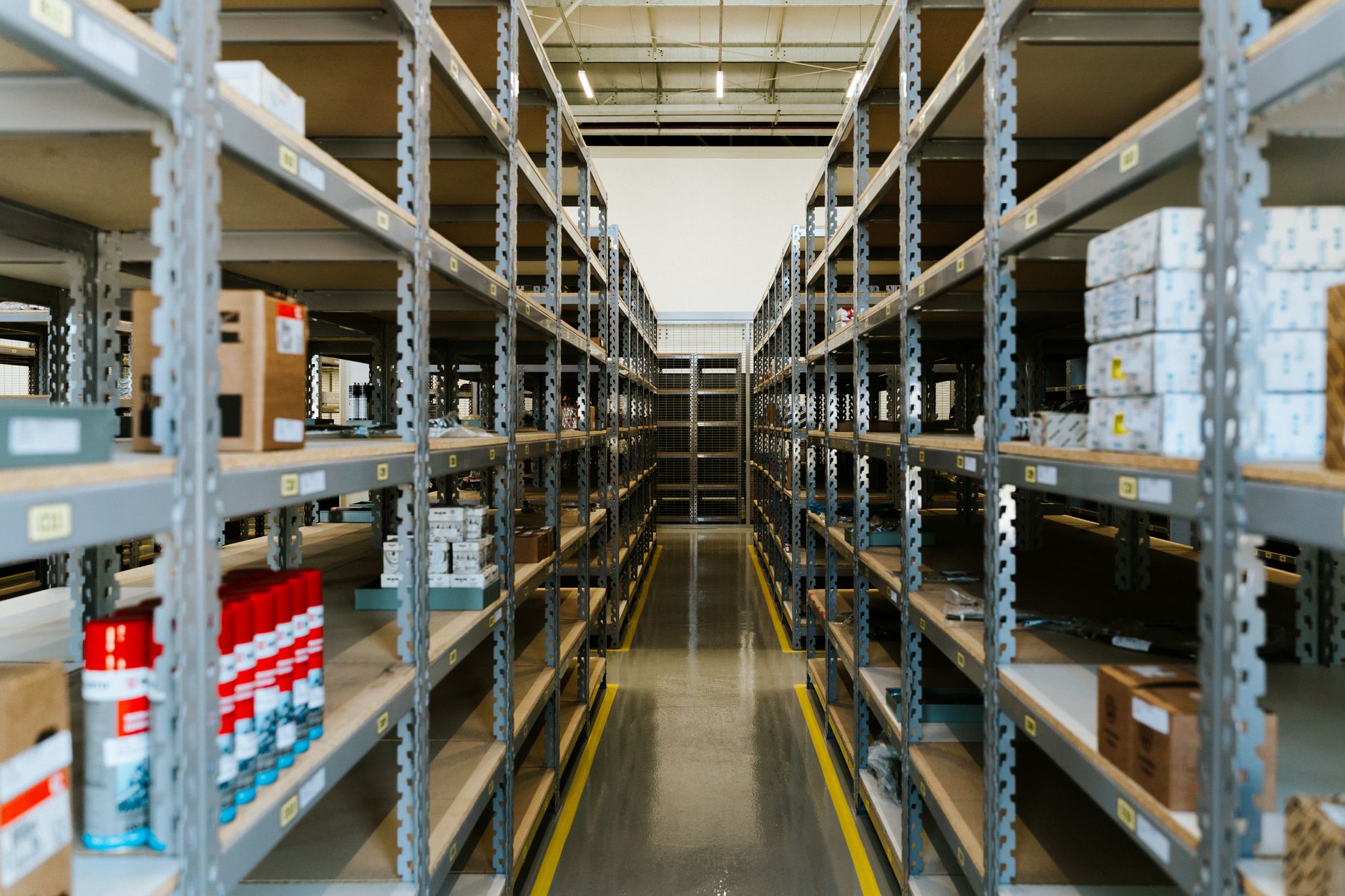
A material handler receives loads, stages them, moves them to where they are needed, and keeps the flow moving. In a Detroit warehouse or plant, that usually means unloading or breaking down inbound freight, building pallets and totes for the next step, replenishing work areas, returning empty equipment, and clearing packaging. The job mixes walking, pushing, lifting, and small decisions about what goes where.
Much of the time can go to travel between stations and waiting for the next load, and that travel is the part a robot removes first. Lifting and sorting stay with people. A useful first step is a walk-and-time study of one shift, listing each trip, its start and end points, the load, how long it takes, and whether the route stays the same from day to day.
The industry numbers give some context. According to FRED, transportation and warehousing employment in the Detroit-Warren-Dearborn area was 64.9 thousand in December 2025, up from 60.8 thousand in October 2025. Those are combined industry counts, not material handler counts, and they include many jobs a robot will never touch. Nationally, the Bureau of Labor Statistics lists 322,590 industrial truck and tractor operators in 2024, which is the forklift side of the work and a separate occupation.
Median hourly wage, Laborers and Freight, Stock, and Material Movers, Hand
$4,476
Monthly cost of one full-time worker in Detroit, MI, at the median wage plus payroll costs (an estimate, not a quote).
Which parts of the job can a robot take, and which can it not?
A robot can usually take point-to-point transport on a mapped route: tote and cart moves between fixed stations, pallet runs between receiving and staging, replenishment loops to a work cell, and empty container returns to a dock. It works best when the start point, end point, and path stay the same from one shift to the next.
A robot cannot pick mixed items from racks at varied heights, lift or stack loads by hand, judge whether a damaged load is safe to move, or handle an unusual load that does not fit its carrier. Unloading a trailer and building mixed pallets usually stay with people. That is why a robot changes the job rather than removing it.
Robot types differ. Some carry totes, some carry pallets, and some tow carts. Matching the type to the load is part of the site assessment, and a mismatch between the robot and the load is an avoidable reason a pilot disappoints.
- Repeat moves on a fixed route
Autonomous Mobile Robot
Same path and same speed on every run
Material Handler
Works the same route, but tires and gets pulled to other tasks
- Blocked aisle or unexpected obstacle
Autonomous Mobile Robot
Stops or waits until the path clears, may need a reroute
Material Handler
Steps around, moves the obstacle, or calls for help
- Lifting, stacking, or high racks
Autonomous Mobile Robot
Not a lifting tool for loads at height
Material Handler
Lifts and stacks by hand within safe limits
- Damaged or unusual loads
Autonomous Mobile Robot
Moves only loads that fit its carrier
Material Handler
Judges whether a load is safe to move
- Night and weekend coverage
Autonomous Mobile Robot
Runs on a set route when the site allows, with a supervisor on call
Material Handler
Needs scheduled staff, overtime or shift pay, and sick cover
- Learning a new layout
Autonomous Mobile Robot
Needs remapping and testing
Material Handler
Adapts after a short briefing
How much labor does this work take, and what does the Detroit data show?
The research for this page did not find verified local figures for material handler staffing per shift, overtime, night shift share, or sick days for this job in Detroit. Those numbers decide how much work a robot can take over, so measure them on your own floor before deciding. Do not fill the gap with a national average and call it local.
Nationally, FRED puts warehousing and storage employment at about 1.86 million in 2024. Estimates of this workforce vary by series, so treat that figure as one benchmark rather than a settled count. The Bureau of Labor Statistics also shows private establishments in warehousing and storage rising from 22,929 in the fourth quarter of 2024 to 23,539 in the third quarter of 2025, as shown on its industry page. More sites can mean more competition for the same workers, which is one reason to check local staffing before a decision.
In Detroit specifically, FRED shows warehousing and storage employment at about 22,200 in 2025, down from 23,500 in 2024 and 22,000 in 2023. The 2025 figure sits above 2023 but below 2024, so the local trend is not a straight line. Read it as a sign that hiring has been uneven, not as a forecast.
For the labor baseline, use the government wage data on this page, which shows the local wage for this job in Detroit. Then add the hours spent on the routes you plan to automate. Once measured, the gap between those two is the real starting point for the decision.
How do turnover and injury rates change the decision?
A secondary summary of Bureau of Labor Statistics job openings data puts the quits rate for transportation, warehousing, and utilities at 2.2 percent in 2025. That is a monthly average, not an annual share of workers, so do not read it as a yearly turnover rate. Even so, every departure restarts training, route knowledge, and the learning curve for a new hire.
A separate secondary safety summary, citing Bureau of Labor Statistics injury data, reports a total recordable case rate of 4.8 per 100 full-time workers for warehousing and storage in 2024, which it describes as about double the all-industry rate of 2.6. That summary's figures were not checked against the primary BLS table, so confirm them there before you put them in an internal memo.
Injury and turnover both follow repeated walking, pushing, and manual handling. A robot can take the repeat transport and cart pushing, but it does not remove the lifting people still do during loading and exception work. The injury benefit depends on which tasks move to the robot, so map the tasks before counting on it.
Are other warehouses already using autonomous mobile robots?
A 2025 automation survey from a material handling trade publication found that over 70 percent of respondents had adopted or planned to adopt autonomous mobile robots or automated guided vehicles. The same survey found 21 percent using self-driving forklifts. Planned adoption is included in those figures, so not every number reflects a running system.
Adoption is a signal about where the industry is heading, not a test of fit for your site. A peer running a robot on a long, clear, predictable route tells you little about a site with short, changing routes and mixed loads. Ask what the other site automated, what it kept manual, and how its staffing changed.
Use adoption figures to justify looking closer, not to justify a decision on their own.
How does a team work with a robot on the floor?
A robot does not work alone, and a good deployment never plans for zero staff. The model is a robot plus fewer staff, never zero staff. People load and unload, clear blocked aisles, recover stalled runs, inspect the route each shift, and handle the loads that need judgment. The team gets smaller on the repeat routes, and it stays the same size wherever judgment is the job.
Staff need short, specific training: the route check at shift start, what to do when a path is blocked, how to clear a stalled run, and how to report a fault. Our integration team deploys and integrates the robot on site, trains staff during go-live, and services the unit nationwide, so the people who run the route always know who to call.
Plan the shift before the robot arrives. Decide who owns the route each shift, who is on call for a stall, and what the manual fallback looks like. Writing these answers down before go-live is easier than working them out during a stall.
What can a robot not do, and where does it fail?
A robot stops or waits when an aisle is blocked, and it will not step around a pallet left in its path unless the layout allows it. It needs a mapped route, and a layout change means remapping. Spills, damaged floor surfaces, and high thresholds also limit where it can go, so floor condition belongs in the assessment.
Robots also depend on charging windows and wireless coverage. A dead spot, or a battery that runs low in the wrong place, can stop a route. Power outages and network faults stop the fleet like any other system, so keep a manual process ready for each route.
Robots are not a judgment tool and not a lift-to-height tool. Savings are not guaranteed, because they depend on route length, load mix, volume, and what the people on the team do with the time they recover. A site running one short route on one shift should not expect the return of a site with many routes across multiple shifts.
Plan for downtime. Keep one person on call per shift, keep a manual method for the route, and ask about backup coverage during the site assessment so one fault does not stop the whole flow.

How do you get started with a robot lease in Detroit?
Start with a free site assessment. We map the route, measure the work, match the robot type to the load, check the floor and charging points, and identify where people stay on the team. The lease is quoted after that assessment, with a fixed lease payment set through financing, so the number reflects your actual route rather than a generic plan.
Robot leasing for business runs through financing, which spreads the cost across the lease term instead of a single large commitment. Ask the quote to show which service items are included, how fast a fault is handled, and what happens during a long repair. We service robots nationwide, so a site outside the Detroit area can follow the same process.
Begin with one leased unit on one route. Measure the hours it takes over and the exceptions it creates, then decide whether to extend. Phased deployment keeps operations running while the team learns the new route, and it gives you real numbers from your own floor before the next lease decision.
Frequently asked questions
Put a robot to work in Detroit.
We walk your site, learn the job, and recommend the unit that fits. Then we quote the lease, deploy it, and keep it serviced.
Sources
- US Bureau of Labor Statistics, Occupational Employment and Wage Statistics (OEWS May 2024)
- FRED, Federal Reserve Bank of St. Louis: Detroit warehousing and storage employment
- FRED: Detroit-Warren-Dearborn transportation and warehousing employment
- FRED: US warehousing and storage employment (NAICS 493)
- Bureau of Labor Statistics: Warehousing and storage industry data
- Distribution center safety statistics summary (secondary, citing BLS data)
- Secondary summary of BLS job openings and quits data
- 2025 automation survey, material handling trade publication