
The short answer
An autonomous mobile robot makes sense in Des Moines when a site moves the same pallets or totes along fixed routes on several shifts and struggles to staff those shifts, while a material handler still wins when loads vary, aisles are congested, or the work changes day to day. The government wage data on this page for the local wage for this job sets the cost to beat, but the decision turns on how many repeat moves a shift really contains. A lease quote follows a site assessment, so the answer should rest on measured volume rather than a guess.
Key takeaways
- A robot fits Des Moines work that repeats on fixed routes across several shifts, not work that changes every hour.
- Count repeat moves per shift and route stability before comparing any lease quote with the local wage.
- Plan a robot plus fewer staff, not zero staff, with one lead who owns the robot.
- Trailer unloading, mixed pallets and damaged goods stay with people.
- The lease payment is quoted after a free site assessment, based on measured volume.
Autonomous mobile robot vs material handler in Des Moines: which makes sense?
For most Des Moines operations the real choice is not robots against people in general. It is about one repeated job: a material handler who moves loads along the same path shift after shift, compared with a robot that can run that path without breaks. The robot earns its place when the path is long, predictable and busy enough to keep it working through a full shift.
It does not make sense when the work is mostly exceptions. If loads arrive in mixed sizes, if other traffic fills the aisles most of the day, or if a supervisor reroutes the handler every hour, the robot spends its time waiting and a person is still needed. In those sites the better first step is usually a layout or staffing change, not a machine.
Des Moines is a reasonable market to test this. According to the Federal Reserve data series for the metro, transportation, warehousing and utilities employment rose from 16.6 in 2022 to 19.7 in December 2025, which suggests the sector is adding work locally. Iowa Workforce Development counted 4,963 transportation and warehousing locations in Iowa in 2024, with truck transportation the largest subsector.
What does a material handler actually do during a shift?
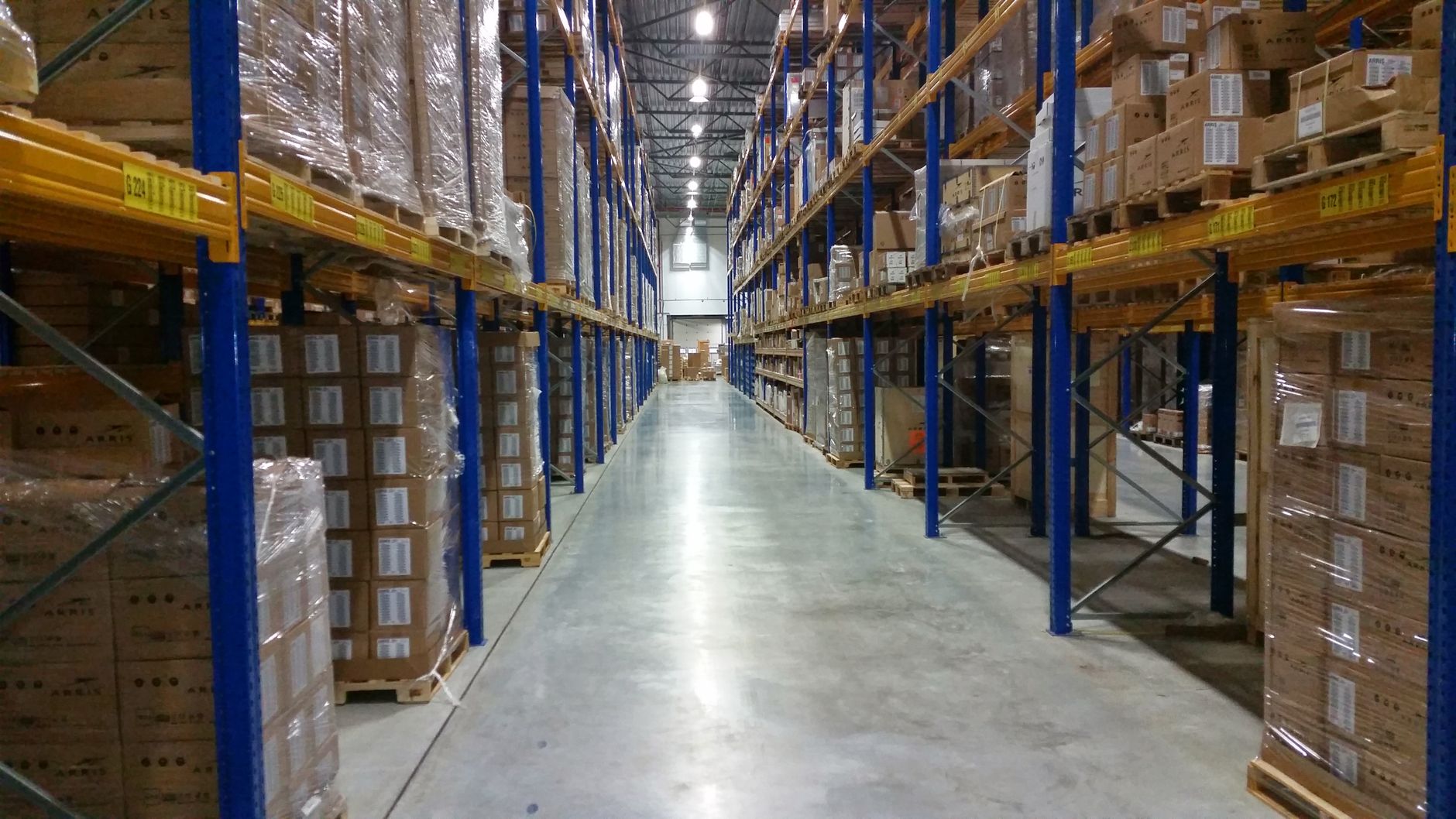
A material handler in a warehouse or plant spends the shift moving goods between points: receiving to staging, staging to a pick location, a production cell to a dock. Much of it is walking, lifting and waiting. On many sites the time spent moving product is only part of the shift, and the rest goes to finding the next load, waiting for a dock door or working around other traffic. Those gaps are the first thing to measure.
Nationally, the Bureau of Labor Statistics counted about 6.95 million jobs for hand laborers and material movers as a broad group in 2024, and its outlook projects 4 percent growth for 2024 to 2034. That scale means the role is common, and most sites that hire for it know the turnover problem well. The work also has a shape that matters for a robot. Some moves repeat on a fixed route, such as a line feed run or a tote pull from the same zone. Others are one time events, like a rush order to an unfamiliar door, and a person absorbs those without thinking. A robot needs the route to be stable, so the repeat moves are the ones to count first.
Injury data explains why this matters beyond cost. According to the Government Accountability Office, transportation and warehousing had the highest serious injury and illness rate of 19 sectors in 2022, at 3.8 cases per 100 workers, based on BLS data. A separate industry safety summary, which is not a BLS release, reports a total recordable rate of 4.8 per 100 full time workers in warehousing and storage in 2024, against 2.6 across all industries. Repeated lifting and walking in congested aisles is where that exposure sits, so removing some repeat trips can matter for safety even when the job itself stays.
Median hourly wage, Laborers and Freight, Stock, and Material Movers, Hand
$5,010
Monthly cost of one full-time worker in Des Moines, IA, at the median wage plus payroll costs (an estimate, not a quote).
Which parts of the work can a robot take, and which can it not?
A robot does best with flat floors, mapped routes, standard loads on a cart or pallet, and a fixed set of destinations. Pallet and tote transport between two points, cart pulls from a staging area to a line, and carrying materials from receiving to a holding zone are the usual fits. The robot runs the same route at noon and at three in the morning, and it does not need a break to stay on pace.
It cannot take the parts that need judgment or hands. Unloading a trailer, breaking a mixed pallet, deciding that a damaged load goes to quality hold, lifting something awkward onto a high shelf or talking with a driver at a dock all stay with a person. Loads that exceed the robot's deck or height limits stay with the handler or a forklift too.
Expect the boundary to move during a pilot. Most sites find that a few routes they assumed were stable are not, and that a few tasks they assumed were simple need a person. Start with a narrow set of routes, then add more once the robot has run without surprises for a stretch of weeks the site agrees on.
- Repeat moves on a fixed route
Autonomous Mobile Robot
Runs the route at the same pace every shift without breaks
Material Handler
Can repeat the route, but fatigue and breaks affect pace and attention late in a shift
- Unplanned or one time loads
Autonomous Mobile Robot
Needs a new route, mapping or a person to set it up
Material Handler
Adapts on the spot, handles odd sizes and urgent requests
- Night and overnight coverage
Autonomous Mobile Robot
Runs the route without someone on the floor, though someone still monitors it
Material Handler
Needs staffing, supervision and pay for off-hours shifts
- Trailer unloading and mixed pallet breakdown
Autonomous Mobile Robot
Not suited to this work
Material Handler
Does this work
- Judgment about damaged or wrong goods
Autonomous Mobile Robot
Flags the problem and stops, does not decide
Material Handler
Decides, sets the load aside and documents it
- Scaling up during peak
Autonomous Mobile Robot
Adds units only if the site has room and charging capacity
Material Handler
Can be hired, trained and scheduled, though hiring takes time
What do turnover, overtime and night shifts look like for this work?
The local wage for this job appears in the government wage data panel beside this text, and it should be read next to the hours rather than alone. The official BLS May 2024 release for the metro reports a mean hourly wage for all occupations that sits below the national figure. That says something about the local labor market but nothing about your site. The question that decides the case is how many hours a shift spends on repeat moves, and how hard those hours are to fill.
Turnover in this part of the economy is high. The BLS layoffs and discharges series for transportation, warehousing and utilities, reported through the Federal Reserve data series, reads 4.0 for December 2025 and 5.2 for January 2026. Churn at that level means a site is always training someone, and each new hire brings slower moves and more errors. A robot does not quit, but it does need a trained lead who owns it.
Overtime, sick-day and night shift figures for material handlers in the Des Moines metro were not available in the sources checked for this page, so they need local measurement. Pull a few months of timekeeping for the handler role, split regular, overtime and night hours, count call outs, and count open requisitions. Those four measures set your true labor cost far better than any published average.
How does the team work with a robot?
The robot does not replace the team. It takes the repeat moves, and people shift to exception work, supervision and the jobs that need hands. Running a site with zero staff is a risk nobody has measured, because someone still has to load the cart, clear a blocked route, answer a fault and decide what happens when a load is wrong. Plan for a robot plus fewer staff, not zero staff.
A workable pattern gives one person clear ownership of the robot. That lead checks the route list and charge levels at the start of a shift, clears alarms, logs stops and calls for service. The handler count drops through reassignment and attrition rather than a single cut, which keeps the site staffed through the change and protects the people who stay.
Training is short but not optional. Floor staff need to know how the robot stops, how to walk around it safely and what to do when it halts in an aisle. Write the safety rules for people and robots sharing the same space before the first run, not after the first near miss.
What does a leased robot cost, and when does it pay back?
We lease robots through financing, and the fixed robot lease payment is set in a quote after a free site assessment. The right unit, the route count and the charging setup all change the number, so a quote before the assessment would only be a guess. Ask for the quote in writing with the service terms spelled out, including response times for faults on the shifts you run.
Payback depends on three things: the hours the robot takes over, the labor cost of those hours at your site, and how many shifts the robot runs. Work the calculation from your own timekeeping, not a generic average. Uptime also matters. A robot that is down through a night shift costs more than its hourly savings for that shift, so service response time belongs in the same calculation as the price.
The hidden costs are usually charging space, floor preparation, network coverage for the full route and the hours a lead spends on the robot each week. Put them in the model from the start. A realistic model includes them, and the quote should say which of them the lease covers.
What can the robot not do?
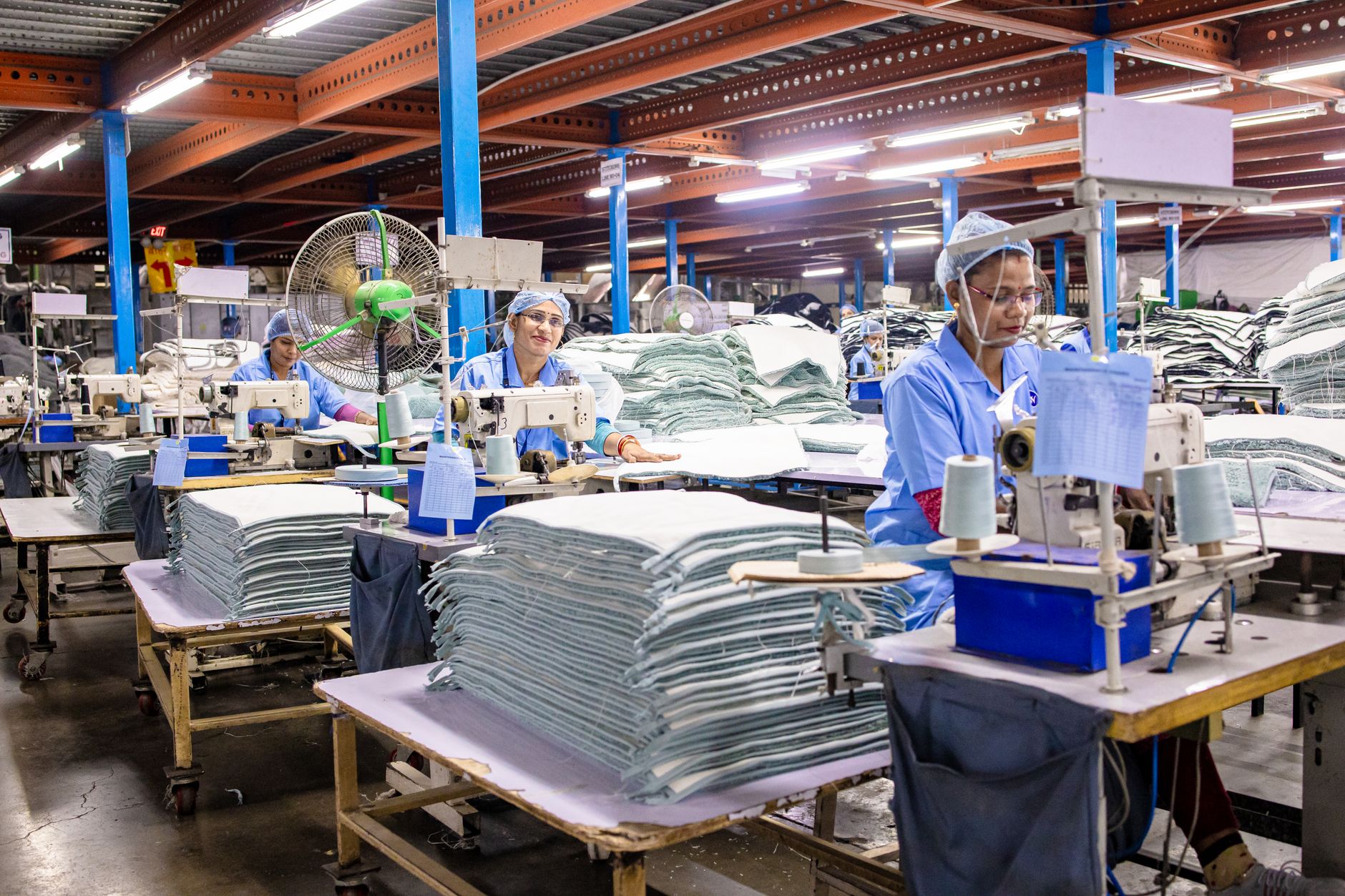
A robot cannot improvise. If a route is blocked, the mapped layout changes or a load does not match its deck, it stops or waits, and a person has to intervene. It cannot lift a load that needs human hands, it cannot read a damaged pallet as well as a trained handler, and it cannot resolve a dock conflict on its own. These limits are not defects. They are the reason the team still exists.
Robots also depend on the building. Floors need to be reasonably flat and clean, doors and lifts need to be integrated or managed by staff, and wireless coverage has to reach the full route. A site that changes its layout every few weeks will spend time remapping, and that time comes out of the savings. Ask how remapping is handled before you commit.
A robot is also the wrong answer where volume is small or erratic. A handful of moves a shift will not justify a lease, and a material handler may be the cheaper option to keep. The assessment should say so plainly if the numbers do not support a robot. That is a useful result.
What should you check before deciding?
Before requesting a quote, measure the repeat moves per shift and the floor conditions. The items below decide most cases, and each one is something a site can check without a vendor.
How do you get started with a robot in Des Moines?
Start with a site assessment. We map the routes, count the repeat moves, check the floor and power, and recommend the robot that fits the layout. The assessment is free, and it ends in a fixed robot lease payment quote, so the decision rests on measured volume rather than an estimate.
Then run a pilot. A pilot with one leased unit on one route, with a backup plan, tells you more than a spreadsheet. We deploy and integrate the unit, train the staff who will work with it and provide go live support. Phased deployment keeps the rest of the building running during the change. When the pilot shows how many hours it takes over, decide whether to add units.
We are a vendor neutral integrator, so the recommendation follows the site rather than a single model. Service is handled nationwide, with on-site dispatch and remote triage for faults. If the numbers do not support a robot in Des Moines, the assessment should say so, and the handler plan stays as it is.
Frequently asked questions
Put a robot to work in Des Moines.
We walk your site, learn the job, and recommend the unit that fits. Then we quote the lease, deploy it, and keep it serviced.
Sources
- US Bureau of Labor Statistics, Occupational Employment and Wage Statistics (OEWS May 2024)
- BLS Des Moines metro OEWS release, May 2024
- BLS Occupational Outlook Handbook, hand laborers and material movers
- O*NET OnLine local trends, SOC 53-7062
- Federal Reserve data series, Des Moines metro transportation, warehousing and utilities employment
- Iowa Workforce Development transportation and warehousing report
- Government Accountability Office report GAO-24-106413
- Distribution center safety statistics summary (industry page, not a government source)
- Federal Reserve data series, transportation, warehousing and utilities layoffs and discharges