
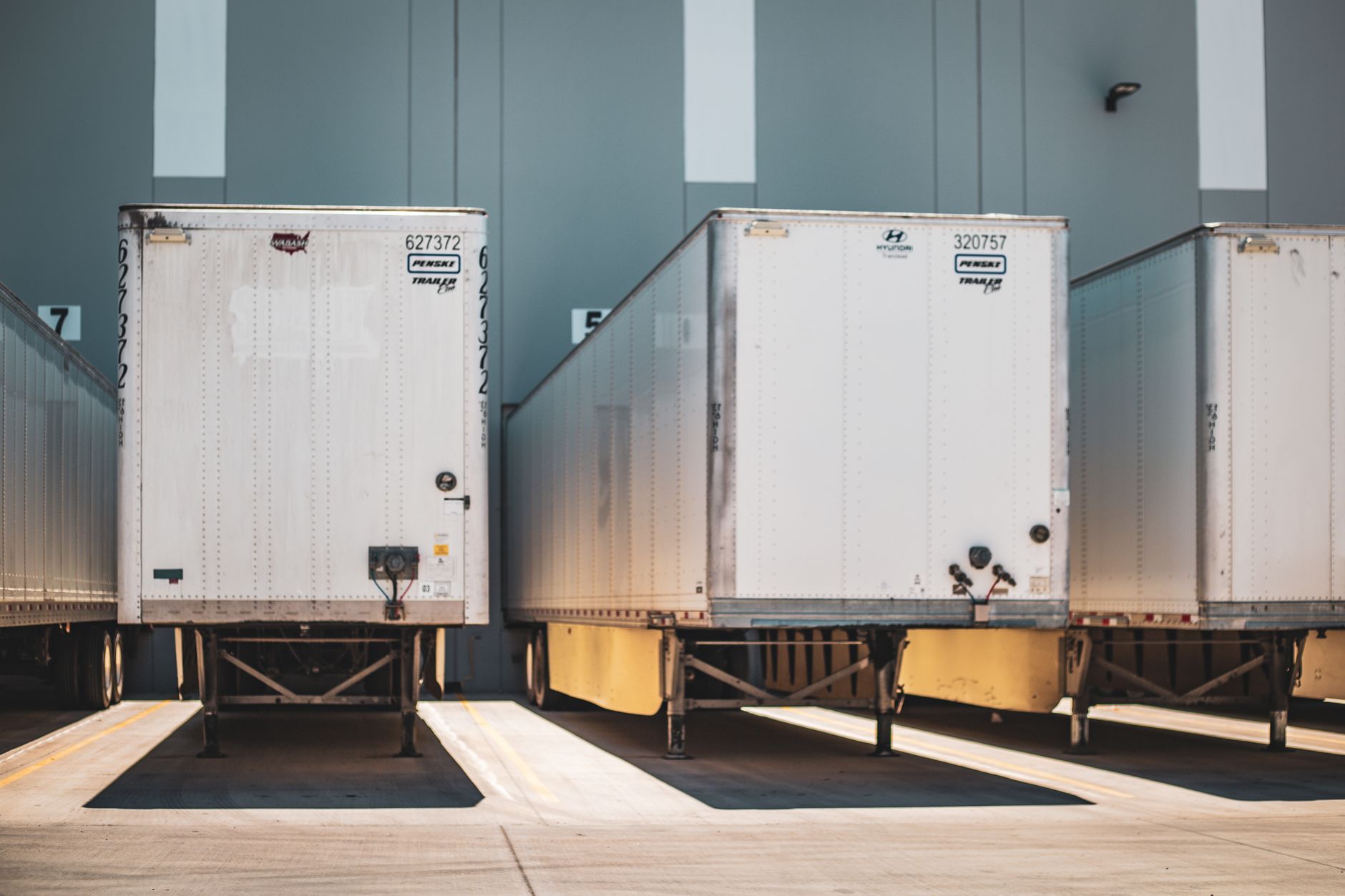
The short answer
An autonomous forklift makes sense in Louisville/Jefferson County when pallet moves repeat on fixed routes, loads are mostly standard, and volume stays steady across shifts, while a forklift operator still fits irregular work such as trailer loading, damaged loads and yard moves. For most sites the strongest result is a robot plus fewer staff, not zero staff.
Key takeaways
- A robot fits repeated, mapped pallet runs, while a person keeps irregular loads and exceptions.
- According to the 2025 BLS Louisville release, about 29,200 jobs held this occupation in the metro.
- Measure your own turnover, overtime, paid leave and sick day coverage before comparing options.
- Pedestrian routes and floor condition matter as much as the robot itself.
- The likely outcome is a robot plus fewer staff, not zero staff.
Autonomous forklift vs forklift operator in Louisville/Jefferson County: which fits?
An autonomous forklift makes sense in Louisville/Jefferson County when pallet moves repeat on fixed routes, loads are mostly standard, and volume stays steady across shifts. Those conditions let the unit run the same mapped path many times without changing how it works. A forklift operator fits better when the work is irregular, the loads change condition from one hour to the next, or the site is still settling its layout.
It does not make sense as a replacement for every forklift task. An autonomous unit follows its route and stops for obstacles, so it struggles with trailer loading where stacks vary, damaged pallets that need a decision, and yard work with trucks parked at angles. A site with a clean pallet flow and a clear floor plan is the strongest candidate. A site with frequent one-off moves or heavy mixed traffic is a weaker one until those conditions settle.
For most sites the strongest result is a robot plus fewer staff, not zero staff. The robot takes the repeated moves, while people handle loading, exceptions, inspections and the decisions that need a trained eye. The useful question is less which machine wins and more which part of the shift is predictable enough to hand off.
What does a forklift operator actually do in a shift?
A forklift operator's shift runs as a loop rather than a single task. The operator takes a pallet from receiving or a staging lane, checks it against the paperwork, moves it to a rack location or a dock door, then picks up the next load. Between moves the operator inspects the truck, charges or refuels it, reports damage and clears blocked aisles. Much of the shift is travel and waiting for the next load, so route design and dock scheduling affect output as much as the individual driver.
Operators also carry judgment that rarely appears in a job description. They watch for pedestrians at intersections and near dock doors, check whether a stack is stable before lifting, and stop when something looks wrong. Those calls are the hardest part of the work to write down in advance, which is why they matter when a site compares a person with a robot.
Median hourly wage, Laborers and Freight, Stock, and Material Movers, Hand
$5,160
Monthly cost of one full-time worker in Louisville/Jefferson County, KY, at the median wage plus payroll costs (an estimate, not a quote).
- Repeated pallet runs
Autonomous Forklift
Follows the mapped route the same way on every run.
Forklift Operator
Adapts the run when a dock is blocked or a plan changes.
- Off-shift runs
Autonomous Forklift
Runs scheduled routes once the route is checked and the charge is planned.
Forklift Operator
Needs a shift schedule, breaks and supervision.
- Irregular or damaged loads
Autonomous Forklift
Handles standard loads, while unusual or damaged loads need a person.
Forklift Operator
Judges load condition and decides on the spot.
- Trailer loading
Autonomous Forklift
Limited where stack shapes vary.
Forklift Operator
Reads the stack and adjusts as the trailer fills.
- Pedestrians and dock traffic
Autonomous Forklift
Stops for obstacles, and needs clear, marked routes.
Forklift Operator
Watches for people and reacts to context.
- Absence and sick days
Autonomous Forklift
Does not call in sick, but a stopped unit still needs someone to clear the fault.
Forklift Operator
Absence needs cover from another worker.
- Changes to the work
Autonomous Forklift
Changes need remapping and testing.
Forklift Operator
Can be briefed and redirected within the same shift.
Which parts of forklift work can a robot take, and which can't it?
The split is clearer when you sort tasks by how predictable they are. The list below reflects the common pattern across warehouses, not a promise about any single site.
Map the daily flow before choosing. Count how many moves of each type a shift contains, how many of them run the same path, and how many need a judgment call. That count decides how many units a site needs and how many people stay on the shift.
- Good fit: repeated pallet moves between fixed points, such as receiving to racking or staging to a dock door.
- Good fit: runs on the same mapped aisles at predictable times, including off-shift moves once the route is checked.
- Poor fit: trailer loading and unloading where stack shape varies and a person must see the load and adjust.
- Poor fit: damaged, leaning or oversized pallets that need a decision before any move.
- Poor fit: yard work on uneven ground, and mixed traffic with trucks and pedestrians at the dock.
- Mixed: order work where the forklift travels to a location and a person does the selection.
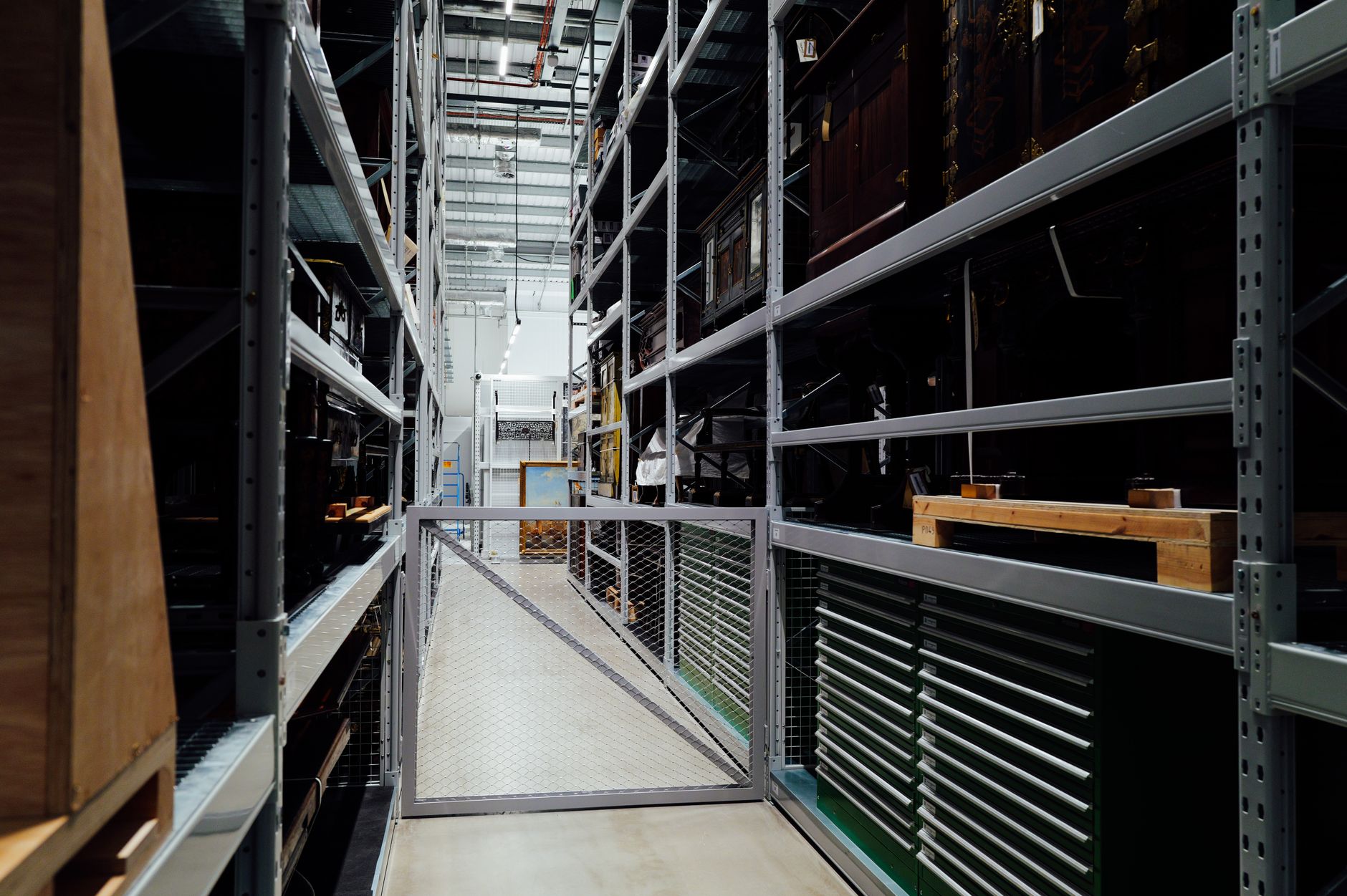
How many people hold these jobs in Louisville, and how much do they turn over?
According to the Bureau of Labor Statistics regional release for the Louisville metro, the occupation Laborers and Freight, Stock, and Material Movers, Hand had about 29,200 jobs in the 2025 release, with a location quotient of about 2.02. A location quotient above 1 means the metro holds a larger share of this work than the national average, so local employers draw from a deep pool of people in these roles.
The government wage data on this page gives the local wage for this job, which is the starting point for any staffing cost comparison. Wages are only part of the picture, because the real cost of an empty forklift seat comes from turnover, overtime and absence.
Turnover estimates vary. A trade article reports average turnover of 11.6 percent across warehouse and distribution operations, without naming the survey behind it. A 2025 warehouse labor report from a staffing vendor says most respondents reported turnover under 10 percent, while a notable share cited higher rates. Treat both as signals, and use your own exit records as the site benchmark.
Paid leave adds cost on top of wages. According to the Bureau of Labor Statistics Employer Costs for Employee Compensation release for December 2025, paid leave in wholesale trade, the closest published proxy for warehousing, came to 7.9 percent of employer costs. The research for this page did not turn up published rates for overtime, night shift work or sick days in this job, so pull those from your own timekeeping records.
| Task | Today | With a robot |
|---|---|---|
| Receiving to racking moves | Operator time on every run across the shift | Robot runs the mapped route, operator checks exceptions |
| Staging to dock door runs | Operator time spent queued between loads | Robot queues and runs, supervisor sets priority |
| Trailer loading | Operator time, always with a person | Stays with a person |
| Damaged or irregular pallets | Operator judgment and careful handling | Stays with a person |
| Pre-shift truck inspection | Operator check before each shift | Operator still checks the truck and the route status |
| Fault clearing | Operator stops work to fix or report | Operator clears the blocked route and the robot resumes |
The research for this page did not turn up national hour figures for these tasks, and hours vary by site. The table shows which tasks move and which stay. Measure your own pick and move logs for the real hour count.
What do injury and safety numbers say about forklift work?

Warehousing is a high-injury setting. A workplace safety records site, citing Bureau of Labor Statistics injury data, lists general warehousing and storage (NAICS 49311) at 4.9 total recordable cases per 100 full-time workers in 2024, and other warehousing and storage (NAICS 49319) at 2.9. That is a secondary summary, so check it against the BLS injury tables before using it in a board packet.
Older OSHA figures, repeated by secondary sites and now dated, put forklift injuries at about 85 deaths, 34,900 serious injuries and 61,800 minor injuries a year. The same material describes about 1.5 million workers operating over 855,900 powered industrial trucks. Read these as historical scale, not current counts.
Pedestrians carry the sharpest risk. A workplace safety summary with no year given says roughly 20 percent of forklift accidents involve a pedestrian, but 36 percent of forklift-related deaths do. A robot does not remove that exposure on its own, so route design, marked walkways and clear dock zones matter as much as the machine.
How does a team work with an autonomous forklift?
The working model is a robot plus fewer staff, not zero staff. The robot runs the repetitive pallet moves across the shift, and people handle loading, exceptions, pallet inspection, dock coordination and anything the robot cannot read or see past. Operators move from driving every run to supervising routes, clearing faults and doing the trailer work.
The change is mostly in how the shift is organized. A supervisor sets the route queue and priority at shift start. An operator checks the robot before the run, clears a blocked aisle when the unit stops, and handles anything that needs a human decision. Staff need to know what the robot does when it halts, who to call, and which floor zones are safe to stand in.
Staffing follows the work mix. If most forklift time is repetitive, the same output can often run with fewer operators. If most of the work is irregular, the robot adds less and the site keeps more people. Plan the staffing from the shift mix, not from a headcount target.
What can an autonomous forklift not do?
It cannot judge loads the way a trained person does. The robot follows its mapped route and stops when its sensors detect an obstacle. It may not reliably catch a leaning stack, a torn wrap, an unlabeled hazard or a load that should be rejected at the dock. Those decisions stay with people, and any plan that assumes otherwise will fail on the first bad pallet.
It cannot fix the floor. Standing water, debris, uneven joints, dock plates out of position or a blocked aisle will stop it, and a stopped unit holds its route until someone clears it. Floor condition and aisle discipline are the first things to check on any site, before any robot is quoted.
It cannot take over every zone. Uneven yard ground, mixed traffic at the dock and tasks that need reach outside the mapped area are usually outside its scope. Many sites keep a manual forklift for these tasks, and that arrangement is normal.
It is also not a fix for a process problem. If pallets arrive mislabeled, or the layout changes every week, the robot will carry the disorder faster. Clean up the process first, then decide whether the remaining repetitive flow justifies a robot.
Is an autonomous forklift worth it? Lease cost, savings and payback in Louisville
Whether an autonomous forklift pays off depends on a few variables: how many repetitive moves a shift holds, how many shifts run, how often aisles stay clear, how much the site loses to turnover and open seats, and how much of the work is irregular. A site with long, steady runs on two or more shifts has a stronger case than one with short, changing moves on a single shift.
Adoption is rising across US industry. According to the International Federation of Robotics, as reported in trade press, US industrial robot installations rose 12 percent to almost 38,500 units in 2025, the third-highest year on record. Food, warehousing and logistics were among the drivers. That signals demand in these settings, not a guarantee of results at any one site.
Build the comparison from your own numbers: the local wage for this job from the government data on this page, your turnover and overtime records, your paid leave costs and your injury log. Then ask for a site assessment. We lease robots through financing, so a site does not need a large upfront capital outlay to start, and the lease payment is quoted after the free site assessment.
How do you get started with an autonomous forklift in Louisville/Jefferson County?
Start with the floor, not the robot. Walk the route the pallets take, time it on a normal shift and on a peak one, and log the irregular moves. Note where aisles get blocked, where people cross paths and where the floor is uneven. That map decides whether a robot fits, and it is the first input any integrator will ask for.
Then book the site assessment. We map the floor, identify the routes and tasks that suit a robot, flag the ones that do not, and recommend a number of units. We pick the right robot for the site, arrange lease financing, deploy and integrate it, train your staff and service it nationwide, so one partner covers the robot from the first walk through to maintenance.
Plan a pilot. Start with one unit on one route, measure it against your own baseline for several weeks, and widen only if the results hold. Ask early about spare unit coverage, so a single fault does not stop the shift, and about how faults are triaged remotely before a technician is dispatched on site.
The lease payment comes with the quote after the free site assessment. That quote should arrive alongside the deployment plan, the training scope and the service terms, so the finance review sees the whole cost in one document.
Frequently asked questions
Put a robot to work in Louisville/Jefferson County.
We walk your site, learn the job, and recommend the unit that fits. Then we quote the lease, deploy it, and keep it serviced.
Sources
- US Bureau of Labor Statistics, Occupational Employment and Wage Statistics (OEWS May 2024)
- BLS Louisville metro occupational employment and wages, 2025 release
- Workplace safety records summary of BLS injury rates, 2024
- OSHA Region I directive on powered industrial trucks
- Workplace forklift statistics summary
- Trade article on warehouse turnover
- 2025 warehouse labor report from a staffing vendor
- BLS Employer Costs for Employee Compensation, December 2025
- Trade press report on International Federation of Robotics data