
The short answer
An autonomous mobile robot makes sense for a Cincinnati site when the same moves repeat on fixed routes across long distances or multiple shifts, while a material handler remains the better fit for irregular loads, tight spaces and judgment calls. For an autonomous mobile robot vs material handler in Cincinnati decision, most sites end up with a robot plus fewer staff rather than a robot in place of the whole crew. A site assessment measures how much of the shift is repeatable enough to hand over.
Key takeaways
- A robot fits repeat transport on a fixed route, while a material handler keeps judgment, odd loads and layout changes.
- Most sites that test this end up with a robot plus fewer staff on repeat moves, not zero staff.
- The national and local counts here show scale and churn, not hours saved, so measure the routes on your own floor.
- The local wage for this job is on the government wage data panel, and the decision turns on hours and coverage.
- Treat vendor injury rates as questions to check, not as targets, and confirm them against the BLS injury chart.
Autonomous mobile robot vs material handler in Cincinnati: when does a robot make sense?
A robot makes sense when the moves repeat. Think tote runs from receiving to a staging lane, pallet trips between a dock and a rack bank, or carts that follow one loop every shift. The route is fixed, the load is predictable, and the work spreads across hours when a person would otherwise walk the same path again and again. The case is strongest in a Cincinnati facility with long aisles or a second and third shift, where gaps in coverage cost more than the handling itself.
A material handler still wins where the work is irregular. Mixed-item picking from odd locations, loads that need a person to read a label or spot damage, trailer loading into uneven spaces, and any task where a supervisor changes the route on the fly all favor people. Sites with frequent layout changes or low move volume are usually poor candidates, because the value of a robot comes from repetition.
Adoption is growing but uneven. According to GlobeSt in March 2026, citing Prologis, autonomous mobile robots and automated guided vehicles are in roughly 10 to 15 percent of facilities, and full automation sits at about 3 to 5 percent of warehouses. Most sites are still deciding, so the choice should rest on your own move counts rather than on a trend line.
What does a material handler actually do in a shift?
A material handler's shift is less one task than a sequence of small moves that keep the building fed. The usual pattern is unloading or staging inbound freight, moving pallets and totes to storage, replenishing pick faces or production feeds, pulling outbound orders to a staging area, and clearing empty containers and waste. A large share of the time goes to walking, waiting for a lift or a door, and resetting when a load does not match its paperwork.
Those interruptions shape the robot decision. A robot can only take the segment that is a clean move from one point to another. The rest, including exceptions, staging judgment and quality checks, stays with people, so the job is rarely split by whole shifts. Map every task on the sheet, not just the job title, before you decide.
The local wage for this job appears in the government wage data on this page, and it helps put a value on staff time. The hours spent on each task matter more, because they decide how much of the shift a robot could take over. Ask supervisors to log a normal week before any site visit.
Median hourly wage, Laborers and Freight, Stock, and Material Movers, Hand
$4,572
Monthly cost of one full-time worker in Cincinnati, OH, at the median wage plus payroll costs (an estimate, not a quote).
Which parts of the job can a robot take, and which can it not?
A robot can take the transport segment: repeat trips along a mapped route between two or more fixed stops, including towing carts and carrying totes or pallets on defined paths. It can run the same trip at night or on a weekend, and it does not tire on a long loop. The route needs a clear start point, a clear drop point, and a path that does not depend on reading shifting obstacles.
It cannot take the parts of the job that depend on judgment or hands. Picking from varied bins, loading a trailer by feel, breaking down damaged pallets, and resolving a mismatch between a load and its record stay with people. The building also has to be ready for it, with doors, lifts, charging positions and pedestrian crossings planned before go-live.
The comparison below sets the two side by side. Where the person wins, it is usually on judgment, odd loads and layout change, and those are the parts a site should keep in human hands.
- Repeat transport on a fixed route
Autonomous Mobile Robot
Runs the same route every shift without breaks once mapped and charged
Material Handler
Walks the route well, but at a human pace and with breaks
- Overnight coverage
Autonomous Mobile Robot
Runs without a person on the route when the map and charging are ready
Material Handler
Needs a night rota, a supervisor on site and staff willing to work the hours
- Irregular loads
Autonomous Mobile Robot
Handles only loads that fit its platform and its route
Material Handler
Adjusts to odd shapes, damage and mismatched paperwork
- Layout changes
Autonomous Mobile Robot
Needs the map updated before it can follow a new route
Material Handler
Adapts the route within the same shift without a change request
- Judgment and exceptions
Autonomous Mobile Robot
Stops and waits for a person when a path or load looks wrong
Material Handler
Decides what to do, escalates and fixes the cause
- Extra coverage at peak
Autonomous Mobile Robot
Adds repeat runs without overtime for the same moves
Material Handler
Adds coverage through overtime, which brings fatigue and sick-day risk
How big is this job nationally and in the Cincinnati metro?
The occupation is large. According to the BLS Occupational Outlook Handbook, 2,988,900 people worked as hand laborers and material movers in 2024. The BLS Occupational Employment and Wage Statistics program reported 3,008,300 employed nationally for May 2023. Those counts come from different BLS programs, so read them as scale and do not compare them as a trend.
The closest local count we verified is the transportation, warehousing and utilities sector for the Cincinnati OH-KY-IN metro. According to FRED, which republishes the BLS metro series, that sector reached 63.9 thousand in December 2025 on a not seasonally adjusted basis, compared with 61.4 thousand in October 2025. For transportation and warehousing alone, FRED lists 62.7 thousand for 2024, down from 64.3 thousand in 2023.
We did not verify a warehousing-only figure for the metro, and no occupation count for Cincinnati was retrieved. Treat the sector series as context rather than a headcount for this job. Your own payroll and your own move logs will tell you more than any metro total.
How do turnover and separations affect coverage on this job?
Turnover decides how often a site loses a trained person and has to start over. According to the BLS JOLTS release, the economy-wide hires rate was 3.3 percent in 2025, down from 3.4 percent in 2024, and the total separations rate was 3.3 percent, unchanged from 2024. Those are annual averages across all industries, so they show background churn rather than a figure for warehouses.
The transportation, warehousing and utilities sector shows the same kind of swing in its layoffs series. According to FRED, its layoffs and discharges figure was 5.2 for January 2026 and 4.0 for December 2025, both not seasonally adjusted. One month can mislead, so look at a full year of your own records before you judge the trend.
We did not retrieve verified BLS figures for overtime, sick leave or the share of night shifts in this occupation. Those are the numbers that most change the case, so take them from your timekeeping data. A robot does not remove a shift on its own, but it reduces how often one person has to cover a repeat run alone at night or on a holiday.
How does a team work with a robot in the building?
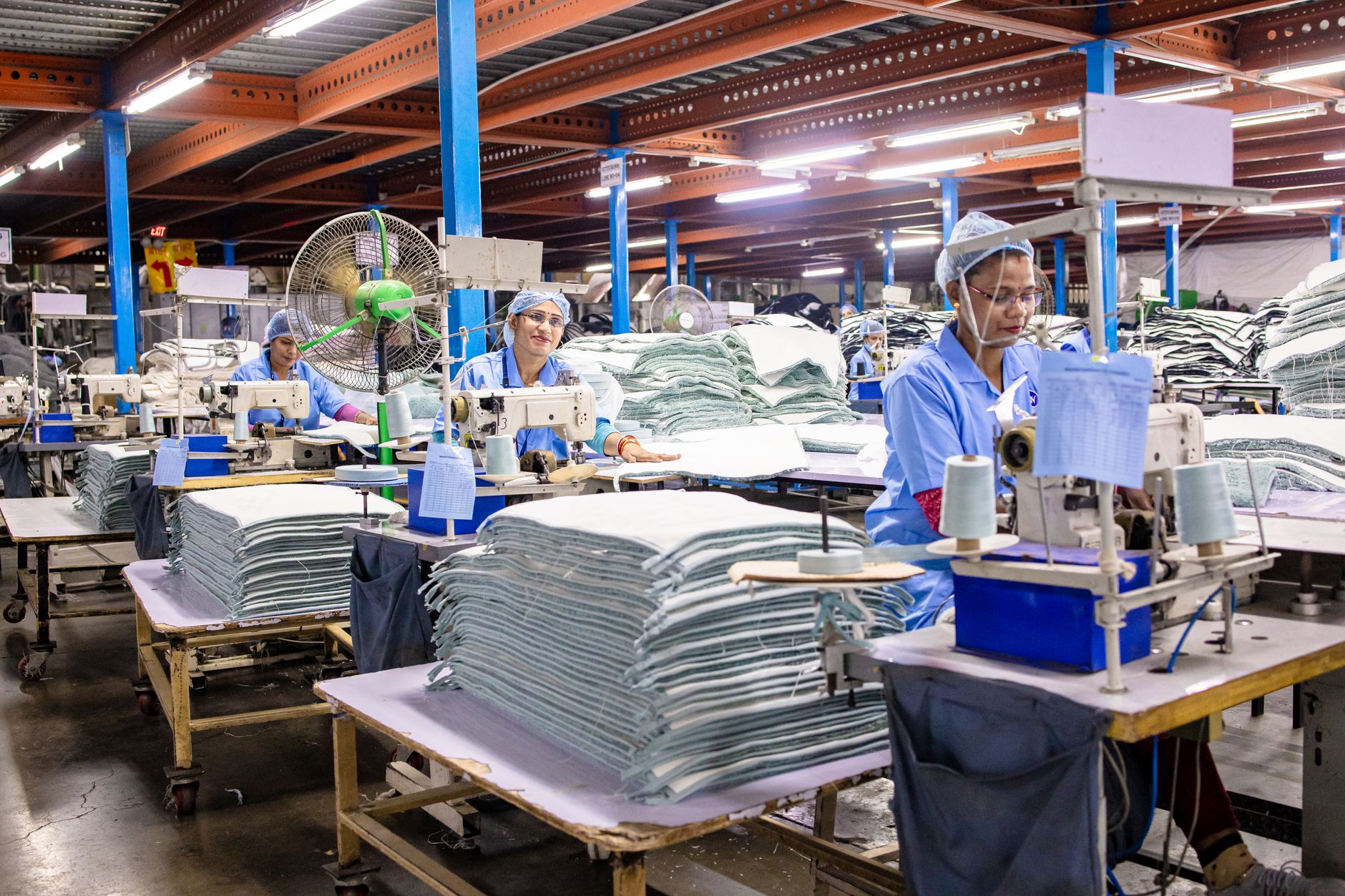
The robot should work alongside staff, not in place of the whole crew. A person keeps the exception work, checks and loads what goes onto the robot, and handles the stops that need a second pair of hands. The robot covers the repeat transport, so fewer people are tied up on those moves, and the people left do the work that needs a person.
Setup matters more than most managers expect. Staff need to know how to call the robot, clear a blocked route, recognize a fault and reset a stop. In our deployments we train the team during go-live and document routes and stop points, so a shift lead can make small changes without waiting for a service visit.
Plan around uptime. Keep at least one trained person on each shift who can run the basic checks, and agree in advance who calls for service when the robot is down. Critical moves should never depend on a single route, so keep a manual path for the most important loads.
What does injury data say about this job and the robot?
Warehousing carries a meaningful injury burden. A vendor safety analysis reports a total recordable case rate of 4.8 per 100 full-time workers for warehousing and storage in 2024, and attributes the figure to BLS, although it was not checked against the BLS table. Treat that as a directional figure and confirm it on the BLS injury chart before using it in a formal review.
Robots reduce one specific exposure: the repetitive walking, pushing and lifting that many handlers do through a whole shift. They do not remove forklift traffic at the dock, and they bring their own rules for aisles and pedestrians. A site assessment should show where people and robots cross, because those crossing points are where the safety plan has to be written.
Ask for the route data and the stop list before anyone signs off on safety. A written procedure for a blocked route, a fault or a person in the lane protects the team more than any general claim about the technology.

What can the robot not do?
A robot does not run a whole shift, and it does not replace a supervisor or a person who can clear a jam. It works inside the map it was given. A new rack position, a relocated dock door or a rearranged staging area means someone has to update the route before the robot can use it.
It cannot read a mismatched label, decide that a load is unsafe, or switch between many unrelated tasks in a minute. Heavy or irregular loads, tight corners, uneven floors and some door or lift interfaces may sit outside its range. Where each load is unlike the last, a person or another kind of machine is usually the better choice.
Industry surveys about adoption are useful for context, but they rarely show the task mix of one site. The route and task data from your own building should decide, and a vendor, including us, should show that data before recommending a fleet size.
How do you get started with a robot in Cincinnati?
Start with the move list, not the robot. For an autonomous mobile robot vs material handler in Cincinnati decision, write down each repeat transport task, its route, its stops, its typical load, the shift it runs on and the hours it takes today. Include the exception work, so the gap between the move list and the real shift is visible.
We run the site assessment at no charge. We map the route, check doors, lifts, charging positions and pedestrian crossings, and recommend the robot and the number of units that fit the task. We lease the robot through financing, and the lease quote comes after the site assessment, so the decision rests on the floor rather than a brochure. We then deploy and integrate it, train your staff and service it nationwide, with on-site dispatch and remote triage for faults.
A sensible path looks like this:
- Write the move list for one shift, with routes, stops and loads.
- Confirm doors, lifts, charging spots and pedestrian crossings on the floor.
- Pilot one unit on one route before widening the fleet.
- Compare the hours moved back to the team against the route data after a full month.
- Scale only after staff training, the service plan and spare unit coverage are working.
Frequently asked questions
Put a robot to work in Cincinnati.
We walk your site, learn the job, and recommend the unit that fits. Then we quote the lease, deploy it, and keep it serviced.
Sources
- US Bureau of Labor Statistics, Occupational Employment and Wage Statistics (OEWS May 2024)
- BLS Occupational Employment and Wage Statistics, May 2023 (SOC 53-7062)
- BLS Occupational Outlook Handbook, Hand Laborers and Material Movers
- FRED, Cincinnati transportation, warehousing, and utilities employment (SMU39171404340008901)
- FRED, Cincinnati transportation and warehousing employment (SMU39171404300000001)
- BLS Job Openings and Labor Turnover Survey (JOLTS) release
- FRED, layoffs and discharges, transportation, warehousing and utilities (JTU480099LDR)
- Voxel, distribution center safety statistics (vendor analysis)
- GlobeSt, warehouse automation report, March 2026