
The short answer
For an autonomous mobile robot vs material mover decision at a battery plant, the robot makes sense when cells, trays and component bins move on fixed, repeatable routes between process stations, especially where extra shifts are hard to staff. A hand material mover still fits better for irregular loads, one-off hauls and areas where the layout changes often. The robot takes the repeat legs, and a smaller crew keeps the exceptions, faults and handoffs.
Key takeaways
- Fixed, repeatable routes between stations are where a robot earns its place.
- Irregular hauls, odd loads and changing layouts still favor a person with a powered cart.
- With over 140 US facilities reported, the same route patterns repeat across many sites.
- Public data does not break out battery plants, so measure your own travel and log hours.
- The realistic model is a robot plus a smaller crew, never a robot with no staff.
Autonomous mobile robot vs material mover at battery plants: which makes sense?
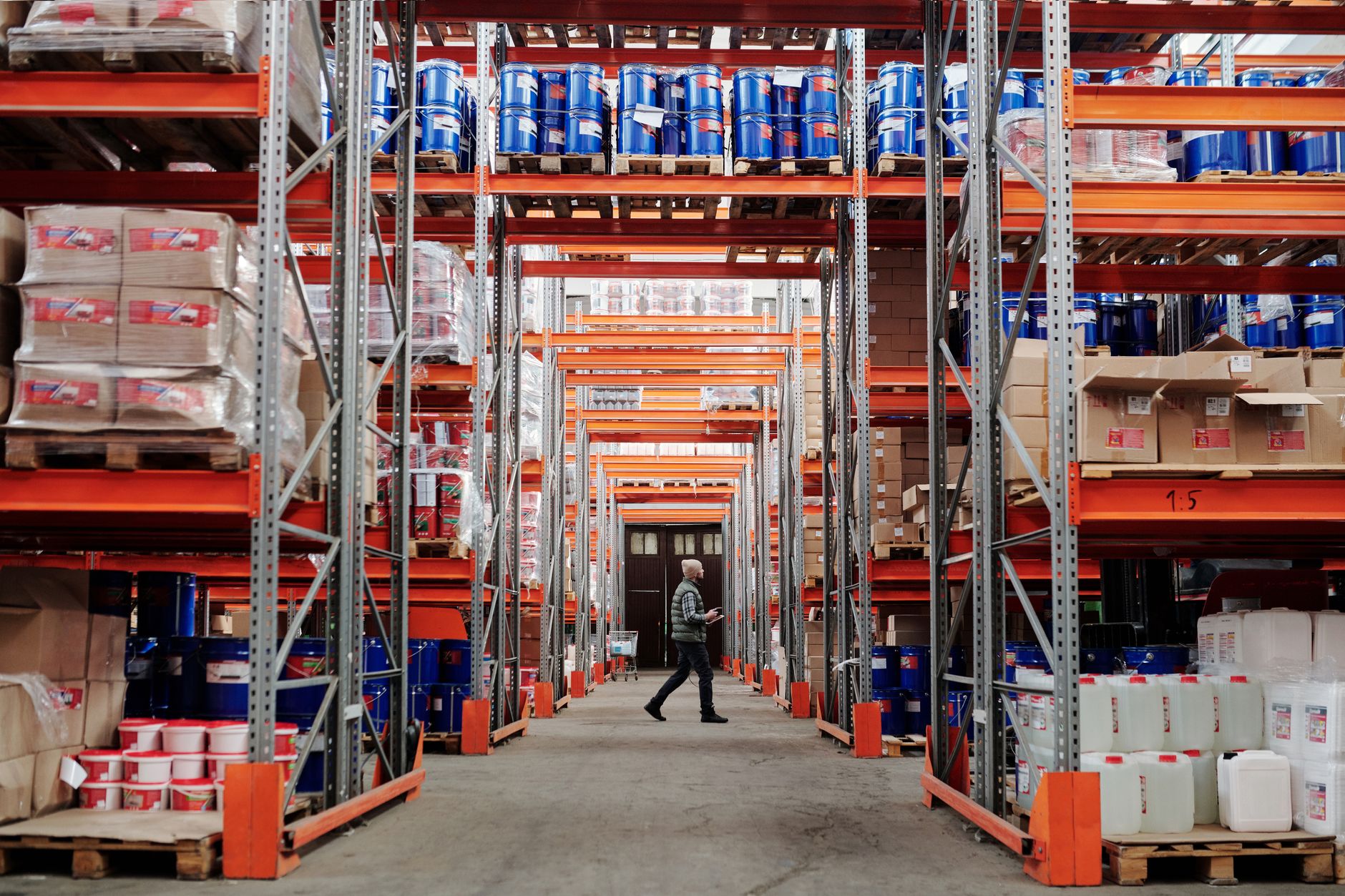
A robot makes sense when the work is repetitive and the route is fixed. In a battery plant that means cells, trays and component bins moving between process stations along the same paths, shift after shift. It makes less sense when loads change from run to run, when the route is reset with each product, or when the floor is too crowded for a predictable path.
A material mover, meaning a person with a powered cart or hand truck, still wins on flexibility. A person can take a one-off delivery, set aside a damaged tote, make a call on a mislabeled bin and move to another task within minutes. The useful question is not which option is smarter. It is how many repeat legs a shift contains and whether those legs can be staffed reliably.
A practical test: if the same stations are visited in the same order for most of the shift, a robot is worth measuring. If the order changes weekly, keep the person on the work and look at lift or cart aids first.
How many battery manufacturing plants are there in the US?
According to American Clean Power as reported by Mercom, more than 30 new US battery manufacturing facilities came online in 2025, bringing the industry to over 140 facilities. The same reporting says over 80 facilities in 28 states make primary components for the battery energy storage supply chain. Many of these plants share the same general flow of cells, trays and bins between stations, so a route pattern tested in one building is a useful starting point for others.
Counting needs care. An earlier American Clean Power report from early 2025 said over 65 battery manufacturing facilities were operational, and it counts any unique production line or expansion as a facility. One site can therefore appear several times in the totals. Ask any plant how many lines it runs before you size a fleet.
Median hourly wage, Laborers and Freight, Stock, and Material Movers, Hand
$4,380
Monthly cost of one full-time worker, at the median wage plus payroll costs (an estimate, not a quote).
What does a material mover actually do in a battery plant shift?
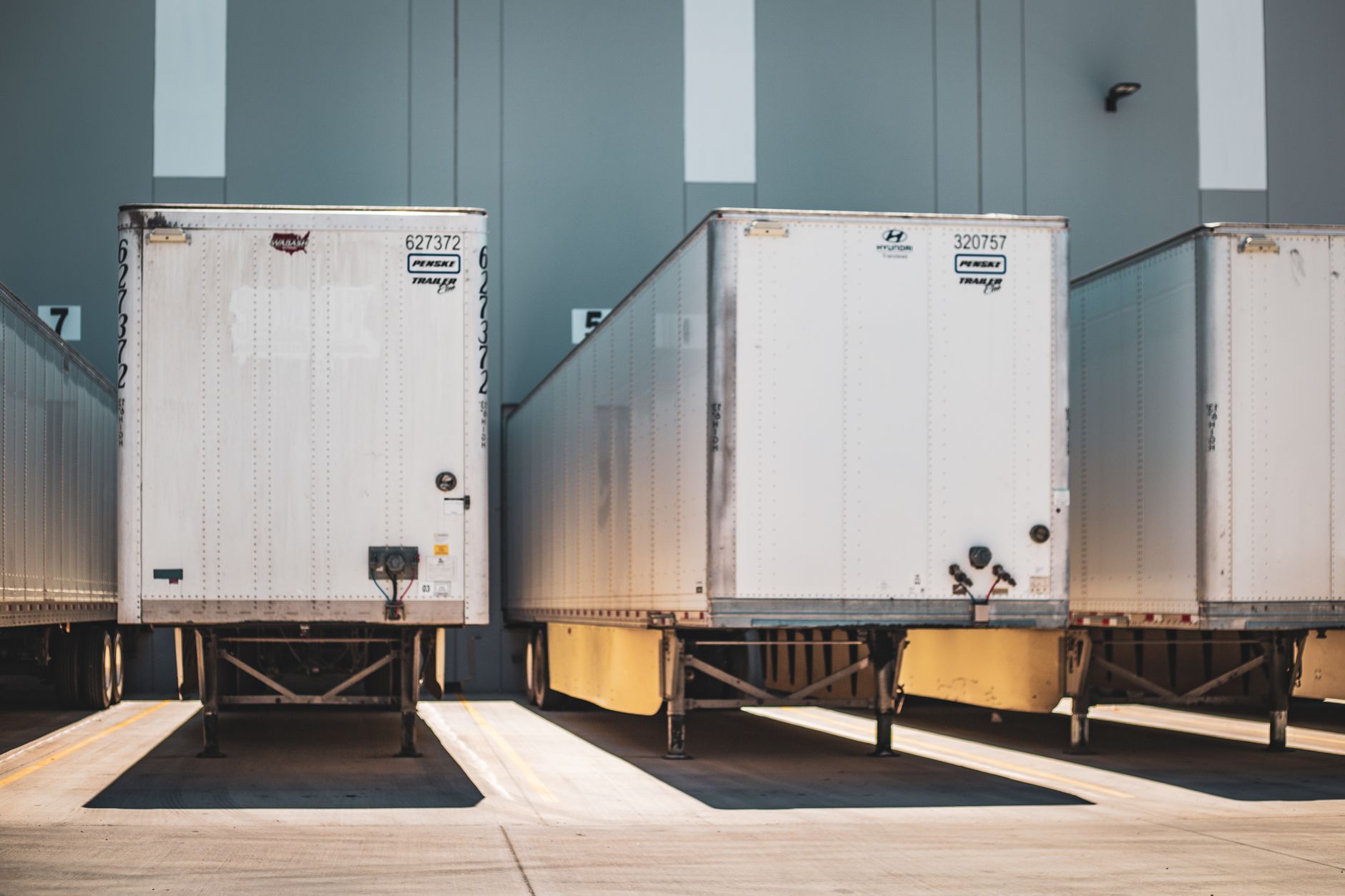
Most of the work is repeat transfer. A mover takes finished cells or trays from one station, carries them to a buffer or the next station, and returns with empty totes or bins. The handling is controlled, because process materials often sit in cleanroom or controlled areas where the path and the equipment must stay clean and predictable.
Weight is the part people underestimate. A drive-system maker's case study describes cathode material loads of several hundred kilograms moving under central control in cleanroom-rated vehicles with stainless bodies. That is far heavier than a hand cart, so much of the physical strain sits in lifting, pushing and turning at the stations rather than in the walking.
A mover's shift is also interrupted work. Waiting for a station to release a tray, reaching for a stuck bin and logging a transfer all take time that never shows up in a process report. Those minutes are why the travel hours have to be measured on your own floor, not assumed.
Which loads can a robot take, and which can it not?
Robots handle standard loads well: cells in a fixture, trays of a set size and component bins on a known rack. They also fit a shared fleet with a standard interface. One vendor case describes two separate vehicle zones, one with cleanliness requirements and one without, tied together by a fleet interface standard (VDA 5050), with vehicles riding lifts between floors.
They struggle with loads that vary in size or arrive in different states, with handoffs that need a person's judgment, and with any move into an area that is not mapped or cleared for vehicles. One odd pallet or a jammed bin can stop a route. Keep those moves with people and set the robot up for the repeat legs only.
Battery plants also mix automation types. According to a battery equipment vendor's page, plants combine automated guided vehicles, mobile robots, automated storage and retrieval systems, gantry robots and conveyors, with cleanroom and fleet-control requirements as the main design constraints. A mobile robot is one layer of that flow, not the whole flow.
What do the hours and labor numbers look like?
The government data does not break out battery plants, so the labor picture comes from the nearest published series. According to the Bureau of Labor Statistics, average weekly overtime in manufacturing was 3.8 hours in 2025, up from 3.6 hours in 2023 and 2024, and the 2018 peak was 4.6 hours. That series covers production and nonsupervisory workers, not maintenance crews.
Sector splits matter. In 2025, BLS put weekly overtime at 2.5 hours in machinery and 2.6 hours in computer and electronic products, against 5.3 hours in transportation equipment. Check which grouping your plant reports under before you use one of these as a benchmark.
Turnover is the other pressure. A National Association of Manufacturers summary of BLS data put the manufacturing total separations rate at 2.3% in February 2025, against 3.1% for all industries that month, and at 2.2% around May 2026, unchanged from May 2025. Low turnover does not remove the problem, since one absent mover still leaves a station unstaffed for the shift.
Staffing at battery plants can swing hard. According to Fortune, a Georgia battery plant's WARN notice tied its last working day to 958 employees, and nearly 1,000 workers were laid off in March 2026 as electric vehicle plans shifted. Sick-day and injury figures for this exact job were not found in verified data, so pull the plant's own absence and incident records before sizing a fleet.
How does a team work with a robot?
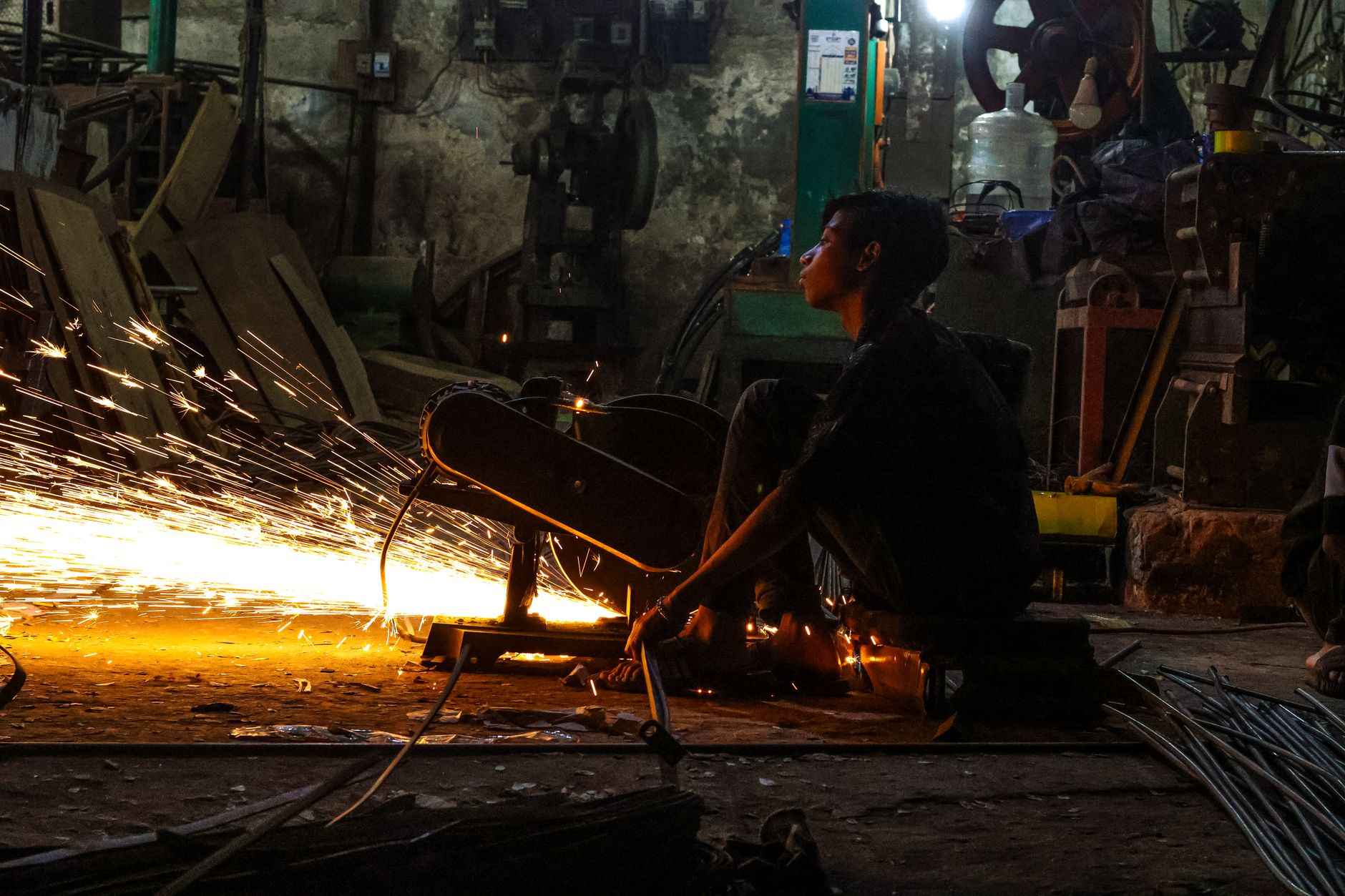
The model is a robot plus a smaller crew, not a robot in place of a crew. The robot takes the repeat legs between fixed stations, and people keep the work that needs judgment: loading odd parts, clearing jams, checking handoffs and handling exceptions. A plant that tries to run with no staff ends up with stopped vehicles and nobody to restart them.
Staffing changes shape rather than disappearing. Movers shift from pushing carts to watching a route, fixing faults and running the handoff points. That takes training, so set time aside for the people who will own the fleet and name a backup person for every shift.
Fleet visibility matters too. Plants that run more than one vehicle type need one view of where every unit is and what it is doing, plus a way to route work around a stopped vehicle without a manual workaround on the floor.
- Route repetition
Autonomous Mobile Robot
Holds the same fixed path on every pass
Material Mover
Drifts from the path when tired, but adapts when the route changes
- Odd or heavy loads
Autonomous Mobile Robot
Only standard loads within rated capacity
Material Mover
Handles irregular loads and damaged totes with judgment
- Night coverage
Autonomous Mobile Robot
Runs through the night without a break once set up and charged
Material Mover
Needs breaks and shift cover, and night staffing is where overtime tends to land
- Sick days and absence
Autonomous Mobile Robot
Does not call in, but a fault still needs a person or a spare unit
Material Mover
Absence leaves a gap that someone must cover
- Change and retraining
Autonomous Mobile Robot
Needs re-mapping when a route changes
Material Mover
Can be moved to a new task within the same shift
What can a robot not do?
A robot cannot handle an unmapped or changing route without a new survey, and it cannot make the call a person makes on a damaged tote or a mislabeled bin. It will not lift beyond its rated capacity, and it does not repair itself after a fault. Those limits set the scope of any pilot.
It also cannot fix the process. If an upstream station releases parts late, the robot waits with everyone else, and a faster vehicle does not change the bottleneck upstream. Time the stations first. A robot shortens the transfer leg, not the process time.
Expect a commissioning period. Mapping, zone rules, handoff points and cleanliness checks take time, and the first weeks usually need more people watching the vehicles than the plan assumed. Plan for that on purpose rather than discovering it on the floor.
How do you decide and get started?
Start with a site walk and a travel log. Record which stations each load visits, how often, in what order, and how many handoffs need a person. That shows whether the route is fixed enough for a robot and how many hours of repeat legs are on the table.
Adoption context helps set expectations. A Peerless Research Group survey reported by Logistics Management in January 2025, with 217 respondents, found 48% of companies already use robots and 32% plan to adopt within three years. That survey is self-reported and not independently verified, so read it as direction, not proof.
We are a US commercial robot integrator. We pick the right robot for the site, lease it through financing, deploy and integrate it, train the staff and service it nationwide. Robots are only leased, and the lease is quoted after a free site assessment, where the route, zones, handoffs and service plan are scoped together so the quote reflects your floor.
Pilot one route first. A single leased unit on one fixed path, with a backup plan for faults, shows the real hours saved before any wider fleet decision.
Frequently asked questions
Want a warehouse robot at your battery manufacturing plant?
Tell us about your site. We will recommend the robot, quote the lease, and keep it serviced.
Sources
- US Bureau of Labor Statistics, Occupational Employment and Wage Statistics (OEWS May 2024)
- American Clean Power report on clean energy manufacturing, 2025
- Mercom, citing American Clean Power
- Fortune
- Bureau of Labor Statistics, overtime hours in manufacturing
- National Association of Manufacturers, summary of BLS data
- Material Handling 247, Peerless Research Group survey
- Battery equipment vendor page on plant material flow
- Drive-system maker case study on cleanroom vehicles