
The short answer
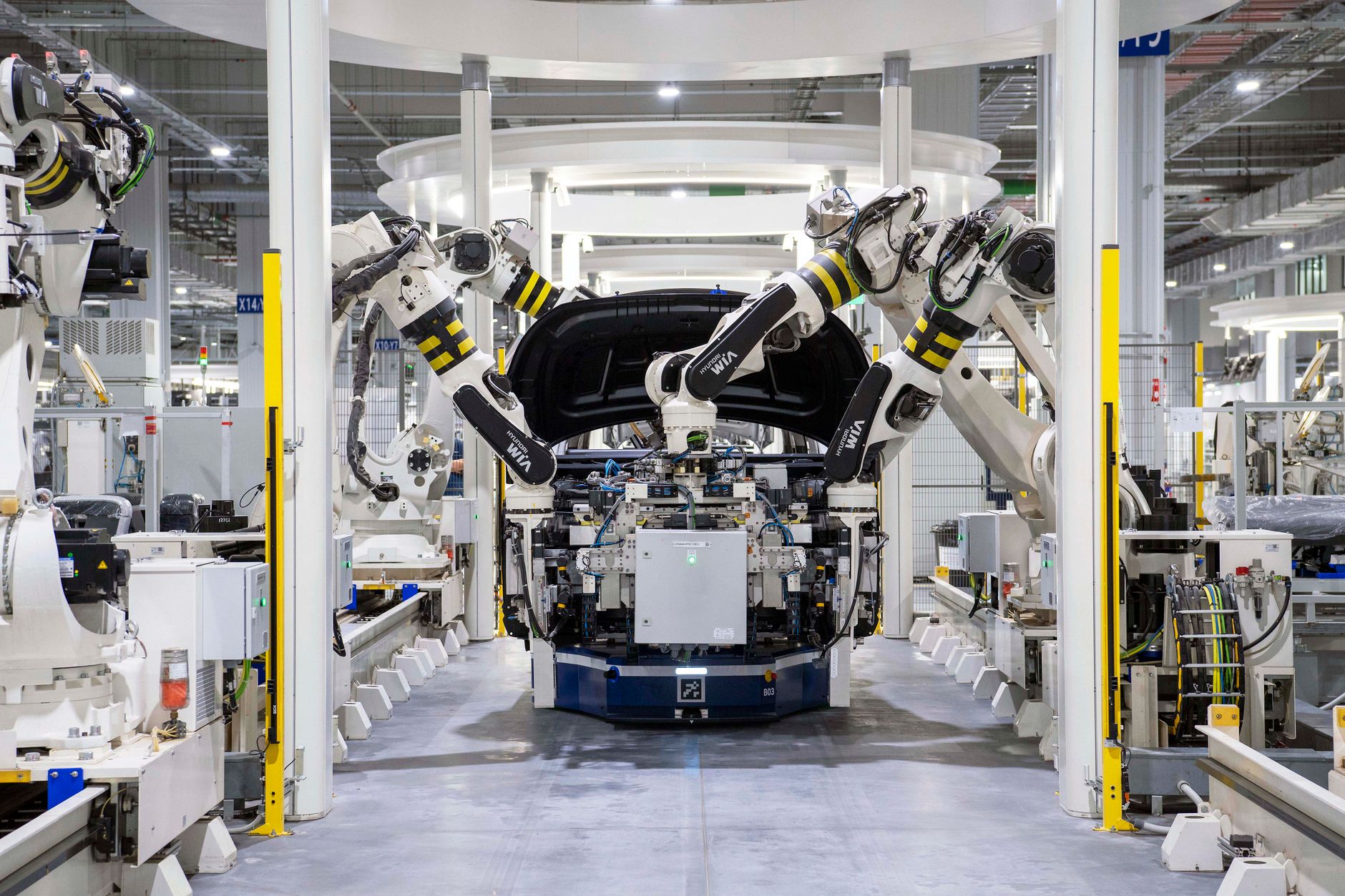
The autonomous mobile robot vs parts runner question at an auto assembly plant comes down to whether parts trips repeat on fixed routes. A robot makes sense when bins move from the stockroom to the line on steady schedules over a mapped, stable floor, and it does not make sense for irregular expedites, loads that need a forklift or crane, or aisles that change every few weeks. The practical pattern is one robot on scheduled routes plus fewer people on exception work, never zero people.
Key takeaways
- Fixed, repeated bin runs to the line are where a robot earns its place; irregular expedites and forklift loads are not.
- A robot still needs people for loading, staging, exceptions and fault response, so plan for fewer runner hours, never zero staff.
- Injury data for motor vehicle manufacturing is high enough to make handling risk a serious reason to look at this work.
- Hour savings depend on your own trip log, since the verified national data we found does not include turnover or overtime for this job.
- The lease payment is set in a quote after a free site assessment, which maps the routes and checks containers and racks.
Autonomous mobile robot vs parts runner: which fits an auto assembly plant?
An autonomous mobile robot, usually called an AMR, follows set routes between the stockroom and the line and carries bins along the same path a parts runner walks by hand. When that route repeats many times per shift and the floor stays put, the robot fits well. When trips are irregular, loads need a forklift or crane, or aisles change every few weeks, a person with a cart is still the better tool.
The useful way to decide is to split the work by type. Scheduled line-side replenishment is the strongest case. Expedites, mixed kits, and any route that crosses doors, elevators or dock plates the robot cannot use reliably are weaker cases. Plants that add robots usually keep people on judgment work, so the real question is how many trips move to the robot, not whether the people go away.
What does a parts runner actually do during a shift?
A parts runner usually starts with a pick list or kit sequence tied to the build schedule. They pull totes or bins from the stockroom, check part numbers against the list, load a cart or tugger, and walk or drive the route to the line-side racks. At the line they swap full containers for empties, stack returnables, and flag shortages to the line lead before the next build starts.
Much of the shift is not walking. It is waiting for a staging slot at the dock, finding a part that was put in the wrong rack, and clearing a blocked aisle. These interruptions make a trip schedule drift, which is also why a fixed route can run more steadily than a person does. The share of a runner's shift spent on pure transport is a site measurement. Plant trip logs or a few weeks of timed walks will give a better number than any general estimate.
- Repeated bin trips on a fixed route
Autonomous Mobile Robot
Runs the same path on schedule without breaks
Parts Runner
Covers the same path but tires and varies by person
- Night and weekend coverage
Autonomous Mobile Robot
Runs when staff are short, once loaded and checked
Parts Runner
Needs a shift premium and fills gaps with overtime or sick calls
- Expedites and mixed kits
Autonomous Mobile Robot
Limited to pre-planned routes
Parts Runner
Adjusts on the spot as the build changes
- Doors, elevators and dock plates
Autonomous Mobile Robot
Only where integrated and tested on the route
Parts Runner
Handles them without setup
- Trip records
Autonomous Mobile Robot
Logs each trip and fault automatically
Parts Runner
Records depend on paperwork or memory
- Layout changes
Autonomous Mobile Robot
Needs remapping and retesting of the route
Parts Runner
Adapts to a moved rack at once
Which parts can a robot carry, and which can it not?
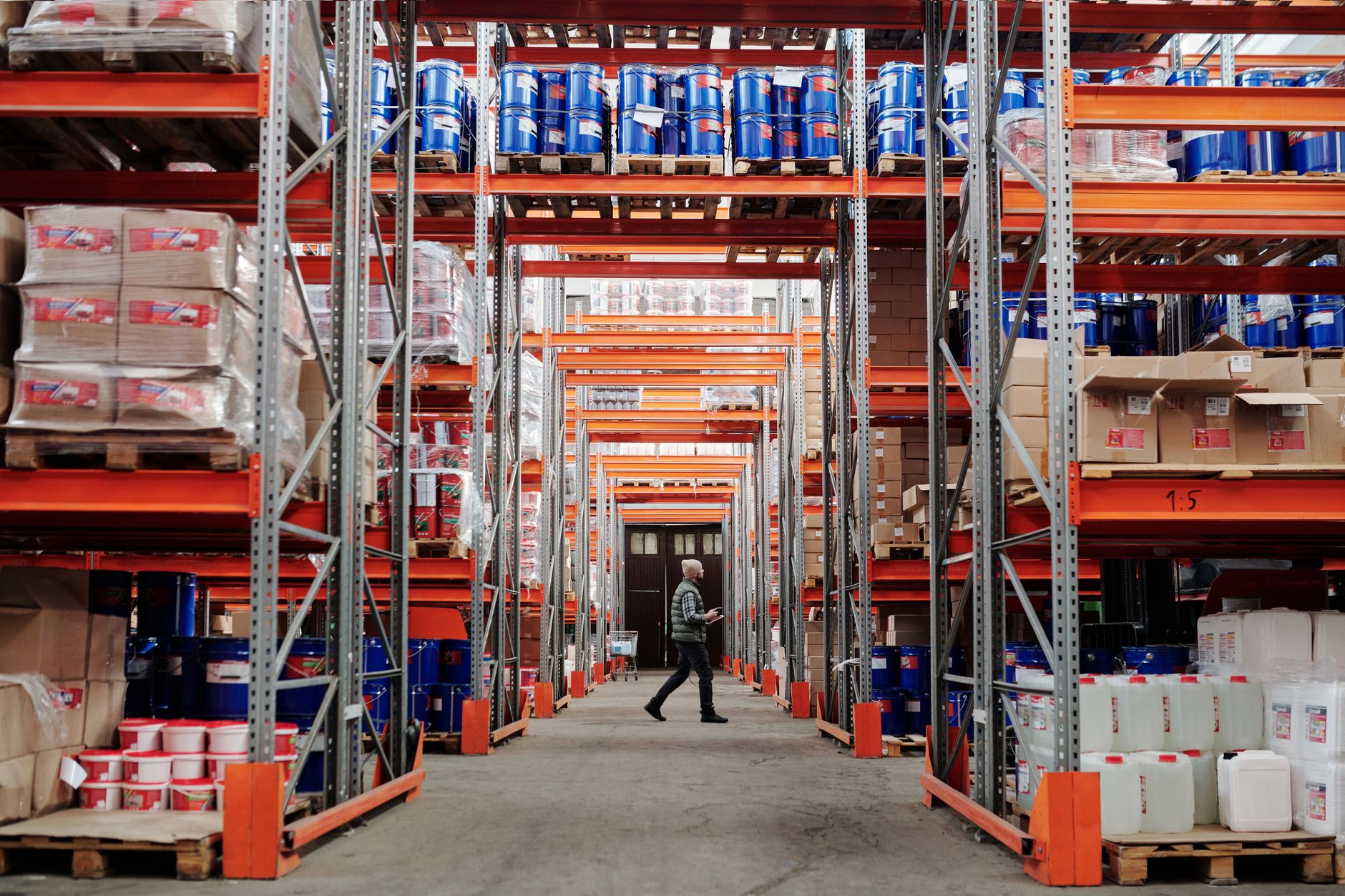
A robot handles standard containers that sit squarely on its load surface: totes, small-parts bins, kitted carts on a rolling base, and empty returnables. Payload, container size and the docking height of the line-side rack all have to match the robot and the rack design, so the site assessment starts with the containers, not with the machine.
Some loads stay with people or other equipment. A robot is the wrong tool for anything placed with a crane or hoist, anything that must be handed to a person at a fixture, and any pallet that needs a forklift to place. Pallet movers can take some pallets, but that is a separate machine and a separate route review.
- Loads that need a crane, hoist or forklift to place at the destination
- Parts that must be handed to a person at a fixture or checked by eye
- Containers that do not match the robot deck or the rack docking height
- Hazardous materials that need special handling rules, which require a separate review
How much labor is in parts running, and what do the figures show?
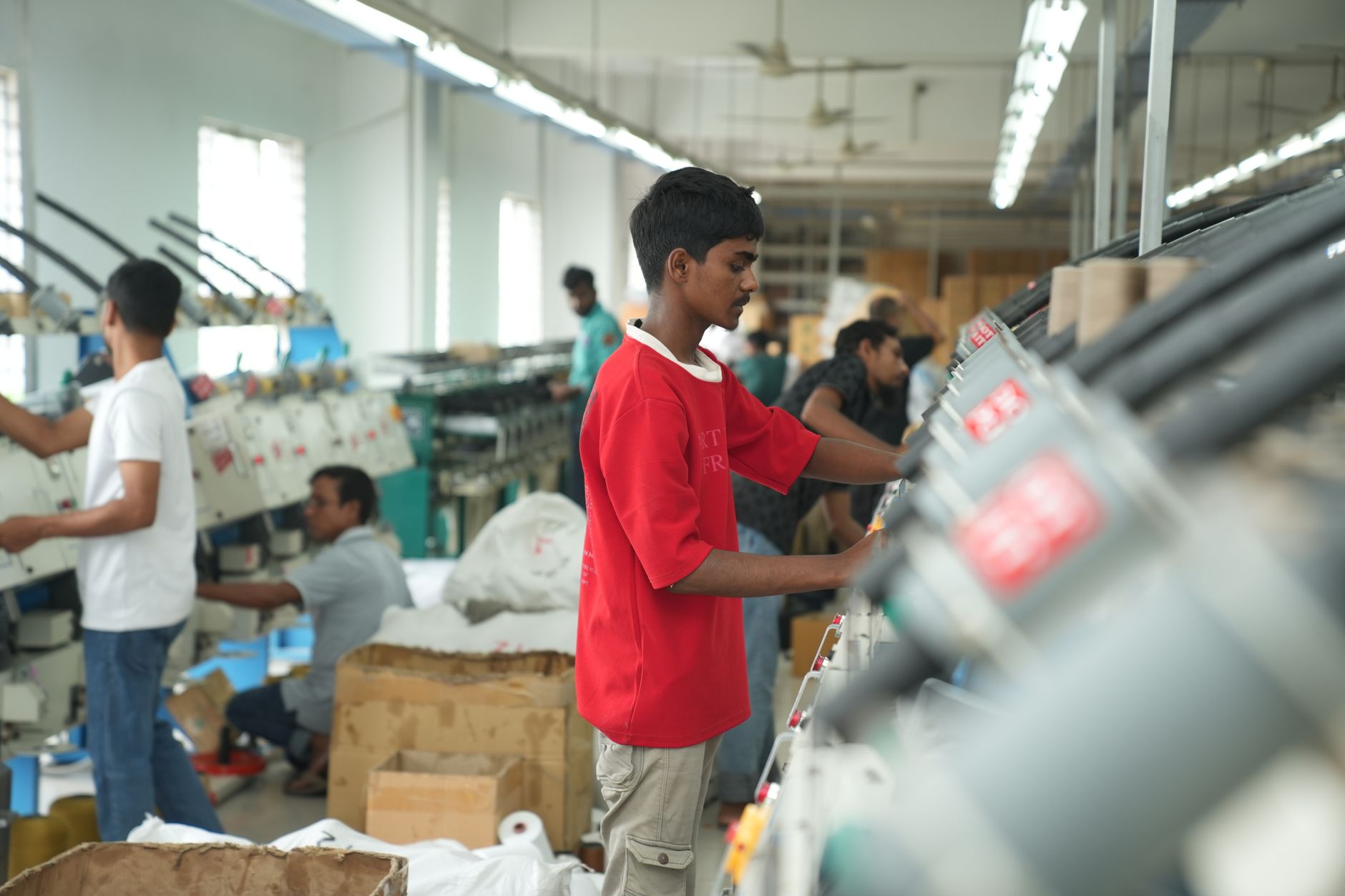
The U.S. Bureau of Labor Statistics Occupational Outlook Handbook reports that hand laborers and material movers held about 7.0 million jobs in 2024 across all industries. That is the broad pool of people doing this kind of carrying work. Inside motor vehicle parts manufacturing, the St. Louis Fed's FRED database, which carries BLS series, shows an employment index of 94.042 for 2024, last updated April 2025.
State series show the direction varies by place. According to FRED, Michigan's parts employment index was 111.7 in 2025, against 118.0 in 2024. A private estimate from IBISWorld puts auto parts manufacturing at 136,011 employees in 2025, a 1.6 percent decline. These are indexes and private estimates, not a single headcount, so use them to read the trend, not to size your own staffing.
Our search did not turn up verified BLS turnover, overtime, night-shift or absence rates for parts running or material movers in this industry. Do not accept those numbers from a general article for your plant. Pull them from your own time records: overtime hours by shift, sick calls for the runner role, and open shifts over the last year. Those three figures will tell you more about this decision than any national average.
Why do injury rates matter when weighing a parts runner robot?
Parts running is physical work, and the injury record for this industry is the strongest reason to look at it closely. The BLS analysis of 2018 data found that motor vehicle manufacturing had 6.3 nonfatal injuries and illnesses per 100 full-time workers, more than twice the all-private-industry rate in every year from 2009 to 2018.
The same BLS analysis put musculoskeletal cases at 95.1 per 10,000 full-time workers in motor vehicle manufacturing, against 27.1 for all private industry. It also found that overexertion and bodily reaction make up about half of days-away cases in the industry. Repeated lifting, pushing carts over thresholds and reaching into racks are the motions a fixed route removes from the runner's day.
Those figures are from 2018 data, the most recent year this analysis covers, so pull current injury logs from your own plant before you decide. The robot removes the transport motions, but it does not remove the line-side work people still perform, and that work needs its own ergonomic review.
How fast are plants adding robots?
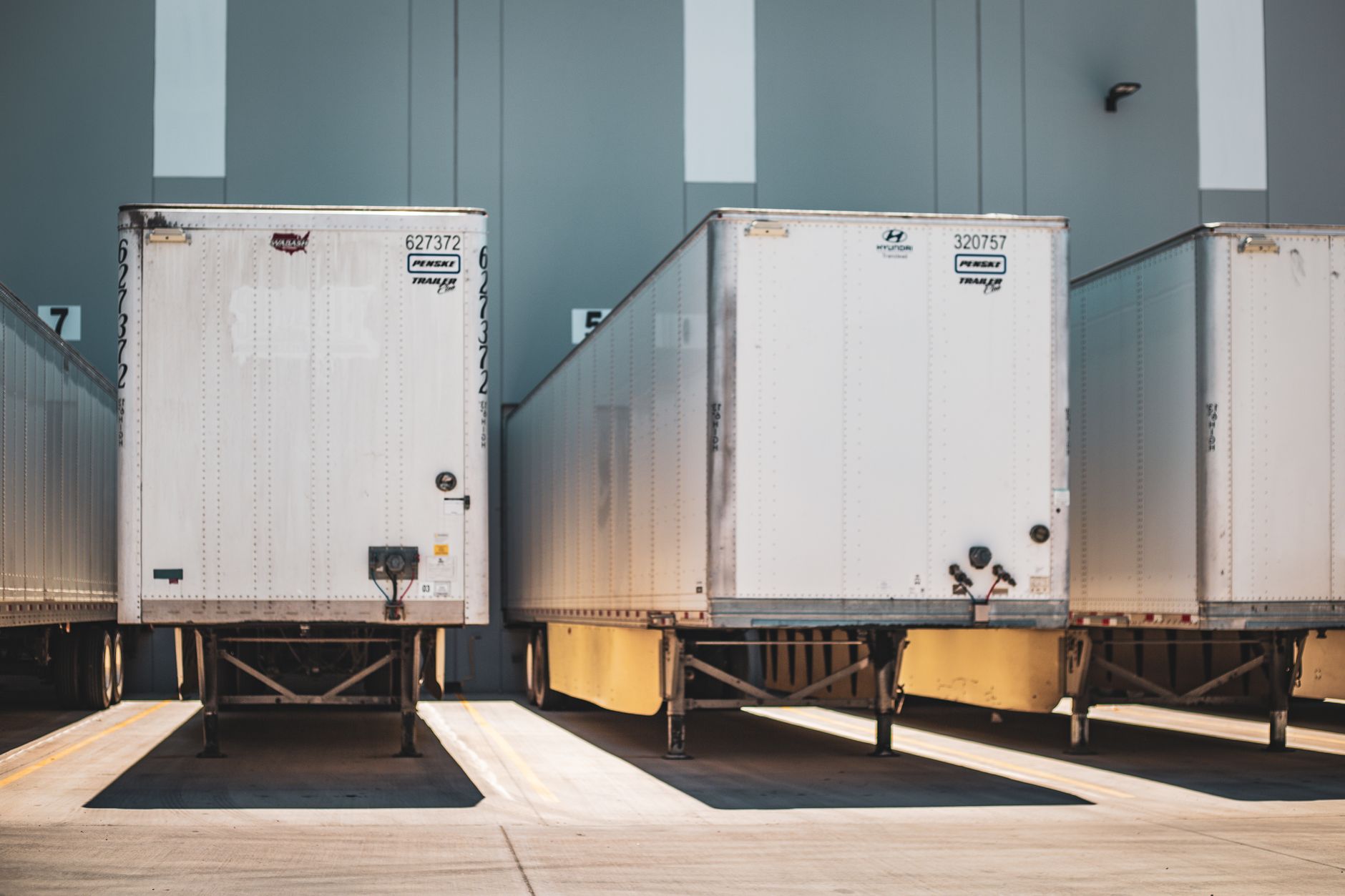
Adoption is growing, though not evenly. The Association for Advancing Automation, known as A3, reported 17,635 robots ordered in North America in the first half of 2025, up 4.3 percent in units, according to The Robot Report. Automotive OEM units rose 34 percent over the same period, which points to continued investment by vehicle makers.
For the full year 2025, Design News reported that A3 recorded 36,766 robots ordered, up 6.6 percent in units from 2024. Non-automotive orders outpaced automotive for the year, and automotive component orders stayed below 2024 levels. According to MMH, non-automotive customers were 59 percent of robots ordered in the third quarter of 2025. A3 began tracking cobots as their own category in 2025, and cobots reached 28.6 percent of orders in the fourth quarter.
How does a team work with a robot on the floor?
The realistic model is one robot plus fewer people, never zero people. The robot takes the scheduled bin runs on fixed routes. People handle what the route cannot cover: expedites, line stoppages, staging at the dock, loading bins at the start of a route, and clearing blocked paths. A robot that runs with no one free to load it or respond to a fault sits idle, and the plant pays for that idle time.
Staff change their role rather than disappear. Runners move to kitting, exception handling and supervising routes from a station. Lead operators learn to read the trip log and fault messages. Training decides whether the change sticks. Our team chooses the robot for the site, arranges lease financing, deploys and integrates it, trains the staff, and services it nationwide, so the people who run it know the route before the first live run.
What can an autonomous mobile robot not do?
The robot is limited by the floor it runs on. It needs a mapped route, clear aisles, and doors or elevators it can use reliably. It depends on line-side racks sitting in fixed places. Every change, such as a new rack, a moved dock door or a temporary staging pallet, means remapping and retesting the route. Plants that change tooling often should expect that work every time.
It also cannot solve exception work alone. A robot does not decide which part to pull when a build changes, cannot reach an overhung rack, and cannot respond to a spill or an injured worker. Its fault recovery depends on the staff on shift and on remote help. Treat these limits as design inputs, because they show exactly what the people must still cover.
How do you get started with an autonomous mobile robot at an auto plant?
Start with the trip log, not the robot. For a few weeks, record every parts trip from the stockroom to the line, with time, route, container type, and whether the trip was scheduled or an expedite. That log shows how many trips repeat on fixed routes, which is the share a robot can serve. Map the stockroom, the line-side racks, the doors and the elevators, because a mapped route is the first real deliverable.
Then pilot one route rather than the whole plant. One route tests container fit, docking height, the handoff at the line, and how staff respond to faults before you commit further. Our process starts with a free site assessment, where we map the route and check containers and rack docking. The lease payment comes in a quote after that assessment. Phased deployment keeps the line running while routes come online, and service is available nationwide.
Frequently asked questions
Want a warehouse robot at your auto assembly plant?
Tell us about your site. We will recommend the robot, quote the lease, and keep it serviced.
Sources
- U.S. Bureau of Labor Statistics, Occupational Outlook Handbook: Hand Laborers and Material Movers
- U.S. Bureau of Labor Statistics, TED: Motor Vehicle Manufacturing Nonfatal Injury and Illness Rate
- FRED, NAICS 3363 Motor Vehicle Parts Manufacturing Employment Index (BLS data)
- FRED, Michigan Motor Vehicle Parts Manufacturing Employment Index
- IBISWorld, Auto Parts Manufacturing in the US: Employment
- The Robot Report, North American robot orders H1 2025 (A3)
- Design News, North American robot orders surge 6.6 percent in 2025
- MMH, Robot orders rise in Q3 manufacturing automation growth