
The short answer
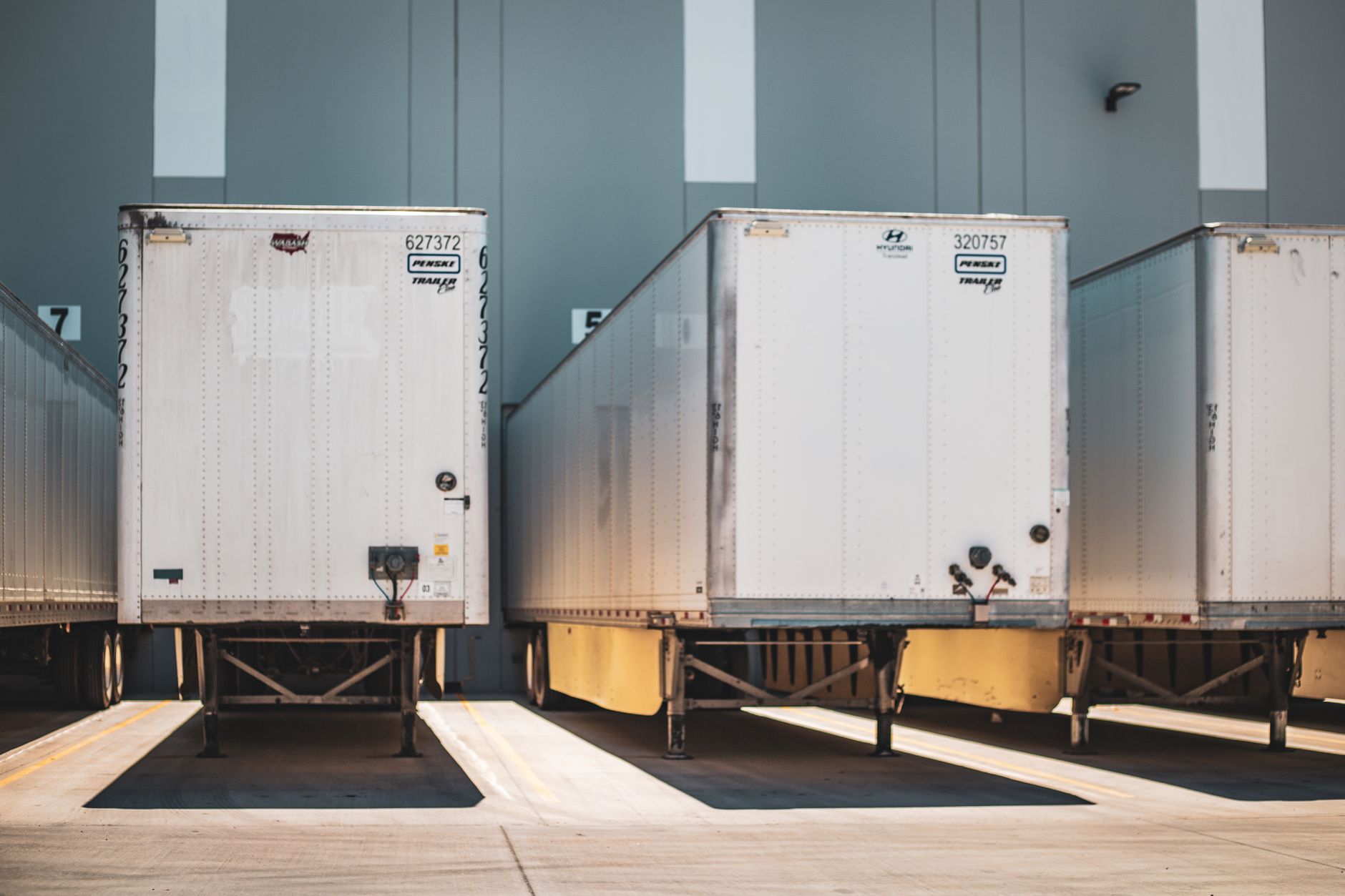
For an autonomous mobile robot vs freight handler decision at a cross-dock warehouse, a robot makes sense when the same loads repeat along the same route between dock doors and staging lanes, while a freight handler is still needed for trailer unloading, mixed or damaged freight, and exceptions. In most cross-dock buildings the right setup is a robot plus fewer staff, not a robot that replaces the whole crew. A lease quote follows a free site assessment that checks the route, floor, traffic and freight mix.
Key takeaways
- A robot fits the repeated run between dock doors and staging lanes, not trailer unloading.
- Freight handling sits among the higher injury-rate jobs in warehousing, according to BLS data.
- BLS JOLTS quits rates for transportation, warehousing and utilities were 2.2%, 2.3% and 1.7% in the months cited.
- The right setup is a robot plus fewer staff, never zero staff.
- A lease quote is made after a free site assessment, not before one.
Autonomous mobile robot vs freight handler at a cross-dock: which makes sense?
A cross-dock warehouse receives freight at inbound dock doors, moves it across the floor, and sends it out through outbound doors, often within hours of arrival. Most of the movement is short, repeated and predictable. That is the work an autonomous mobile robot handles well, and it is also the work that tires a freight handler across a long shift.
The useful way to frame the autonomous mobile robot vs freight handler question is to split the job into the part that repeats and the part that does not. The repeating part is the walk between a dock door and a staging lane with a load on a cart or pallet. The non-repeating part is trailer unloading, breaking down mixed freight, and handling damaged or irregular items. In a building that suits it, a robot can take most of the first. A person still does most of the second.
When does an autonomous mobile robot make sense at a cross-dock?
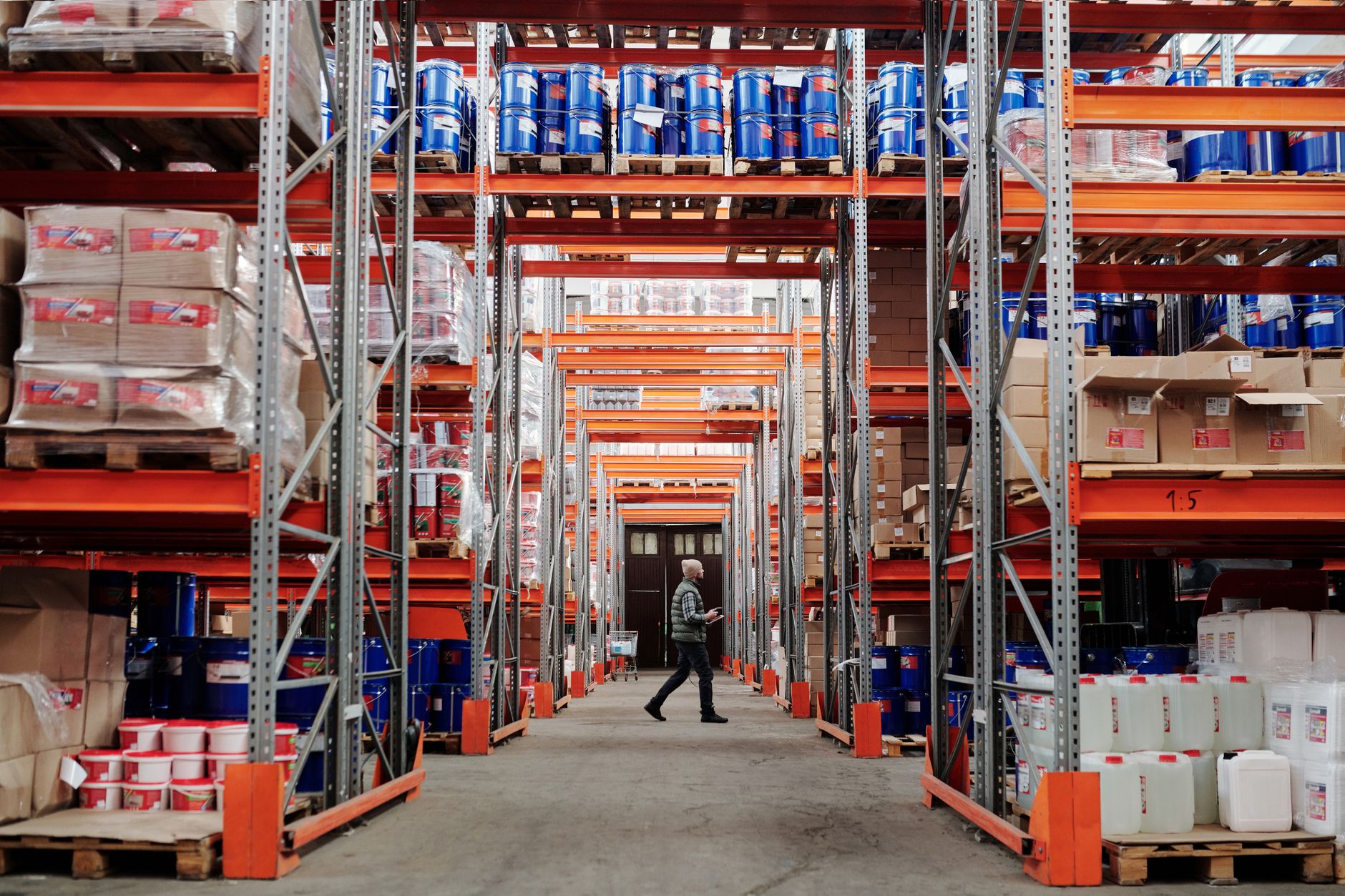
A robot makes the most sense when the same loads move along the same routes many times a shift, the floor is reasonably clear, and the staging lanes sit at fixed points. Walking distance between dock doors and staging lanes is the main driver. The longer and more repeated the run, the more of the walking a robot can take off the people on the floor.
It makes less sense when the layout changes often, when most freight is oversized or irregular, or when the run is short enough that a cart and a person are already quick. It is also a poor match when no one will own the fleet, when Wi-Fi coverage is patchy along the route, or when the floor has gaps and ramps nobody has surveyed. A site assessment should settle these points before any quote is discussed.
Adoption is still a minority in most buildings. A 2026 GlobeSt article says autonomous mobile robots and automated guided vehicles are found in roughly 10 to 15% of facilities, which is a trade press estimate rather than a primary survey. A market research summary puts AMRs at 35.0% of warehouse robotics market revenue in 2025, a revenue share that says nothing about how many buildings have one. We also did not find a verified national count of cross-dock buildings, so size the opportunity from your own network of sites.
Median hourly wage, Laborers and Freight, Stock, and Material Movers, Hand
$4,380
Monthly cost of one full-time worker, at the median wage plus payroll costs (an estimate, not a quote).
When is a freight handler still the better choice at a cross-dock?
A freight handler wins on judgment. Someone has to decide that a pallet is damaged, that a shipment should be split, or that a carton was loaded to the wrong trailer. People also adjust in real time when a door is blocked or a forklift is working the lane. These calls are slow to automate and rarely follow a fixed schedule.
Handlers also cover the unpredictable parts of the day. A robot fleet can be scaled up with added units, but the people on the floor cover surges, absences and special handling that no route plan anticipated. In most sites the real question is not robot or handler. It is how many people you still need for the parts a robot cannot take, and whether the robot frees enough hours to justify the setup.
What does a freight handler actually do during a shift at a cross-dock?
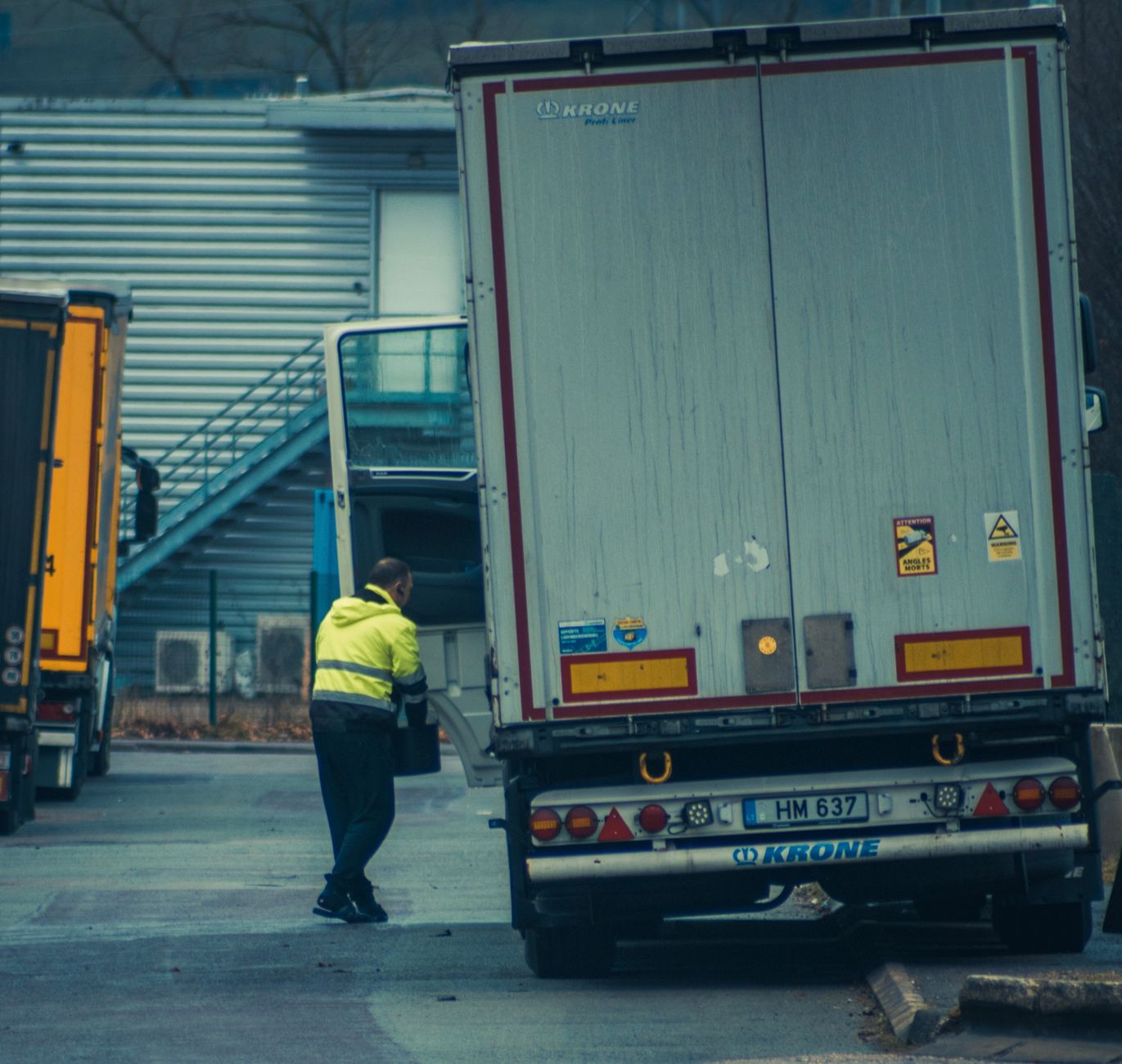
At a cross-dock, freight handling mixes several tasks: unloading trailers, moving freight from the dock to a staging lane, sorting by destination, building or breaking down pallets, checking labels, and loading outbound trailers. A large share of the time goes to walking and carrying, which is why the routes between doors and lanes matter so much. The Bureau of Labor Statistics handbook says hand laborers and material movers, the group that includes freight handling, had about 7.0 million jobs in 2024.
Shift length is the labor detail to plan around. The same handbook says shifts longer than 8 hours are common, overtime is sometimes available, and because shipping runs around the clock, some warehouse workers work overnight shifts. The handbook also says this group has some of the highest rates of injuries and illnesses of all occupations, with typical injuries of sprains, strains, or overexertion from moving heavy loads.
The government wage data on this page gives the local wage for this job. Set that figure against your own hours and overtime records, not against a general estimate.
Which parts of cross-dock freight handling can a robot take?
The parts a robot can usually take are the repeatable transport legs: moving a pallet or cart from a dock door to a staging lane, carrying outbound loads from staging to a door, and returning empty carts to a collection point. These moves follow fixed or semi-fixed routes and happen many times a shift. Most of the walking time in a cross-dock sits in these legs.
The parts it usually cannot take include trailer unloading, breaking down mixed or damaged freight, reading and correcting labels, strapping and wrapping loads, and handling oversized or irregular items. Some sites add equipment for a specific step, but that is a separate scope and needs its own assessment. Ask the vendor to show the exact steps in your building before you accept any claim about coverage.
- Repeated dock-to-staging runs
Autonomous Mobile Robot
Takes these runs on fixed routes, without fatigue, for the whole scheduled shift
Freight Handler
Can do these runs, but walking and carrying load tires people across a long shift
- Trailer unloading
Autonomous Mobile Robot
Not a usual fit for this step
Freight Handler
Handles it, with judgment on damage and mixed freight
- Night coverage
Autonomous Mobile Robot
Runs the same route each night once it is set up and mapped
Freight Handler
Needs scheduled night staff and cover for absences
- Blocked lanes and surges
Autonomous Mobile Robot
Waits, reroutes, or needs a person to clear the block
Freight Handler
Adjusts on the spot and reassigns work
- Damaged or irregular freight
Autonomous Mobile Robot
Not suited to this judgment
Freight Handler
Strong here, and this is where people clearly win
- Setup and fleet ownership
Autonomous Mobile Robot
Needs a site assessment, mapping and a trained person to watch the fleet
Freight Handler
Needs hiring, onboarding and training each time turnover occurs
What do the injury and turnover numbers say about cross-dock labor?
The Bureau of Labor Statistics NAICS 493 profile for warehousing and storage reports a 2024 total recordable rate of 4.8 per 100 full-time workers and a DART rate of 4.1, with 32 fatalities in 2024, up from 28. The profile also notes a series break starting with 2023 data because of the NAICS 2022 revision, so compare years with care. These are sector figures. The profile does not break out freight handlers at cross-docks.
Turnover is the labor number that most often changes the decision. BLS JOLTS Table 11 shows a quits rate for transportation, warehousing and utilities of 2.2% in January 2025, 2.3% in December 2025, and 1.7% in January 2026, the last one preliminary and subject to revision. A seasonally adjusted FRED series for the broader trade, transportation and utilities group shows 2.6% in December 2025 and 2.3% in February 2026. Ahearn's 2026 hiring outlook gives average turnover of 11.6% across warehouse and distribution operations, but the survey behind it is not named.
These figures do not measure the same thing, and none is a cross-dock number. Quits count only people who leave voluntarily, while turnover covers more. The practical step is to pull quits, absences and overtime by shift from your own records. A robot does not quit, but a cross-dock that loses handlers every quarter still needs hiring and training for the people who remain.
How does a team work with a robot at a cross-dock?
The setup that works in practice is a robot plus fewer staff on the dock, not zero staff. People keep unloading, sorting, exception handling and outbound loading. The robot takes the repeated transport legs. Over a shift, the team walks less and spends more time on the work that needs judgment.
Training matters more than the machine. Team members need to know how to clear a blocked route, when to call for help, when to take a unit out of service, and how to load a cart so it moves safely. Each shift should have one named person who owns the fleet, with a clear escalation path if a unit stops. Put that role in the staffing model from the start.
What can an autonomous mobile robot not do at a cross-dock?
A robot cannot replace judgment, and it cannot handle every load. It is not a fit for trailers that need unloading, for loads that are oversized, unstable or irregular, or for pallets that need restacking after damage. The floor matters too. Large gaps, wet concrete, steep ramps or uneven thresholds can stop a unit or force a slower route.
Charging needs planning. Units return to charge, so the fleet must be sized to keep enough capacity through the busiest window. Traffic matters as well. Where forklifts, hand trucks and people share the same lanes, route design and traffic rules decide whether the robot runs steadily or stops often. Get those answers from the site assessment, not from a sales deck.
How do you get started with robot leasing for a cross-dock warehouse?
Start with one route, not the whole building. Choose the dock-to-staging lane with the most repeated runs, measure how often it happens and who walks it, and pilot a single leased unit there. That gives you real data on utilization, blocked-route events and staff time before you size a fleet. A phased start keeps the building running without a shutdown. Our team handles the site assessment, mapping, integration, go live support and staff training, and the lease quote follows that assessment.
When you request a quote, bring the dock door count and layout, the distance between doors and staging lanes, the shift pattern, the share of freight that is pallet or cart based, and the traffic in shared lanes. Ask about spare unit coverage, on-site dispatch and remote triage, because a robot is only as available as its support plan. Compare the lease quote against the hours it takes over, using your own staffing records.
Frequently asked questions
Want a warehouse robot at your cross-dock warehouse?
Tell us about your site. We will recommend the robot, quote the lease, and keep it serviced.
Sources
- US Bureau of Labor Statistics, Occupational Employment and Wage Statistics (OEWS May 2024)
- BLS NAICS 493 profile, Warehousing and Storage
- BLS Occupational Outlook Handbook, Hand Laborers and Material Movers
- BLS JOLTS Table 11, quits rates by industry
- FRED series JTU480099QUL, trade, transportation and utilities quits rate
- GlobeSt, 2026 warehouse automation article
- Ahearn 2026 hiring outlook
- Market research summary on warehouse robotics