
The short answer
For most farm supply stores, the autonomous mobile robot vs stock associate choice turns on one question: does the same heavy feed or supply pallet go from the back room to the sales floor along a fixed route many times a day? If it does, a robot can take that repeated haul while staff keep the hand work, the customer work and the exceptions, so the realistic result is a robot plus fewer staff hours on that route. If the moves are irregular, the layout changes often, or no one can keep a clear mapped route, a stock associate is still the better fit.
See what a autonomous mobile robot costsRun the numbers in the ROI calculator
Key takeaways
- A robot fits the repeated back room to sales floor pallet route, not the whole stock job.
- The robot carries the pallet; people still open, sort, stock by hand and answer customers.
- We found no turnover figure for this exact job, so use the retail quits data as a rough signal only.
- Lease terms are quoted after a free site assessment, based on the route we measure on site.
- Time your own route before deciding, because no published hour figures exist for this setting.
Autonomous mobile robot vs stock associate at farm supply stores: which makes sense?
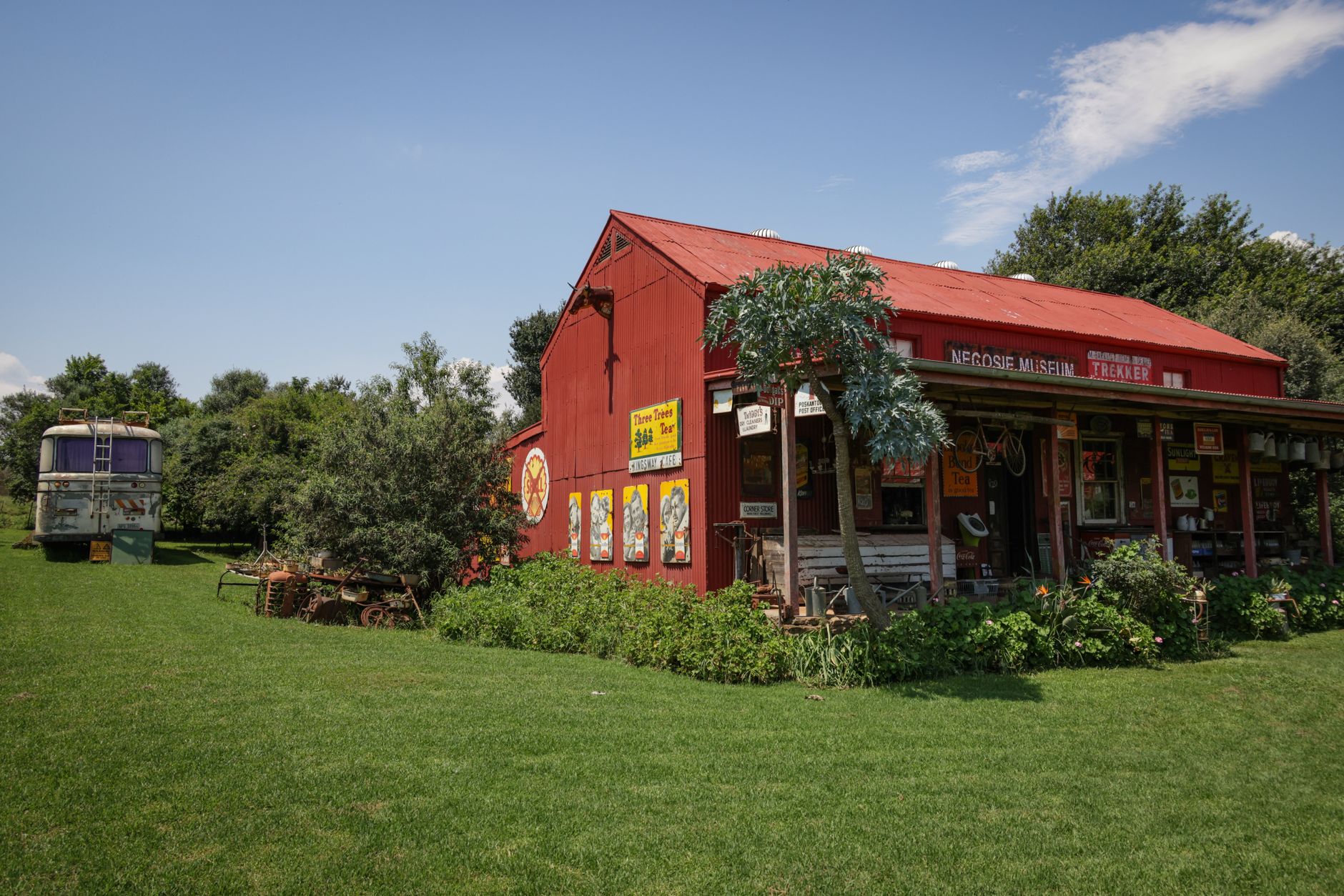
The short answer is that a robot makes sense for the repeated haul, and a stock associate makes sense for nearly everything else. At a farm supply store the heavy items are feed bags, mineral and salt products, fertilizer, seed and supply pallets. They usually arrive in the back room, and then a person walks them out to the sales floor over and over. That walk is the part a robot can repeat on the same path.
Farm supply stores are a sizable group. According to Vantage Insights, which cites County Business Patterns for 2023, the nursery, garden center and farm supply category had 13,195 establishments and 146,650 employees, though the vendor summary was not checked against Census publications. The Census Bureau's 2002 Economic Census counted 16,679 establishments under the older code for the same category. The codes have since changed, so the two counts are not directly comparable.
The honest framing is a robot plus fewer staff hours on the route, not a robot instead of a team. A store that removed its floor team entirely would lose the people who answer questions about feed, check a label or help a customer load a truck. Use this test before deciding.
- Fits: the same feed or supply pallet moves from the back room to the sales floor several times a day on one route.
- Fits: the back room and sales floor can be mapped and kept clear.
- Does not fit: most moves are irregular, or mixed and damaged freight that needs a person to decide first.
- Does not fit: the layout changes often and no one will keep the route clear.
What does a stock associate actually do during a shift at a farm supply store?
A stock associate at a farm supply store does more than carry. The job usually includes receiving a delivery, checking the packing slip against what arrived, breaking down pallets, moving bulk feed and supply stock to the sales floor, filling shelves and bins, rotating older bags forward and tagging items. Between those tasks the associate answers questions about what is in stock and where it sits.
Much of the physical day is walking. Most heavy moves repeat the same trip, from back room to sales floor with a loaded pallet jack or hand truck, followed by a return trip with empties. That repetition is what makes the haul a good candidate for automation, and it is also what wears on the person doing it.
We did not find published figures for how many hours a shift this trip takes at a farm supply store. Staffing levels, shift patterns and overtime for this kind of store were not in the sources we could reach. Any hour count for your store should come from timing your own route, as the table below shows.
Median hourly wage, Laborers and Freight, Stock, and Material Movers, Hand
$4,380
Monthly cost of one full-time worker, at the median wage plus payroll costs (an estimate, not a quote).
Which parts of the pallet work can a robot take, and which can it not?
A robot can take the straight haul. It can carry a loaded pallet or cart from a set pickup point in the back room to a set drop point near the sales floor, avoid people and fixed obstacles on the way, and return to a charging spot. It can run the same route as many times as the day requires, which matters when the trip is the most repeated move in the building.
A robot cannot do most of the hand work around that trip. It cannot break down a pallet of bagged feed, sort a mixed delivery, lift a heavy bag onto a high shelf or check each item against a packing slip. Those tasks stay with a person, so a store that plans for a robot should plan its staffing around them.
Truck unloading, outdoor yard moves in bad weather and loading customer vehicles are separate problems. They depend on dock setup, door access and weather, and they usually need a person or a different machine. Confirm each one before counting it as the robot's job.
What does the labor picture look like for this kind of store?
The data for this exact job is thin. According to the BLS Occupational Outlook Handbook, the hand laborers and material movers group had 6,950,000 jobs in 2024, with projected growth of 4% from 2024 to 2034, which the handbook describes as about average. That is a broad group, not farm supply stores or the stock associate role alone, so treat it as context rather than a headcount for your store.
Retail openings are the closest signal we found for hiring pressure. According to the BLS Job Openings and Labor Turnover Survey release for June 2026, retail trade job openings were 774 thousand, seasonally adjusted, up from 605 thousand in June 2025. Openings are not the same as hires, but the rise shows retail employers still had open positions to fill in mid 2026.
Turnover for this job was the hardest figure to find. The closest signal is the quits series. According to FRED, retail trade quits were 515 thousand in December 2025, seasonally adjusted. A trading calendar summary citing BLS puts the national quits rate at 1.9% in July 2026, down from 2.0% in June 2026, though that is a secondary source and should be checked against the release.
On safety, a JJ Keller summary of BLS injury data reports about 2.5 million nonfatal injuries and illnesses among private employers in 2024, down 3.1% from 2023. The same summary says the total recordable rate in retail trade fell in 2024, one of five sectors where it declined. The sources do not break injuries down to farm supply stores or to pallet moves, so treat the trend as background rather than a forecast for your store.
Overtime, night shift patterns and sick day rates for this kind of store were not published in the sources we reached. Pull those figures from your own payroll before you build the case. The government wage data on this page gives the local wage for this job, and that is the figure to set against a lease quote.
How does a robot and staff team work on the sales floor?
The team works as a relay. Staff load the pallet in the back room, confirm the item and destination, and send the robot on its route. The robot carries the pallet to the drop point, where a person takes over to break it down, check it and stock the shelves.
Staff still make the calls. A person decides what is urgent, what moves first and what waits. When the robot stops because a door is shut or an aisle is blocked, a person clears the path and sends the trip again. Those calls are where a stock associate's judgment matters most, and they are easy to overlook when a robot is in the plan.
Plan for fewer hours on the repeated route, not zero hours on the floor. The associate freed from the haul moves to restocking by hand, receiving checks and customer help. Whether the store ends up with fewer total staff hours depends on how much of the day the haul really takes, which the site assessment measures.
What can an autonomous mobile robot not do at a farm supply store?
A robot cannot make judgment calls on mixed or damaged freight. If a bag is split, a pallet is leaning or a delivery does not match the packing slip, a person has to stop the job, decide and fix it. Robots follow routes and rules, and they do not improvise around a problem they were not set up for.
It cannot handle customer service, which is a large part of why stores keep staff on the floor. It cannot tell a customer whether a feed ration suits a herd, check a fertilizer label for restrictions or help someone lift a bag into a truck. It also cannot reach high shelving or do tasks that need a ladder.
A robot also depends on the building. Blocked doors, a poorly lit route, a ramp it cannot cross or a layout that changes with each season can stop it. Those limits are checked during the site assessment, and a route that fails the check is a sign to keep the job with staff.
- Repeated pallet haul
Autonomous Mobile Robot
Runs the same route without tiring
Stock Associate
Capable, but the trip wears on the person over a full day
- Damaged or mixed freight
Autonomous Mobile Robot
Stops and waits for a person
Stock Associate
Decides and fixes it on the spot
- Customer questions
Autonomous Mobile Robot
Cannot answer or help
Stock Associate
Answers, advises and helps load
- Coverage when the store is closed
Autonomous Mobile Robot
Can run if access and charging are set up
Stock Associate
Needs scheduled hours and a person on site
- Absence and sick days
Autonomous Mobile Robot
No sick days, but needs service when it faults
Stock Associate
Absence needs cover from other staff
- Changed layout
Autonomous Mobile Robot
Needs the route remapped first
Stock Associate
Adjusts the route without a remap
- Lifting heavy bags onto high shelves
Autonomous Mobile Robot
Cannot do it
Stock Associate
Can do it with careful lifting
What decides whether a robot is worth leasing for a farm supply store?
Four things decide the case: how many repeated moves the route really has each day, how clear and mappable the back room and sales floor are, how much hand work stays with staff, and whether the store will keep the route clear. We lease robots through financing, and the lease payment is a fixed figure quoted after a free site assessment, based on the route we measure there.
Do not reach the decision from a national figure alone. The government wage data on this page gives the local wage for this job, which sets the labor side of the comparison. The other side is the lease quote, and it depends on the site, the route and the service plan. Compare the two for your store only, using your own route counts.
How much floor space and layout does a robot need?
Floor space is the question most owners ask and the one with the least public data. We did not find a published floor area for farm supply stores, so the answer comes from the site itself. What matters is less the total square footage than the width of the route, the turning room at the drop point and the clearance at doors.
A robot needs a route it can take repeatedly without crossing busy customer traffic. Cluttered aisles, pallets left in the path and bulk goods stacked at the floor edge all shorten the usable route. Those are fixable, but they need a written store rule that staff follow every day.
Layout changes need planning too. Seasonal resets, new stock lines and holiday displays can move the route, so schedule a remap in advance rather than fixing it after the robot stops.
How do we get started with a site assessment?
Start with the route, not the robot. We pick the right robot for the site, lease it through financing, deploy and integrate it, train staff and service it nationwide. The first step is a free site assessment that measures the back room, the path to the sales floor, the doors and the daily pallet count.
A pilot on one route is a practical way to start. Deploy on the busiest repeated haul, track the staff hours it returns, and decide on a wider rollout once the numbers come from your own store. Write the route and the team plan down so the next season or the next store can use the same rules.
Bring three things to the first conversation: a rough count of daily pallet moves, a sketch of the back room and sales floor, and the local wage for this job from the government wage data on this page. That lets the lease quote be checked against real work rather than an estimate.
Frequently asked questions
Want a warehouse robot at your farm supply store?
Tell us about your site. We will recommend the robot, quote the lease, and keep it serviced.
Sources
- US Bureau of Labor Statistics, Occupational Employment and Wage Statistics (OEWS May 2024)
- BLS Occupational Outlook Handbook: Hand Laborers and Material Movers
- BLS Job Openings and Labor Turnover Survey, June 2026 release
- FRED, retail trade quits series JTS4400QUL
- JJ Keller summary of BLS injury and illness data, 2024
- Vantage Insights, nursery, garden center and farm supply stores
- Trading calendar summary citing BLS, September 2026
- Census Bureau 2002 Economic Census, NAICS 444220