
The short answer
A cleaning robot vs night janitor choice at a funeral home comes down to the floor routes. A cleaning robot makes sense for fixed, repeatable work on hard floors in corridors and back of house passages during empty overnight hours, with staff still on site. A night janitor is still needed for restrooms, viewing rooms, carpet, sensitive spaces and any call that comes in after hours, so the robot works best beside fewer staff, never in place of all of them.
See what a cleaning robot costsRun the numbers in the ROI calculator
Key takeaways
- A cleaning robot fits fixed hard floor routes, while a night janitor covers the detail work.
- Most funeral homes are family or privately owned, so the overnight decision sits with a small team.
- No public data gives typical overnight hours for funeral homes, so time your own building first.
- The realistic model is a robot plus fewer staff, never zero staff.
- The lease is quoted after a free site assessment, once the real route is known.
Cleaning robot vs night janitor at funeral homes: which makes sense?
For most funeral homes, a cleaning robot makes sense for the long, repeatable floor work in the empty overnight hours, and a night janitor still makes sense for everything the robot cannot touch. The robot runs a fixed route on hard floors such as corridors, entries and back of house passages. The person handles restrooms, viewing rooms, carpet, sensitive rooms and any call that comes in after hours.
A robot makes the most sense when the building has a clear hard floor route that can be mapped once, and when the owner accepts a model where staff stay on site. It also fits when night shifts are hard to fill, because the robot covers the repeat pass while the remaining staff handle the detail work. Many funeral homes use rooms at varying times of day, so the route should be checked against room use before a decision.
A robot does not make sense when most of the floor is carpet, when the building has many thresholds, stairs or cluttered rooms, or when the work that matters most is hands on care and response. In those cases a night janitor will do more of the job, and a robot may add little beyond a few floor passes.
What does a night janitor actually do in a funeral home shift?
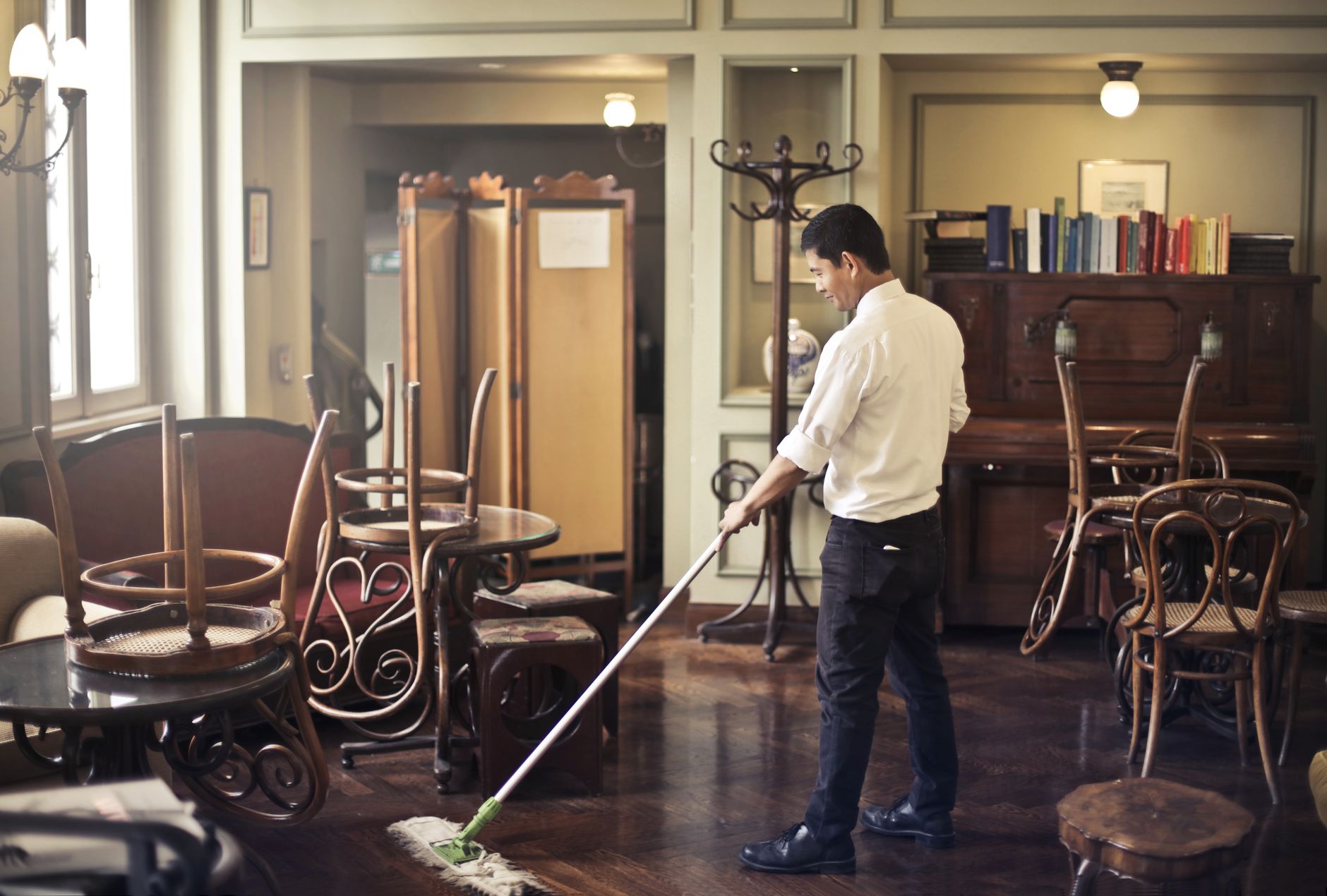
A night janitor at a funeral home works in the hours when the building is empty or nearly empty. The job usually covers restrooms, public corridors, entries, viewing rooms, chapels and the back of house spaces that families never see. Trash and recycling, restocking supplies and wiping high touch points such as door handles and handrails are part of the same walkthrough.
The work is mostly sequence and checking. A good night janitor follows a set order so the rooms needed the next day are ready, notes anything broken, and resets the rooms used the day before. That reset step is hard to measure from outside, and it is where sites lose time when the order is not written down.
Room use is also shifting. According to the National Funeral Directors Association 2025 Cremation and Burial Report, the projected cremation rate for 2025 is 63.4%, against a burial rate of 31.6%. Fewer burial services can mean chapel and viewing rooms are used less often, so the route should follow actual room use rather than the layout alone.
No public source found gives typical overnight hours for funeral homes. The hours on this page therefore have to come from a walkthrough and timed log of your own building.
Median hourly wage, Janitors and Building Cleaners
$4,041
Monthly cost of one full-time worker, at the median wage plus payroll costs (an estimate, not a quote).
Which floor work can a cleaning robot take, and which can it not?
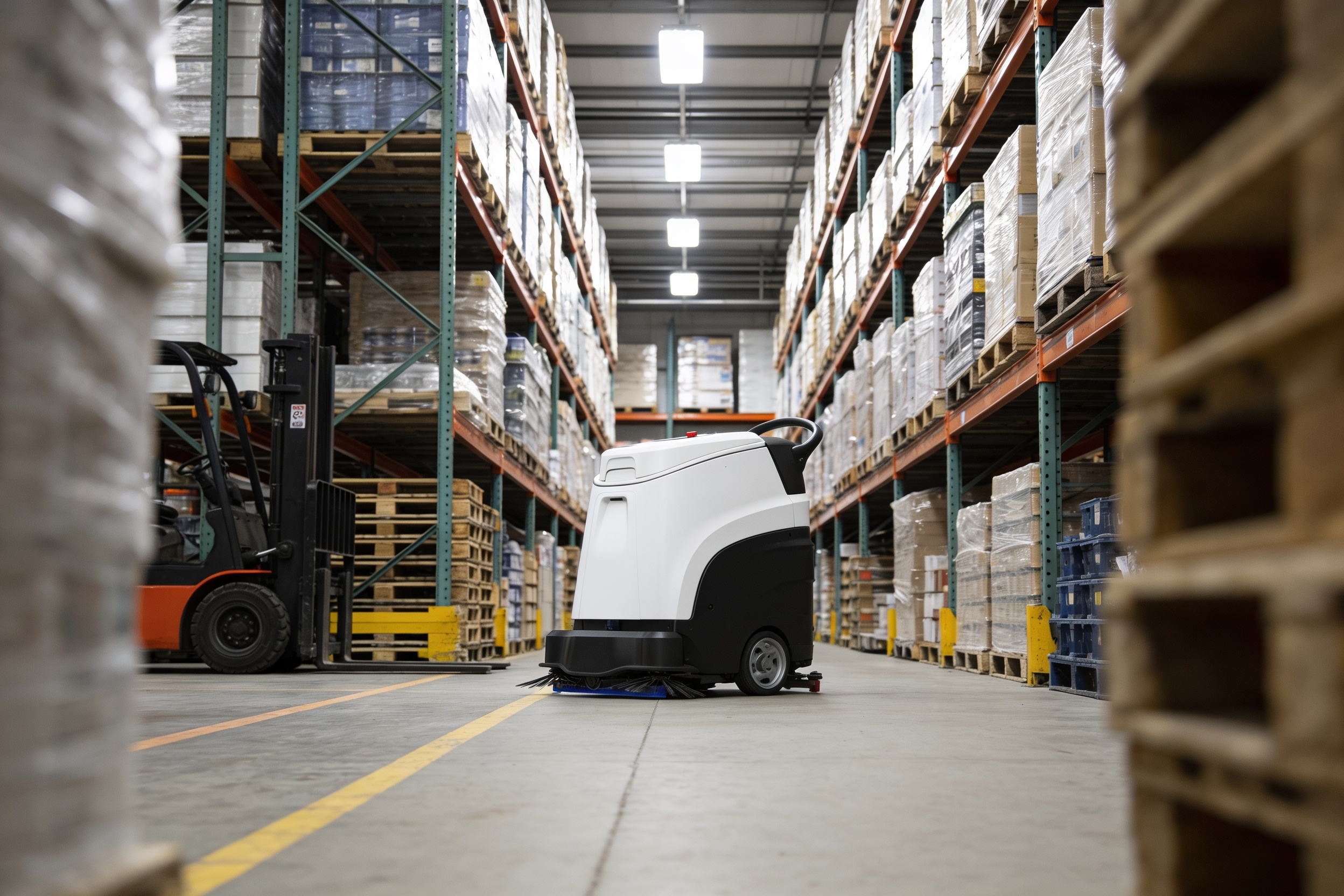
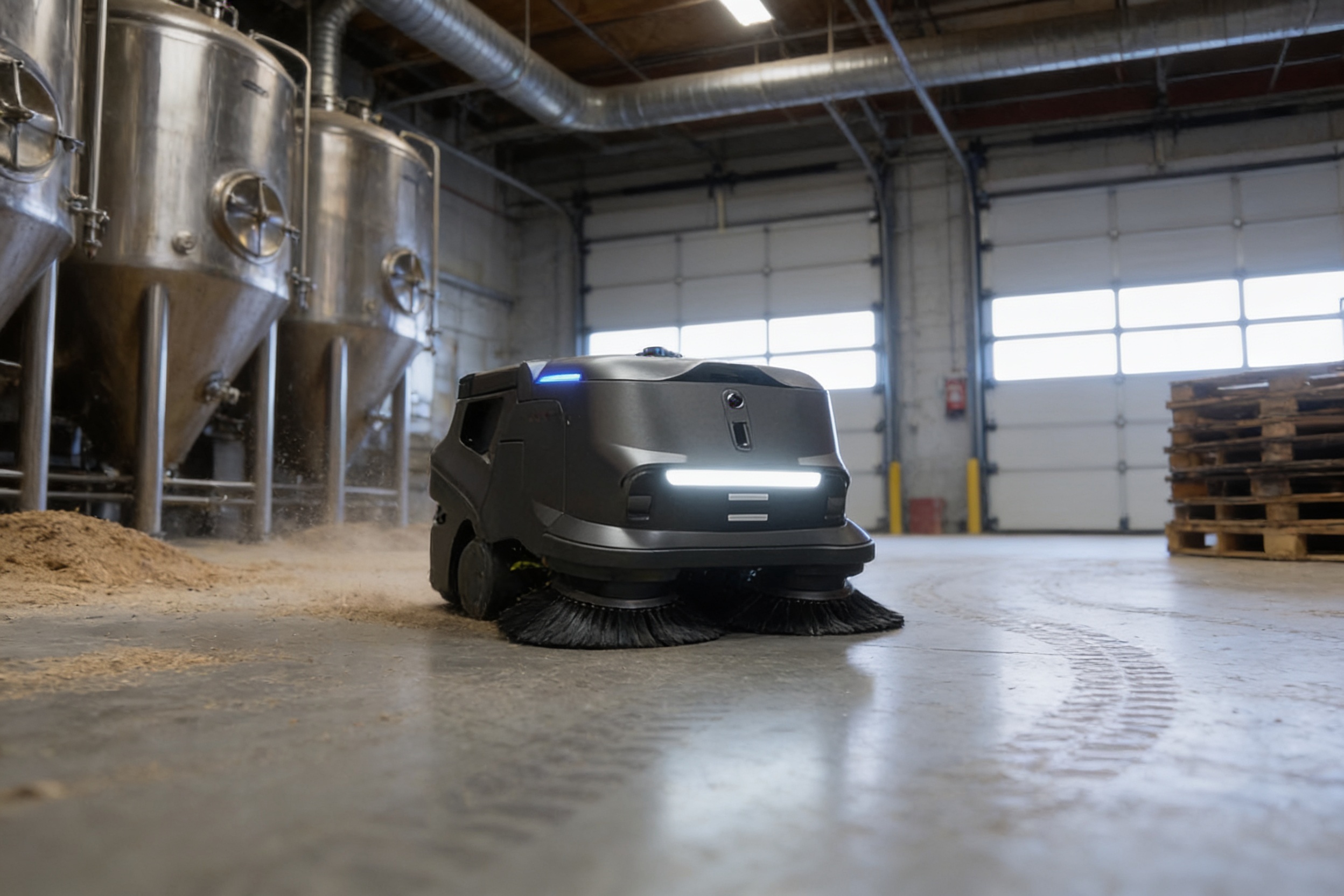
A cleaning robot takes the repeatable floor work on a route it can map. That usually means sweeping or scrubbing hard floors in corridors, lobbies, hallways and back of house passages. The robot runs the same path each night, stops at obstacles and returns to its dock on its own. Consistency is where a machine has the clearest edge.
The robot cannot do the detail work. It does not clean toilets or sinks, empty bins, wipe high touch surfaces by hand, dust furniture or judge whether a room has been left in a state that needs a person. It cannot climb stairs or step over cords. Carpeted viewing rooms depend on the machine and the floor type, so check that before assuming coverage.
The honest split is simple. The robot covers the long floor passes, and the person covers everything with a hand, a judgment call or a sensitive setting. Plan the route first, then decide which tasks stay with the person.
- Fixed hard floor route
Cleaning Robot
Runs the same mapped route each night
Night Janitor
Adapts the route when a room is left unready
- Restrooms and sinks
Cleaning Robot
Cannot clean them
Night Janitor
Cleans them by hand and checks each fixture
- Carpet and rugs
Cleaning Robot
Depends on the machine and the floor type
Night Janitor
Handles carpet with the right tools
- Sensitive rooms
Cleaning Robot
No judgment about a room used for families
Night Janitor
Brings discretion to chapels and viewing rooms
- After hours calls and alarms
Cleaning Robot
Cannot respond
Night Janitor
Can respond or escalate to the right contact
- Consistency from night to night
Cleaning Robot
Same pass every night
Night Janitor
Varies with the night and the workload
What does a robot's night look like at a funeral home?
A robot's night is a short, fixed sequence. Staff clear the route in the early evening, the robot runs the mapped path once the building is empty, and a person checks the stop log at the start of the next day. The timing in the table below is an example shape, not a measured figure for any funeral home.
The person does not disappear. The robot handles the floor pass, and the staff member on site handles the rooms, the checks and any stop. If the robot halts at an obstacle, someone clears it and the route resumes. Without a named person to respond, the robot simply sits idle until morning.
A good first week includes a few supervised runs, a log of every stop, and a list of rooms where the route must be paused. Those notes show whether the route is ready for an unattended night.
How big is the overnight labor picture for funeral homes?
The government wage data on this page gives the local wage for this job, and the national picture is useful context. The Bureau of Labor Statistics projects 2,447,700 janitors and building cleaners employed in 2024, with 2% growth from 2024 to 2034, which it calls slower than average. Most workers learn the job on the job, and services to buildings and dwellings employs 35% of the occupation, according to the Occupational Outlook Handbook.
Funeral service is a smaller base. According to the National Funeral Directors Association media center, about 15,401 funeral homes operate in the United States, roughly 75% of them family or privately owned, with 105,300 employees. The Bureau of Labor Statistics counted 32,620 funeral attendants employed in May 2023, a separate occupation from night janitors. Neither total shows how many people work overnight.
Turnover is the harder number to find. The Bureau of Labor Statistics defines annual turnover as total separations in a year as a percent of average employment, and it publishes that measure by industry rather than by occupation. No public figure exists for night janitors at funeral homes, so use your own staffing records for the last two years instead of a sector average.
Injury data frames the physical risk. The Bureau of Labor Statistics counted 21,100 nonfatal cases with days away from work for janitors and cleaners, excluding maids and housekeeping cleaners, in its 2020 data, an incidence of 191.6 per 10,000 full time equivalent workers. That covers the whole occupation rather than funeral homes, but it shows why repeat lifting and wet floor work deserve planning.

How does the team work with a robot on site?
The right model is a robot plus fewer staff, never zero staff. The robot takes the repeat floor pass, and the person keeps the detail work, the room checks and the response to any alarm or after hours call. A site that moves to no one on the premises takes on a risk this page does not recommend.
Staff need a short training plan. Someone on each shift should know how to pause the route, clear an obstacle, read the stop log and call for help on site. Write those steps down before the first unattended run, so the handoff does not depend on one person's memory.
We are a US commercial robot integrator. We pick the robot for your site, lease it through financing, deploy and integrate it, train your staff and service it nationwide. Robots are only leased, and the payment is a fixed robot lease payment quoted after a site assessment, with maintenance included.
What can a cleaning robot not do at a funeral home?
The robot cannot handle sensitive care, families or any setting where discretion matters. It cannot answer a door, respond to an alarm, call a funeral director or make a judgment about a room that has just held a service. It also will not see every obstacle a person would notice in a cluttered room.
It cannot take over the work that involves handling people, transport or direct care, and this page does not suggest it should. Its role is limited to floors on a mapped route. Plan the work so that people do the tasks that need hands, judgment and presence.
Floor limits are practical. Thick carpet, thresholds, stairs, loose cords and furniture left in the path can stop the route. Each stop needs a person, so a route full of stops saves less labor than the map alone suggests.
What about dignity, safety and after hours calls?
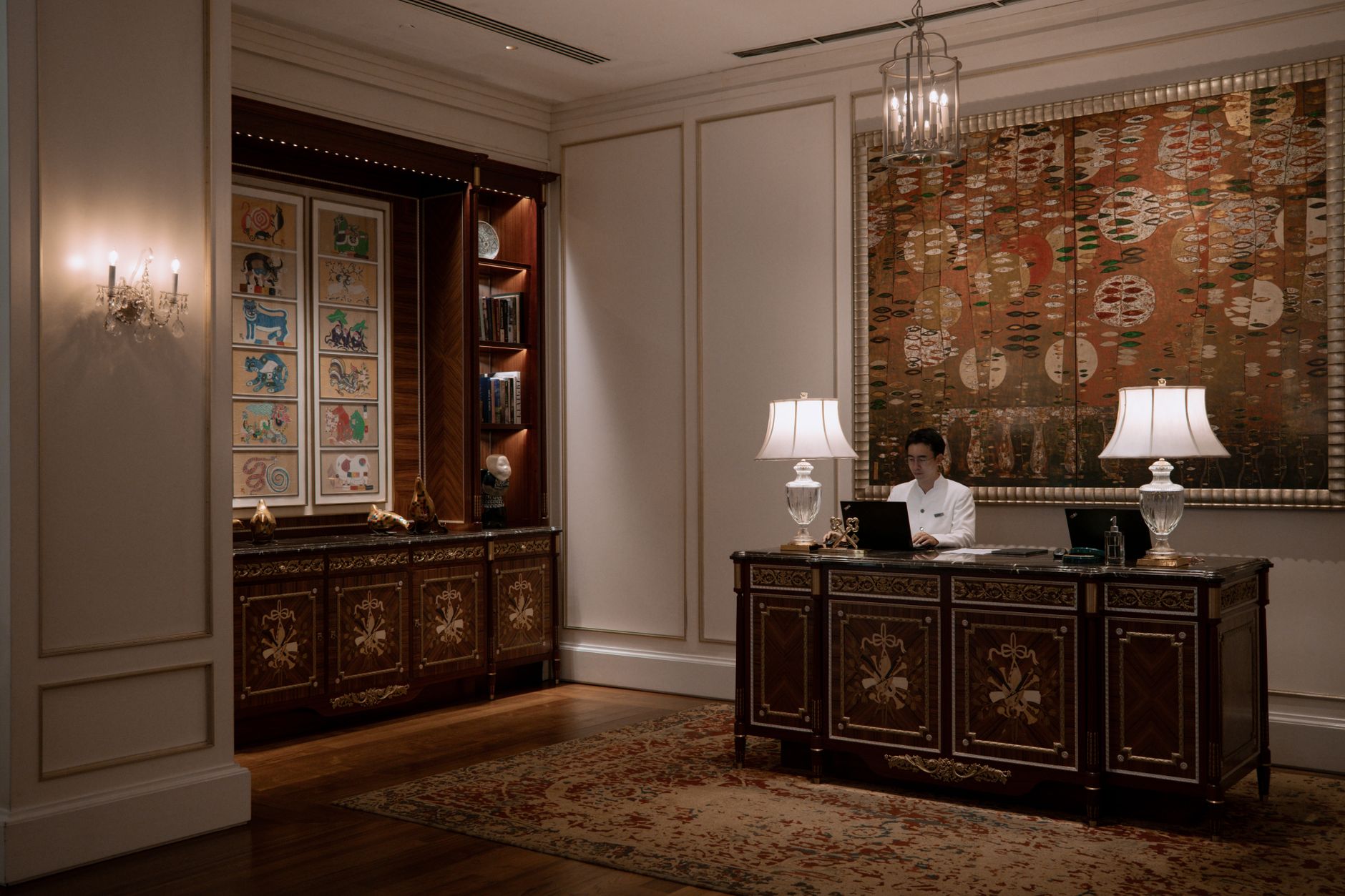
A funeral home serves families at hard moments, and the building is part of that service. A robot moving through a corridor should not disturb a room, a viewing or a family member who stayed late. Set the route so the robot runs when the building is clear, and make it pause when anyone enters.
Safety works in both directions. Janitorial work carries real injury risk, and the Bureau of Labor Statistics rate of 191.6 per 10,000 full time equivalent workers is a reminder that wet floors, lifting and repeat motion add up. A robot can cut the number of floor passes a person makes, but it adds obstacles and a charging area to watch.
After hours calls and alarms still need a person. Confirm who receives those calls and how quickly they can reach the building before you change the overnight plan.
How do you get started with a cleaning robot lease?
Start with a free site assessment. We map the floor, mark the hard floor routes, list the rooms the robot should skip and note the stops that need a person. The lease quote follows the assessment, so the financing reflects the real route rather than a guess.
A pilot on one floor is the lowest risk start. One leased unit, a single route and a two week log will show the stops, the time saved and the staff response time. Ask whether a loaner unit is included before you sign, so the night is covered if the unit goes down.
Once the route runs cleanly, go live with the full staff plan, keep the stop log and review it monthly. Ask for the quote with maintenance terms written out, including remote triage and on site dispatch for any fault. Cleaning robot leasing works best when the team, the route and the service plan are set before the first unattended night.
Frequently asked questions
Want a cleaning robot at your funeral home?
Tell us about your site. We will recommend the robot, quote the lease, and keep it serviced.
Sources
- US Bureau of Labor Statistics, Occupational Employment and Wage Statistics (OEWS May 2024)
- NFDA media center
- NFDA 2025 Cremation and Burial Report
- Bureau of Labor Statistics Occupational Outlook Handbook, janitors and building cleaners
- Bureau of Labor Statistics Occupational Employment and Wage Statistics, funeral attendants, May 2023
- Bureau of Labor Statistics occupational injury snapshot, janitors and cleaners
- Bureau of Labor Statistics turnover measurement paper