
The short answer
For most craft distilleries, the cobot vs case packer choice comes down to run length and how often the format changes. A collaborative robot arm fits short, frequently changed bottling runs where bottles are picked and placed into cases by hand, and where a fixed machine would sit idle between runs. A fixed case packer makes sense only when runs are long, the format rarely changes and steady volume keeps a dedicated line busy.
Key takeaways
- A cobot fits short, frequently changed runs, while a case packer fits long runs of one stable format.
- Idle fixed equipment between small runs is the main reason craft distilleries look at a cobot.
- The robot takes the repetitive pick and place step, while people still feed it, check it and handle exceptions.
- Your own packing and changeover logs should decide the choice, not a general rule.
- Plan on a robot plus fewer staff hours, never a robot with no people on the shift.
Cobot vs case packer at craft distilleries: which makes sense?
A craft distillery bottling line rarely runs the same product all week. One release might be a short run of a single expression, followed by a small batch in a different bottle with a different label and case count. A fixed case packer is built for steady volume. It runs fast when the format stays the same, and it loses time to changeovers when it does not.
A cobot, meaning a collaborative robot arm that works beside people, fits better when the packing work is picking bottles and placing them into cases on short runs with frequent changes. It can recall a saved program for a new case pattern and move between stations. It is designed to share a workspace with people, though the site still needs a risk assessment before go live.
Choose a case packer when runs are long, the format holds for weeks and volume keeps a dedicated machine busy. Choose a cobot when packing hours are uneven, changeovers are frequent and the fixed equipment would otherwise idle. Neither choice should be made before the work has been logged, because a cobot addresses a labor and idle time problem while a case packer addresses a throughput problem.
What does a case packer actually do in a distillery shift?
In practice a case packer takes filled, capped and labeled bottles off the line, groups them, places them into open cases, closes the cases and sends them to a pallet station. At a small distillery the machine may be a semi-automatic station where a person does most of the placing, or a larger machine that runs the full sequence. Either way a person usually stays at the machine to feed cases, clear jams and check the count.
The work changes with every run. Bottle size, neck finish, case count and divider layout all shift, and each change needs new guides, a new setting and a check on the first cases off the line. For a crew that bottles only a few days a week, changeover can take as long as the packing itself, and that is where idle capacity builds up.
The shift also carries the rest of the packing work: stacking cases on pallets, wrapping, moving pallets to the dock and recording counts. A cobot does not replace all of that. It covers the repetitive pick and place step, which is usually the part done by hand on short runs.
Median hourly wage, Laborers and Freight, Stock, and Material Movers, Hand
$4,380
Monthly cost of one full-time worker, at the median wage plus payroll costs (an estimate, not a quote).
How many craft distilleries run this kind of line?
According to the Craft Spirits Data Project, as reported by NABCA, 2,282 active craft distillers were counted as of August 2025, down 25.6% from 3,069 a year earlier. California had 207, New York 159 and Pennsylvania 149, the largest counts by state. A shrinking and uneven segment is one reason many operators prefer to lease equipment rather than commit a large sum to one machine.
Volume is soft too. Vinetur, citing the Craft Spirits Data Project figures, reports that craft spirits sales volume fell 8% in 2025. Fewer cases leaving the dock tends to push packing into shorter, less predictable runs.
Staffing is small. A Distilled Spirits Council survey, which predates the pandemic and is therefore dated, put the average craft distillery at 14 employees, falling to six during the pandemic. At that size, one packing person can be the whole packing crew on a bottling day.
Which parts of packing can a cobot take, and which can't it?
A cobot works well on the repetitive, predictable part of packing: picking a filled bottle from a staging point, placing it into a case slot in a set pattern and returning for the next bottle. It can switch case patterns from a saved program and keeps a steady pace through a long run, though it still needs bottles presented to it in a consistent position.
It cannot take the whole packing job. Opening case blanks, loading the magazine, fitting dividers when they are not automated, closing and sealing cases, spotting cracked or misfilled bottles and clearing a jam all still need a person or extra equipment. The gripper is also matched to bottle shape, so a new neck finish or base may need a new tool.
The honest split is that the robot covers the placing step and the person covers feeding, checking and exceptions. Whether a line can take a cobot depends on bottle presentation and case layout, and a site assessment checks both before a lease quote is prepared.
- Steady placing over a long run
Cobot
Places each bottle in the same pattern at a steady pace
Case Packer
Keeps pace for a while, then slows as attention drops
- Changing to a new format
Cobot
Recalls a saved program, with a gripper swap if the bottle shape changes
Case Packer
Adjusts guides by hand and checks the first cases by eye
- Spotting cracked or misfilled bottles
Cobot
Needs added inspection hardware to catch defects
Case Packer
Notices them by sight and pulls the bottle
- Clearing a jam or an odd bottle
Cobot
Stops and waits for a person
Case Packer
Clears the jam and restarts the station
- Unattended time
Cobot
Runs only with bottles and cases staged in advance, never a full unsupervised shift
Case Packer
Sets up, checks and responds to problems through the whole shift
- Covering a late or sick-day shift
Cobot
Still needs a trained person on hand to restart it and clear stops
Case Packer
Available for the full shift when scheduled, but hard to staff when someone is out sick
What do the labor numbers look like at a craft distillery?
No public dataset we found times the packing task inside a distillery, so the hours a robot could take over must come from your own run log. Pull the last 12 months of bottling days: packing hours, changeover minutes per run and the number of runs. That baseline is more reliable than any industry average, and it is what a site assessment will ask for first.
Labor supply is the wider pressure. The 2025 PMMI Inside the Workforce Gap report, an industry survey rather than government data, found that 95% of end users struggle to find skilled operators and technicians, according to Packaging World coverage. A distillery with one packing person is exposed when that person is out sick or leaves, because nobody else has been trained on the line.
Broader turnover figures are older. Packaging World coverage of a BLS-based series put about 2.6% of manufacturing workers leaving their job each month in the 2021 to 2022 period, which measures churn across manufacturing, not distilleries. All manufacturing recorded 2.7 cases per 100 full-time workers in 2024, according to the Bureau of Labor Statistics. Packing involves lifting cases all shift, so the injury side belongs on your checklist even though that data is not specific to distilleries.
The government wage data on this page gives the local wage for this job. Use it to set a person's hourly cost against the lease, rather than a guess. If the packing shift runs late or overnight, log the overtime hours and call-outs too, since those are the hours most likely to change.
How does a team work with a robot?
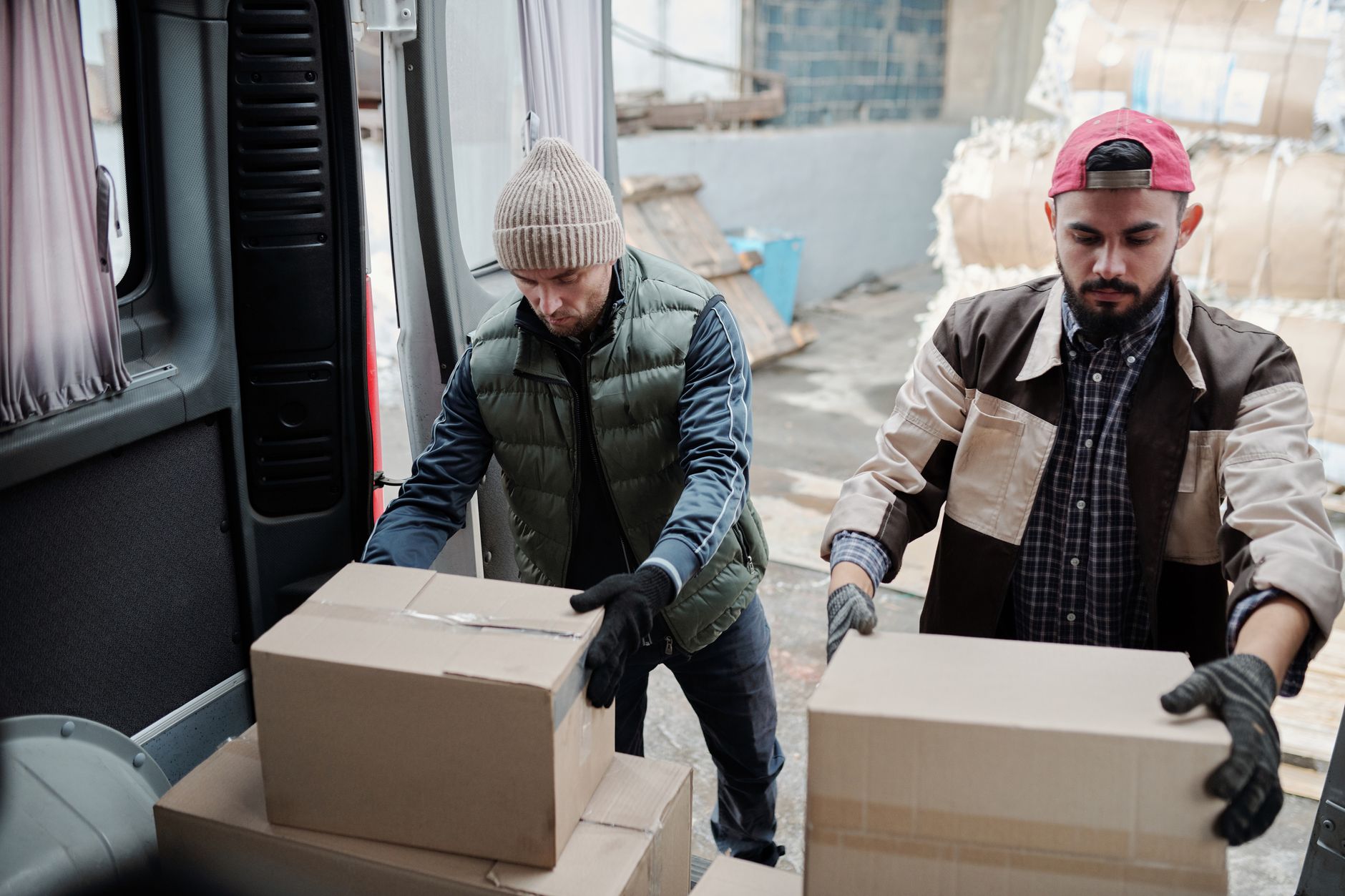
The right setup is a robot plus fewer staff hours on the packing shift, not a robot with no people. The person who used to do the placing moves to feeding, checking and handling exceptions, and a second trained person covers the bottling days when someone is out. A robot that stops because a bottle sits wrong still needs someone nearby who can clear it quickly.
Training is most of the work. We train the staff on the program, the stop and restart steps, the gripper change and the daily checks. Keep at least two people trained on the station so a single absence does not stop the line.
In a typical craft setup the same person may also run bottling or labeling, so the robot reduces the packing load rather than freeing a full person. Plan the shift around that, not around a headcount you do not have.
What can a cobot not do?
A cobot is not a case packer, and it will not run an unattended shift. It cannot handle a wide range of bottle shapes without a new gripper, it cannot set up case blanks on its own, and it cannot judge fill level or label placement by sight unless you add inspection hardware.
Speed is the other limit. A collaborative arm moving bottles beside people is built for steady, controlled motion, not the throughput of a dedicated high speed machine. If a distillery runs long, identical runs of one product every day, a case packer will out produce a cobot, and that is the honest answer.
A robot also cannot make up for a missing staff member. If the plan is to remove the packing person entirely, the line is exposed to sick days and turnover. The honest use is fewer repetitive hours on a crew that is already in place.
Is a cobot vs case packer worth it? Lease, cost and payback
Cost comes down to hours moved, not the machine itself. Compare your logged packing hours and changeover time against what the robot takes over, then add the overtime and call-out hours you would avoid. A payback estimate is only as good as those logs, so build it from your records, not from an industry average.
A lease changes the decision. Robots are leased through financing, so the cost is spread over the term instead of tied up in one large commitment. The lease quote comes after a free site assessment, which means the figure reflects your bottle shapes, case layout and staffing rather than a catalog entry.
If your runs are long and steady, a case packer's labor savings can outweigh a cobot, so the fair comparison is the robot against the hours and idle time you already carry. Run both sets of numbers before you decide.
How do you get started with a packing robot?

Start with one station and one format, not the whole line. A pilot on a single packing station shows whether the robot holds pace on your bottles before you commit to more. Our process begins with a free site assessment, where we check bottle presentation, case layout and the power and floor space the robot needs.
After the assessment you receive a lease quote. We pick the robot for the site rather than offering one model, then deploy and integrate it, train the staff who will run it and service it nationwide, so a fault on a bottling day has a path to repair.
Ask any integrator the same questions: which robot and why, what the lease quote covers, who trains the staff, and how fast a technician can reach you if the station is down on a bottling day.
- Samples of your bottles and cases for the site assessment
- Your last 12 months of packing and changeover logs
- The packing shift schedule and overtime records
- The formats you expect to run over the next 12 months
Frequently asked questions
Want a cobot at your craft distillery?
Tell us about your site. We will recommend the robot, quote the lease, and keep it serviced.
Sources
- US Bureau of Labor Statistics, Occupational Employment and Wage Statistics (OEWS May 2024)
- NABCA industry news on US craft distillery numbers
- Vinetur on craft spirits volume in 2025
- UK distillery census 2025 summary
- US Bureau of Labor Statistics injury and illness chart
- Packaging World on the PMMI workforce survey
- Packaging World on labor retention
- International Federation of Robotics presidents report
- Distilled Spirits Council survey