
The short answer
A cobot vs case packer decision at a pharmaceutical packaging plant comes down to the work itself. A collaborative robot makes sense when the packing motion is repeatable pick and place at one station, format changes are frequent but small, and people stay on the line beside it. A case packer still makes sense when the line runs fixed formats at high speed for long campaigns, because its validated changeover is already built around that machine.
Key takeaways
- A cobot fits repeatable packing at one station, while a case packer fits fixed, high-speed formats that run for long campaigns.
- The validation package, not the arm, usually sets the timeline, and one integrator fill-finish case study needed a 12-week GMP package.
- Plan for a robot plus fewer staff on the line, never zero staff.
- Night and rotating shifts are where a robot can help most, but only with trained people on site for oversight.
- Start with a free site assessment and one leased unit before deciding on a plant-wide change.
Cobot vs case packer: which makes sense for pharmaceutical packaging plants?
The short answer is that a cobot makes sense for a slice of the packaging job, not for the whole line. Pharmaceutical packaging is a large, steady sector. An industry data aggregator reporting NAICS 325412 shows 1,444 establishments and 165,088 employees nationally, though it does not state the year and was not checked against Census, so treat that as a sense of scale rather than a planning count.
A cobot fits when the packing motion is repetitive, the product and carton are stable, and a person needs to stay in the same workspace. It works well as a station next to an existing packer, such as a carton or tray loader, or at an end of line step that is still done by hand. It does not fit when the line must run at the speed a case packer is built for, when the format never changes, or when the validated machine should stay untouched.
The cleaner way to frame the decision is to separate the validated machine from the repeatable motion. A case packer is a validated machine at a fixed station. A cobot is an arm that repeats the same pick and place cycles, and its program and gripper can change more often, provided the validation is scoped properly from the start.
What does a case packer actually do during a shift?
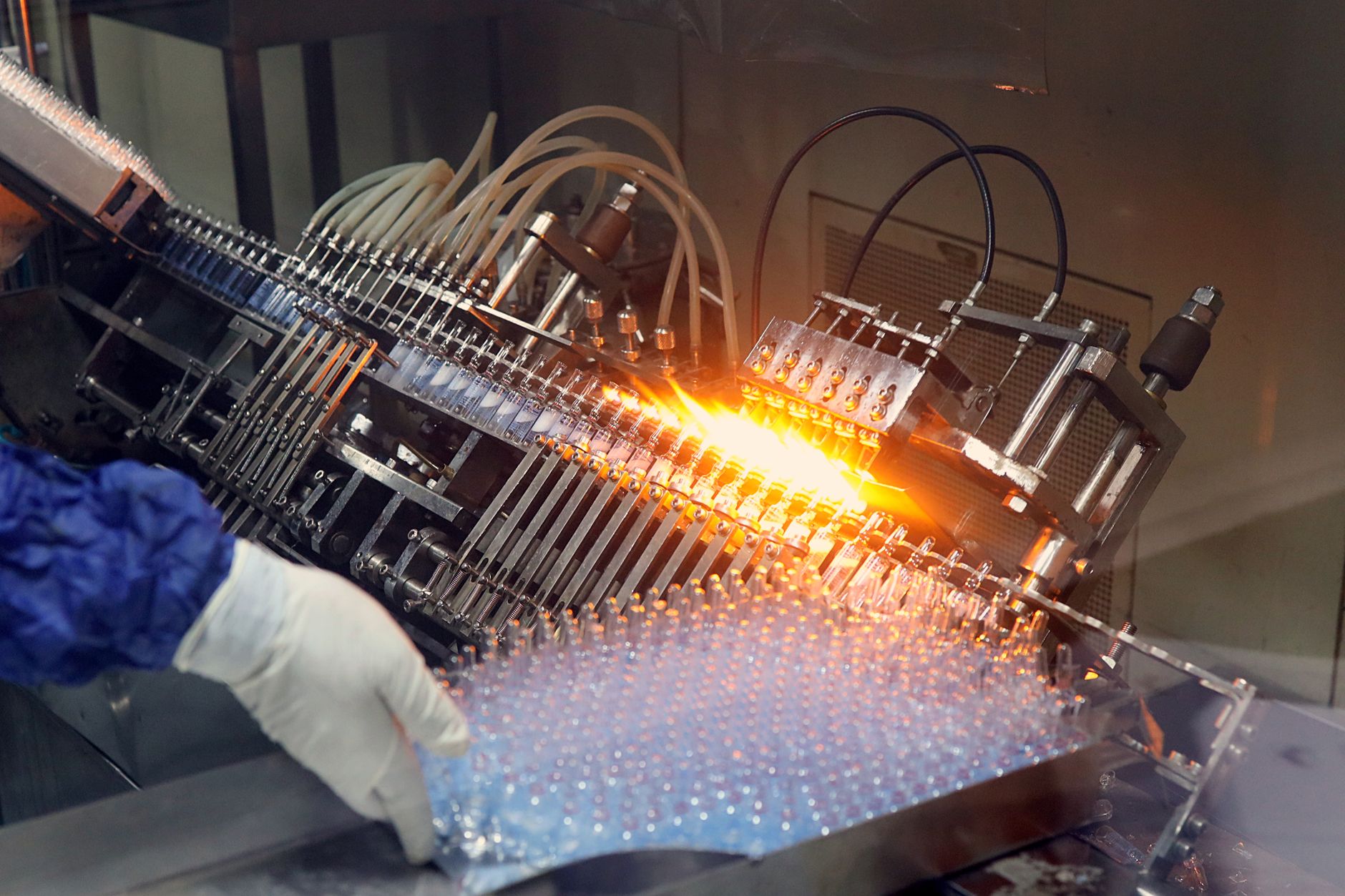
A case packer takes primary packs, such as bottles, blister packs or sachets, and forms them into shipping cartons at a fixed station. During a run it holds one format, takes product on a steady cadence, and is watched by an operator who clears jams, refills carton stock, checks codes and labels, and pulls rejects. Most of the operator's attention goes to keeping the machine fed and clean, not to the motion itself.
The labor around the machine is where most hands-on time goes. Someone loads cartons, keeps the magazine stocked, records counts and handles the changeover. A format change is a planned event with part swaps, settings, cleaning and checks before the line is released again, and in a regulated plant each step is documented.
This is why a case packer is hard to replace with a robot arm. Its speed, its fixed station and its change parts are designed as one system. Any cobot project has to be measured against the whole packing cell, including the people who keep it running.
- Repeated pick and place at one station
Cobot
Runs the same cycle without fatigue once programmed
Case Packer
Can repeat the motion but tires and varies over a long shift
- Sustained speed on a long fixed run
Cobot
Usually slower than a dedicated case packer
Case Packer
Not the limit, the machine sets the pace
- Format changes
Cobot
Recipe load can be quick once validated
Case Packer
Handles the physical part swaps and checks on the line
- Irregular or damaged packs
Cobot
Needs a defined gripper and fallback rules
Case Packer
Spots the odd pack and decides what to do with it
- Night coverage at one station
Cobot
Keeps the cycle running with an operator on site for oversight
Case Packer
Needs a trained person on the shift, and the shift must be filled
- Judgment on rejects and records
Cobot
Cannot sign off a batch record or judge a near miss
Case Packer
Owns the decision and the documentation
Which parts of the packing job can a cobot take, and which can it not?
Repeatable pick and place is the cobot's strength. An arm can lift a carton blank or tray, place primary packs into carton or tray pockets, load the output of a case erector or stack finished cartons. A trade association case study of a robotic case packing cell describes a cobot case erector running at four boxes per minute with no fencing, because the robot senses people nearby. That is one published cell, so read it as proof that the method works, not as a speed to plan around.
A cobot cannot match a dedicated case packer on sustained throughput over a long fixed run. It also cannot take over the whole machine's job. Code verification, sealing, cleaning in place and the batch records a regulated plant requires still belong to the line and the people who run it. In many plants the arm takes the hands-on station and the machine keeps doing what it already does well.
Check the product before you check the robot. Blister packs, glass containers and soft or deformable packs behave differently in a gripper. Gripper design, cleaning validation for the end effector and the handling of rejected units are part of the project scope, not extras added at the end.
How much packing labor is at stake, and what do the turnover and shift numbers say?
Turnover is a useful lens, but the sector figures are thin. The BLS JOLTS release reports an annual 2025 total separations rate of 3.3 percent for the whole economy, unchanged from 2024. A manufacturing trade publication summarizing JOLTS reports about 294,000 manufacturing separations in January 2026, down about 12 percent from a year earlier. We did not find a verified annual 2025 manufacturing separations rate, and we did not find a figure for pharmaceutical packaging plants specifically.
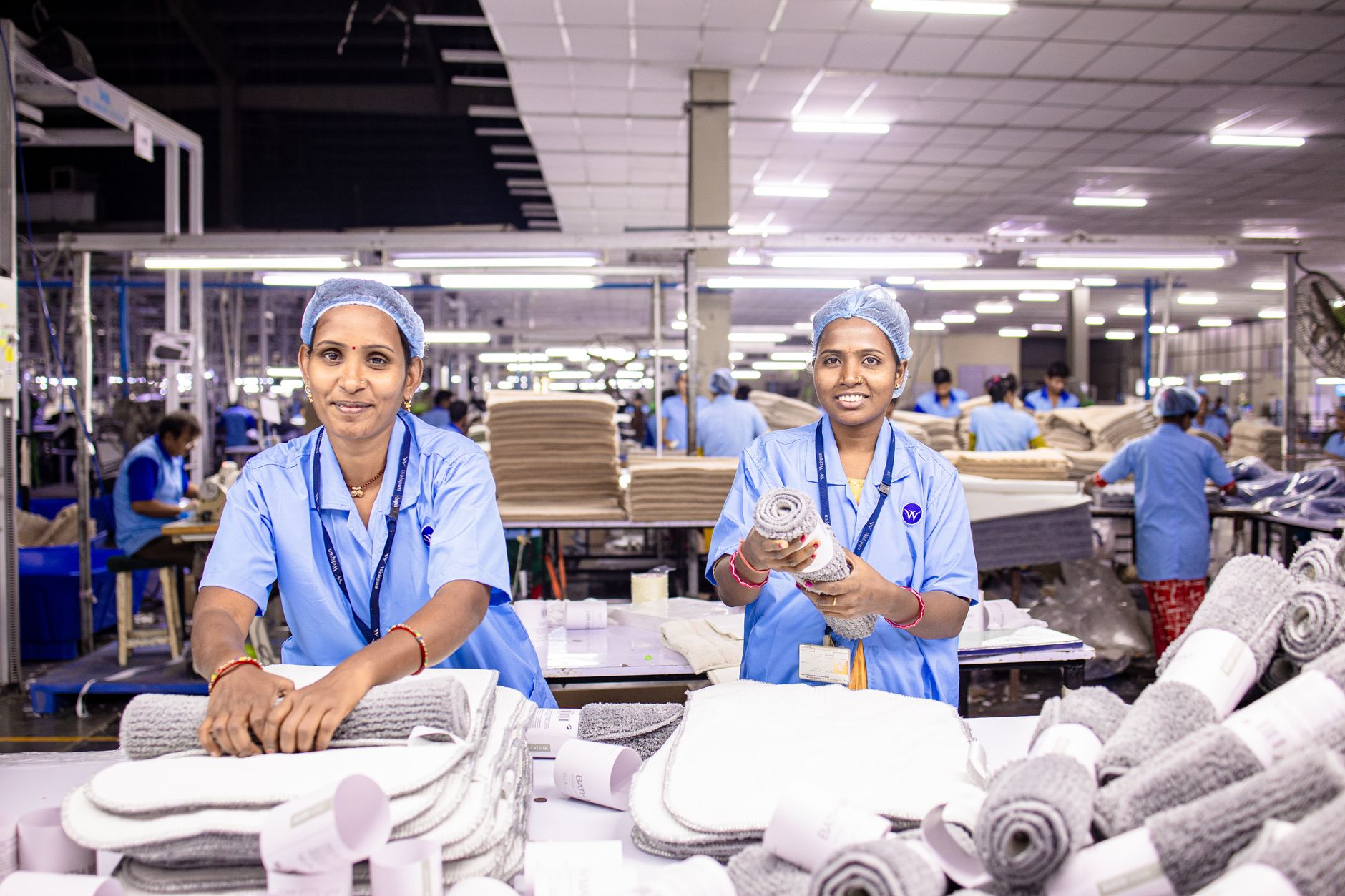
Shift work matters more than turnover for a packing cell. According to the BLS Occupational Requirements Survey for 2024, work schedule variability is required for 63.6 percent of production workers. That is a job requirement, not a count of who works nights, but it shows that rotating schedules are normal in this kind of work. BLS Career Outlook also notes that production facilities often run continuously and staff multiple shifts, including overnight.
Overtime and sick days are the lines most plants feel directly. We did not find verified national figures for overtime or absence in pharmaceutical packaging, so the hours a cobot can cover depend on your own schedule, your coverage gaps and how often a packing position goes unfilled on a given night. Pull those records before assuming any saving.
How does a team work with a cobot on a packing line?
The working model is a robot plus fewer staff, never zero staff. The arm takes the repeated pick and place cycles at its station. A person still owns the line, loading the upstream feed, clearing faults, checking labels and codes, handling rejects and running the changeover. What changes is how many people are tied to the repeated motion, and whether that motion can run without a second operator standing beside it.
In practice the first months follow a pattern. Operators are trained on program selection, the stop and restart sequence, and the cleaning and inspection steps that sit on their side of the validated process. Supervisors agree on who clears faults on each shift, and quality signs off each recipe change before the line is released. We handle deployment, integration and staff training as part of the project, and the service plan covers the robot when it needs repair, so the line does not depend on one person who knows how the arm works.
Coverage on nights and weekends is the main reason plants raise this question. A cobot can keep a packing station moving through an overnight run with an operator on site for oversight and fault clearing. The headcount on that station goes down, but the team is still on the floor.
What can a cobot not do in a pharmaceutical packaging plant?
The honest limit is validation. A changeover inside a validated process is the hardest part of this decision. An integrator case study from March 2025, reporting vendor results for a fill-finish cell, describes a SKU changeover that went from a four-hour validated procedure to a 25-minute recipe load. The same project needed a 12-week GMP package covering installation, operational and performance qualification, end-effector cleaning validation and cybersecurity. The faster changeover is real, but it arrived only after that paperwork was finished.
A cobot also does not remove the need for people who understand the regulated process. It cannot decide what to do with a rejected unit, judge a label that is almost right, or sign a batch record. It does not fix a station that is starved by an upstream problem. And it does not reduce the cleaning load of the area unless the area was designed for that from the start.
Speed is another limit. If the job needs a case packer's throughput on a single format, the cobot becomes the bottleneck and the plant ends up maintaining two systems for one job. Rule that scenario out first.
Are cobots safe to work beside on a packing line?
Injury data is a reason to look closely at the manual packing station, not a guarantee about any robot. The California Department of Industrial Relations table of 2024 BLS-derived data reports an incidence rate of 1.3 for pharmaceutical preparation manufacturing, NAICS 325412, and 1.4 for the broader NAICS 3254 group. Those are state figures, not national ones, and we did not find a verified national 2024 rate for NAICS 3254.
Ergonomics is the usual reason plants give for moving repeated lifts to an arm. The gain is easiest to see at a manual station with a fixed motion, which is why that station is the usual starting point. Measure your own station before and after, using the operator's lifts, reaches and cycle counts, rather than relying on anyone's general claim.
Safety for a collaborative setup still needs a risk assessment of the specific cell. Speed and separation settings, the sensing around people, and the gripper's pinch points each need review. The trade association case study ran without fencing because the robot senses people, but your plant should rely on its own assessment, not on a case study.
How do we decide, and what does a robot lease quote depend on?
We start with a free site assessment. We map the packing area, the feed and discharge points, the product and carton types, the changeover steps and the shifts that need coverage. That shows whether a cobot fits, whether the case packer should stay as it is, and where a pilot would make sense. Robots are leased through financing, and the lease is quoted after that assessment, because the cell, the integration and the service coverage all change the terms.
Maintenance included in the lease is the part plants most often underestimate. Someone has to dispatch on site, triage a fault remotely and bring in a spare unit if a station goes down during a campaign. We offer on-site dispatch, remote triage and a spare unit program, so the packing line is not waiting on a single machine.
The decision should rest on hours covered, validation scope and fit to the line, not on the robot alone. The checklist below lists the factors that move the outcome most, and each one is worth checking before a quote is compared.
How do you start a cobot project at a pharmaceutical packaging plant?
Start with one station, not the whole line. Choose a repeatable step that already has a stable recipe and a clear validation path, such as loading cartons or trays beside a packer that stays where it is. Keep the first project to one format family, so the validation package covers a small, known set of changes.
Run a pilot on one leased unit with a backup plan in place. Confirm operator training, the fault response on each shift, quality sign-off on recipe changes and what happens if the robot is out of service. A spare unit program keeps the station running while a repair is made. When the pilot shows the line can run through the covered shifts without a second person at the station, the plant can decide on a second station.
Our role covers the arm and the people side. We pick the robot for the site, handle deployment and integration, train the staff and service the robot nationwide, with one number to call. The first project is usually the slowest, because the validation work is new, and each later station tends to go faster once the paperwork and the training are in place.
Frequently asked questions
Want a cobot at your pharmaceutical packaging plant?
Tell us about your site. We will recommend the robot, quote the lease, and keep it serviced.
Sources
- BLS JOLTS release (2025 annual separations)
- Manufacturing Dive summary of BLS JOLTS, January 2026
- NAICS 325412 establishment and employment data (industry aggregator)
- California 2024 BLS-derived injury and illness table
- BLS Occupational Requirements Survey, production occupations factsheet
- BLS Career Outlook, night owls and early birds (2015)
- Integrator fill-finish cell case study (vendor-reported, March 2025)
- Robotic case packing cell case study