
The short answer
A cobot vs bagger choice at a pet food plant comes down to where the strain sits. A cobot makes sense at the end of the line, taking the repetitive placement and stacking of sealed bags when formats stay within a few families, while the bagger keeps filling and sealing. A bagger with a person still fits better when formats change often, when the line is slow enough for one person to keep up, or when most of the work is checking seals and weights.
Key takeaways
- A cobot fits the repetitive placement and stacking at the end of a pet food line, not the filling step.
- Frequent bag format changes and slow lines are the main reasons a bagger with a person still wins.
- Heavy, repeated bag handling is the strain case, and it is the one a robot addresses directly.
- Plan for a robot plus fewer people on the station, never zero staff.
- The lease payment is quoted after a free site assessment that maps your bags, load and line speed.
Cobot vs Bagger at Pet Food Plants: When Does a Robot Make Sense?
A cobot vs bagger decision at a pet food plant is really a question about where the strain sits. A collaborative robot arm makes sense at the end of the line, where sealed bags come off a conveyor and go into a stacking pattern or onto a pallet, and where bag formats stay within a few families for most of the week. In that setup the robot takes the repetitive placement, and the bagger keeps doing the filling.
It does not make sense when formats change many times a shift, when the line runs slowly enough that one person keeps up without strain, or when most of the work is filling, weighing and checking seals. Those jobs stay with the bagger and its operator. Be exact about this boundary when you scope the project. Filling is usually not the cobot's job, and a plant that expects the robot to replace the filler will oversize the scope and disappoint the team.
The segment is worth sizing first. According to a third-party industry data summary of Census County Business Patterns figures, 451 establishments were classified under NAICS 311111, Dog and Cat Food Manufacturing, in 2023, employing about 30,393 people. Other sites publish counts with no year attached, so treat 451 as a working figure and confirm it against the Census data before it goes into an approval memo. That code covers dog and cat food only, so plants making other pet products may sit in other classifications.
What does a bagger actually do in a shift at a pet food plant?
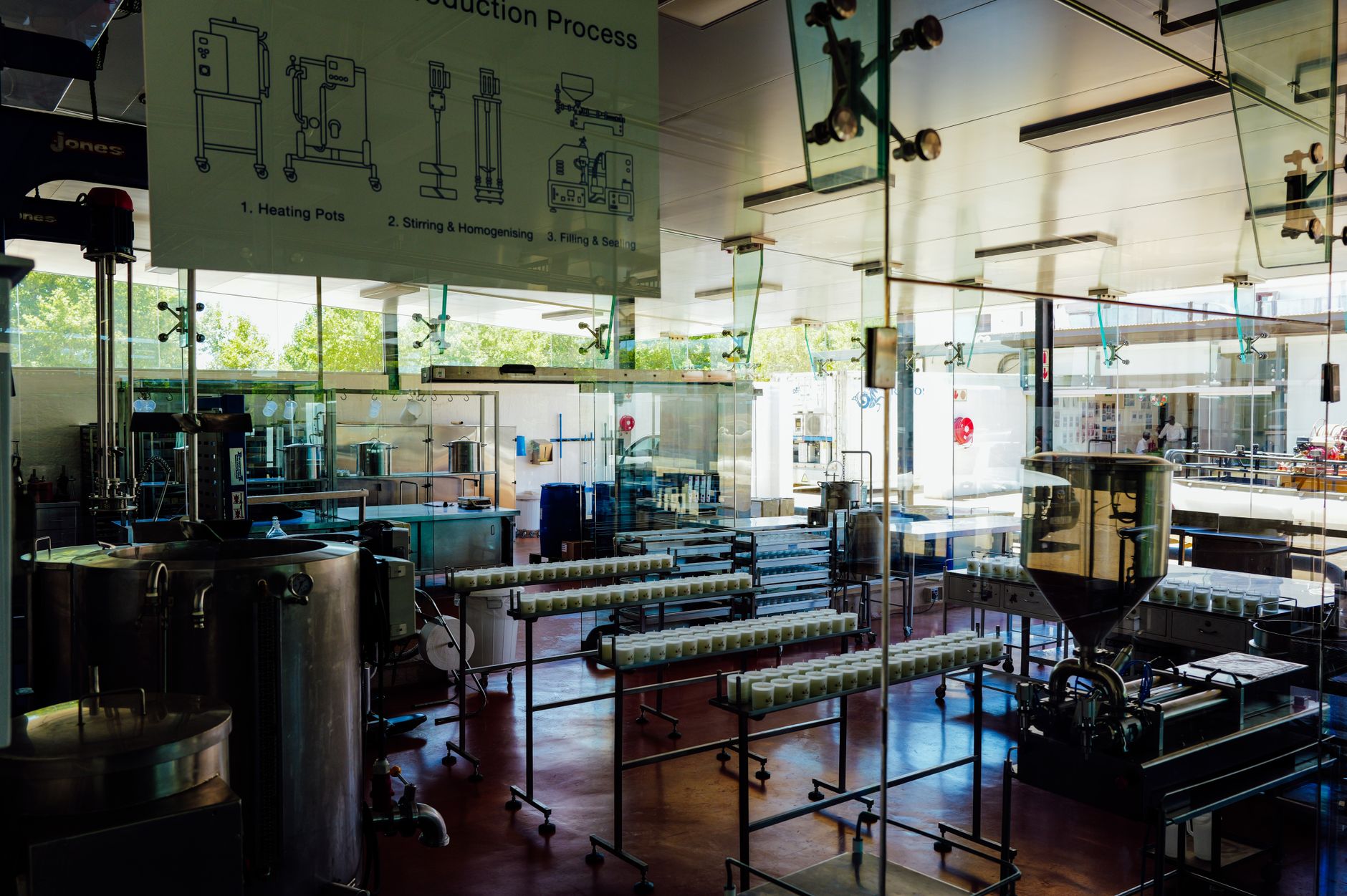
A bagger is more than one machine. Finished product from the process line drops into a weigher and filler, which fills each bag to a set weight. The bag moves to a sealer, typically heat or sewn closure depending on the format, and then onto an outfeed conveyor. A person watches the seal, pulls bags that are off weight or open, keeps film or bag stock loaded, and clears jams when they happen.
At the end of the line, a person often stacks sealed bags into a pallet pattern by hand, or works a station where each bag is lifted off the conveyor and set down in layers. That is the part people describe as repetitive, and it is also where the load is heaviest. The bag is the heavy object at this stage, and the worker moves it again and again through the same reach and turn.
Changeovers add a second kind of work. When product or bag size changes, the setup, adjustments and first-off checks take time that a robot cannot do alone. Plan for those hours separately from the repetitive hours, because they decide whether a robot can earn its place at the station.
Which parts of the bagging job can a cobot take, and which can it not?
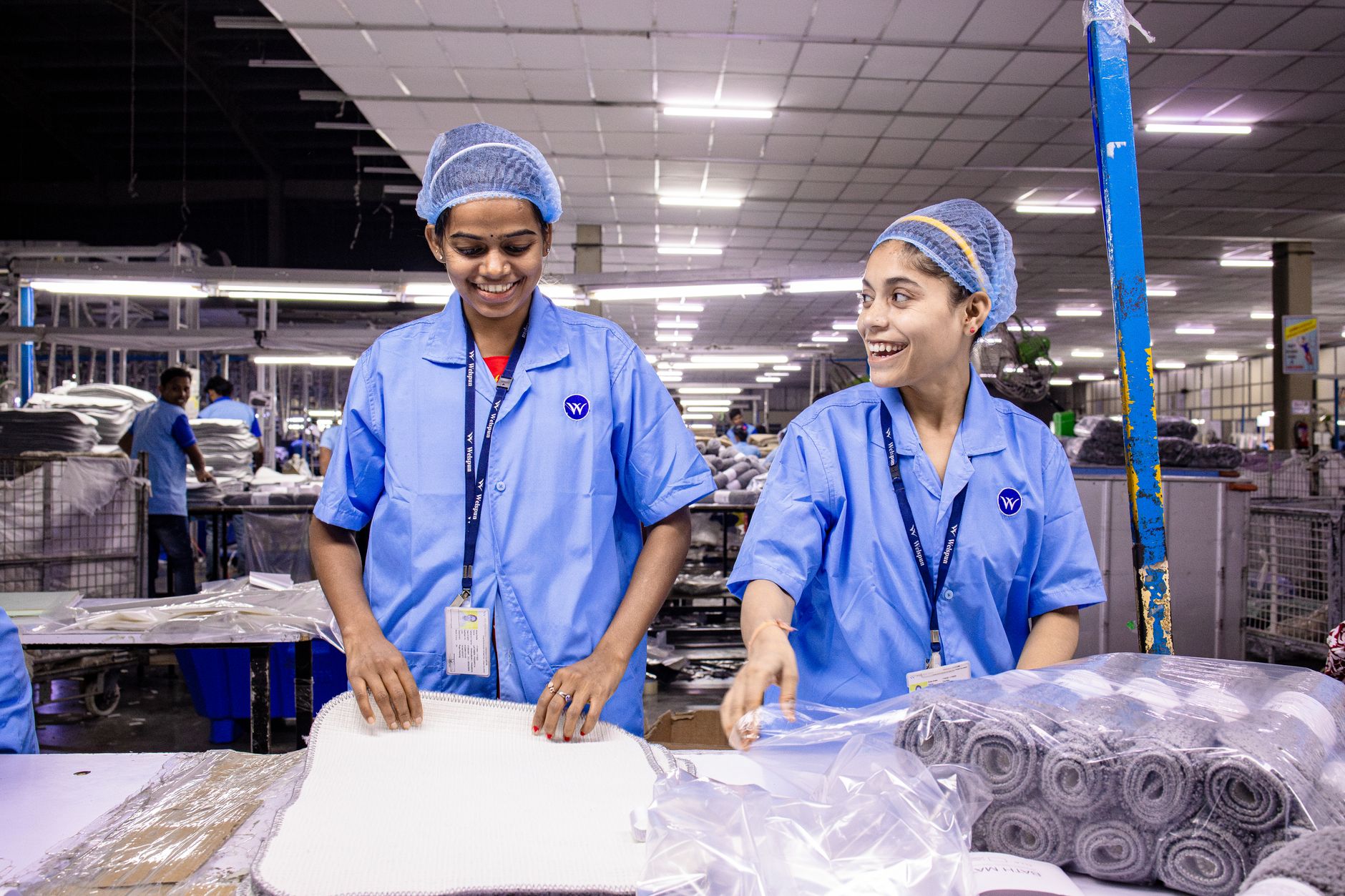
A cobot takes the placement end of the work. It picks filled, sealed bags from a conveyor, reorients them and sets them into a stacking pattern on a pallet or tray. This works best when bag sizes sit within a few known families and the gripper can hold each bag reliably. Payload and reach must match the heaviest bag in the range, so the site assessment checks load and reach before anything else.
It cannot judge a seal, decide that a bag is bad, or correct a fill weight. It cannot clear a jam inside the filler, replace film or bag stock, or run sanitation. Those tasks stay with the bagger and the people around it, and they often take most of the attention during a shift.
Speed needs a careful read. According to a trade product database listing for bag palletizers, one dedicated model is rated up to 35 bags per minute and a smaller model up to 25. Those are vendor ratings, not independent tests, and they describe a dedicated machine rather than a cobot. Ask every candidate for the same kind of rating, then test on your own bag weight.
- Takes: picking sealed bags off the outfeed conveyor
- Takes: setting bags into a repeatable layer pattern
- Stays with people: filling, weighing and sealing
- Stays with people: judging seals, clearing jams and sanitation
How many people work these lines, and how much turnover is there?
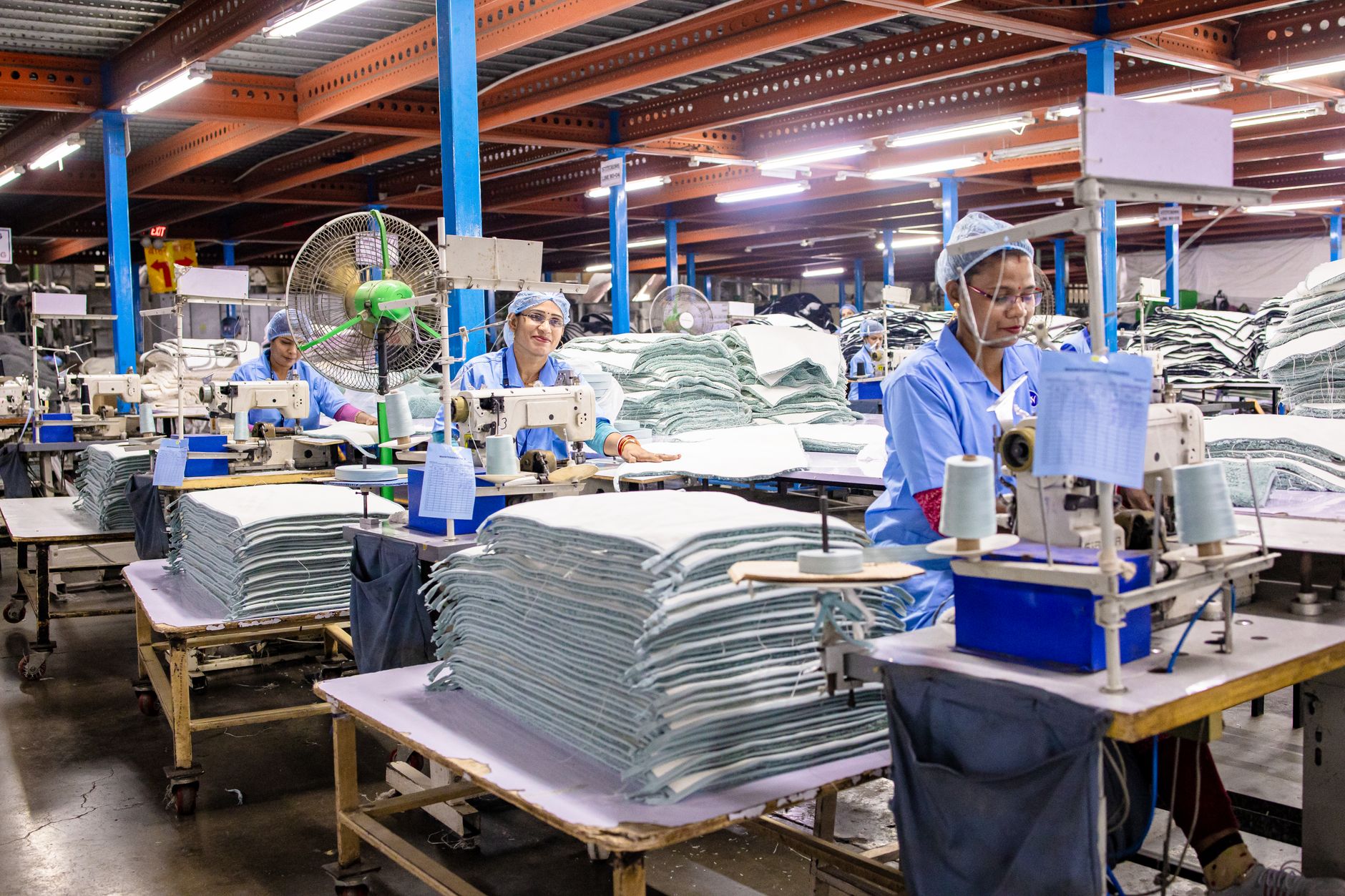
Food manufacturing as a whole is a large employer. Federal Reserve Bank of St. Louis data on food manufacturing employment, seasonally adjusted, stood at 1,781.2 thousand in November 2025. That is a sector total, not a count of bagging crews, so use it to gauge the size of the labor pool rather than the staffing of one line.
Turnover is where the pressure shows. For nondurable goods manufacturing, which includes food, the job openings rate was 3.6 percent in January 2026 and 2.9 percent in February 2026, according to the St. Louis Fed's job openings series. Those are rates for all nondurable goods, not food-specific figures. No dependable food-specific figure for turnover, overtime or sick days turned up, so pull those numbers from your own records by line and shift.
Night shifts and overtime are where a bagging station gets hard to staff. A station that needs a person on every shift, including nights and weekends, carries the cost of each unfilled hour even when those openings never show up in a national rate. Count the open hours and overtime on that station for the past year. That count is the number the lease decision should be compared against, not the sector average.
Why does manual bag handling cause strain and injuries?
According to a safety compliance summary of Bureau of Labor Statistics data, private employers reported 2.5 million nonfatal injuries and illnesses in 2024, down 3.1 percent from 2023. Those figures cover all industries, so they show the overall trend rather than a rate for pet food. They still confirm that injury exposure is large enough to plan around.
The most relevant study is a NIOSH-linked review of bag palletizing, reported by a supply chain trade article. It found that manual handling of small bags drives low-back loading. It recommends automated palletizing where possible, and lift tables or end-of-conveyor pallet positioning where manual work remains. The study used 25-pound bags. Your bags may be heavier or lighter, so measure your own weights and reaches before you decide.
The pattern to watch is repeated bending, reaching and twisting at the same station, more than the single heavy lift. Review lift height and reach at each station, and rotate people across stations on a set schedule. A cobot removes the repetitive placement at one station, but it does not remove the need for rotation across the rest of the line.
How does the team work with a robot?
The working model is a robot plus fewer people at the station, never zero. The person who used to stack all shift moves to the jobs the robot cannot do, such as checking seals, clearing jams, supporting format changes and watching the pallet pattern. Staffing at the placement point drops, but the line still needs a trained operator on every shift that runs.
We work this model. We pick the robot for the site, lease it through financing, deploy and integrate it, train the staff and service it nationwide. Training matters most for the format changeover routine and the fault responses, because a robot that stops with nobody sure why can cost more time than the bagger did before.
Night coverage needs planning. A robot can carry the repetitive placement through the night once the format is set and the first pallets are checked, but a person still starts the run, checks the first bags and answers faults. Name a contact for each shift and a backup plan for stoppages, rather than assuming the line runs without people.
- Repetitive bag placement
Cobot
Same pattern at a steady pace for the whole run
Bagger
Tires across a shift and varies with fatigue
- Heavy lifting
Cobot
Lifts the load without back strain, within its rated payload
Bagger
Carries the load, which drives low-back strain over time
- Format changeovers
Cobot
Needs a person to reteach the pattern and confirm the first pallet
Bagger
Sets the gripper, adjusts quickly and handles unexpected sizes
- Seal and weight checks
Cobot
Does not judge seals or fill weight
Bagger
Spots torn seals, short fills and bad corners
- Night coverage
Cobot
Runs the placement through the night once set and checked
Bagger
Starts the run, responds to faults and covers the stations the robot cannot
- Sick days and absence
Cobot
No sick days, but a stoppage needs a person and a backup plan
Bagger
Sick days need backfill and can add overtime
Where does a cobot fall short, and where does a person win?
A cobot loses on flexibility. If the plant runs many bag sizes in one week, each changeover needs a person to set the gripper, reteach the pattern and confirm the first pallet. In that case a bagger with an operator stays faster, and the robot becomes one more station to maintain.
It also loses on judgment. A person spots a torn seal, a short fill the weigher missed, a folded corner or a leaning pallet. The robot places what it is given. Quality checks stay upstream at the sealer and weigher, and they need trained people who can stop the line.
Vendor throughput numbers are not your line. Ratings depend on bag weight, bag shape and how the bags arrive. Do not size the project from a rating. Size it from a timed run on your own bags at your own line speed, with the changeovers included.
What drives the lease decision and the payback?
Start with the hours that matter. Count the open hours, overtime and night coverage at the placement station, then list the changeover hours a robot would not remove. The gap between those two lists is the part a lease can address. The lease payment is quoted after a free site assessment, because bag formats, line speed and floor layout change the answer.
Adoption gives context, though it does not settle fit. According to a secondary summary of International Federation of Robotics data, cobots reached about 12 percent of new industrial robot installations in 2024, with more than 64,500 units sold. That shows the technology is established across industry. It does not show that a given station pays back.
A fixed robot lease payment lets a plant compare the cost of the robot against the labor it replaces and the strain exposure it removes. A lease can bring deployment, training and service into one agreement, so the plant is not managing a separate project for each piece. Ask that the quote state what maintenance is included, how a stoppage is covered, and what happens during a format change.
How do you get started with a cobot at a pet food plant?
Begin with one station, not the whole line. Pick the placement point where strain and unfilled hours are largest, and record a week of bag formats, bag weights, line speed and stoppages. That record is what a site assessment needs to size the robot and check the floor.
A free site assessment maps the cell, checks the bag range, reach and load, and confirms the integration points with the sealer and conveyor. The lease quote follows that assessment. Deployment includes integration, go-live support and training for the operators who will run changeovers and handle faults.
Run a pilot on one station before you extend the approach. A phased deployment keeps the bagger running while the robot takes its first shifts, and a spare unit or backup coverage protects the line during a stoppage. After go-live, our service team handles on-site dispatch and remote triage nationwide, so one team answers for the station.
Frequently asked questions
Want a cobot at your pet food plant?
Tell us about your site. We will recommend the robot, quote the lease, and keep it serviced.
Sources
- Bureau of Labor Statistics, Occupational Employment and Wage Statistics, May 2023
- Third-party industry data summary of Census County Business Patterns, NAICS 311111
- Federal Reserve Bank of St. Louis, food manufacturing employment series
- Federal Reserve Bank of St. Louis, JOLTS nondurable goods openings rate series
- Safety compliance summary of Bureau of Labor Statistics injury data
- Supply chain trade article on a NIOSH-linked bag palletizing study
- Trade product database listing for bag palletizers
- International Federation of Robotics, world robot statistics