
The short answer
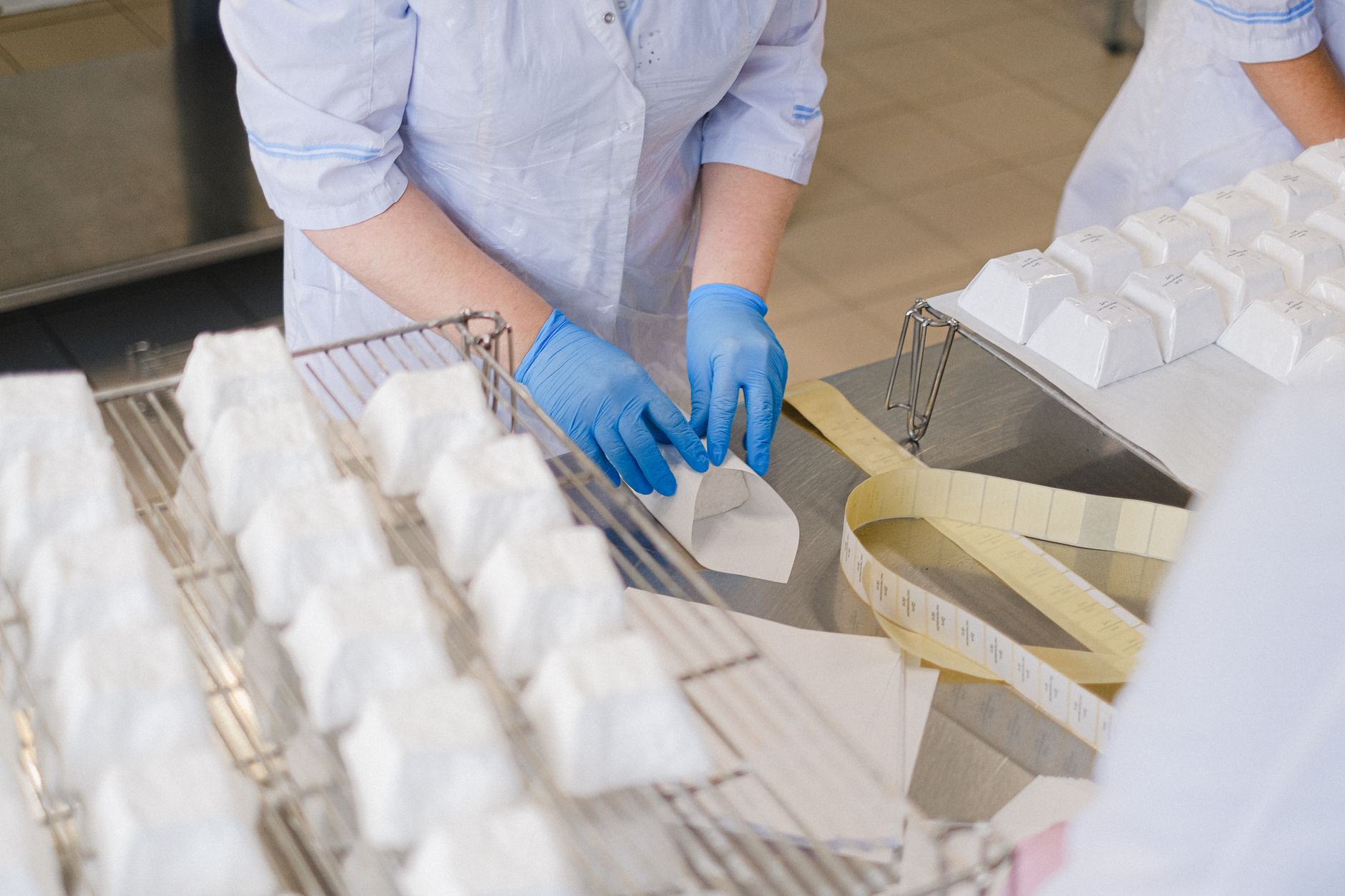
A cobot makes sense for palletizing in Boston when cases arrive at a steady rate, the stack pattern repeats, and every pallet load stays within the arm's payload and reach. It does not make sense when most of the shift is mixed or damaged product, pallet wrapping, forklift moves or trailer loading, because a person still does that work. For most Boston lines, the cobot vs palletizing worker answer is a cobot on the stack with a trained operator and fewer people on the line, not a line with no staff.
Key takeaways
- A cobot fits a steady, repeating stack, while a person still handles mixed loads, wrapping and exceptions.
- The government wage data on this page sets the local labor baseline, so test it against your own shift records.
- The broad transportation and material moving group logged 468,830 days-away-from-work cases in 2023 to 2024, so physical material work is a real exposure.
- A NIOSH study summarized by trade press estimated about 800 N less lumbar compressive force when pallets sit at the end of the conveyor.
- Plan for one cobot plus fewer staff and a trained operator, never zero staff.
Cobot vs palletizing worker in Boston: when does a cobot make sense?
A cobot makes sense on a Boston palletizing line when the input is steady, the stacking pattern repeats, and every pallet stays within the arm's payload and reach. Steady means the cases arrive at a rate the cell can keep up with, and the pattern changes only a few times a week. Those conditions describe many end-of-line stacking jobs, which is why they make a sensible first project.
It does not make sense when most of the shift is mixed or damaged product, pallet wrapping, forklift moves or trailer loading. Those tasks need judgment, reach into unpredictable spaces or carry a pallet across a floor, and a stacking arm does none of them well. A line with frequent changeovers and many small pattern variants also loses much of the gain to setup time.
The practical default for most Boston sites is a cobot on the stack, a trained operator on the line, and fewer people than today, not zero. The rest of this page explains how to test whether your line fits that pattern.
- Pace over a long shift
Cobot
Holds a steady stack rate when the infeed is fed
Palletizing Worker
Slows over hours and between breaks
- Night and weekend coverage
Cobot
Runs without breaks once the cell is loaded and checked
Palletizing Worker
Needs scheduling, overtime and absence cover
- Mixed, dented or odd cases
Cobot
Handles known case sizes from a stored pattern
Palletizing Worker
Adjusts by feel and sight for damaged or mixed product
- Pallet wrapping and moving
Cobot
Usually does not do these tasks in most setups
Palletizing Worker
Wraps, labels and moves full pallets
- Exception handling
Cobot
Stops and waits for a person to clear the fault
Palletizing Worker
Clears jams, pulls bad product and reroutes flow
- Repeated lifting load on the body
Cobot
Takes the repeated lift and placement
Palletizing Worker
Carries the lifting risk if the line stays manual
- Cost structure
Cobot
Fixed lease payment quoted after a site assessment
Palletizing Worker
Wages, benefits and overtime set by the local labor market
What does a palletizing worker actually do in a shift?
A palletizing worker usually starts by checking the pattern sheet for the day's product and confirming the pallet dispenser is stocked with clean pallets or slip sheets. Through the shift, they pick cases off the conveyor, build each layer to the pattern, place slip sheets and top off the pallet. When a pallet is full, they move it to wrapping and labeling or to a staging spot, then start the next one.
Much of the job is not the stacking itself. The worker clears jams when a case tips or a label fails to read, pulls out damaged product, re-stacks when the conveyor surges and resets the pattern when the product changes. Those interruptions are where the skill sits, and they are the first thing to check when you ask whether a robot can cover the job.
The physical load is repetitive. Lifting from a conveyor at one height and placing at another, often with bending and twisting, is the pattern the injury data later on this page is about. The sections below show what the national figures can and cannot tell a Boston manager.
Median hourly wage, Laborers and Freight, Stock, and Material Movers, Hand
$5,127
Monthly cost of one full-time worker in Boston, MA, at the median wage plus payroll costs (an estimate, not a quote).
Which palletizing tasks can a cobot take, and which can it not?
A cobot can take the repeated pick and place: lifting known cases from a fixed infeed, placing them in a programmed pattern and returning for the next case. It works best when case size and weight are consistent and the pallet sits in a fixed spot inside the cell. Pattern changes are handled by loading a stored recipe, not by rebuilding the cell each time.
It cannot, on its own, do the work around the stack. In most setups it does not wrap or label a pallet, move full pallets across a floor, load a trailer or judge a dented case. It also needs a person to clear an interruption, because stopping is the safe response when something unexpected happens inside the cell.
How many people work palletizing, and what does turnover look like?
According to the BLS Occupational Employment and Wage Statistics for May 2024, about 3.0 million people held laborers and freight, stock and material movers, hand jobs nationally, and the BLS Occupational Outlook Handbook puts that group at about 2.99 million. Palletizing sits inside that group, so the national count is context, not a count for Boston. We did not verify an occupation count for the Boston metro in the sources checked for this page.
The local wage for this job appears in the panel next to this text, and that is the starting point for the labor side of the comparison. Hours per shift, overtime and sick day rates for this job in Boston were not in the sources we checked, so this page does not give those figures. Pull them from your own timekeeping records for the last twelve months.
Turnover is the other part of the labor picture. According to the BLS Job Openings and Labor Turnover Survey annual release, total separations ran at 3.3% in 2024 and 3.6% in 2023 across all industries. We did not find a separations rate for this occupation, so treat the all-industry rate as background and your own rate as the number that matters for a staffing plan.
Shift coverage is where the labor cost shows up in practice. A palletizing line that runs a second or third shift depends on filling the hours nobody wants, and a shortfall means overtime for the people already on the floor or a line that idles. A cobot does not close every staffing gap, but it can cover the stacking hours so the people you do have handle the work that needs judgment.
Are palletizing jobs risky, and do injury figures change the decision?
According to the BLS Survey of Occupational Injuries and Illnesses for 2023 to 2024, transportation and material moving recorded 468,830 days-away-from-work cases, about 26% of the total for that release, and 805,900 days-away, restricted or transferred cases, about 27%. Those are case counts, not rates, and the group covers far more than palletizing. Use them to show the scale of physical material work, not to predict your site.
The BLS Census of Fatal Occupational Injuries counted 1,391 fatal work injuries in transportation and material moving in 2024, a rate of 12.5 per 100,000 full-time equivalent workers. That is also the broad group, so your own OSHA 300 log is the record that shows what happens on your line.
The ergonomic evidence is more specific. A NIOSH bag palletizing study, summarized by Logistics Management, estimated that placing the pallet at the end of the conveyor, rather than the side, lowers lumbar compressive force by about 800 N. The study examined mining operations, so the load figures may not transfer directly, but it also recommends automated palletizing where possible and handling aids where manual work continues.
For a Boston line, the case for a cobot is strongest where a worker lifts heavy cases from a poor height and angle on every cycle. The case is weaker where the job is mostly exception work that still needs a person.
How many cobots are installed, and is the technology proven?
According to the International Federation of Robotics president's report, about 603,000 industrial robots were installed in 2025, up 11%, and collaborative robots made up about 66,000 of those, or about 11% of installations. Operational stock of industrial robots reached about 5.079 million units, up 9%.
Cobot growth slowed. IFR reported cobot segment growth of 7% in 2025, below the overall industrial robot market for the first time since it began tracking cobots. That does not show cobots fail. It means managers should judge each line on its own numbers rather than on how fast the category is growing.
Safety rules matter as much as the machine. According to a Safety+Health magazine summary, OSHA has no robot-specific rule, so robot guarding falls under the General Duty Clause and related rules such as lockout/tagout. The US collaborative robot standard is ANSI/RIA R15.06, which the summary says is being updated to match newer ISO editions. Confirm the latest edition with the standards bodies before sign-off.
How does a team work with a palletizing robot?
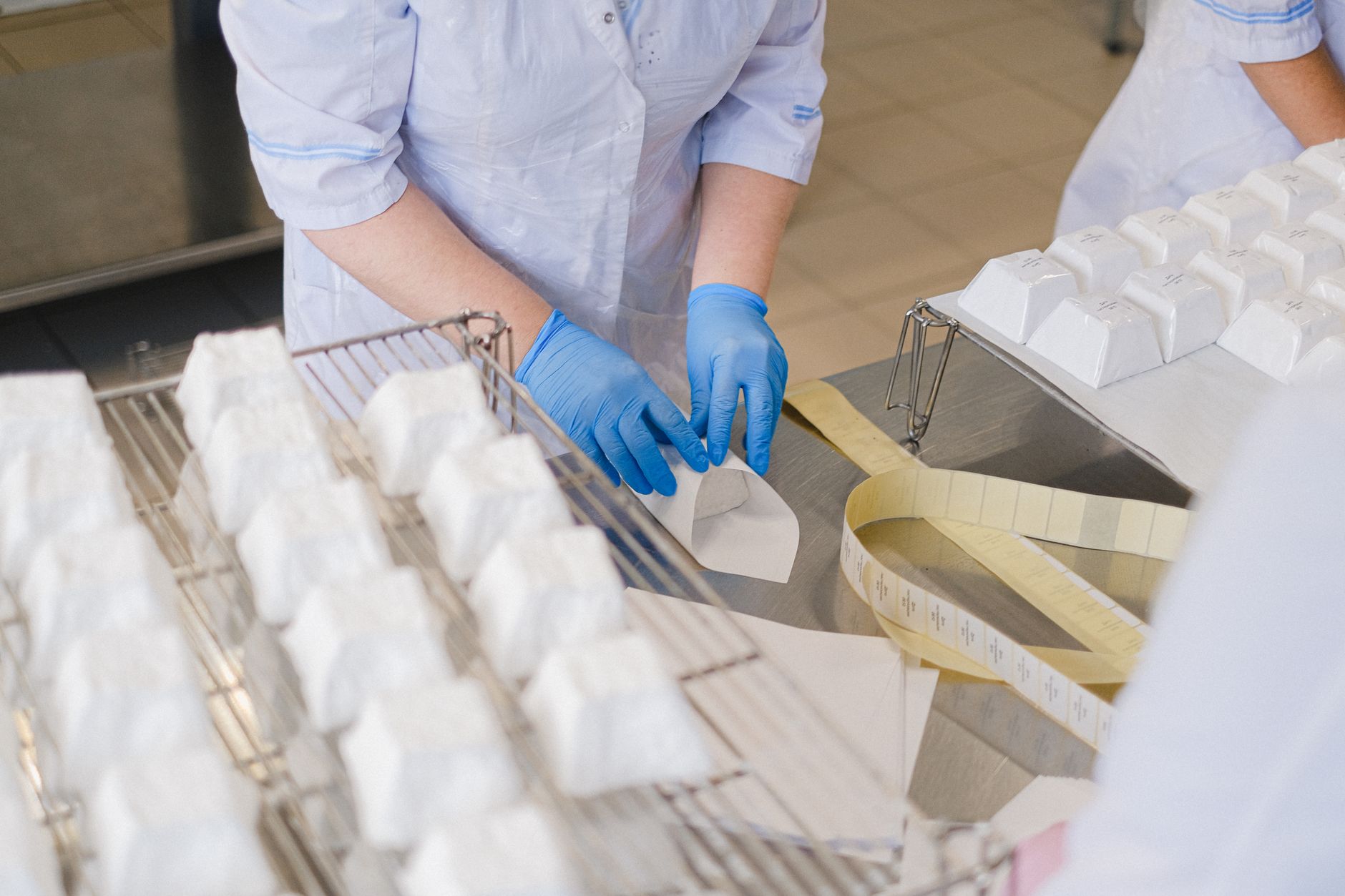
Plan for a robot plus fewer staff, never zero. The cell still needs an operator who loads the recipe, keeps the infeed and dispenser stocked, clears jams, pulls damaged product, and wraps and moves pallets. Fewer people cover the line, but the line still has people on it.
Training is the part teams underestimate. Operators need to read a stop, clear a fault safely, reset the cell and call for service without waiting on a technician. We include staff training in deployment, and the goal is that the people on each shift can run the cell on their own.
Our role as a robot integrator covers choosing the robot for the site, leasing it through financing, deploying and integrating it, training staff and servicing it nationwide. Settle the team model before the cell layout, because the number of people on each shift changes where the infeed and staging spots belong.
What can a palletizing cobot not do?
A cobot works within its payload and reach, so the heaviest case and the tallest pallet decide whether a model fits. Throughput also depends on the infeed. A starved or surging conveyor leaves the cell idle or backed up, no matter how well the arm performs.
It does not handle the unexpected well on its own. Dented, mixed or off-spec cases, labels that fail to read and pallets that arrive out of position all stop the cell. A person stays on the line to resolve these, so the real question is how often they occur on your line.
It does not remove the need for maintenance. The arm, gripper and sensors need planned service, and the cell needs a fast response when a fault stops production. Ask for the remote triage and on-site dispatch plan before you sign off, not after the first stop.
Planned changeovers and cleaning also stop the cell. Put those stops into the shift plan from the start so they are not mistaken for faults.
We did not verify throughput or uptime figures for palletizing cells in the sources for this page, so any performance number a vendor gives should be tested on your own line during the site assessment.
How do I start a cobot lease for a Boston palletizing line?
Start with a free site assessment. We map the line, measure the heaviest case and tallest pallet, check infeed rate and floor space, and identify the tasks that stay with people. The lease payment is a fixed amount quoted after that assessment, so there is no number to estimate from this page.
Bring your shift logs, your OSHA 300 entries for the line, your product dimensions and weights, and a sketch of the infeed. Those four items let the assessment answer most questions in one visit.
A practical first step is one leased unit on the stacking task that repeats most reliably. Run it for a defined period, record stops, exceptions and the time staff spend on them, and compare the results with your own labor and injury records before adding a second unit.
Once terms are agreed, we deploy and integrate the cell, train the staff who will run it and provide go-live support. Service runs nationwide, with on-site dispatch and remote triage for faults. Ask whether a backup unit option fits your line before you commit to one cell.
Frequently asked questions
Put a robot to work in Boston.
We walk your site, learn the job, and recommend the unit that fits. Then we quote the lease, deploy it, and keep it serviced.
Sources
- US Bureau of Labor Statistics, Occupational Employment and Wage Statistics (OEWS May 2024)
- BLS Occupational Employment and Wage Statistics, May 2024 featured data
- BLS Occupational Outlook Handbook, Hand Laborers and Material Movers
- BLS Survey of Occupational Injuries and Illnesses, 2023 to 2024
- BLS Census of Fatal Occupational Injuries, number and rate by occupation
- BLS Job Openings and Labor Turnover Survey, annual release
- International Federation of Robotics, President's Report
- Logistics Management, NIOSH study highlights ergonomics of bag palletizing
- Safety+Health magazine