

The short answer
For a cobot vs palletizing worker decision in Cincinnati, the cobot usually wins when the pallet pattern repeats, the station stays fixed and the same lift happens all shift. It does not fit when patterns change often, cases arrive irregular or damaged, or the station depends on a person making judgment calls. In most cases the realistic result is a robot plus fewer staff at the stack, not zero staff.
Key takeaways
- A cobot fits a fixed, repeated stacking pattern; people keep changeovers, exceptions and judgment calls.
- Palletizing injury data point to overexertion and sprains, so removing the repeated lift matters most.
- The BLS Cincinnati metro release lists about 23,020 workers in laborers and freight, stock, and material movers, hand.
- Annual departures for blue-collar staff run around 12.5 percent across industries, so unfilled shifts are a planning risk.
- Plan for a robot plus fewer staff, and get a lease quote only after a site assessment.
Cobot vs palletizing worker in Cincinnati: which fits?
Start with the pallet pattern. A cobot vs palletizing worker decision in Cincinnati depends on how much of the stack follows one pattern, because that sets how much of the job a robot can repeat without a person stepping in. When the same cases go onto the same pattern all shift, the cobot covers the work that loads the back most often.
Where patterns change frequently, or product arrives mixed, crushed or irregular, a person usually stays the better fit at the station. The robot can still do real work there, but the operator is needed for changeovers and exceptions, so the share of the shift it covers gets smaller.
Plan on one realistic outcome for most sites: a robot plus fewer staff at the stack, not a robot that replaces the whole crew. The sections below cover the tasks, the labor and injury data, the limits of the robot, and how to test the choice on your own line.
What does a palletizing worker actually do in a shift?
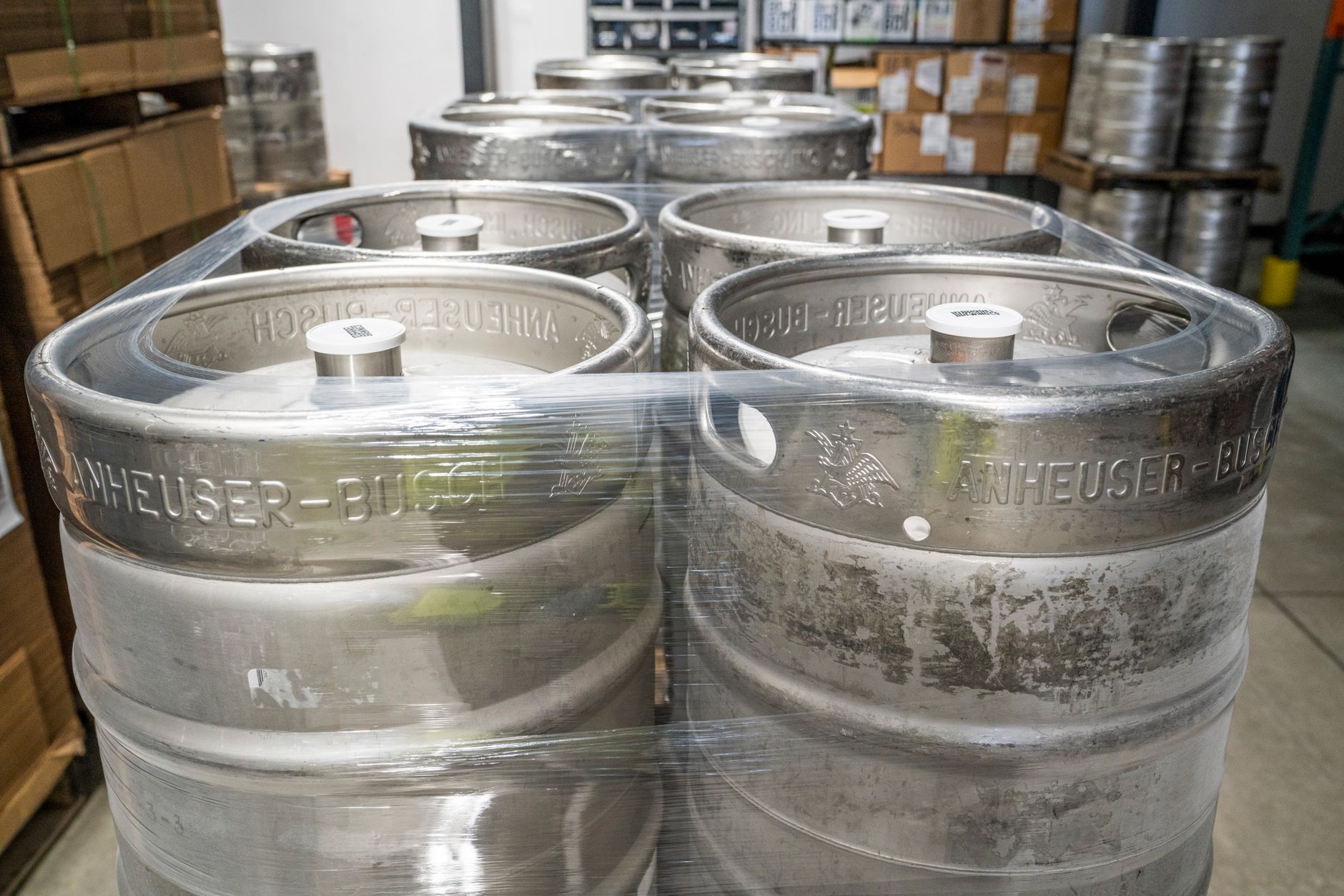
A palletizing worker in a manual cell takes cases from a conveyor or staging area, places them in layers on a pallet, and repeats that motion many times a shift. The same person usually feeds empty pallets to the station, checks the pattern and case orientation, moves full pallets toward wrap or outfeed, and clears jams or misfeeds when they happen.
The job is physically repetitive, and the injury record reflects that. A CDC NIOSH report on bag palletizing in mills and preparation plants, drawing on MSHA data from 2007 to 2011, recorded 217 injuries. Overexertion caused 70 percent of those cases, and the back was the most injured body part at 34 percent. Those are mining figures, so read them as the shape of the work, not as a warehouse rate.
A separate NIOSH mining publication found that sprains and strains made up 68 percent of these injuries. For a palletizing line, the lesson is that the repeated lift concentrates the risk, which is the part of the job a cobot takes over most directly. Pallet handling and changeovers carry their own strain, so a review of the whole flow is still worth doing.
Median hourly wage, Laborers and Freight, Stock, and Material Movers, Hand
$4,572
Monthly cost of one full-time worker in Cincinnati, OH, at the median wage plus payroll costs (an estimate, not a quote).
Which palletizing tasks can a cobot take, and which stay with people?
Cobots suit the repeated core of the job: picking from a fixed infeed and placing cases to a stored pattern at a set station. That is the lift that loads the back, and it is where a robot removes the most repetitive motion from a person's shift.
Pallet handling is more mixed. Some sites feed empty pallets by hand and remove full ones by forklift, so the cobot may only cover the stack itself. Pallet dispensing and full-pallet removal decide whether the station can run without a person for stretches or needs regular attention.
Changeovers and exceptions stay with people. Setting up a new pattern or case size, handling crushed or split cases, and deciding whether a load is safe to ship all need judgment. Those moments often set how much of the shift the robot really covers, so they belong in the plan from the first day.
- Pick cases from a fixed infeed at a steady rate
- Place layers and interlayer sheets to a stored pattern
- Hand a completed pallet to wrap or outfeed on schedule
- Stop and signal when a case is out of position
What do hours, turnover and injury data show for palletizing?
The local labor base is large. The BLS Cincinnati metro release lists about 23,020 workers in laborers and freight, stock, and material movers, hand. Stockers and order fillers are the largest detailed occupation in that transportation and material moving group, at about 28,120, and packers and packagers, hand, add 3,420 workers. A 2019 BLS release for the same metro counted 84,050 jobs in transportation and material moving, equal to 7.8 percent of local area employment.
Turnover is the labor problem that keeps coming back. A 2025 all-industry turnover survey, as reported on the GCCA resource page, put annual departures for blue-collar and paraprofessional staff at 12.5 percent, with an overall voluntary rate of 13.0 percent. That is not a warehouse-only figure, but it shows how often a palletizing shift can lose a person without warning.
Two labor measures are missing from the research behind this page: verified overtime and sick-day rates for palletizing, and night shift patterns for this job. Pull those from your own timekeeping before deciding. They change the labor math more than any published average, and they are the numbers a site assessment will ask for first.
How does the local wage data change the comparison?
The government wage data on this page is the OEWS May 2024 figure for laborers and freight, stock, and material movers, hand in the Cincinnati metro. Use it as the baseline for the people side of the comparison. It is not your full labor cost, which also includes overtime, benefits, training and the cost of a shift you cannot fill.
The comparison that matters is hours covered. A palletizing shift that goes unstaffed, or runs on overtime, loses output and adds fatigue whatever the base rate is. That is why the turnover and open-shift picture matters as much to the decision as the rate itself.
A cobot changes the question from how many people stand at the stack to how many people the cell needs when it runs well. In most cases the answer is one trained person who watches the station, covers changeovers and handles exceptions. That is fewer people than the manual cell, but it is not none.
- Repeated lifting at the stack
Cobot
Takes the repeated pick and place when the pattern is stable
Palletizing Worker
Handles any load, including oddly shaped or damaged ones
- Pattern changes
Cobot
Works best with a few stable patterns; new ones need setup work
Palletizing Worker
Adapts on the spot to new patterns and case sizes
- Night and weekend coverage
Cobot
Runs the cycle without breaks, but still needs a person for exceptions
Palletizing Worker
Needs breaks, shift coverage and time off
- Overtime and open shifts
Cobot
Does not take overtime or call out sick
Palletizing Worker
Covers the gap, usually at overtime rates and with fatigue risk
- Judgment calls
Cobot
Follows its program and stops when something is off
Palletizing Worker
Decides whether a load is sound and what to do next
- Setup and training
Cobot
Needs a site assessment, integration and staff training first
Palletizing Worker
Starts on the line without integration work
What can a cobot not do on a palletizing line?
The limits are real. A cobot does not handle every pallet, case or pattern. Crushed, very heavy, very light or badly shaped cases can fall outside what the gripper and program can manage, and some stations need a person to square a case by hand before the cobot can pick it.
It does not decide. It follows its program and stops or signals when something is off. A person still decides whether a damaged load ships, whether a pattern is stable enough to run, and when maintenance needs to come in.
It does not move the rest of the pallet flow. If empty pallets arrive by hand and full ones leave by forklift, those moves still need people or other equipment, and the gain stays limited to the stack. It also does not remove injury risk from the whole job, only from the repeated lift it takes over.
When does a cobot make sense, and when does it not?
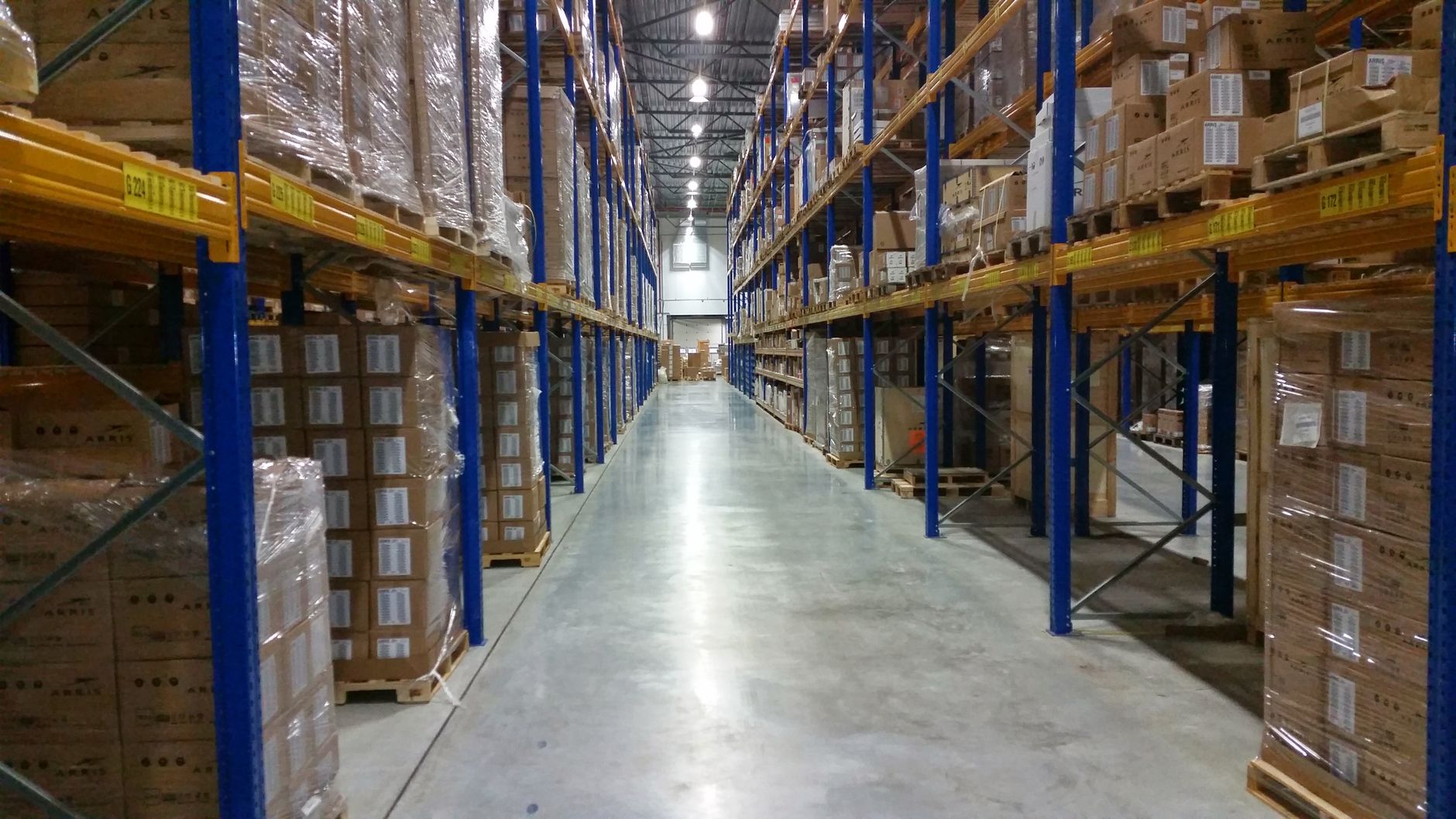
A cobot makes sense when the stacking pattern is stable, case flow arrives at a steady rate, the station is fixed, and the time spent at the stack is large enough that moving people into feeding and supervising frees real hours. It also makes sense when open shifts keep leaving the station short, since a planned cell gives the crew one reliable pattern no matter who is absent.
It does not make sense when patterns change on most shifts, product is irregular, the station needs constant hand work, or the line already runs well with a small crew. In those cases a better layout, lift aids such as vacuum lifts or pallet stackers, or a workflow change may return more than a robot does.
The honest way to sort your line into one group or the other is a site assessment and a time study. Use the checklist below as the inputs, and do not decide on the government wage data alone.
How do you get started with a leased cobot?
Start with a free site assessment. We map the cell, measure the stacking pattern and case range, and record where people spend their time. You get a lease quote after that assessment, and the fixed lease payment is set from that quote, so the figure reflects your site rather than a generic estimate.
The cobot is leased through financing, so the site does not need to fund the capital up front. We then deploy and integrate the cell, train the staff who will run it, and service it nationwide, with one contact for the whole installation.
A sensible first step is one leased unit on one shift, run for several weeks to see how changeovers and exceptions behave before you add stations. Keep the staffing plan honest: plan for a robot plus fewer staff, not zero.
Frequently asked questions
Put a robot to work in Cincinnati.
We walk your site, learn the job, and recommend the unit that fits. Then we quote the lease, deploy it, and keep it serviced.
Sources
- US Bureau of Labor Statistics, Occupational Employment and Wage Statistics (OEWS May 2024)
- BLS Cincinnati metro occupational employment release, 2025
- BLS Cincinnati metro occupational employment release, 2019
- CDC NIOSH bag palletizing injury report
- NIOSH mining publication on sprains and strains
- GCCA North American warehouse labor turnover survey report
- Engineering News coverage of International Federation of Robotics 2026 report
- Plastech coverage of International Federation of Robotics cobot data