
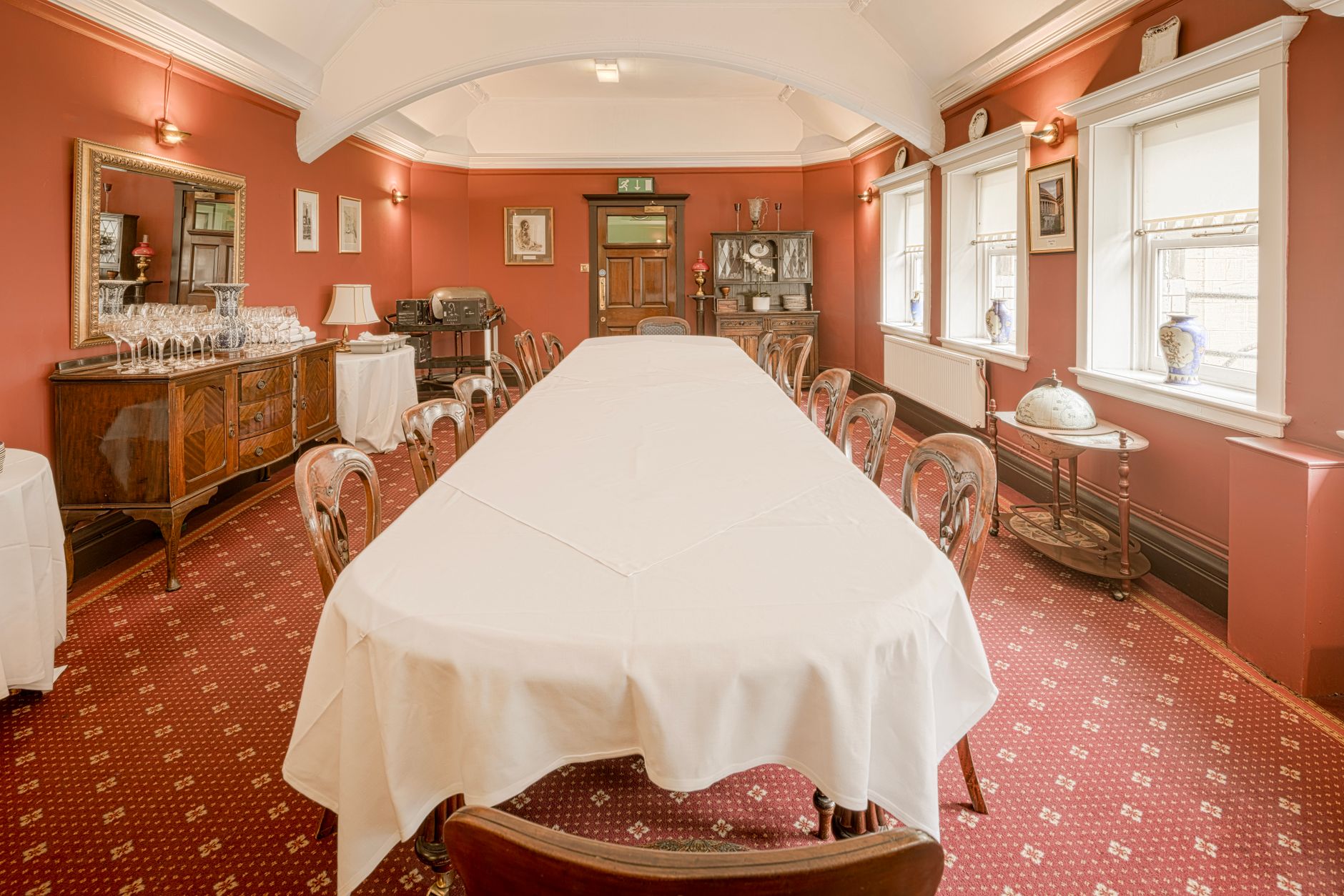
The short answer
A delivery robot vs food runner choice favors the robot in a country club dining room when the kitchen to dining room route is fixed and repeated, events run often enough to keep a unit busy, and runner shifts go unfilled. It is a poor fit for a small room, a layout that changes from event to event, or any plan that cuts guest-facing staff to zero. Start with a free site assessment, since the lease quote depends on the route your building actually has.
Key takeaways
- A delivery robot makes sense for repeat, mapped routes during busy events, not for occasional one-off trips.
- A food runner does more than carry. The robot takes the carry, and people keep the guest contact.
- Keep the team in place: a robot plus fewer staff, never zero staff.
- National data does not isolate country club dining rooms, so use your own overtime and event records.
- The lease quote follows a free site assessment that measures your actual route.
Delivery robot vs food runner at a country club dining room: which makes sense?
A delivery robot makes sense in a country club dining room when the kitchen to dining room route is fixed and repeated, when events run often enough to keep a unit busy, and when runner shifts go unfilled. Clubs that host frequent weddings, galas and member dinners have the most repeat trips to automate. It is a poor fit for a small room that serves a few tables, for a layout that changes from event to event, or for any plan that cuts guest-facing staff to zero.
In practice, delivery robot vs food runner is rarely a single choice. The robot takes the repeat trip, and people keep the parts of service that need judgment, such as the host, the server who knows the members, and the person who fixes a wrong order.
The decision starts with the building. A free site assessment measures the route and the event calendar, and that determines whether a leased robot fits before any lease terms are quoted.
What does a food runner actually do in a shift at a country club dining room?
A food runner works a loop. They pick up plated food and drinks at the pass, carry them to the right table or private room, and return with empty trays and requests. A runner on a busy event may make the same trip many times in one service, and each trip has a pickup, a walk, a drop and a return. The runner also clears, resets and answers questions from the kitchen.
Much of the runner's time goes to walking and waiting at the pass rather than talking with guests. The value of the role is speed and accuracy on the same path, and that is the part of the job that is easiest to measure and easiest to structure.
When the role goes unfilled, the people still on the floor carry longer routes and trays wait at the pass. A delivery robot is aimed at that gap, the trip that goes undone when nobody is free to make it.
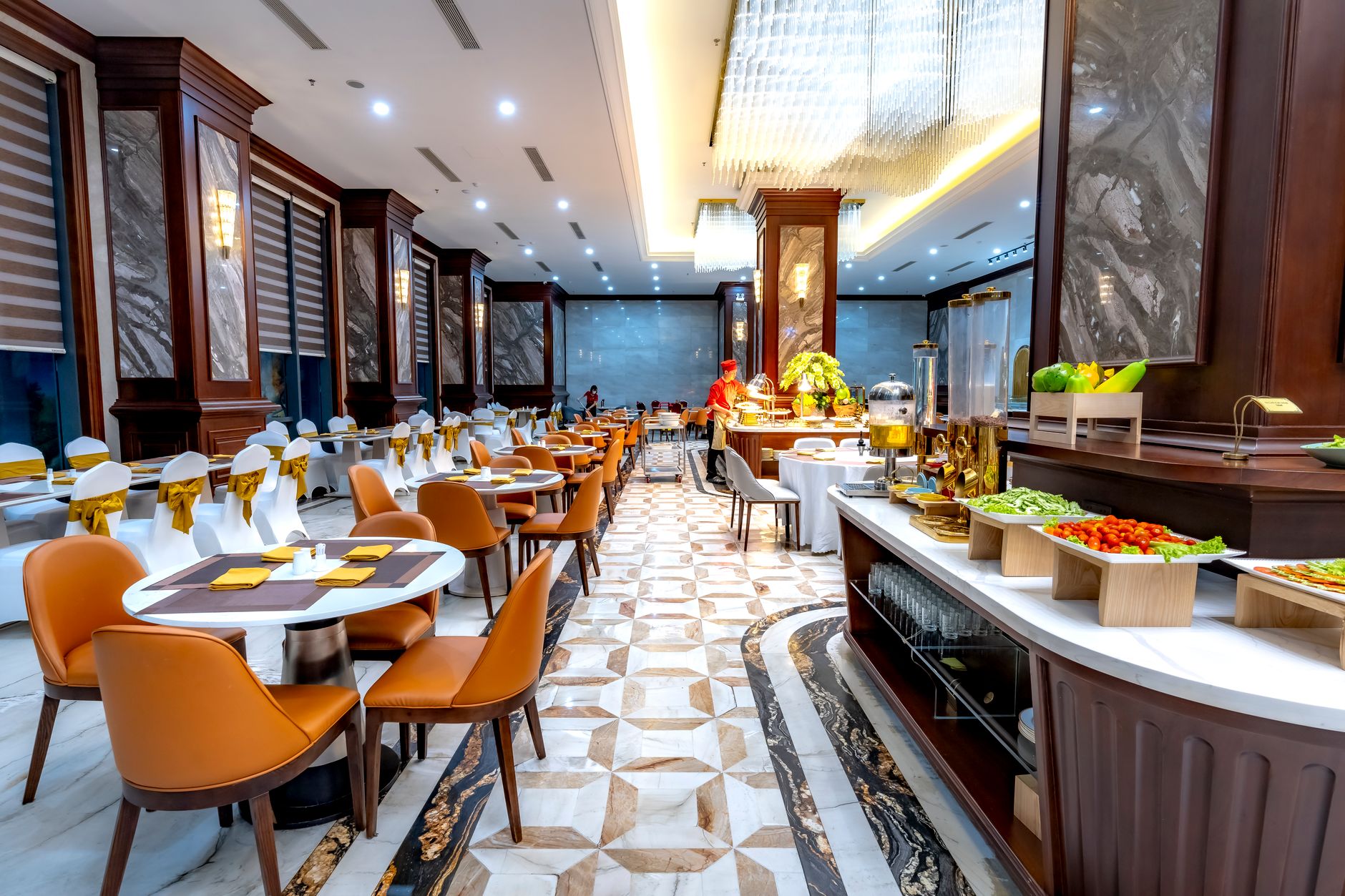
Median hourly wage, Waiters and Waitresses
$3,798
Monthly cost of one full-time worker, at the median wage plus payroll costs (an estimate, not a quote).
Which parts of the runner's work can a robot take?
A delivery robot can take the carry on a mapped route: pick up at the pass, travel the kitchen to dining room path, deliver to a stop and return. It moves plated food and drinks in a tray, and it makes the same trip at the same pace late in a long event.
It cannot read a room. It cannot clear a table, take a verbal change, answer a question about a dish, handle a spill, or decide that a guest should be moved. Those tasks stay with people, and they are most of what guests remember about the meal.
Route design matters as much as the robot. Doors, ramps, service elevators and shared corridors with carts change the job, and a route that works on a quiet lunch can fail during a wedding when the room is set differently.
- Route flexibility
Delivery Robot
Follows a mapped route; a changed layout needs re-mapping
Food Runner
Adjusts on the spot around a cart, a closed door or a crowd
- Guest contact
Delivery Robot
Can announce a delivery; cannot read a table
Food Runner
Answers questions, handles allergies and recovers a bad order
- Repeat carries
Delivery Robot
Same trip, same pace, all event long
Food Runner
Tires and slows late in a long event
- Late shifts
Delivery Robot
Runs when staff is short, once the route is set
Food Runner
Available only if someone shows up
- Heavy or awkward loads
Delivery Robot
Limited to what the tray and body carry
Food Runner
Can lift, reposition and carry large banquet items
- Staffing risk
Delivery Robot
Does not call out sick, but needs service when it faults
Food Runner
Subject to sick days, call-outs and turnover
How dangerous is walking the floor during service?
Falls are the leading injury event for servers. According to the Bureau of Labor Statistics study of food and beverage servers from 2003 to 2008, falls on the same level were the leading event for servers, accounting for over 26 percent of their injuries and illnesses in 2008, versus under 15 percent for all private industry that year.
The Bureau of Labor Statistics fact sheet for full-service restaurants in 2018 estimated 91,800 nonfatal occupational injuries and illnesses. Falls, slips and trips caused an estimated 7,850 of them, and 5,170 were falls on the same level.
For a robot decision, that matters in two ways. Moving carts and trays through a dining room on foot is a real injury path, and a mapped route can remove some of the wandering that causes trips. A robot adds its own floor hazard, though, such as a stopped unit in a walkway, so the route and the stop points need the same care as the rest of the room.
What does turnover look like for servers and runners?
The Bureau of Labor Statistics counts about 2,329,700 waiters and waitresses jobs in 2024 and projects a 1 percent decline from 2024 to 2034. It also projects about 456,700 openings a year on average, and most of them come from replacing workers who leave. The job family is large and keeps turning over, so the openings are the hiring problem, not the headcount.
Turnover figures vary a lot by source. A restaurant turnover compilation from a workforce software vendor puts the industry average near 75 percent in 2025 and lists full-service turnover between 92 and 101 percent. A second compilation from the same kind of source gives front-of-house turnover of 41 percent, back-of-house 43 percent and management 28 percent. Both are vendor compilations, not Bureau of Labor Statistics data, and they count all separations, so they are not a clean quit rate.
The all-industry quit picture is calmer. Quits were 3.3 million, a rate of 2.1 percent, in May 2025, and 2.0 percent in November 2025, according to the Bureau of Labor Statistics job openings survey. The sector-level quit rate was not in the material I could check, so treat these as backdrop only.
The sources here do not give overtime, night shift or sick-day figures for country club dining rooms. Those numbers are the ones that decide the case, so pull them from your own timekeeping and event calendar before you ask for a quote.
How does a team work with a delivery robot?
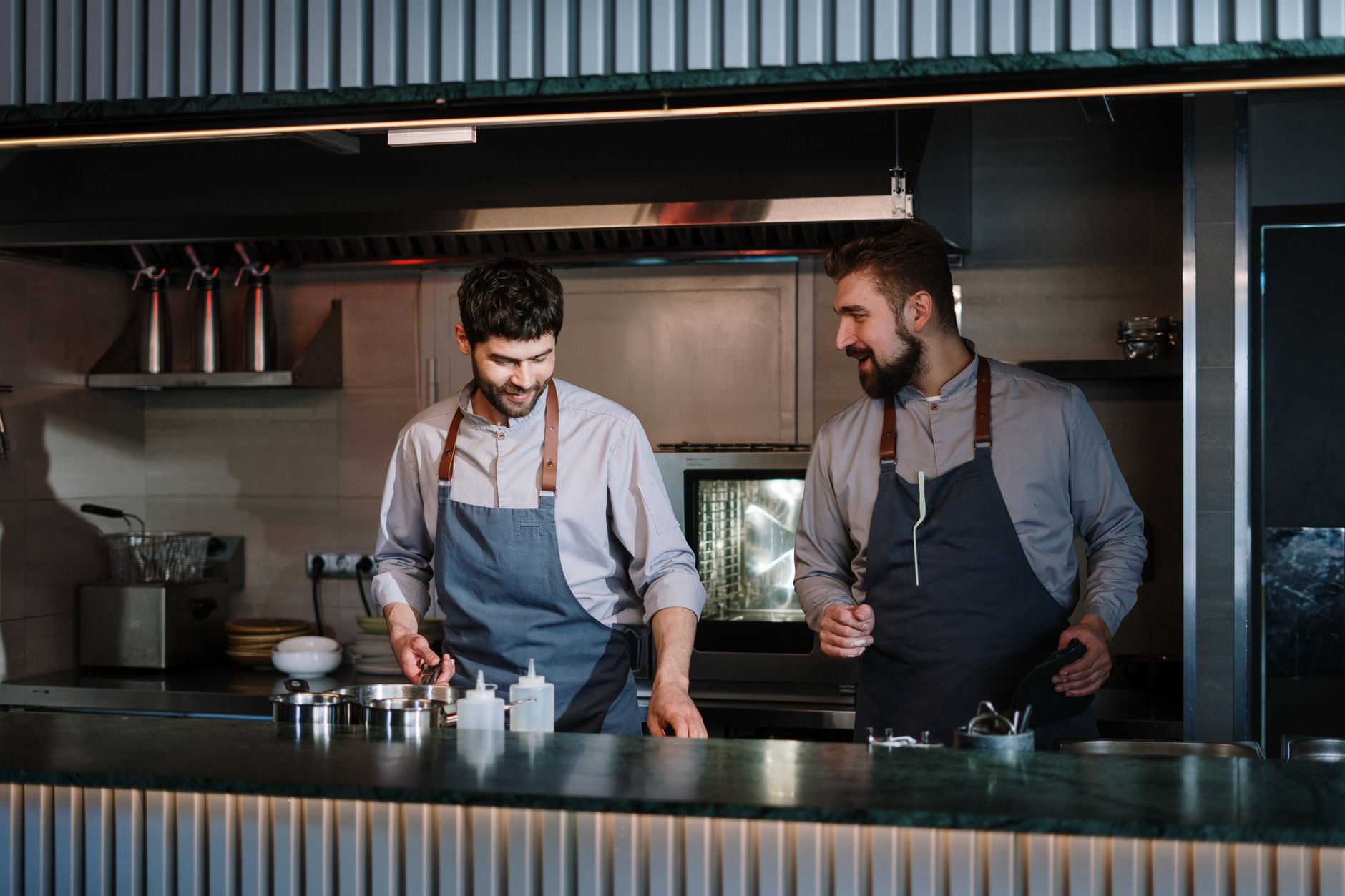
The team never drops to zero. A robot takes the repeat carries, and the people who remain run the pass, the tables and the exceptions. Keep the guest-facing count the same on a first rollout, and reduce runner positions only after several events show the route is holding.
Start with one leased unit on one route, such as the main kitchen to the main dining room. Ask the kitchen to commit to a pass cadence so the robot is not waiting on plating. Run it through events with the staff who will use it, and track missed trips, delays and time spent waiting at the pass before adding a second route or unit.
Plan for a stopped unit. A robot that stops in a walkway needs a person to move it, so the team needs a clear way to call service and a staff route for busy nights. Backup coverage and on-site dispatch belong in the agreement before go live.
What can a delivery robot not do, and how do members react?
A robot is a poor fit for stairs, steps, loose thresholds, rough outdoor paths and any route that needs a person to hold a door open all night. If your events use patios or tents, those areas need their own check, since surfaces and lighting change. Plan the robot for the indoor route first.
Guest reaction is a real factor. Nearly 30 percent of restaurant customers would be skeptical if they saw robots delivering food to tables, according to a restaurant trade publication survey that predates 2025. Members at a club often expect personal service, so introduce the robot as a runner for the trip, not a replacement for the host.
A robot also cannot carry a service recovery. When a dish is wrong or a guest is upset, a person has to own the fix, and that person should be on the floor, not walking the route.
How does the lease cost compare with runner labor?
A lease quote for a delivery robot is set after a free site assessment, since the route length, the number of units, the event schedule and the service plan all change the number. Robots are leased through financing, so the club can plan a fixed lease payment in its event budget instead of making a large upfront outlay.
The useful comparison is hours covered, not robot against wage. Use the government wage data on this page for the local wage for this job, then count the runner hours your events actually need, the overtime those hours create and the events you cannot staff at all. A robot pays back fastest on the events that go short, not on quiet nights.
Ask what the quote includes. Service visits, on-site dispatch, remote triage and a plan for spare units all affect how often an event runs short, and a quote that leaves out repair response leaves the club carrying the risk.
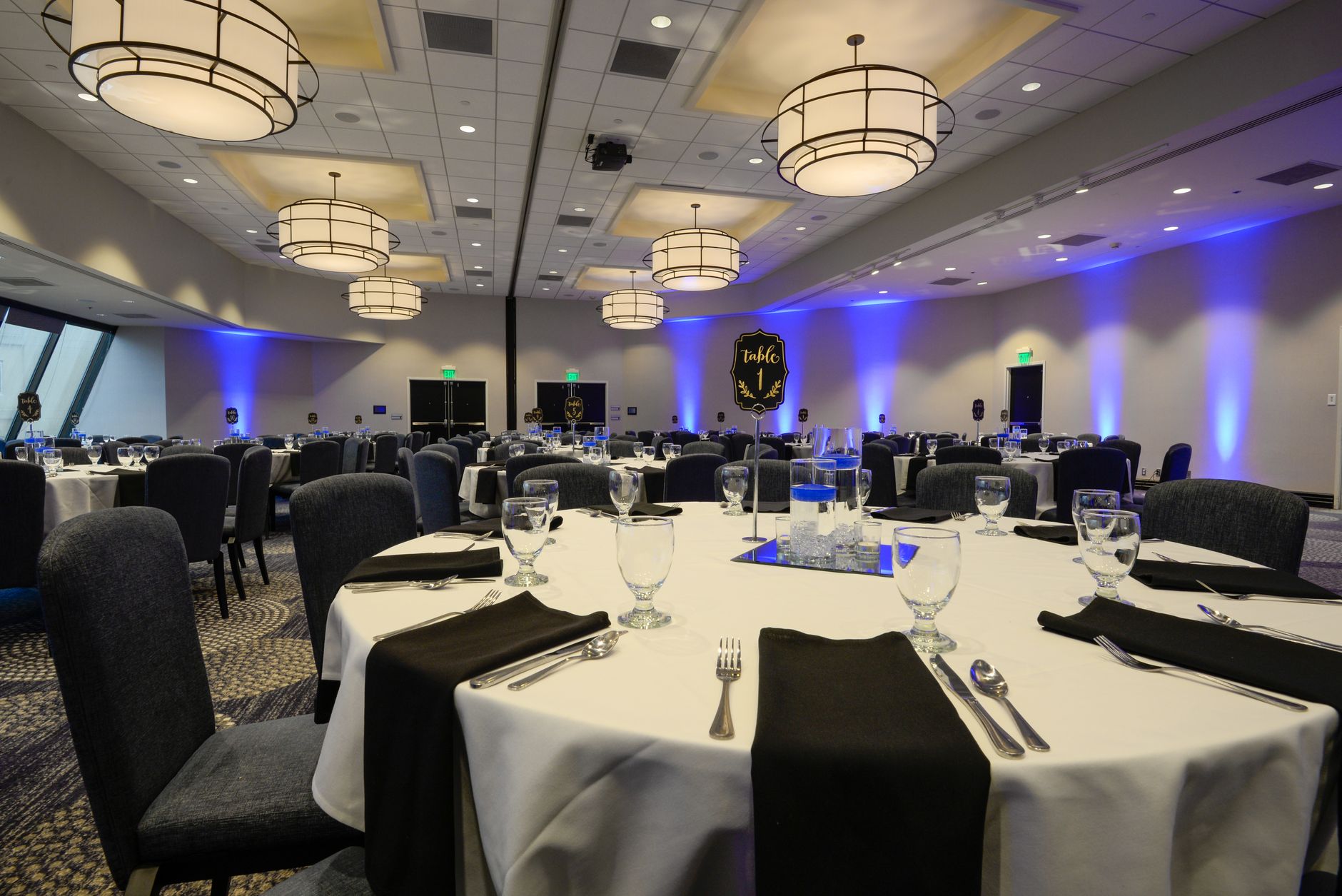
How do you get started with a delivery robot lease?
Start with a free site assessment. We measure the route, check doors, thresholds and elevators, and map the kitchen to dining room path. From that we recommend the right robot for the site, and the lease quote follows.
Once the route is set, we lease the robot through financing, deploy and integrate it, and train the staff who will work with it. Training covers loading the tray, sending a route, clearing a stop and calling service, which is a short session for most teams. Go live support covers the first events, and ongoing service is available nationwide.
Pilot one route for a set of events, review the logs and staff notes with the club, then decide whether to add a second route. That order keeps the spend tied to events that actually go short.
Frequently asked questions
Want a delivery robot at your country club dining room?
Tell us about your site. We will recommend the robot, quote the lease, and keep it serviced.
Sources
- US Bureau of Labor Statistics, Occupational Employment and Wage Statistics (OEWS May 2024)
- Bureau of Labor Statistics, Occupational Outlook Handbook: waiters and waitresses
- Bureau of Labor Statistics, Job Openings and Labor Turnover Survey, May 2025 release
- Bureau of Labor Statistics, food and beverage server injuries 2003 to 2008
- Bureau of Labor Statistics, full-service restaurants injury fact sheet 2018
- Restaurant and quick-service turnover rate compilation, 2025 (vendor)
- Restaurant employee turnover compilation (vendor)
- Industry research estimate, golf courses and country clubs (not a government count)
- Restaurant trade publication report on diner attitudes to robot delivery (pre-2025 survey)