
The short answer
A delivery robot makes sense at a convention center when peak nights leave the banquet team short, the routes from kitchen to stations are long and mostly flat, and the venue can keep staff for guest-facing work. It does not make sense as a full replacement, because a runner also clears, resets, handles spills, serves guests and covers gaps that a robot cannot. For most venues the delivery robot vs banquet food runner choice is really about which tasks move to the robot, with people still on the floor.
Key takeaways
- A delivery robot carries trays on a mapped route, while a runner also serves, clears and solves problems on the floor.
- Plan for a robot plus fewer staff, never zero staff.
- Route length and floor layout decide whether the robot earns its place.
- Measure your own overtime and call out records, because sector data does not describe your hall.
- A site assessment comes before any lease quote.
Delivery Robot vs Banquet Food Runner: When Does a Robot Make Sense?
A delivery robot fits best as a partner to a banquet team on peak nights, not as a swap for every runner. It does one job well: it moves trays and plates between the kitchen and service stations along a route it has mapped. A runner does that job and everything around it, so the decision depends on how much of the shift is pure carrying.
It makes sense when the kitchen is far from the stations, when the route is mostly flat and clear, and when the house can keep people for the work a robot cannot do. It makes less sense when service is spread across many small rooms with tight doors or steps, when the event is mostly standing reception with little plated service, or when the team cannot staff the floor at all.
Adoption context is useful but broad. Restaurant Technology News reported in February 2025 that 34% of operators had adopted AI technology and 48% planned to in 2025. That measure covers AI in general and does not isolate delivery robots, so it tells you about interest, not about fit for your hall.
What does a banquet food runner actually do during a shift?
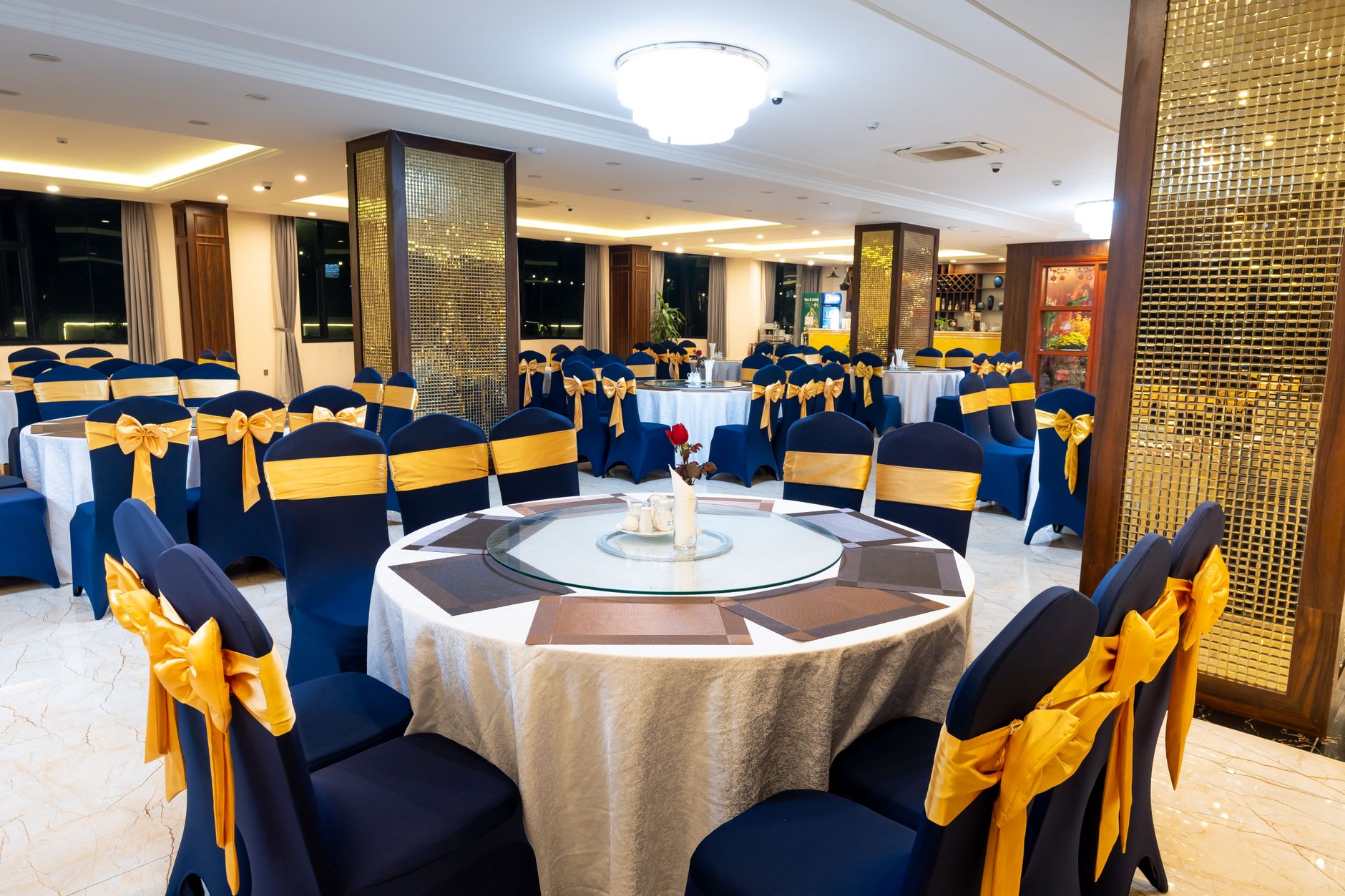
A banquet food runner works the space between the kitchen pass and the guest tables. On a plated dinner the runner collects trays from the pass, carries them to service stations or assigned tables, returns empty trays and soiled ware, and restocks the station with bread, beverages and garnish as the event moves. Most of the shift is walking with something in both hands.
The work comes in waves. Trips bunch up in the minutes before and after each course, then thin out during speeches or entertainment. A short roster shows most clearly at those waves, because one missing runner means trays wait at the pass or plates sit on tables longer than the planner wants.
Carrying is also a physical job with a known injury profile. The Bureau of Labor Statistics industry profile for food services and drinking places, NAICS 722, shows 2.4 total recordable cases, 1.0 for days away, job restriction or transfer, and 0.7 for days-away cases, though the excerpt we reviewed does not show the year. Total private industry recordable case incidence fell to 2.3 per 100 full-time equivalent workers in 2024, according to Business Insurance reporting on BLS data.
Median hourly wage, Waiters and Waitresses
$3,798
Monthly cost of one full-time worker, at the median wage plus payroll costs (an estimate, not a quote).
Which parts of the runner's work can a robot take, and which can't it?
A delivery robot can take the repetitive carrying: loaded trays from the kitchen pass to a station, and empties from the station back to the dish area. Those trips are predictable and can be mapped in advance. A robot also keeps a steady pace over a long route through a corridor with a stable floor and clear doors.
It cannot take work that needs judgment or two free hands. It does not set a plate in front of a guest, clear a spill, check an allergy card, or catch a dropped glass. It cannot find a new way through a corridor that a crowd has filled. These tasks stay with people, which is why the robot works as part of the team and not in its place.
- Peak course carrying
Delivery Robot
Repeats the same mapped trip on a set route
Banquet Food Runner
Adjusts the trip when a corridor is blocked or a tray needs two hands
- Guest contact
Delivery Robot
No guest interaction beyond a stop or an alert
Banquet Food Runner
Greets tables, answers questions, checks allergies and substitutions
- Spills and breakage
Delivery Robot
Cannot clean a spill or catch a dropped glass
Banquet Food Runner
Clears, resets and reports the problem
- Late night coverage
Delivery Robot
Runs when charged and loaded, and a lead must start it
Banquet Food Runner
Can work late, but the roster depends on hiring and call outs
- Hot or fragile loads
Delivery Robot
Limited to loads and trays it is rated for
Banquet Food Runner
Handles hot, full or fragile loads with judgment
- Recovery when interrupted
Delivery Robot
Stops and waits for a reset when blocked
Banquet Food Runner
Re-routes around a crowd or a closed door
- Staffing gaps
Delivery Robot
Keeps the carrying trips moving when a runner is missing
Banquet Food Runner
Covers the gap only if someone is hired and on the floor
How many hours does the work take, and what does the labor picture look like?
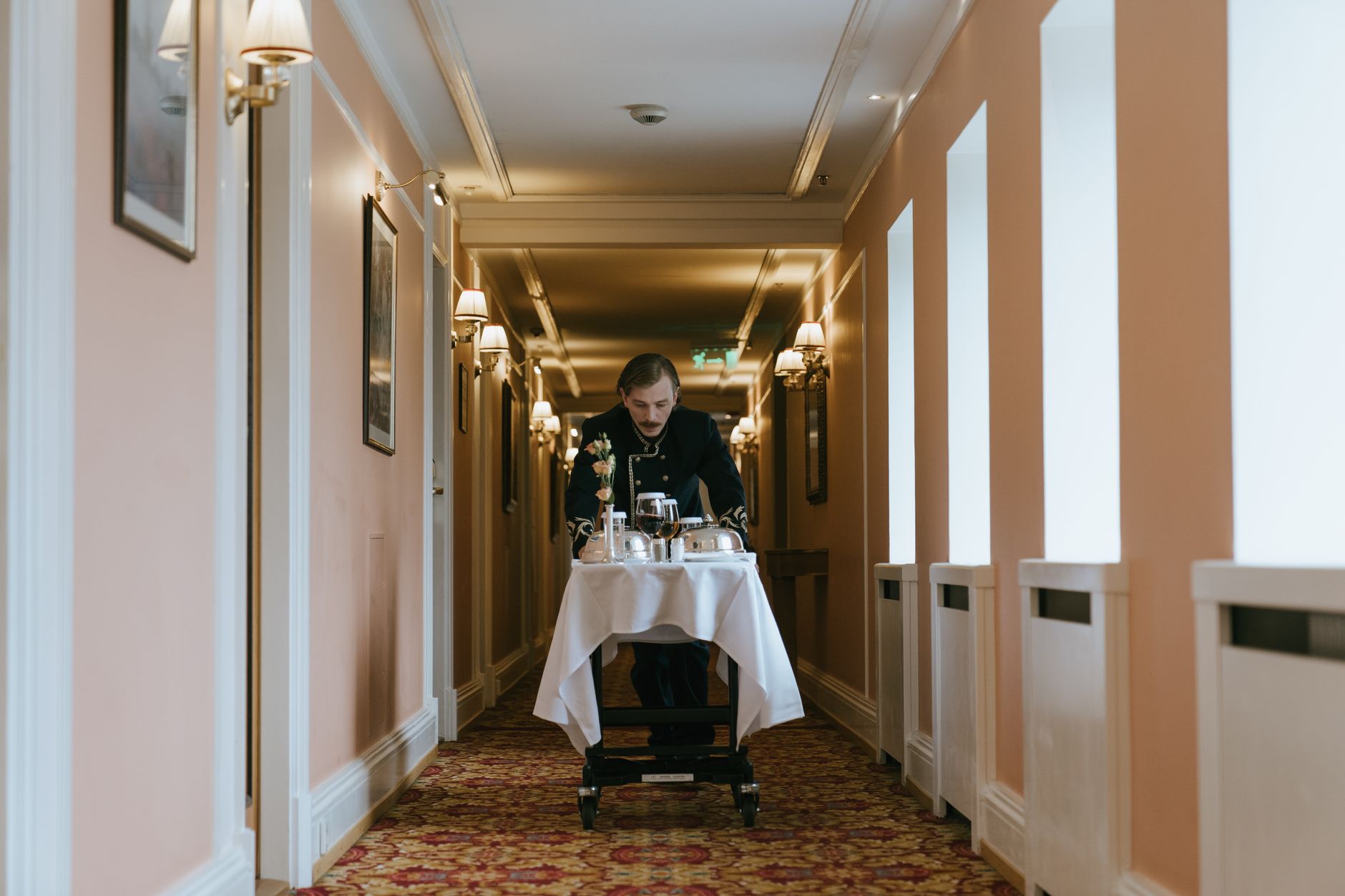
The government wage data on this page gives the local wage for this job, but hours and turnover matter more to this decision than the rate. The Bureau of Labor Statistics projects that waiters and waitresses held 2,329,700 jobs in 2024, with a projected change of -16,300 (-1%) from 2024 to 2034. Food services and drinking places employ 85% of these workers, according to the BLS Occupational Outlook Handbook.
The same handbook projects about 456,700 openings a year on average, because of turnover and replacement needs. For a convention center that means a short roster is a normal condition, not a rare event. The BLS JOLTS release for November 2025 shows total quits of 3.2 million, or 2.0 percent, and a rise of 208,000 in accommodation and food services quits that month.
Trade press from September 2025 reported that planners see a staffing shortage tied to immigration enforcement, according to The Meeting Magazines. One planner advised capping overtime and agency markups.
We could not verify sector overtime hours, night shift shares, or sick day counts for banquet runners in this review. Vendor turnover figures exist, but their definitions are not clear enough to cite. Pull your own overtime and call out records for the last two peak seasons before you decide.
How does a team work with a delivery robot?
The right setup is always a robot plus fewer people, never zero people. The robot takes the tray trips, and the team keeps the staff who handle table service, plate clearance, spills, guest questions and the station reset. A small team can cover a route that previously needed more runners, as long as the robot is loaded and emptied at a fixed dish point.
Set the rules before doors open. Decide who loads the robot, who keeps the drop zone clear, and who takes over when it stops. Name one lead per shift who checks the route, the charge and the dish point before the first course. Brief the banquet captain so guests do not stand in the path.
Staffing gaps are real. A staffing platform case study reports that one large convention center sometimes needs 30 to 40 servers for 800-person dinners. A robot does not close that gap by itself, but it takes the carrying load off the people you can actually hire on the night.
What can a delivery robot not do at a convention center?
Be direct about the limits. A delivery robot works on a route it has mapped. Doors that swing into the path, rolling carts, crowds in the corridor, and loose cables can all stop it. Thresholds, steps and uneven carpet need a planned route or a different unit, and freight areas that are hard to map cleanly often rule out a route altogether.
It cannot serve a guest, clear a mess, or step in for a missing person at a station. It cannot judge a hot or overloaded tray the way a person can, so loads must stay within the rating set for the unit. When it stops, a person must reset it, and that can cost minutes in the middle of a course.
Robots also depend on charging points and the venue network. A dead battery in the middle of a hall is a service issue, and it is the reason a backup plan matters on peak dates.
- Doors that swing into the route
- Rolling carts, cables and crowds in the corridor
- Thresholds, steps and uneven carpet
- Freight areas that are hard to map
- A low charge at the far end of the hall
How big is the ground a runner covers at a convention center?
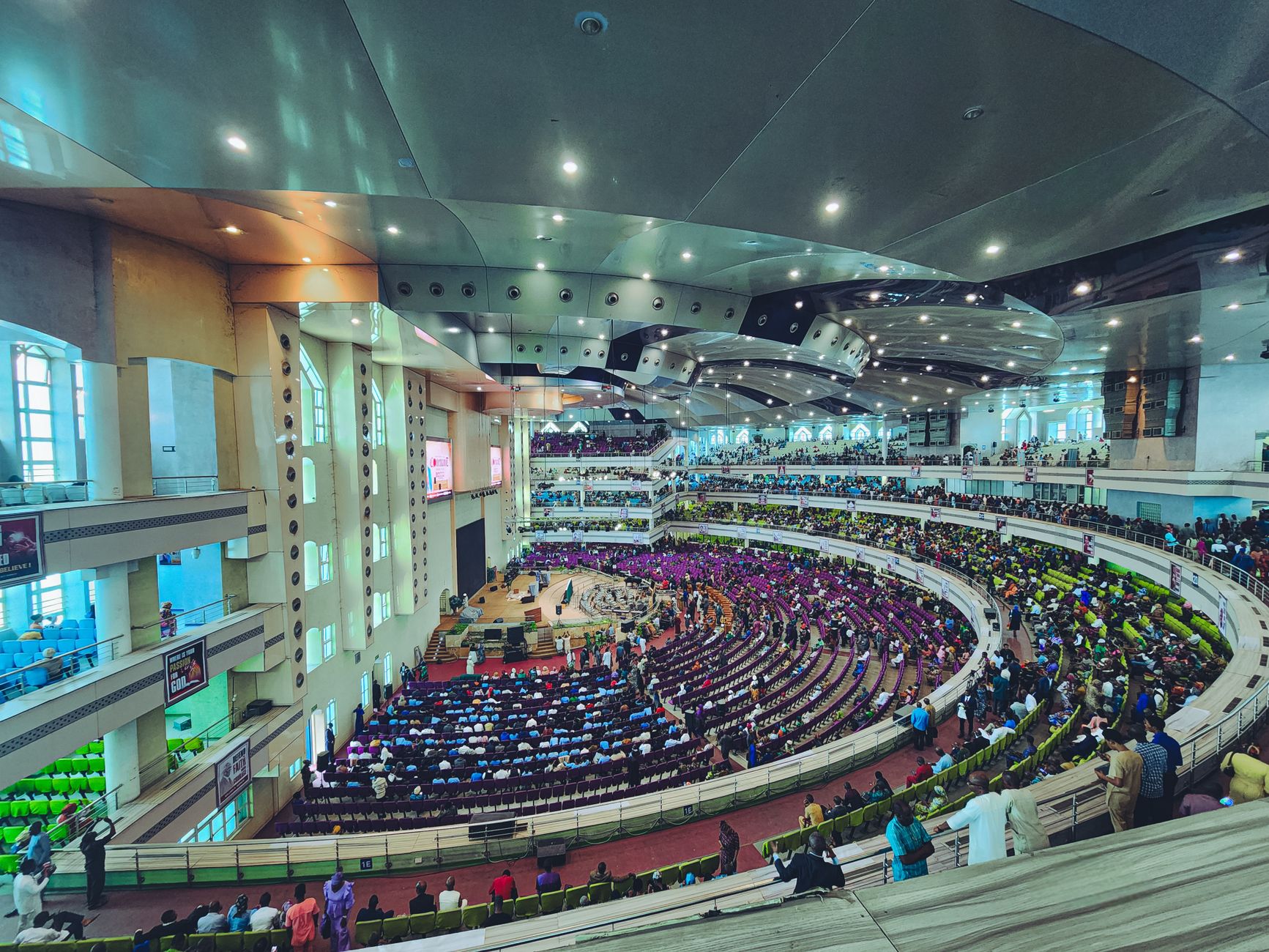
Convention centers are large, and distance is most of the work. According to Trade Show Executive, mid-sized US convention centers average 196,701 square feet of space, and nearly one-third of convention centers in the US, Canada and Mexico are Tier III venues. A runner on a banquet route in a hall that size covers a lot of floor on every course.
Large venues add more friction: multiple halls, loading docks, freight elevators, and a kitchen at one end of the building. The longer the route from the pass to the far station, the more a runner walks back and forth, and the more a steady carrying route can take off the team. Measure the route length first, before any other number.
What does it cost to lease a delivery robot, and is it worth it?
We lease delivery robots through financing. The fixed lease payment is quoted after a free site assessment, because the route, the floor, the peak schedule and the number of units set the cost of the plan. The quote covers setup, staff training and service, so the comparison should include all of them.
The fair comparison is not robot against wage. It is the staffing you cannot fill on peak nights, plus overtime, plus the service failures that come from a short roster, set against the lease, setup and support. The government wage data on this page gives the local wage for this job, and the hours you measure give the rest of the picture.
Payback depends on how many peak nights you run, how many runners you can actually hire, and how often the robot is busy enough to justify its route. A single route used a few nights a year pays back differently than a route that runs most weeks. Ask for the quote with your full event calendar attached.
How do we get started with a delivery robot at a convention center?
Start with a site assessment. We walk the kitchen, stations, freight routes and dish point, then map the route and check floors, doors and power. You get a written plan that names the number of units, the staff roles and the events it covers, along with the lease quote.
Run a pilot on one route and one event type before committing to the whole building. A single unit on a dinner route shows how your team handles loading, clearing and stoppages before peak season. We integrate the unit with your event schedule, train your staff and provide go live support on the first events.
Service is part of the arrangement. We provide nationwide service, remote triage and on site dispatch, along with a backup unit plan for peak dates. Compare the delivery robot vs banquet food runner choice on your own route, your own calendar and your own overtime records, and let the site assessment settle the rest.
Frequently asked questions
Want a delivery robot at your convention center?
Tell us about your site. We will recommend the robot, quote the lease, and keep it serviced.
Sources
- US Bureau of Labor Statistics, Occupational Employment and Wage Statistics (OEWS May 2024)
- BLS Occupational Outlook Handbook, waiters and waitresses
- BLS JOLTS news release, November 2025 data
- BLS industry profile NAICS 722, food services and drinking places
- Business Insurance reporting on BLS injury data
- Restaurant Technology News, February 2025
- Trade Show Executive, mid-sized convention centers
- The Meeting Magazines, September 2025
- Staffing platform case study on a convention center