
The short answer
A delivery robot vs food runner choice at a water park favors the robot only for a fixed, repeatable food run, such as kitchen to a shaded pavilion along one path, on peak days when seasonal staff are thin. It does not suit guest-facing service, allergy checks, order fixes, or crowded wet decks, where a person adjusts in seconds. For most parks the right answer is a robot plus fewer staff on the busiest days, never zero staff.
Key takeaways
- A robot fits the fixed kitchen-to-pavilion trip on peak days, not the guest service around it.
- Water park seasonal hiring can reach thousands of workers, so staffing gaps are a real planning risk.
- No published hours figure for water park food runs was found, so measure your own route before deciding.
- Plan for a robot plus fewer staff, with named people on the pickup point and on guest service.
- Start with one unit on one busy route, and check how pauses are handled before committing to more.
Is a delivery robot vs food runner the right call at a water park?
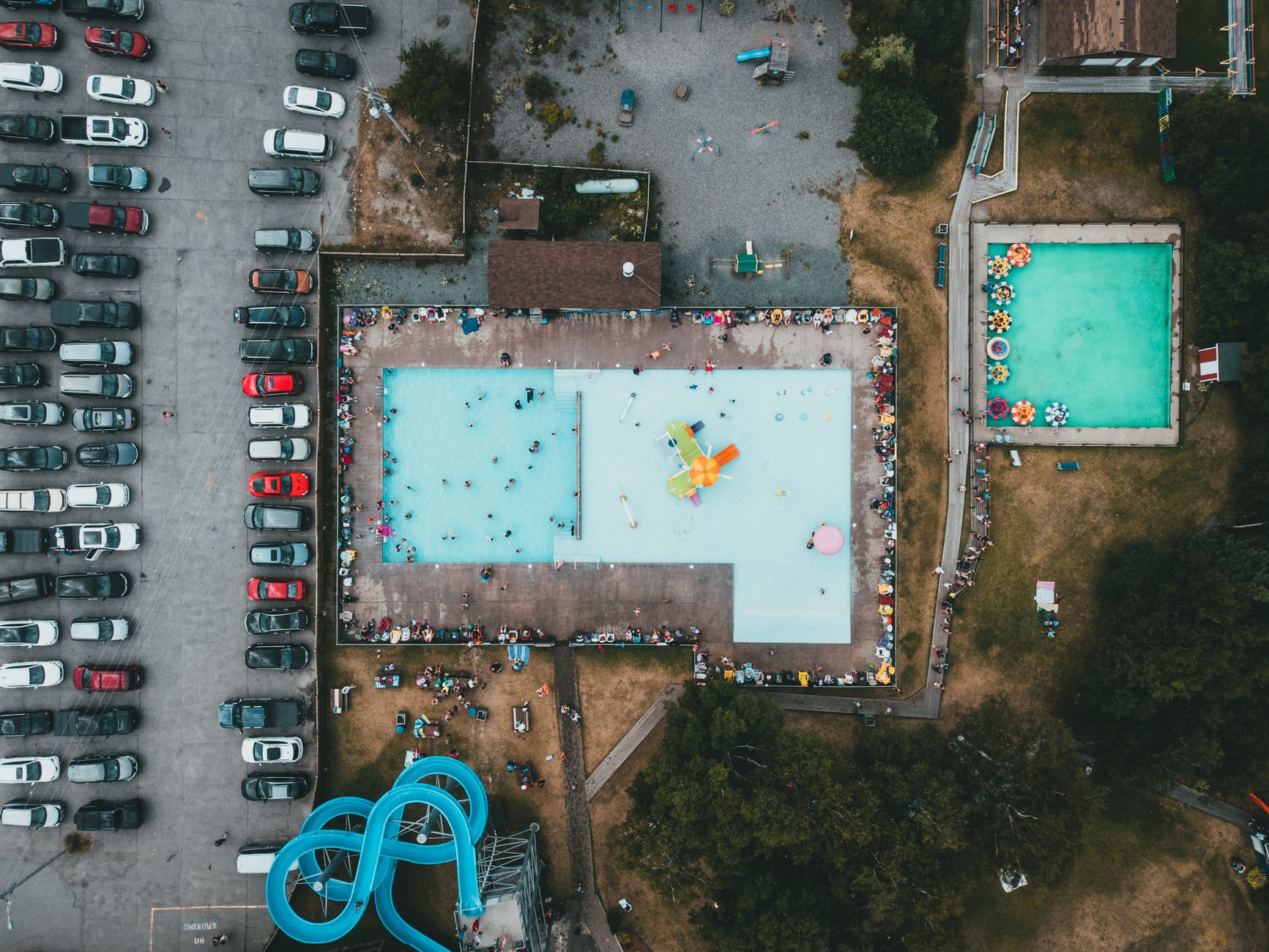
The short answer is that a delivery robot earns its place on the food run and not on the guest. Water parks are large, seasonal and sharply peaked, so the trip from kitchen to a snack stand or shaded pavilion is long and frequent on busy days and sparse on slow ones. A robot handles that repeatable path well, and it does not get tired on the fifth trip.
It makes less sense where the work is the conversation. A runner who spots a spilled drink, a child who has wandered off, a wrong order or a guest who needs a table moved is doing guest service, and that is outside what a robot does. A robot also struggles where the route is crowded, wet and changing hour to hour, which describes many pool decks and slide exits.
Scale helps frame the decision. According to Hospitality News, there were 1,199 waterparks across the U.S. and Canada combined as of February 2023, and 828 of them were outdoor. That is a combined count from an industry article, not a government census, and it does not separate out parks with food service. It still shows the segment is large enough that the same food-run problem repeats across many sites.
What does a food runner actually do during a water park day?
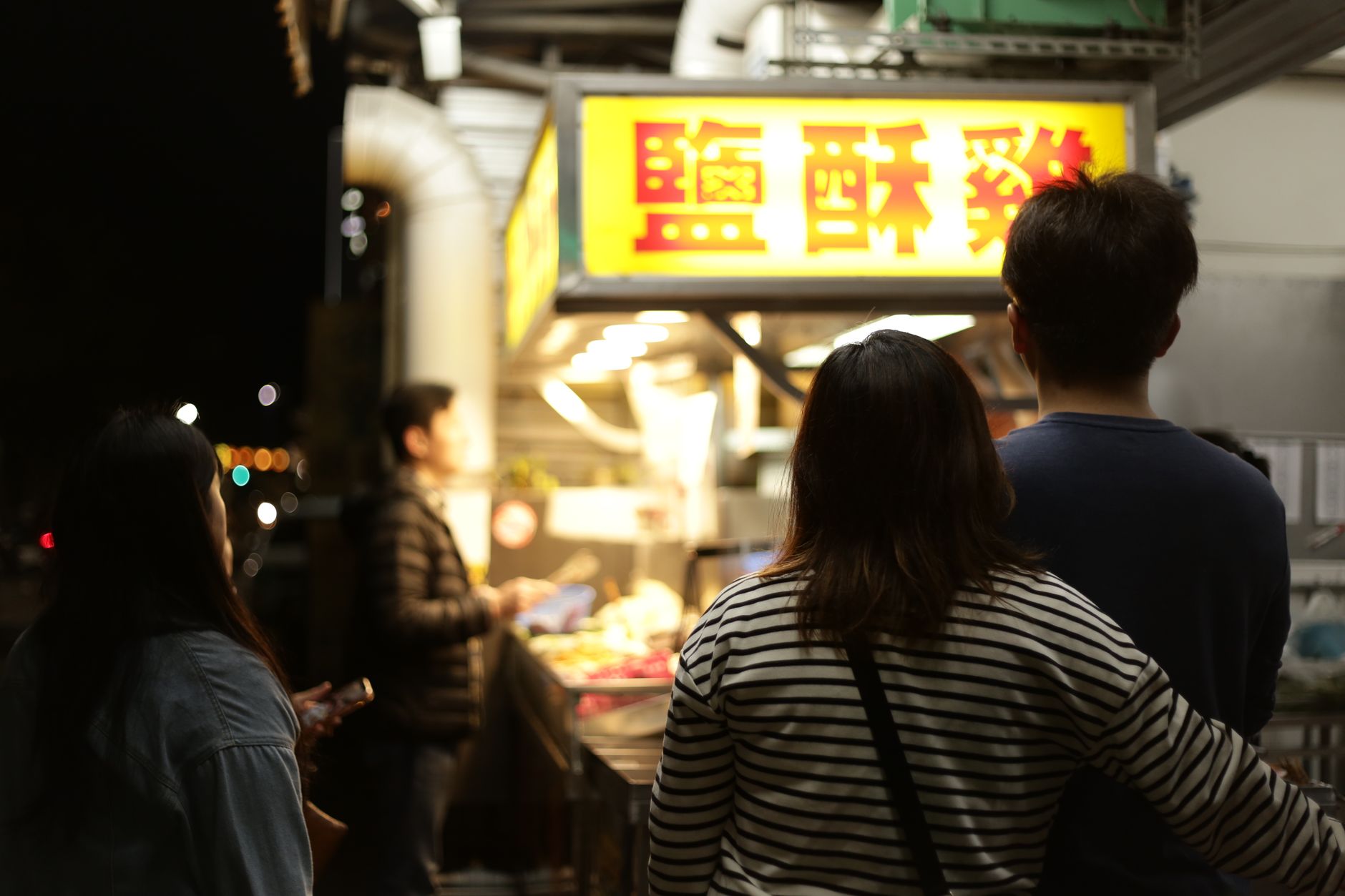
A food runner at a water park moves prepared orders from a kitchen or concession back of house to a table, a pickup point or a seat by the pool, then clears the tray and walks back. On a slow weekday that loop may come only now and then. On a holiday weekend it runs without pause, and the runner carries loaded trays across heat, wet ground and crowds.
Most parks mix this job with wider duties. Seasonal staff often rotate between food runs, stand service, cleaning and cashiering. Hiring notices show the scale: one Texas park planned to hire more than 2,000 seasonal workers for its 2025 season, according to Fox San Antonio, and another Texas park opened applications for 600 seasonal jobs, including food and beverage coordinators and cashiers, according to Community Impact.
That mix matters for the robot decision. If the runner's day is a set of separate jobs, a robot takes only the part that repeats, which is the walking between fixed points. The rest, and most of the guest contact, stays with people.
Median hourly wage, Waiters and Waitresses
$3,798
Monthly cost of one full-time worker, at the median wage plus payroll costs (an estimate, not a quote).
Which parts of the food run can a delivery robot take?
A delivery robot is best at the steps that are the same every time: loading at a fixed pickup point, travelling a mapped route, stopping at a set drop point and returning to a charging spot. Those steps are where repeated walking adds up across a shift.
It is weaker at anything that needs judgment or hands. It cannot lift a tray from a high pass, open a cooler, check an order against a ticket, read a guest's mood or steer a lost child back to the family group. Route changes, such as a closed walkway or a crowd at a slide exit, need a person to decide the detour.
- Fixed kitchen-to-pavilion trip
Delivery Robot
Repeats the same mapped path on every trip
Food Runner
Walks the path, and can stop to help a guest on the way
- Trip volume on a peak day
Delivery Robot
Keeps a steady pace, with charging stops built into the plan
Food Runner
Tires in heat and slows, but can take extra tasks as needed
- Guest questions and allergy checks
Delivery Robot
Cannot answer questions or confirm allergy needs
Food Runner
Answers, confirms and corrects the order
- Crowds and wet decks
Delivery Robot
Slows or stops in dense crowds and on wet or changing surfaces
Food Runner
Steps around people and spills, and reroutes on the spot
- Opening and closing setup
Delivery Robot
Runs the route once staff have set up the pickup point
Food Runner
Stocks, sets up and closes the stand
- Lifting and handling trays
Delivery Robot
Carries the tray but cannot lift from high shelves or handle food
Food Runner
Lifts, plates, sets down and clears
How many hours does the food run take, and who does it?
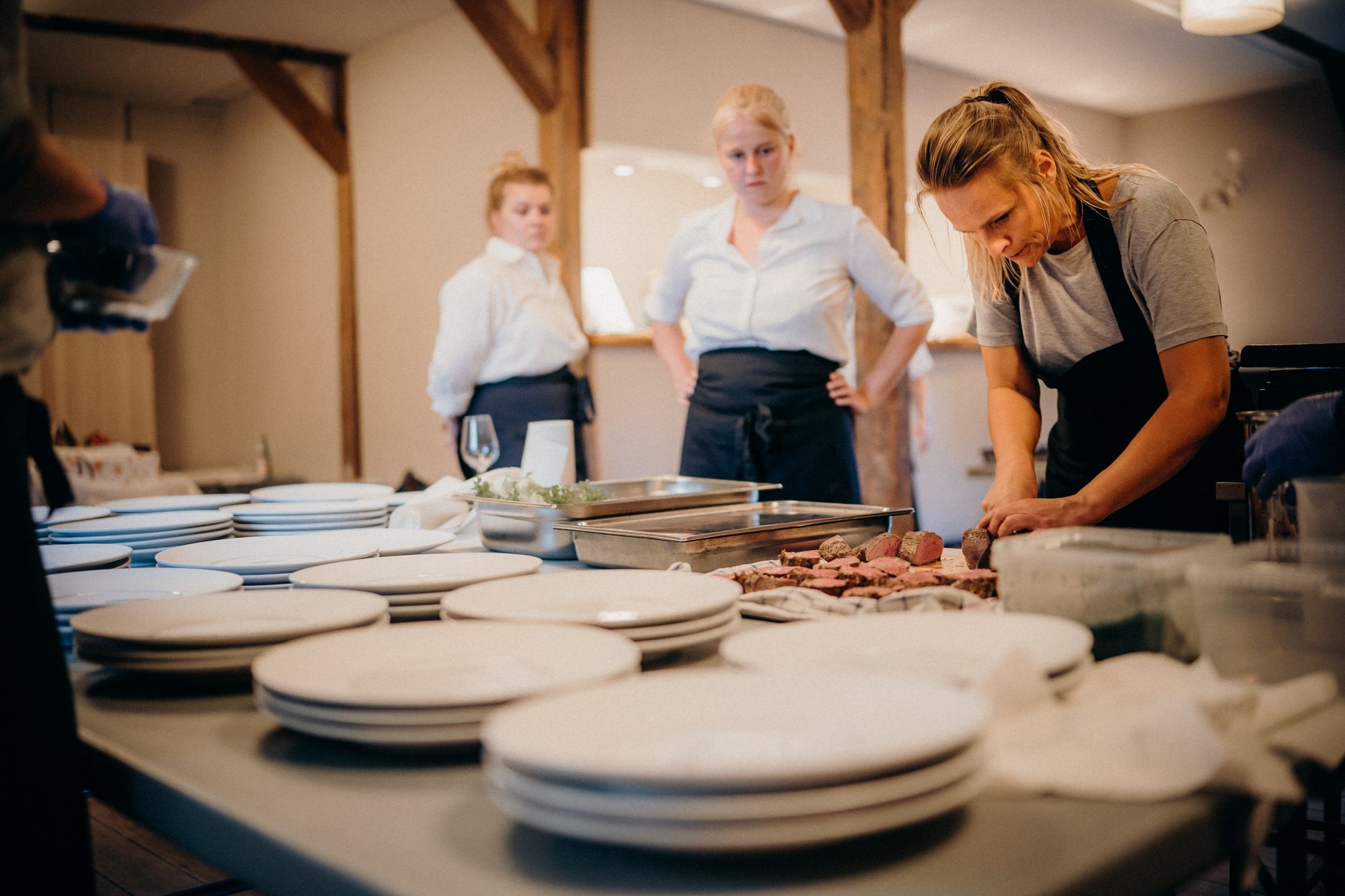
No published figure for hours per shift spent on food runs at water parks was found in our research, so the hours table below describes where the time goes rather than how much there is. Measure the real minutes on the actual route during the site assessment, on a busy day and on a slow one, before using any hour figure.
The wider labor picture for this kind of work is documented, though not for water parks in particular. The BLS Occupational Outlook Handbook counts about 2,329,700 waiters and waitresses in 2024 and projects a 1 percent decline, about 16,300 jobs, from 2024 to 2034, with about 456,700 openings a year on average. A flat-to-shrinking job count with that many openings means employers keep recruiting for the same roles every year.
The government wage data on this page gives the national pay picture for this job. For a park's planning, the run is best measured in hours, since that is what staffing and a robot each change.
How do seasonal hiring and turnover affect the food run?
Food service turnover is high across the restaurant industry, and that is the closest proxy for what water parks face. A vendor-compiled staffing summary puts restaurant industry turnover at about 73.9 percent, with front-of-house turnover at 41 percent and back-of-house at 43 percent, according to Turnozo. That is a vendor compilation, not a government statistic, so read it as a direction rather than a benchmark.
Government data points the same way. The BLS JOLTS release reported an overall quits rate of 2.0 percent in November 2025, about 3.2 million quits, so millions of people left jobs in that single month across the economy. A park that hires new runners each season has to train through that churn on a compressed calendar.
Injury rates add a physical side. BLS reported 107.6 cases per 10,000 full-time workers for special food services in 2017, against 77.9 for food services and drinking places overall. For full-service restaurants in 2019, days-away-from-work cases ran at 88.3 per 10,000 full-time workers, against 86.9 for all private industry, according to a BLS spotlight. Those figures are a reason to look closely at the physical steps of the run before deciding what to automate.
What does a robot shift look like at a water park?
A robot's day follows the park's day. It works the route it is given from opening to closing, and it needs people at its pickup point and at every spot where the route meets a guest. The timeline below shows how the work splits across a typical day.
The robot is absent from the moments that matter most to guests. Staff stay at the pass to check orders, at the stand to take payment, and on the deck to answer questions. The robot only moves the tray along the path between those points.
Opening and closing tasks stay with staff, and so do the reroutes that a crowd or a closed walkway forces during the day. Those are the moments a planned schedule tends to miss, so the staffing plan should name a person for each one.
How does a team work with a delivery robot and fewer staff?
A robot does not remove the food run team. It changes its shape. The usual pattern is one robot plus fewer runners on peak days, with staff at the pickup point and free for guests, not zero staff. A park that tries to run its whole food service on robots will see service fall apart when a route closes or a unit pauses.
Roles change in three ways. One person owns the pickup point and checks each order. A second person watches the route and handles reroutes. The rest of the team stays on tables, stands and guest questions, where a person's judgment matters most. Closing and restocking stay with people as well.
We are a US commercial robot integrator. We pick the right robot for the site, lease it through financing, deploy and integrate it, train the staff and service it nationwide. The lease is quoted after a site assessment, so the route, the peak volume and the handoff points are measured before any terms are set.
What can a delivery robot not do at a water park?
The honest list is longer than most sales material admits. A robot cannot serve a guest, read a face, take an order at a stand, handle cash, apologize for a wait, check an allergy or lift a heavy tray from a high shelf. It also cannot reroute itself around a crowd without a person deciding the new path.
Ground conditions limit it too. Wet or uneven decks, sections with changing shade and busy shared walkways can all make a robot slow down, wait or stop. Each route has to be walked and checked before anyone assumes it will run as drawn on a plan.
Pauses will happen. When a unit stops, the run falls back on people, so the staffing plan has to assume a robot will sometimes be out of service during peak hours. That is why one unit on one route is a safer first step than a fleet across the whole park.
How do you start a delivery robot pilot at a water park?
Start with a site assessment rather than a product. We map the route, the peak-day trip count, the surfaces, the crowd patterns and the handoff points, then recommend whether a robot fits and which route it should run. The lease is quoted after that assessment, with service terms set in the quote.
Pilot one route first. A single unit on the busiest fixed path, run through a full stretch of peak days, shows the real hours it takes off the run and the real stop rate before anyone commits further. It also shows how staff respond when the robot pauses, which is the part most plans miss.
Write the staffing rule down before go-live: robot plus fewer staff, never zero, with named people at the pickup point and on guest service in every shift. We deploy, integrate and train the staff, and we handle service nationwide, so the park has one partner for the route from start to finish.
Frequently asked questions
Want a delivery robot at your water park?
Tell us about your site. We will recommend the robot, quote the lease, and keep it serviced.
Sources
- US Bureau of Labor Statistics, Occupational Employment and Wage Statistics (OEWS May 2024)
- Hospitality News
- BLS JOLTS release
- BLS spotlight on nonfatal injuries in full-service restaurants (2019 data)
- BLS Occupational Outlook Handbook, waiters and waitresses
- Fox San Antonio
- Community Impact
- Turnozo
- BLS injury and illness rates in special food services