
The short answer
Delivery robot vs internal mail runner comes down to route shape. A delivery robot makes sense on a corporate campus when interoffice mail follows the same fixed routes many times a day through corridors and elevators the building can work with. It does not make sense when routes change often, when items need signatures or sealed handling, or when there are too few runs to keep a unit busy, and the workable model is usually a robot plus a smaller mail team, not a robot in place of everyone.
Key takeaways
- A delivery robot fits fixed, repeated campus routes through corridors and elevators, not routes that change often.
- The robot takes the transport, while people keep sorting, signed items, sensitive handling and exceptions.
- None of the sources checked gives turnover, overtime or sick day data for mail clerks, so measure your own route log.
- Elevator access and exterior weather decide more of the route than the robot does.
- Plan for a robot plus fewer people on the route, never zero staff.
Delivery robot vs internal mail runner: which fits a corporate campus?
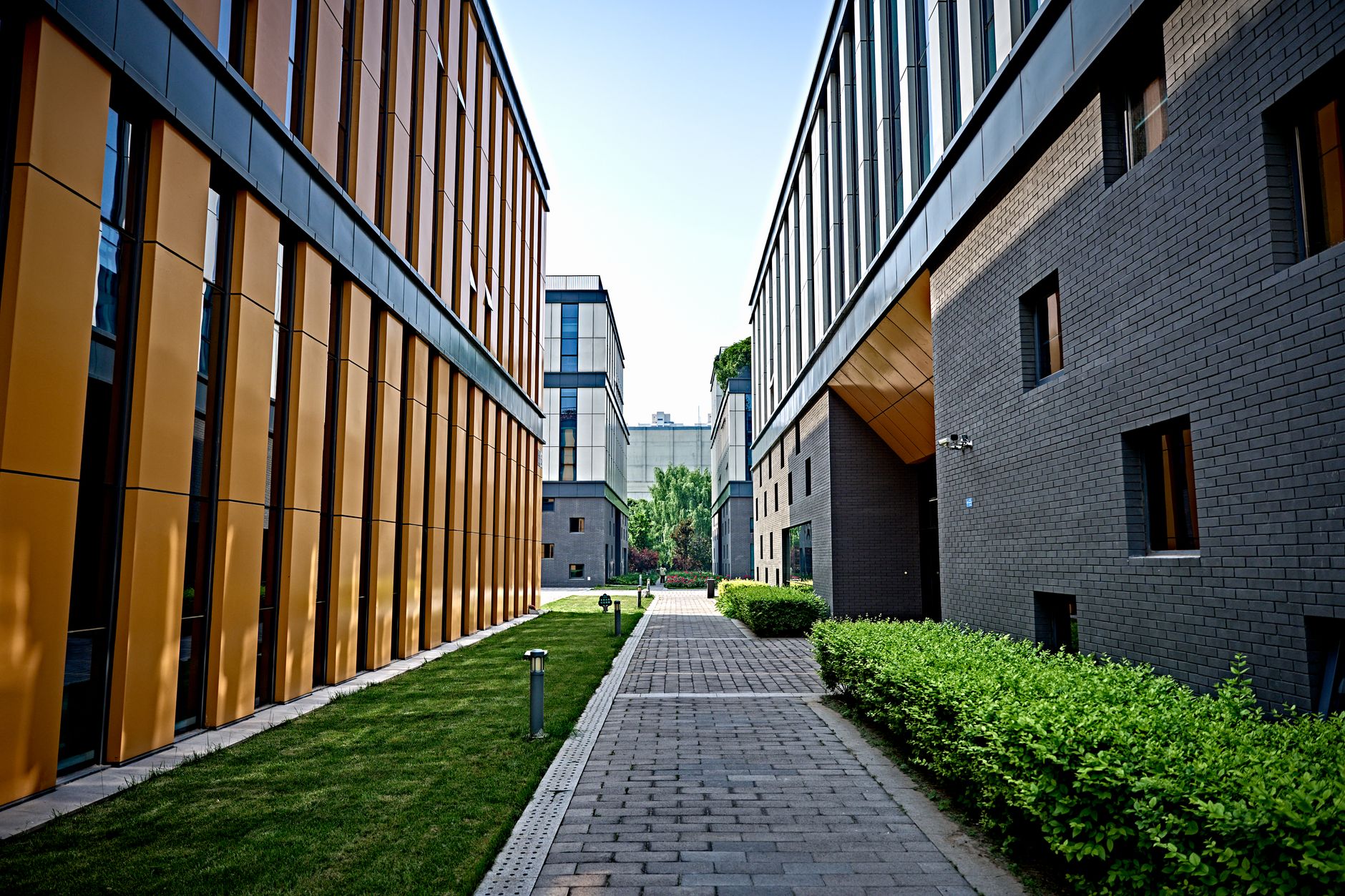
On a corporate campus, the choice between a delivery robot and an internal mail runner usually turns on route shape. A runner is a person who carries interoffice envelopes, packages and sealed documents between floors and buildings, and that work is at its best when the route is fixed and repeated. A robot can cover the same kind of route, and it gains the most when that route runs through shared corridors and elevators the building can integrate with.
A robot makes sense when mail moves on predictable runs several times a day, when buildings are linked by covered walkways or short paths the robot can handle, and when the team can shift its people toward work that needs judgment. It makes less sense when routes change from week to week, when items need a signature or a controlled handling record, when a person already covers a small route in a few minutes, or when runs are too few to keep a unit busy.
In most cases the workable model is a robot plus a smaller mail team, not a robot in place of everyone. The robot takes the repeatable runs, and the team handles sorting, sensitive items, exceptions and the days the robot is down. Treat the decision as a route study first and a hardware choice second.
What does an internal mail runner actually do in a shift?
A runner usually starts at the central mail room, sorts envelopes and packages by building and floor, and works through a set of scheduled rounds. Between rounds the person answers urgent requests, signs for outside courier drops, labels items and restocks envelopes. Much of the shift is walking, waiting at elevators and holding doors, so the route and the building drive the time more than the parcels do.
Published data on this exact work is thin. The Bureau of Labor Statistics Occupational Employment and Wage Statistics counted about 66,600 mail clerks and mail machine operators in May 2023, excluding the Postal Service. That makes campus mail a real but narrow part of a small occupation, so most sites will not find a published benchmark for their own route.
The occupation sits next to couriers. The same BLS occupational data lists couriers and express delivery services as the largest industry for this occupation, with about 3,980 jobs in May 2022. Because couriers are the largest listed industry, a campus comparing the two should look at hours on the route, not job titles.
Which parts of the mail route can a robot take, and which can it not?
A robot is good at the transport part of the route. It can carry a bin or tray along a mapped path, stop at set points, wait for approved elevator access and return to a charging spot. It keeps the same schedule each shift and does not need a replacement when someone is off sick. The route has to be mapped and the building must allow the robot's access, which is covered in the site assessment.
The robot cannot judge. It cannot decide that a sealed envelope from legal needs a person's hand, that a package is blocking a fire door, or that a desk needs an alternate drop point with ten minutes notice. It cannot sign for an outside courier, and it cannot sort mail that arrives with no order. Those tasks stay with people, and they are where the team's time belongs once the runs are automated.
- Repeat route, same stops
Delivery Robot
Runs the same path with the same timing each shift.
Internal Mail Runner
Repeats well, but drifts with breaks, handoffs and sick days.
- Route changes or detours
Delivery Robot
Needs a remapped route, and a blocked path stops it until staff intervene.
Internal Mail Runner
Adjusts on the spot and reroutes around a closed corridor.
- Sick days and staffing gaps
Delivery Robot
Does not take sick days, but still needs a staff member at the mail room.
Internal Mail Runner
Absence leaves a gap that someone else must cover.
- Signatures and sensitive items
Delivery Robot
Can carry and log an item, but cannot verify a signature or judge a sealed envelope.
Internal Mail Runner
Signs, checks identity and handles confidential items.
- Elevators and doors
Delivery Robot
Needs elevator and door integration, and waits at set points for approved access.
Internal Mail Runner
Holds doors, presses calls and rides with the item.
- Unusual items and exceptions
Delivery Robot
Limited to what fits the tray and the mapped route.
Internal Mail Runner
Decides what to do with a damaged or mislabeled item.
How many hours and people are tied up in campus mail?
Published sources do not give a clean hours per shift figure for a campus mail runner. None of the sources checked gives turnover, overtime, night shift or sick day rates for mail clerks, and that gap matters. A campus should measure those numbers on its own team with a two-week route log before deciding, rather than borrowing a figure from another site type.
The nearest published figures come from the courier trade. BLS industry data for couriers and messengers in 2024 shows a total recordable case rate of 8.0 and a days away from work rate of 4.2. BLS also flags a series break in its 2023 data from the NAICS 2022 revision, so earlier years should not be compared directly. Campus runs are lighter than courier work, so these rates describe the trade more than a mail room.
A vendor blog estimates that a 6-minute round trip across 80 deliveries takes 8 hours of human time per day, mostly waiting for elevators. That is a vendor claim that was not measured, and it describes courier work in a tall building, not an office mail room. Use it to frame the question about elevator time, not to size the hours.

How common is this kind of robot work, and how many buildings could use it?
The International Federation of Robotics World Robotics 2026 service robot report, as covered by Supply Chain Digital, says professional service robot shipments rose 24 percent to almost 250,000 units in 2025. According to DC Velocity's coverage of the same report, transportation and logistics was the largest professional application, at 117,500 units, up 21 percent from 2024 and about 47 percent of the category. Hospitality ranked second at 14 percent and professional cleaning third at 12 percent.
The federation warns against comparing its figures across reports, because the survey sample changes. Its 2026 figures came from a survey of 238 service robot suppliers. Read the growth rates as a sign of direction, not as a forecast for corporate campuses in particular.
On the building side, the Energy Information Administration's 2018 Commercial Buildings Energy Consumption Survey counted about 970 thousand office buildings with about 16,662 million square feet of floorspace. That survey uses its own building type definition, so it is a rough inventory rather than a count of corporate campuses. It still shows how many office buildings could eventually sit on a fixed mail route of this kind.
How does a team work with a delivery robot?
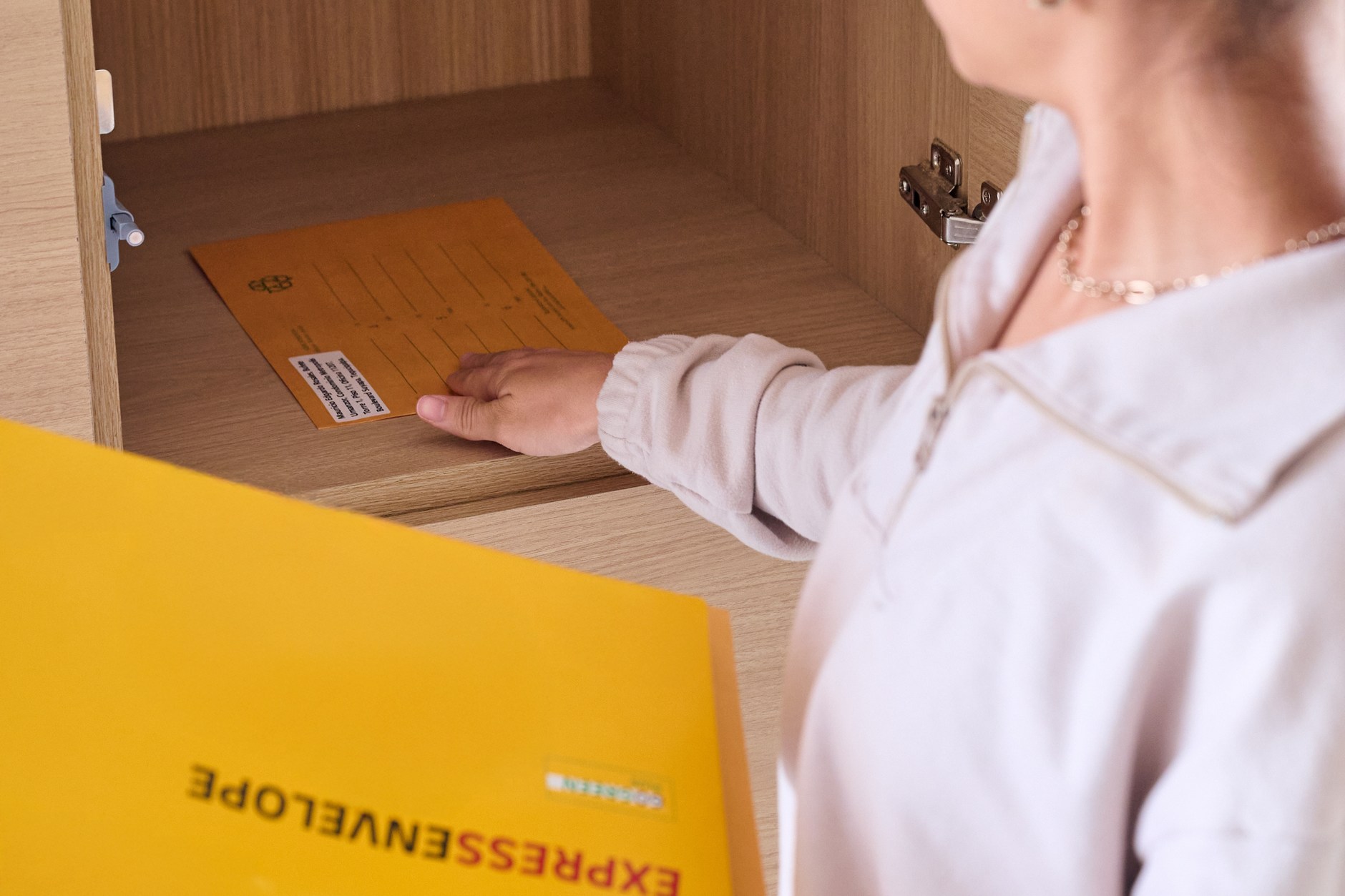
The right setup is always a robot plus fewer people, never zero staff. The robot runs the scheduled rounds. A mail lead and one or two staff handle intake, sorting, signed and sensitive items, and the robot's exceptions, such as a blocked elevator or a door that did not open. Staff hours shift from walking toward supervision and handling, and the mail room stays staffed whenever the building needs a person.
Training matters more than the hardware. Staff need to know how to load the robot, clear a stall, reset a route and call for service. The mail lead needs a short written procedure for building closures, fire drills and holidays, so nobody improvises when the route is blocked.
We pick the robot for the site, lease it through financing, deploy and integrate it with the building, train the staff and service it nationwide. The lease is quoted after a free site assessment, which maps the routes and checks elevator and door access before anything is decided.
What can a delivery robot not do on a campus?
Several things. Rain, snow and ice on exterior paths can stop a robot unless the route is covered or the unit is rated for those conditions. Doors that a person would hold open, badge readers mounted out of reach and elevators that will not accept a robot call all need fixing before the route works. Crowds, fire drills and construction can close a path for part of a shift.
A robot also cannot handle a wrong address, a damaged envelope with a note that needs a person, or a request for a special drop at a desk. Confidential or regulated items may need a handling record that the robot's log does not satisfy on its own. Ask the security and records teams before routing those items.
The robot is one more asset to maintain. It needs charging, cleaning, software updates and a service plan. Without a responsive service path, a stopped robot becomes a stopped route, so the service terms matter as much as the unit itself.
How do you decide whether your campus should use a robot?
Start with the route log, not the robot. Count the scheduled runs per day, the stops per run and how often the route changes. Then check elevator access, exterior paths, the share of signed and confidential items, and how the team's hours split between transport and handling. The decision should come from those numbers, and the list below names the ones that move it most.
For a delivery robot vs internal mail runner decision, the strongest case is a campus with many fixed runs and few exceptions. A campus with frequent route changes, heavy weather exposure or only a few runs a day should test one route first, with one unit, before committing to a wider plan.
How do you start a robot mail route on a campus?
Begin with a site assessment. We map the route, check elevator and door access, look at charging locations and review the mail team's hours. From there you receive a lease quote through financing. The robot is then deployed and integrated with the building's access systems, and the mail team gets training and go-live support.
Many campuses start with one unit on one route, measure the hours that move, and expand only if those numbers hold. Ask for service response terms in writing before signing, including how a stopped unit is handled, how quickly a person reaches the site and what backup covers the route during a repair.
Any payback case depends on the hours in your own route log, so the first step is measurement, not a sales estimate.
Frequently asked questions
Want a delivery robot at your corporate headquarters campus?
Tell us about your site. We will recommend the robot, quote the lease, and keep it serviced.
Sources
- BLS Occupational Employment and Wage Statistics, May 2023, mail clerks
- BLS Occupational Outlook Handbook, general office clerks
- BLS industry profile, couriers and messengers (NAICS 492)
- EIA 2018 Commercial Buildings Energy Consumption Survey, table B2
- Supply Chain Digital coverage of IFR World Robotics 2026 service robots
- DC Velocity coverage of IFR service robot data for 2025
- American Journal of Engineering and Technology, 2025 autonomous vertical delivery study
- Vendor blog on autonomous delivery robots (vendor claim, not measured)