

The short answer
Drone vs security guard in Baton Rouge: for most businesses, a drone works best as an added layer over large open ground, not as a replacement for a guard. It makes sense where the route can legally fly and a trained person acts on every alert. It does not make sense as the only coverage for a site that needs door checks, access control or a physical response.
Key takeaways
- A drone works best as added coverage over large open ground, not as the sole replacement for a guard.
- Current federal rules generally require line-of-sight flight unless a waiver is granted, so check each route before choosing hardware.
- Guard turnover is very high, so the staffing plan matters as much as the coverage gap.
- Older federal data shows guard injury and assault rates well above private industry, so keep people off exposed lone routes where possible.
- Start with a site assessment and one pilot zone, and keep a staffed response in place.
Drone vs security guard in Baton Rouge: which makes sense?
For most businesses in Baton Rouge, a drone should add to a security guard, not replace one. Aerial coverage fits best over large open ground such as parking lots, storage yards and long fence lines, and only where flight rules and a clear response plan allow it. A staffed guard still makes sense wherever a person must check credentials, stop a visitor, handle a face-to-face problem or cover the inside of a building.
The local wage for this job is in the government wage data panel beside this text, and it is the figure most buyers start from. That number shows what the job pays locally, but it does not show what it costs to replace a guard who leaves, cover a missed shift or keep a post staffed through the night. The decision turns on hours to cover, open ground to watch, and how quickly your team acts on an alert.
Service Robot Co. is a US commercial robot integrator. We assess the site first, recommend the unit and the role it plays, and lease it through financing, with the payment quoted after the assessment. If an aerial unit does not fit your site or the flight rules, we say so and recommend a different option.
When does a drone make sense in Baton Rouge, and when does it not?
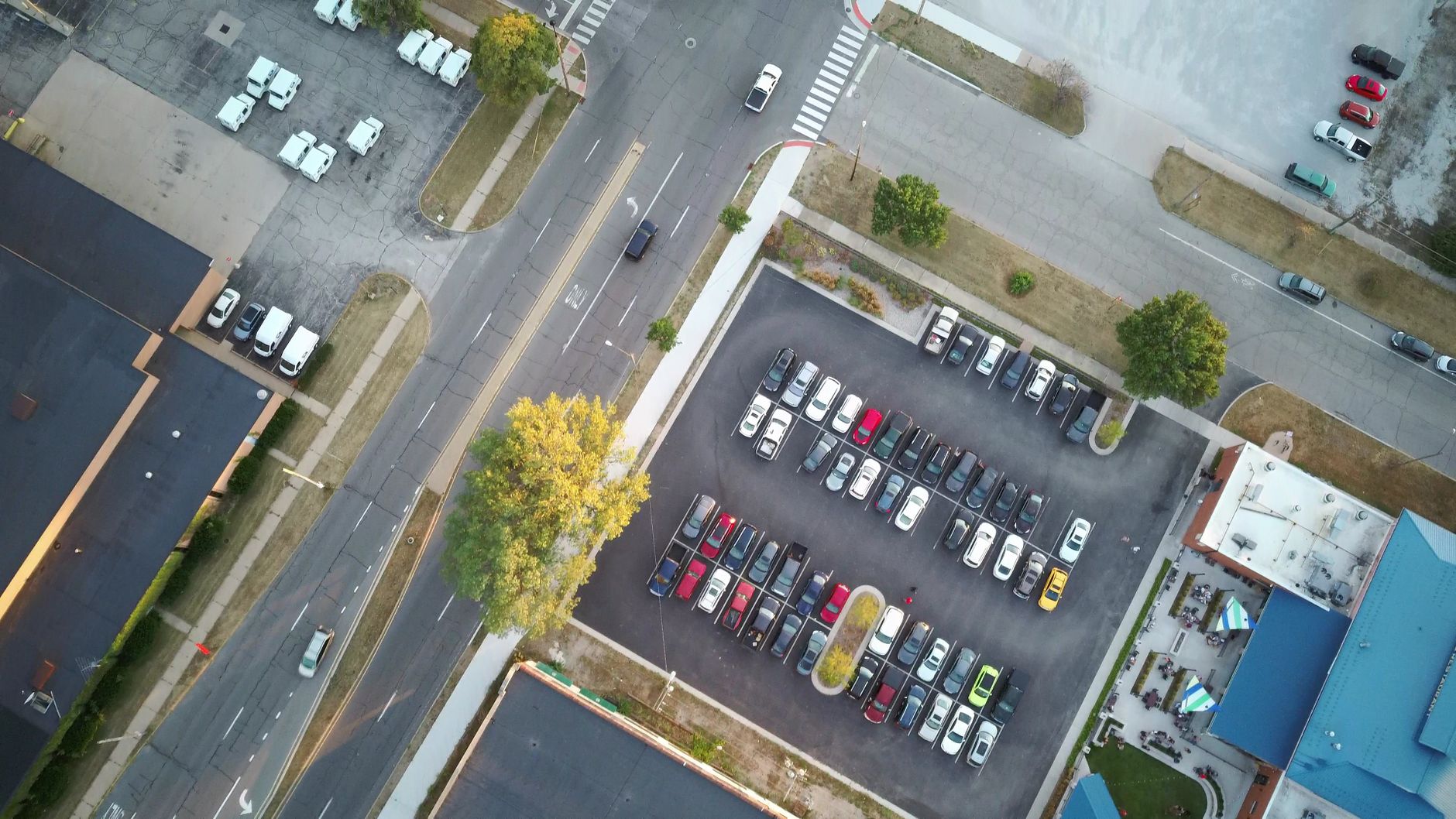
A drone fits best where the ground is large, open and hard to walk on a regular schedule. Lots, yards, rail spurs and perimeters with long runs of fence are typical examples. An aerial pass can check those areas in a short window, and a guard can then walk only the spots the drone flagged.
It fits poorly where most of the risk sits inside a building, at a lobby, or at a gate with many visitors. It also fits poorly under heavy tree cover or overhead wires, and on sites close to neighboring homes, where flights raise privacy and trespass questions. In those places a drone adds complexity without taking a person off a post.
The most common case is a mixed site: a building, a fenced yard and a parking lot. For a drone vs security guard in Baton Rouge comparison, that mixed site is where the drone covers the open ground while guards keep the building and the gate. Decide that split on a site map, not on a general impression of what drones can do.
Median hourly wage, Security Guards
$3,903
Monthly cost of one full-time worker in Baton Rouge, LA, at the median wage plus payroll costs (an estimate, not a quote).
What does a security guard actually do in a shift?
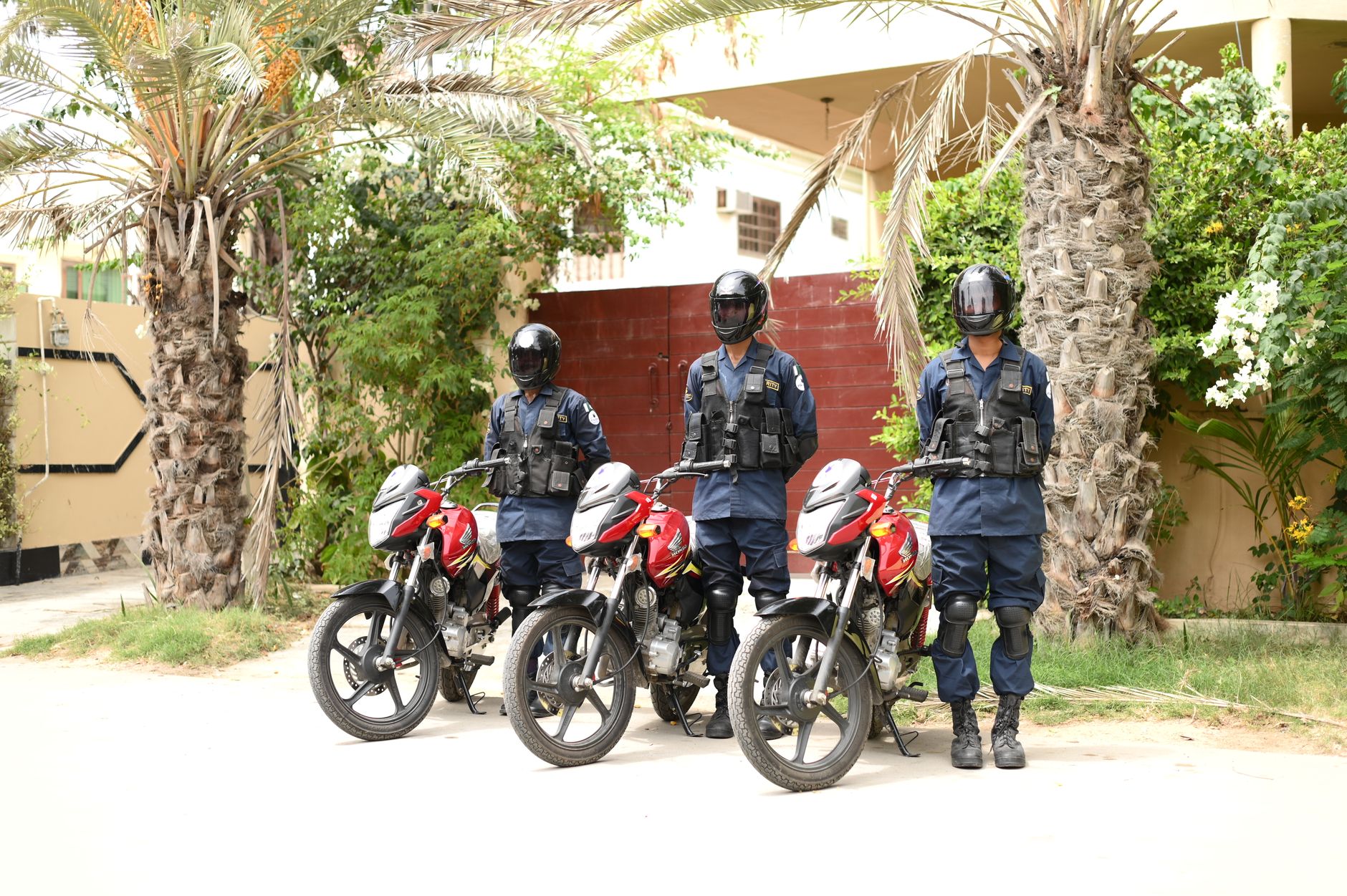
A guard on a typical post does more than walk. A shift usually begins with a handoff and a check of the post orders, then moves through scheduled rounds of the building and grounds, door and gate checks, and visitor and vehicle logging. Rounds often take the largest share of the shift, and they are the part most exposed to weather and darkness.
The rest of the shift is watching, recording and calling. A guard reports hazards such as broken lights or doors left open, calls police or fire when needed, and writes incident reports that a manager reads later. Judgment happens at the post: deciding whether a person belongs on site, whether to call for help, and how to calm a situation before it escalates.
Because the job often means lone work on night rounds, the physical risk is real. The injury and violence data in the sections below is old, but it points the same way: this job carries more exposure than most private work.
Which parts of the job can a drone take, and which can it not?
A drone can take the scheduled aerial pass over a lot or yard, a fast look at a fence line before a guard walks it, and a recorded log of what it saw. It can send an alert to a remote monitor who checks the video before anyone is sent out. That verification step is the part most worth copying, because it stops a guard from walking to every false alarm.
A drone cannot open a door, check a badge, stop a visitor, speak with a person at a gate or take any physical action. It cannot judge whether someone has a right to be on the property, and it cannot respond to a medical emergency.
One drone vendor's case study reports a baseline of about 84 guard hours per week at a single site. The same vendor claims a 40 percent drop in security incidents and 60 percent cost savings over guard coverage. Those are vendor-reported figures, not independent counts. Use them only as a prompt to measure your own weekly guard hours before you compare anything.
- Open ground and long fence lines
Drone
Drone: scheduled aerial passes that cover a lot or yard quickly, if the route can legally fly
Security Guard
Guard: walks the same ground on rounds, more slowly, but can check each gate and door on the way
- Night coverage
Drone
Drone: does not tire on a route, but flight time and flight rules limit where and how long it can fly
Security Guard
Guard: covers the full shift, but fatigue and lone night work add exposure
- Indoor areas and doors
Drone
Drone: poor fit inside buildings and at doors
Security Guard
Guard: checks doors, rooms and credentials on foot
- Physical response
Drone
Drone: observes, records and alerts only
Security Guard
Guard: can approach, speak, call for help and take a physical stance within the limits of the job
- Judgment about who belongs on site
Drone
Drone: none, it can only flag movement for a person to judge
Security Guard
Guard: makes the call at the post, guided by the post orders
- Staffing risk
Drone
Drone: fewer posts to fill, but still needs a trained operator and monitor
Security Guard
Guard: subject to high industry turnover, so posts need constant refilling
What do the labor and turnover numbers show?
According to a secondary summary of Bureau of Labor Statistics Occupational Outlook data, US security guard employment was about 1.26 to 1.27 million in 2024, with projected growth near flat, about 0.4 percent from 2024 to 2034. Annual openings run about 161,000 to 162,300, and most of those come from replacing workers who leave.
Turnover is where the staffing risk sits. According to a technology news article citing UC Berkeley Labor Center research, annual turnover in the US security industry was 89 percent in 2024, against a 66 percent average for the private sector. The same article says guards die on the job at more than twice the overall rate. An ASIS International webinar reports that nearly 1 in 5 newly hired security officers leave within the first 30 days.
The government wage data panel gives the local wage for this job. Local headcount, overtime and sick-day rates were not confirmed in this review, so check the Baton Rouge metro row in the OEWS table and your own timekeeping records before you set a staffing number. A drone does not fix a staffing gap, but it can reduce how many posts need a person on the overnight shift.
How much injury and incident risk do guards face?
According to Bureau of Labor Statistics data for 2007, the nonfatal days-away-from-work rate for security guards was 107.8 per 10,000 full-time workers, against 122.2 for all private industry. The assault and violent-act rate for guards was 14.4 per 10,000, against 2.6 for private industry. That is a wide gap, though the data is old and should be read as direction, not as a current rate.
A 2012 Bureau of Labor Statistics release reported that protective service occupations had the highest incidence rate, 329 cases per 10,000 full-time workers. That group covers more than guards, so it does not isolate the job. No current guard-specific injury rate was found in this review, so ask your insurer and your staffing provider for their own incident history.
For the drone question, the useful point is this: lone patrols across dark, open ground are where removing a person from the route reduces exposure the most. That is a reason to add aerial coverage. It is not a reason to remove the staffed response.

How do a drone and guards work together?
The pattern that holds up in practice is a drone plus fewer staff, never zero staff. The drone runs scheduled passes over open ground and sends alerts to a monitor. The monitor decides whether an alert is real, and a guard at the gate or inside the building handles what is confirmed. One guard can then cover the same site with fewer walking rounds than before.
Put the handoff in writing. Name who receives each alert, how fast it must be verified, who calls police, and where the event goes in the log. Verification also depends on the monitor knowing the site, so train that person on your layout, gates and normal activity before the first live shift.
Run drills before go-live. A drill with a planted alert shows quickly where the handoff breaks, whether that is a missed alert, a slow response or a log that nobody reads.
What does the FAA rule mean for a drone at my site?
According to a law firm analysis of the FAA proposed beyond-visual-line-of-sight rule, Part 107 still requires line-of-sight operation unless the operator gets a waiver. That one rule decides much of the answer. A drone that cannot fly beyond the operator's view cannot cover a long fence line on its own.
The FAA published a proposed Part 108 rule as a notice of proposed rulemaking on August 7, 2025, with comments closing October 6, 2025. This review did not confirm whether a final rule has been issued, so check the current rule before committing. The International Association of Fire Chiefs asked that the rule include a public safety pathway for drone operations at or below 400 feet above ground level.
Privacy, trespass and flights over neighboring property are separate questions from aviation rules. Get legal review before planning any route that crosses adjoining land.
How do I decide and get started?
Start with a site map. Mark the open ground, the indoor posts, the gates and the hours with gaps in coverage. Then check whether flights along each route are allowed under the current rule. If a route is not allowed, the drone belongs in a later phase, not in the first step.
Service Robot Co. runs the work from there. We do a site assessment, recommend the unit and its role, lease it through financing with the payment quoted after the assessment, deploy and integrate it, train your staff and service it nationwide. If the rules or the ground do not support an aerial unit, we say so in writing and recommend a ground option or a staffing change instead.
Pilot one site or one zone before expanding. Keep the staffed post until the handoff has run through several shifts and a drill. Measure guard hours on rounds before and after the pilot, and compare those numbers, not impressions.
Frequently asked questions
Put a robot to work in Baton Rouge.
We walk your site, learn the job, and recommend the unit that fits. Then we quote the lease, deploy it, and keep it serviced.
Sources
- US Bureau of Labor Statistics, Occupational Employment and Wage Statistics (OEWS May 2024)
- Security guard outlook summary citing Bureau of Labor Statistics Occupational Outlook data
- Technology news article on security guard turnover, citing UC Berkeley Labor Center research
- ASIS International webinar on contract security workforce metrics
- Bureau of Labor Statistics, Security Guard Injuries, Illnesses and Fatalities (2007 fact sheet)
- Bureau of Labor Statistics, 2012 Occupational Injuries and Illnesses release (archived)
- Law firm analysis of the FAA proposed beyond-visual-line-of-sight rule
- International Association of Fire Chiefs comments on the FAA BVLOS proposed rule
- Vendor-reported drone security case study (figures not independently verified)