
The short answer
For most water towers, a drone makes sense as the first pass, because it can fly the shell and roof and capture the same visual images a crew would collect on a climb, which cuts the number of climbs that carry fall risk. A tank inspector is still needed for interior surfaces, coating and weld judgment, and any area a drone cannot safely reach, so the practical drone vs tank inspector answer is a drone plus fewer climbs, with a qualified person on every job. The drone does not fit where the scope requires hands-on contact, where airspace or weather rule out flying, or where a flight would need a waiver the utility cannot get in time.
Key takeaways
- A drone can capture the shell and roof images that used to need a climb, which cuts fall exposure.
- Interior coating, weld judgment and sign-off still need a qualified person on site.
- State interval rules run from every five years to more often depending on local conditions, so count your climbs per cycle.
- The federal rule for flights beyond sight was still under review in the most recent reporting we found.
- Plan for a drone plus fewer climbs, never a drone with zero staff.
Is drone vs tank inspector the right call for a water tower?
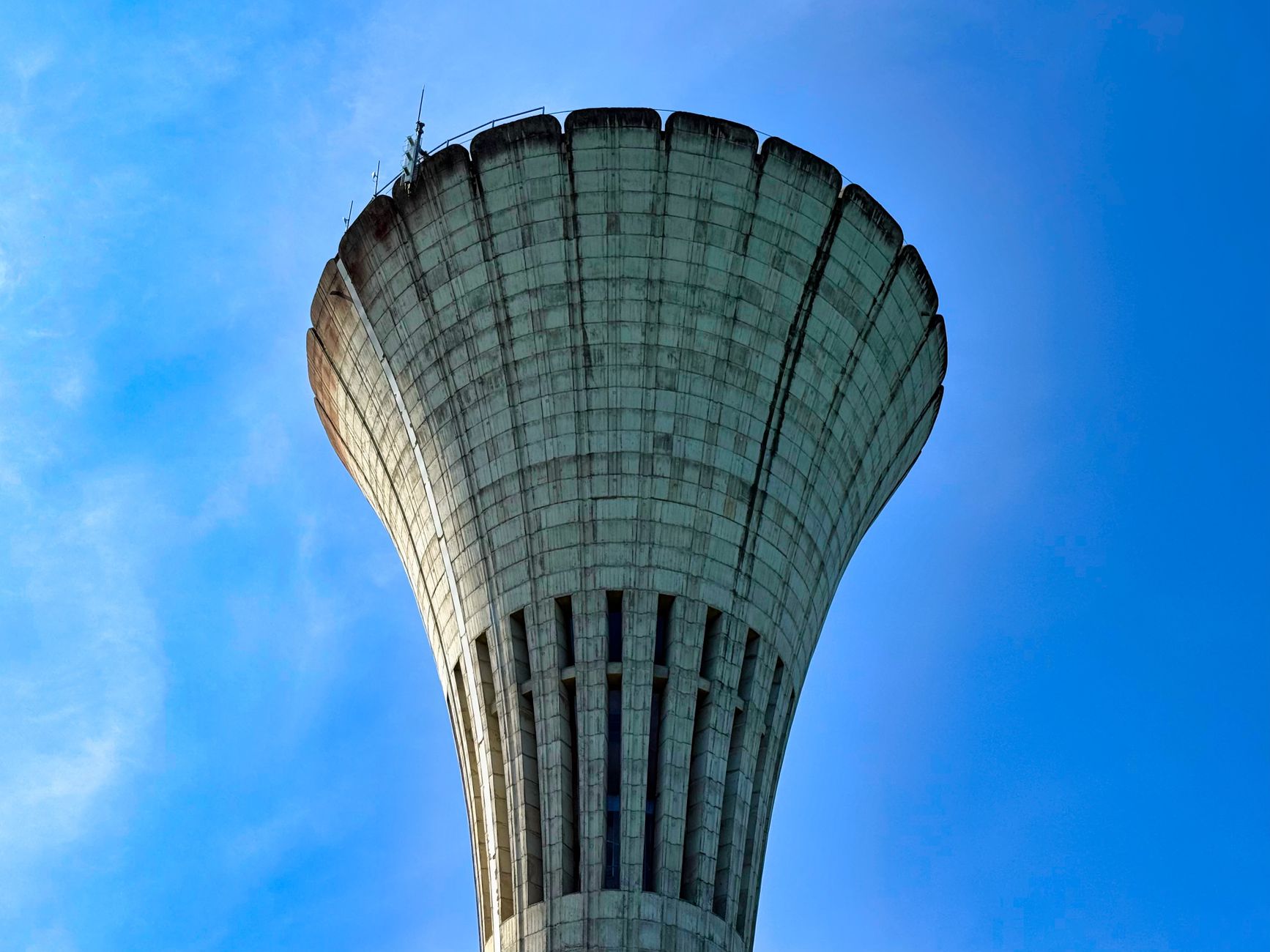
A drone makes sense for the exterior work on most water towers. The shell, the roof and the upper structure can usually be photographed from the air in one controlled flight plan, which produces the same visual record a crew collects while climbing. The gain is fewer climbs, not the removal of the inspector.
A drone does not fit when most of the job is interior assessment, when the site has tight airspace or power lines, when wind and weather block flying for long stretches, or when the owner needs hands-on measurements. In those cases the tank inspector stays on the job, and the drone is at most a support tool for roof and access checks.
Drone vs tank inspector is often the wrong frame. The useful question is how many climbs a tank needs in each inspection cycle, and which of those climbs a drone can replace.
What does a tank inspector actually do in a shift at a water tower?
A tank inspector usually works from the outside in. The shift starts with a site check, a fall protection and lockout plan, and a review of the last inspection record. The climb then moves to the shell, the access ladder, the roof, vents, hatches and overflow, and interior work comes last if the scope includes it.
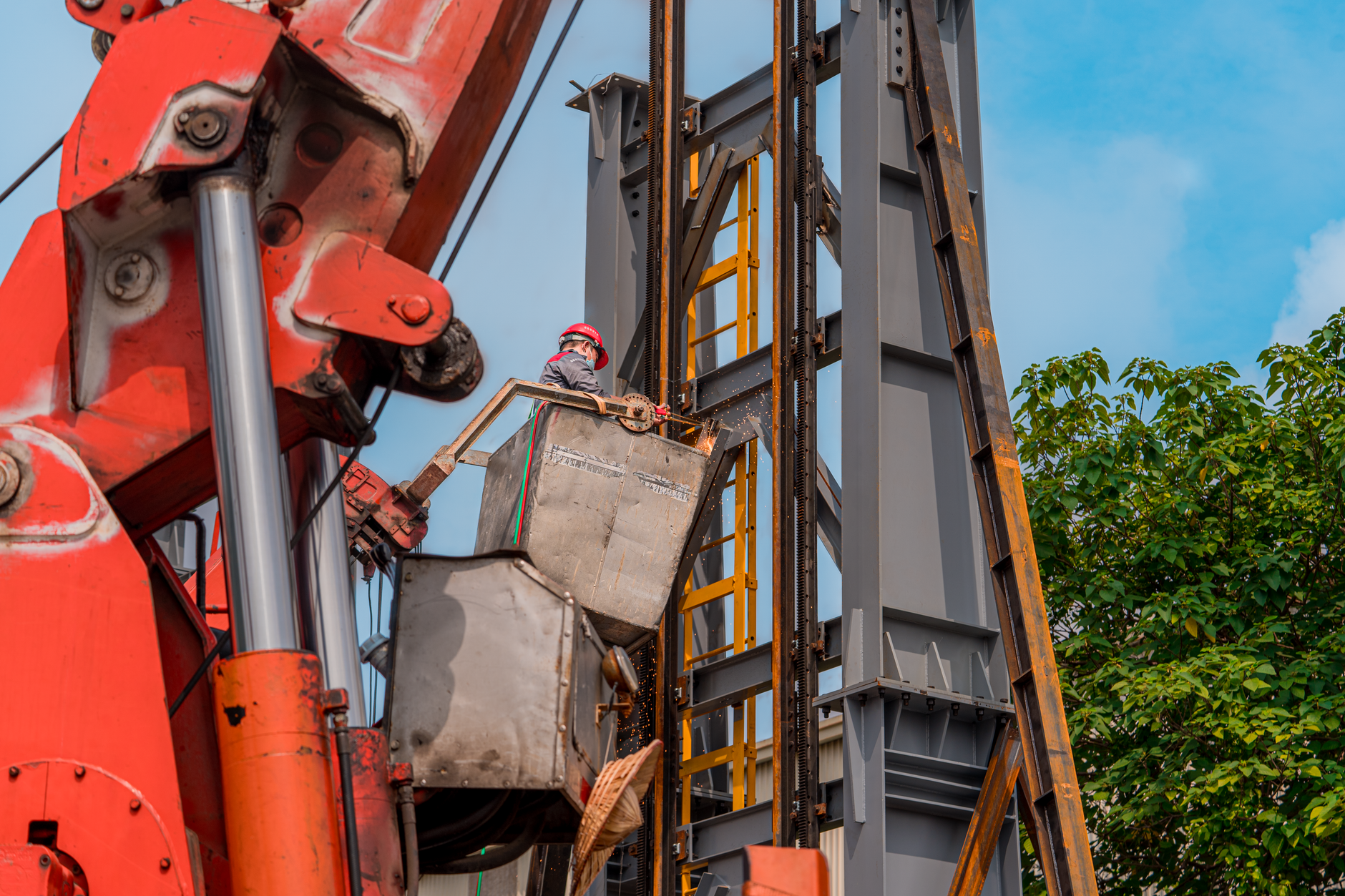
Much of a climb goes to positioning, tie-off and moving between points, not to looking at the steel. The inspector photographs coating condition, corrosion spots, seams and fittings, then notes defects for the engineer or asset owner. The photo set and the written notes are the real output, so the record needs to be as good as the climb.
The research pass did not surface a verified figure for how many hours one tank inspection takes, so this page does not give one. A utility should time two or three of its own inspections and use those numbers in any plan.
Which parts of a water tower inspection can a drone take, and which can it not?
A drone can take the exterior photo set. It can capture the shell from several heights and angles, the roof, the top rail and the visible top structure, in a repeatable flight plan that can be flown the same way each cycle. Some utilities go further. Helix Water District in San Diego County reports that drones now check roof supports from inside a tank, a job that used to require moving 30-foot scaffolding between supports.
A drone cannot take a coating thickness reading, a weld check or a physical sample. It also cannot decide whether a patch of corrosion is cosmetic or structural. Those judgments need a qualified person who can get close, touch the surface and sign the record.
- Drone can take: exterior photos from several heights
- Drone can take: roof and top structure images
- Drone can take in some tanks: interior roof support checks
- Drone cannot take: coating thickness, weld checks or samples
- Drone cannot take: structural judgment or the signed record
- Shell and roof images
Drone
Covers the shell and roof from several heights in one repeatable flight plan
Tank Inspector
Covers the same surfaces by climbing, with time spent on positioning and tie-off
- Fall exposure
Drone
No climb for the exterior work, so no fall exposure on that part
Tank Inspector
Exposed to fall risk on every climb, even with protection in place
- Coating and weld judgment
Drone
Cannot take thickness readings, weld checks or samples
Tank Inspector
Can touch the surface, measure and judge the defect
- Wind and weather
Drone
Limited by wind, rain and light, so flight days are fewer
Tank Inspector
Can work through some wind, though high wind makes climbing unsafe
- Airspace and rules
Drone
Needs a trained pilot and follows flight rules, with waivers for beyond-sight flights
Tank Inspector
Works under site safety rules and the utility permit, with no airspace limits
- Judgment and sign-off
Drone
Produces images only, so a qualified reviewer must interpret them
Tank Inspector
Makes the call on each defect and signs the record
What does the labor data say about staffing water tower inspections?
The closest federal occupation is water and wastewater treatment plant and system operators. According to the Bureau of Labor Statistics, about 132,400 jobs were held in 2024, and employment is projected to decline 7 percent from 2024 to 2034, a change of minus 8,700 jobs. That category covers plant and system operators, so it shows the general labor pool, not the inspection crew.
The same source gives the typical entry path as a high school diploma plus on-the-job training. It does not give turnover, overtime, sick day or night-shift figures for this occupation, and the research pass did not find those figures from another official source. Ask any vendor or contractor for their turnover and overtime data, with its source, before you use it in a plan.
In practice, a utility with a shrinking pool of operators may struggle to free a qualified person for a weekday climb, let alone a night one. A drone plan cuts the amount of climbing each person has to do, but it does not replace the need for a qualified person to review and sign.
How do climbing risks compare with how often a tank needs inspecting?
Tower climbing carries real fall risk. OSHA's archived communication tower data for 2003 to 2013 counted 91 fatalities and 17 injuries, and falls accounted for 79 of the deaths and 13 of the injuries. Those are communication towers, not water towers, but the fall pattern is the same kind of exposure a tank climb creates.
A telecom trade article reports an older NIOSH estimate of 49 to 468 deaths per 100,000 workers for telecom tower work, against about 5 per 100,000 across all other US industries. The range is wide and dated, so use it to show direction, not as a rate for water towers, which the research pass did not find.
How often a tank is climbed depends on the interval. Illinois EPA says storage tanks should be inspected at least every five years, or more often depending on local conditions. A City of Arlington, Texas article on storage tank inspections says AWWA recommends every three to five years. The shorter the interval, the more climbs the drone plan has to replace.
Multiply the climbs per cycle by the number of tanks in your asset list, and you have the exposure figure to plan around. The research pass did not find a current national count of water towers, so that number has to come from the utility's own records.
How does a crew work with a drone without going down to zero staff?
The workable model is a drone plus fewer climbs, with a qualified person in charge at every step. Our team picks the drone for the site, leases it through financing, deploys it, connects the flight plan and data to the utility's asset records, trains staff, and services it nationwide. Utility staff keep the go or no-go call, the flight plan approval and the inspection sign-off.
In practice, one trained pilot and one qualified inspector can cover the exterior work that used to need a climb, while the inspector stays on site for interior or hands-on items. Climbs fall to the ones that really need a person on the steel, which is the reduction that matters for fall exposure.
The Onondaga County Water Authority in New York reports, in a utility drone workflow case study, that drones made each tank inspection faster and safer. The same case study reports a budget saving per inspection, but the research pass did not surface a figure we could check, so this page does not quote one.
What can a drone not do at a water tower?
A drone cannot replace the hands-on parts of the job. It cannot read coating thickness, take a weld measurement, collect a sample, or judge whether a seam is failing. It also cannot see through growth, ice or paint that hides a surface, and a flight that gets too close to a structure can damage the aircraft or the tank.
Weather and wind limit flight days, and the pilot must keep the aircraft within sight unless a waiver covers beyond-visual-line-of-sight flight. Power lines, nearby structures and restricted airspace can rule out a site entirely, and the roof access plan may need a change before the first flight.
The drone also produces a large image set. Someone qualified still has to review it, mark defects and connect them to the inspection record. The research pass did not confirm whether drone images alone meet any particular utility's documentation rules, so check that with the utility's engineer before the first flight.
What do the drone rules mean for tank flights right now?
The biggest open item is the FAA rule for flights beyond visual line of sight, called Part 108 in the reporting. According to a report on the rule's delay, the final draft went to White House review on July 10, 2026, and was still under review as of September 8, 2026. FAA officials hoped to publish before the end of 2026, and the most recent report we reviewed is from September, so check the status before planning.
Until the rule takes effect, flights beyond the pilot's visual line of sight depend on waivers, and the waiver timeline can set your start date. Plan each flight under the rules that apply on the day of the flight, and do not assume the pending rule is final.
A utility planning its first season around a rule still under review should build a plan that works under current rules, then expand when the rule takes effect. Ask the drone team which of your flights would still need a waiver today.

How do you start a drone inspection pilot at a water tower?
Start with one tank that has a complete inspection record. Compare the drone's image set with what the last climb produced, and have the utility's engineer review both. That comparison answers the question that matters most, which is whether the drone captured what the inspection requires.
Our team runs a free site assessment before anything is leased. It covers tank type, roof access, nearby obstacles, flight permissions and inspection scope. If the site fits, a fixed lease payment is quoted through financing after that assessment, not before.
Keep at least one climb in the first season so the team can check the drone's results against a person's findings. Once the pilot shows the images cover the scope, the climb schedule can shrink to the items a drone cannot reach, one tank at a time.
Frequently asked questions
Want a drone at your water tower?
Tell us about your site. We will recommend the robot, quote the lease, and keep it serviced.
Sources
- Bureau of Labor Statistics, water and wastewater treatment plant and system operators
- Utility drone workflow case study
- Illinois EPA, storage tank requirements
- OSHA communication tower data, archived
- Telecom trade article on tower climbing safety
- Helix Water District, drone technology
- City of Arlington, Texas, storage tank inspections
- FAA Part 108 BVLOS delay report