
The short answer
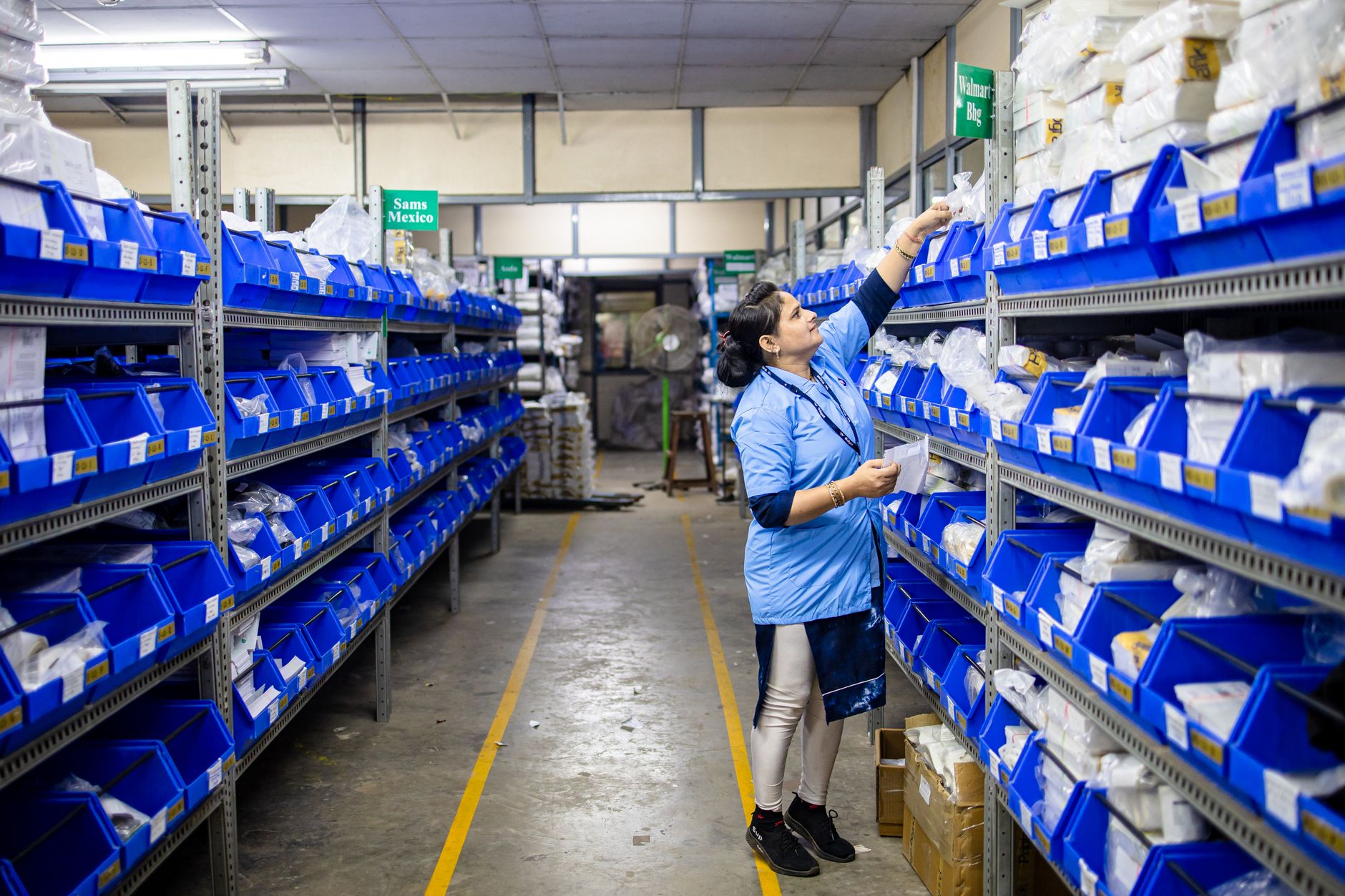
The autonomous forklift cost for pharmacy distribution centers depends on the building and the job: floor area, number of units, shift coverage, mapping, racking and dock layout, and the service plan around them. No single figure applies to every site, so the lease payment comes from a quote made after a free site assessment that maps your pallet routes first. The biggest swings usually come from how many units the routes require and how much integration the building needs, not from the vehicle alone.
Key takeaways
- Cost follows the building and the route plan, not a single vehicle figure.
- Mapping, integration, software, maintenance and training are the costs people most often miss.
- Floor area, shift coverage and unit count move the quote the most.
- Units are leased through financing, and the fixed lease payment is set in a written quote after a site assessment.
- Autonomous forklifts suit repetitive, mapped pallet moves and still need staff for exceptions.
What does an autonomous forklift cost for pharmacy distribution centers?
No single figure describes the autonomous forklift cost for pharmacy distribution centers, and any number published without measuring a site would mislead you. What you pay depends on how much repetitive pallet movement the building has, how many hours of that movement must be covered, and what the site needs around the vehicle to run it safely.
The useful question for a sign-off is not what one unit costs in the abstract. It is what it takes to keep receiving-to-racking and racking-to-dock-door moves covered on nights and weekends, and how many units and how much support that requires in your building. Counting the sites is also hard. IBISWorld, a commercial estimate rather than a government count, reported 321 businesses in the US pharmaceuticals wholesaling industry in 2025, with no company above 5 percent market share.
Here is how our work runs on these projects. Our team assesses the site, recommends the right unit for it, leases it through financing, deploys and integrates it, trains staff and services it nationwide. The lease payment is set in a written quote after that assessment, so this page explains the drivers you should expect to see on that quote.
What drives the cost up or down at a pharmacy distribution center?
Floor area is the first driver. Modern Materials Handling's 2025 automation study, which drew on 139 respondents, put the average warehouse or distribution center at 137,054 square feet. It also found 30 percent of respondents in facilities over 250,000 square feet and 28 percent under 50,000 square feet. Chemicals and pharmaceuticals made up 8 percent of those respondents, so pharmacy-specific data is thin. A longer route means more travel per pallet, and a building split across floors or long dock runs changes how many units you need.
Number of units and shift coverage come next. One unit covering a single shift and a fleet covering nights and weekends have very different scopes, and the second usually needs spare capacity so one fault does not stop the route. Traffic matters too. Where people, carts and pallet jacks share the same aisles, the route plan needs more mapping, clearer lanes and more time spent on exceptions.
Surfaces, racking height, dock-door count and integration complete the picture. Level floors and clear aisles keep the vehicle on its planned routes, while uneven slabs, ramps and tight turns add survey work. If the unit must take tasks from your warehouse management system or dock scheduling, that integration work enters the quote. Response time also affects the lease. A site that cannot tolerate an hour of stopped movement needs a stronger service plan than one that can wait until the next shift.

How many hours of forklift work does a robot take over?
Labor is usually what drives the decision here. The Bureau of Labor Statistics Occupational Outlook Handbook reports that industrial truck and tractor operators held about 792,500 jobs in 2024, within a broader group of about 867,700 material moving machine operators. Those are the roles a site may struggle to staff on nights and weekends, which is where an autonomous unit tends to earn its place.
Public figures for pallet moves per shift or forklift hours per week at pharmacy distribution centers are scarce, so this page does not publish one. Treat any hour figure you see, including the placeholders in the table below, as unconfirmed until your own pallet logs are measured. The site assessment produces that count from your data.
Once a unit covers the mapped moves, the experienced operators you do have can spend their time on irregular loads, damaged pallets and tasks outside the route plan. That split, not a headline hour count, is what changes how the shift runs.
| Task | Today | With a robot |
|---|---|---|
| Receiving to racking moves on mapped routes | Operator hours each shift, measured in the site assessment | Unit runs the mapped route, with staff on exceptions |
| Racking to dock door moves | Operator hours each shift, measured in the site assessment | Unit runs scheduled pulls on nights and weekends |
| Uncovered night and weekend moves | Hours left open when experienced operators are hard to hire | Unit covers the mapped moves in those hours |
| Route changes after racking moves | Staff time spent adjusting routes informally | Re-mapping by our team, scoped in the quote |
No hour figures are given because public data on pallet moves and forklift hours at pharmacy distribution centers is scarce. Fill the today column from your own pallet logs during the site assessment.
Why does forklift safety change the cost conversation?
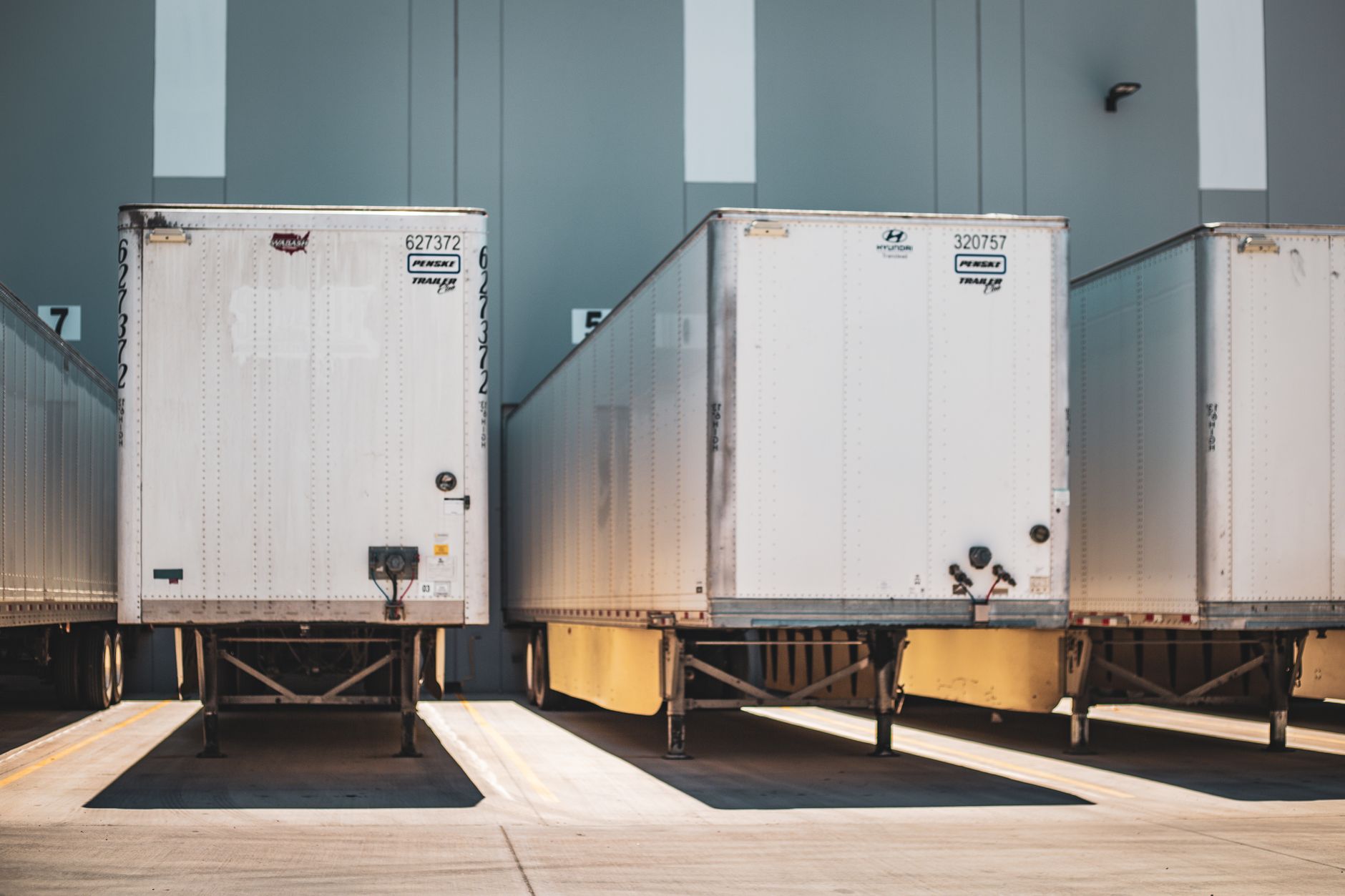
Forklift safety is a cost issue, not a side note. The OSHA regional directive on powered industrial trucks states that BLS data show pedestrians being struck is the leading cause of lift-truck-related worker fatalities. A pharmacy building with staff moving around dock doors and racking has the same exposure, so separating people from vehicle routes belongs in the scope.
The Bureau of Labor Statistics reports that transportation and material moving occupations had 1,495 deaths in 2023, which was 28.3 percent of all fatal work injuries. The group's rate fell from 14.6 to 13.6 per 100,000 full-time equivalent workers between 2022 and 2023. That group is broader than forklift operators, so read it as context for the occupation, not as a forklift rate.
Older OSHA-based estimates, repeated in a secondary summary of forklift statistics, put the number of powered industrial trucks operated at more than 855,900 by about 1.5 million workers. The same summary says the powered industrial truck standard ranked sixth among OSHA's most-cited standards for Fiscal 2013, with 3,340 offenses. Those numbers are dated and secondary, so verify them before quoting. They support the same planning step: keep people and vehicles on separate, marked routes.
How does leasing through financing work for an autonomous forklift?
We lease the unit through financing rather than having you pay for it up front, which lets a site add automation without tying up its own capital. You pay a fixed lease payment set in the quote, and the lease terms cover the unit, deployment, training and service you agree to. Robot lease options vary by site, so compare the term length and what the payment includes, not only the headline payment.
What the quote includes is the part to read closely. Ask whether the figure covers the site survey and mapping, integration with your systems, software, training, maintenance, emergency dispatch and liability coverage. We state those lines in the written quote so you can compare them, and any line that is not covered is named in the document rather than left for later.
After signing, deployment and go-live support run on your timeline. You can start with one unit on one route and add more once measured hours show what the wider lease should cover.
How do I get a quote for an autonomous forklift after a site assessment?
A quote starts with a free site assessment. Our team walks the building, measures floor area, aisles, racking, dock doors and surfaces, identifies the pallet routes that repeat, and notes where people and carts share the same space. That survey turns a general idea into a route plan you can check line by line.
The assessment then produces the recommended unit count, the shift coverage plan, the mapping and integration scope, and the service plan. The lease payment comes from that written scope. Nothing is quoted before the survey, so any figure you have seen without one should be treated as a guess about someone else's building.
Bring your pallet logs, layouts, shift schedule and system requirements to the assessment. The more measured data you bring, the tighter the quote, because placeholder hours get replaced with real counts.
What can an autonomous forklift not do in a pharmacy distribution center?
An autonomous forklift handles repetitive, mapped moves on fixed routes. It does not judge an irregular load, work out a route it was never mapped to handle, or decide what to do with a damaged or mislabeled pallet. Those tasks stay with trained staff.
Its performance depends on the site staying close to the map. Major racking changes, pallet sizes outside the trained set, uneven floors or ramps that were never surveyed, and people walking through the lanes all need re-surveying or stricter separation before the unit works well.
It also cannot replace the controls your facility already requires. Access to restricted areas, handling rules for specific product categories and storage conditions remain the facility's responsibility. We review those with the site's own compliance team during the assessment rather than assume them. Public pharmacy-specific floor rules were not confirmed for this page, so check them directly with your facility.
Is an autonomous forklift worth it compared with staffing the night shift?
Whether it is worth it depends on what the uncovered hours cost you now. Compare unfilled night and weekend moves, overtime, temporary coverage and the injury exposure of manual routes with the lease payment and what the quote covers. A pilot on one route produces measured hours that make the comparison concrete.
Adoption figures suggest many sites are still manual. A 2025 survey reported by Modern Materials Handling found 52 percent of companies still mostly or fully manual in order fulfillment, up from 43 percent the year before, with 42 percent mixed and 5 percent fully automated storage. SCMR's 2025 Warehouse/DC Operations Survey, with 101 responses, reported average facility size rising to 222,620 square feet from 198,558, and wholesale as the most-cited channel at 51 percent, up from 43 percent. Both are general warehouse samples, not pharmacy-specific.
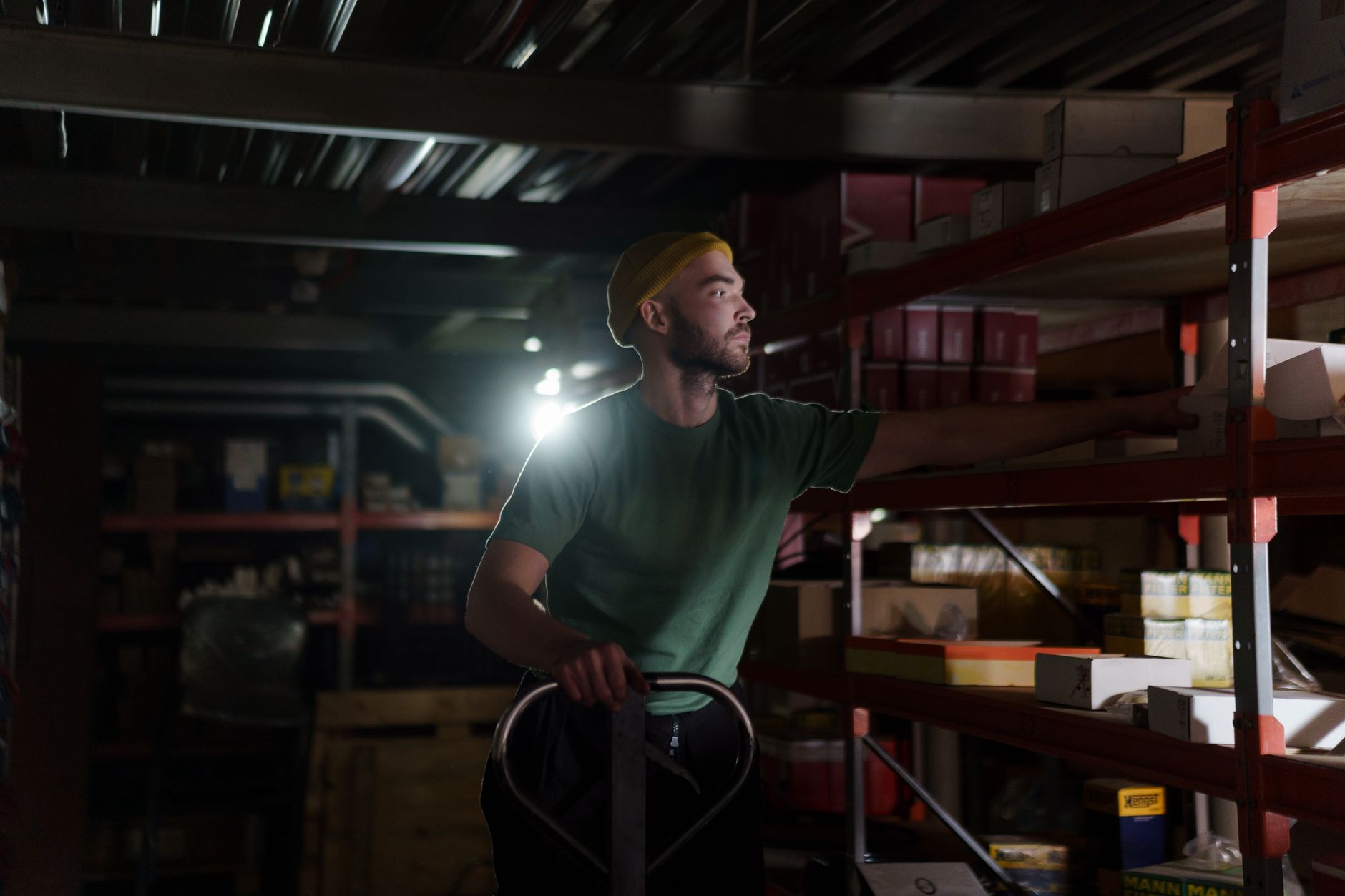
Staffing is also a turnover question. An Opensend article citing BLS data puts warehouse worker turnover at about 49 percent in 2023, but that figure was not checked against the original BLS table, so treat it as a rough signal. If night shift turnover runs this high, coverage planning matters more than the vehicle figure.
Frequently asked questions
Want an autonomous forklift at your pharmacy distribution center?
Tell us about your site. We will recommend the robot, quote the lease, and keep it serviced.
Sources
- BLS Occupational Outlook Handbook, Material Moving Machine Operators
- BLS, Fatal work injuries fell in 2023
- OSHA regional directive on powered industrial trucks (FY2018)
- IBISWorld, Pharmaceutical Wholesaling in the US
- Modern Materials Handling, 2025 Automation Study
- SCMR, 2025 Warehouse/DC Operations Survey
- Forklift and powered industrial truck statistics summary (secondary, citing OSHA estimates)
- Opensend, warehouse turnover rate statistics (secondary, citing BLS data)