
The short answer
The autonomous forklift cost in Boston is set by the building and the work, not by a catalog figure. It depends on floor area and aisle layout, floor condition, shift count, pedestrian traffic, mapping, integration, the number of units and the service plan. A lease quote follows a free site assessment that measures those factors on your floor first.
Key takeaways
- The autonomous forklift cost in Boston depends on the building, the shift pattern and the service plan.
- Floor condition, aisle layout and pedestrian traffic change how many units a site needs.
- Mapping, integration, training and service are the costs people most often overlook.
- A third-party summary of federal data put Massachusetts industrial truck operator employment at about 8,390 in 2025.
- A written quote after a free site assessment states what is covered, including software, insurance and service terms.
What sets the autonomous forklift cost in Boston?
The autonomous forklift cost in Boston is a lease quote built from the site, the duty cycle and the support plan. It cannot be read from a brochure, because two warehouses on the same street can need very different setups. One may run a single day shift on a level slab with wide aisles. Another may run three shifts across older floors, tight racking and mixed foot traffic.
Boston adds its own conditions. According to an undated commercial real estate brief on the Boston industrial market, the Route 128 and I-495 corridors hold about 178.6 million square feet of warehouse inventory, nearly 90 percent of the total. Many of the buildings an operator here would consider sit in that belt, but they vary widely in age, floor quality and dock arrangement. Two sites in the same corridor can justify very different quotes.
Which factors raise or lower the cost at a Boston site?
Floor area and layout set the fleet size. Route length, aisle width and the number of pick faces decide how many units a building needs to keep pallets moving at peak. A short, straight building can often run one unit where a long, racked building needs several.
Floor condition matters more than many managers expect. Joints, cracks, ramps and the transition between slab and dock plate all affect navigation and wheel wear. Winter salt and grit carried in on boots, carts and vehicles add to that wear. A floor survey before the quote catches the transitions that cause stops and unplanned service calls.
Shift count and traffic come next. A single day shift with light cross traffic is a different job from three shifts with pedestrians, manual pallet jacks and reach trucks sharing the same aisles. Each added shift adds charging windows to plan around, and mixed traffic adds sensor and route rules that must be tested before go live.
Mapping and integration complete the picture. The unit needs a map of the site before it moves, and that map must be updated when racking or staging areas change. Connecting the unit to your warehouse system adds setup work, and the amount depends on how many systems it must talk to.
The number of units and the service terms close the list. A backup unit raises the fleet count but lowers the risk of a stopped line. Response terms belong in the quote, not in a separate conversation after signing.
How do Boston labor markets affect the case for an autonomous forklift?
The labor case is easier to see in data than in a quote. According to a third-party summary of federal Occupational Employment and Wage Statistics data, about 8,390 people in Massachusetts were employed as industrial truck and tractor operators in 2025. A similar summary of the earlier release reported about 8,980 for 2024, so the count fell between the two years. That is a state figure, not a Boston figure, so check it against the federal table before it goes into an internal approval.
Boston operators also work alongside a larger group of material movers. According to a separate third-party summary of the same federal data, about 34,700 people in Massachusetts worked as hand laborers and freight, stock and material movers in 2025. Those roles share the same docks and aisles, so a unit that takes over repetitive moves changes the work of the people who stay on the floor.
Adoption is still early. According to a 2025 industry outlook survey of 110 qualified respondents, published in a trade magazine, about 10 percent of companies were using automated guided vehicles or autonomous mobile robots. Another 30 percent said they were evaluating them within one to two years, up from 23 percent the year before. The same survey found actual use down from 2023.
Rising interest is not the same as proven fit. For an operator, the useful test is whether one unit on one shift can carry a measurable share of the moves, compared against the staff time you spend on those moves today.
How many labor hours does an autonomous forklift take over?
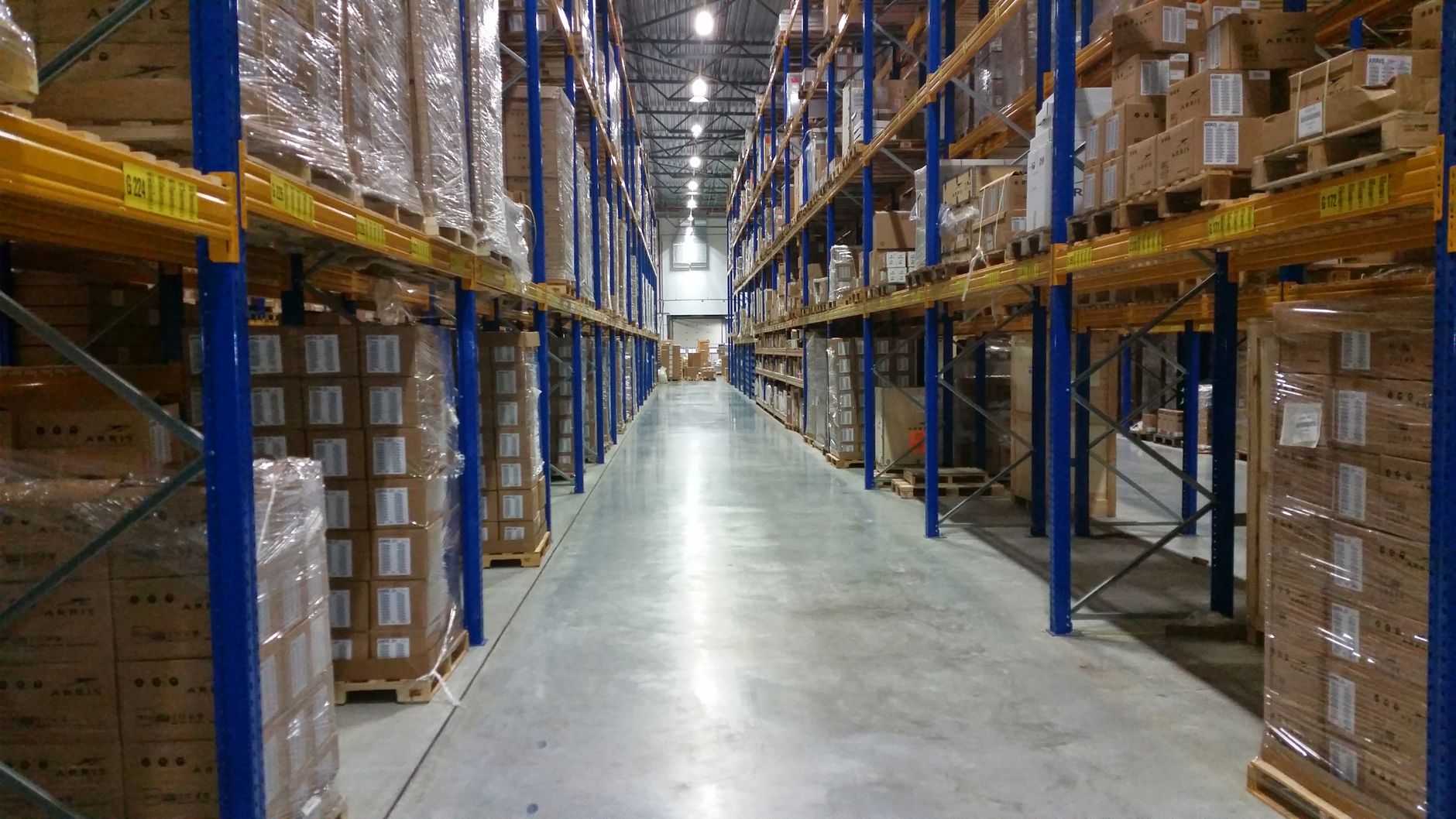
The hours a robot takes over depend on how many pallet moves your site makes each shift, how far each move travels, and how much of the day operators spend waiting between moves. No hour figures were verified in this research pass, so the table below describes the work steps and where the time goes. Measure those hours on your own floor before you approve a number.
Time the moves across a full week and all shifts, not one good morning. Record the pallet count, the travel distance and the waiting time for each move type. Those three numbers show how much of the operator day is repetitive and how much is irregular work that stays with people.
Most of the saving comes from repetitive, scheduled moves. Replenishment, dock to staging runs and outbound staging before a truck leaves follow patterns that a unit can run on a schedule. Irregular work, such as building a mixed pallet or handling a damaged load, stays with people.
Plan for the hours that do not go away. Someone still has to check staged loads, clear exceptions and respond to alerts. A unit that runs well on its route still needs a trained lead who can read the fleet log.
How does leasing through financing work, and what does the quote include?
We lease autonomous forklifts through financing, so the arrangement is a lease with a fixed lease payment over the agreed term. The unit, deployment and service sit under one agreement. Lease options vary by term and by how many units a site needs, and the exact terms are set in the quote.
A quote includes the number of units, the lease term, the fixed lease payment, deployment and integration at the agreed scope, staff training, the service plan and its response terms, and a clear statement of anything excluded. If maintenance or insurance terms are part of the agreement, they are written into the quote so you can compare the full package with other options.
The quote is written only after a free site assessment. We walk the building, measure the routes, survey the floor and review the systems the unit must work with. That keeps the quote tied to your floor rather than to an average building.
Compare quotes line by line. If one offer shows a lower fixed lease payment but leaves out map updates, integration or insurance, the two offers are not yet comparable.
What can an autonomous forklift not do?
An autonomous forklift runs known routes on a mapped site. It does not judge a damaged pallet, decide what to do with a blocked aisle, or handle a load it was not built for. Irregular loads stay with trained people, and a site that changes its layout every week needs a map update every week.
Safety needs honest handling. Struck-by incidents are a leading forklift hazard, and a unit does not remove people from aisles. According to the U.S. Bureau of Labor Statistics, 74 fatal work injuries involving forklifts occurred in 2017, and 20 of them were struck-by non-roadway incidents, the largest category. Pedestrian separation rules should apply to the autonomous unit the same way they apply to manned trucks.
Check the year on any injury statistic you quote, because the most recent detailed federal data may lag the current year. Older figures can still show the pattern, but they should not be presented as totals for today.
A unit also cannot make up for a floor or racking system that is damaged or out of spec. Repair the building first, then map it.
How do Boston sites and winters change the setup?
Boston's building stock is mixed, and new space is still arriving. According to a Q2 2026 Boston industrial market report, about 1.47 million square feet of new industrial space was delivered in the first half of 2026. New buildings usually bring newer floors and clearer aisles, while older buildings still in use need a floor survey before any map is drawn.
Leasing activity also changes layouts. According to a Q3 2026 Boston industrial market report, trailing twelve month leasing reached about 9.5 million square feet, while negative absorption of about 3.3 million square feet came from tenant givebacks. Space handed back often means reconfigured racking and new staging areas, and each change is a map update.
Winter adds its own load. Road salt and meltwater come in on boots, carts and dock plates, and they build up at ramp edges and dock transitions. Plan a cleaning and inspection schedule for those areas, and ask how the unit's sensors are protected from grime.
How do I get an autonomous forklift quote in Boston?
Start with a free site assessment. Send us the building's basic layout, the number of shifts, the daily pallet moves and the systems the unit would need to connect to. We will walk the site, confirm the routes and tell you whether one unit or more fits the work.
A sensible way to start is one unit on one shift, with a clear count of pallet moves per shift. That shows whether the fleet design fits before you add units. A quote for a second unit or a second shift is built from what the first one shows.
We service units nationwide, so a Boston site receives the same service structure as a site anywhere else in the country. Ask for response terms in writing, and confirm the scope of software and insurance before you approve a lease.
Frequently asked questions
Put a robot to work in Boston.
We walk your site, learn the job, and recommend the unit that fits. Then we quote the lease, deploy it, and keep it serviced.
Sources
- Third-party summary of federal OEWS data, Massachusetts industrial truck and tractor operators
- Third-party summary of federal OEWS data, Massachusetts laborers and freight, stock and material movers
- Commercial real estate brief on the Boston industrial market (undated)
- Q3 2026 Boston industrial market report
- Q2 2026 Boston industrial market report
- 2025 industry outlook survey on warehouse automation, trade magazine
- U.S. Bureau of Labor Statistics, fatal occupational injuries involving forklifts, 2017
- OSHA, powered industrial trucks training, general industry