
The short answer
Autonomous forklift cost in Fresno is set by the site, not by a regional average: floor area and aisle layout, the number of shifts, how much forklift and foot traffic shares the aisles, how much mapping and system integration the building needs, and how many units you deploy. We quote a fixed lease payment through financing only after a free site assessment, so the number reflects your floor rather than a county estimate.
Key takeaways
- Autonomous forklift cost in Fresno moves most with floor layout, shift count and traffic, not with the city name.
- Fresno's transportation and material moving share of employment sits above the national share, so staffing is a line to measure.
- Mapping, integration, training, service and insurance are the costs decision makers most often leave out of comparisons.
- Fresno's hot summers affect charging and downtime planning, and the site assessment should confirm that plan in writing.
- A quote follows a free site assessment and should spell out service scope, backup units and insurance terms.
What does the autonomous forklift cost in Fresno depend on?
The autonomous forklift cost in Fresno depends first on the building. Two warehouses in the same town can need setups that look nothing alike if one has wide, straight aisles on clean concrete and the other has narrow racking, mixed pallet heights and a dock that changes every morning. A usable quote therefore starts with a measured floor, not with a regional average or a generic catalog figure.
The second layer is operations. How many shifts the unit covers, how often routes are blocked, whether people walk the same aisles as the forklift, and which business systems the robot must connect to all change the setup work, the route planning and the number of units needed to keep material moving. The driver diagram in the drivers section shows which of these move the number most.
Fresno adds its own conditions, from a labor market where material handling makes up a larger share of jobs than the national average to a hot summer that tests batteries and charging. The sections that follow cover both, because each one shapes a separate part of the quote.
How does Fresno's labor market affect the decision?
According to the BLS May 2025 Fresno release, transportation and material moving occupations made up 9.2% of total employment in Fresno, versus 8.8% nationally. Material handling is therefore a larger share of local jobs than it is across the country, so forklift staffing is worth measuring directly rather than assuming it is covered by existing headcount.
Employment in the sector has moved around. FRED's series for the Fresno metro, built from BLS data, shows transportation and warehousing employment of 19.1 thousand in November 2025, after annual values of 18.7 thousand in 2022, 18.1 thousand in 2023 and 18.4 thousand in 2024. The California EDD March 2025 benchmark counted 17,700 transportation and warehousing jobs inside a wider trade, transportation and utilities group of 81,500.
The early 2025 figures show how quickly the local base can shift. The EDD reported that the Fresno area, which now includes Madera, lost 9,200 jobs from December to March, with transportation and warehousing down 1,600 of them. A manager should build the staffing case on their own shift records and turnover, not on a county trend that may have moved by the time the decision is made.
What moves the autonomous forklift cost up or down at a Fresno site?
Floor area and layout set the route length and the number of zones to map. A larger footprint with long aisles needs more route planning and sometimes more than one unit to keep pallets moving. A compact cross dock with short runs can often be served by a single unit. Surface matters as well. A level, sealed floor with clear markings is quicker to map and produces fewer stoppages than worn concrete, patched joints or standing water.
Shift pattern and traffic come next. One day shift with a few forklifts and little foot traffic is a much simpler job than three shifts that share the same aisles with pickers, inventory counters and visitors. Dense mixed traffic calls for more safety zoning, more sensor tuning and a longer go live period, which adds setup time before the robot runs a full shift.
Mapping and integration are the largest variables after layout. The robot must learn the building, and it may need to exchange task data with your warehouse management system or dock scheduling tool. Each connection adds scope, testing and staff time. Unit count and service matter too: one unit is effectively a pilot, while several units need shared charging, spare coverage and a service plan that keeps one stopped unit from stopping the whole operation.
How do Fresno's heat and older buildings change the number?
Heat is a real operating condition in Fresno. The National Weather Service Hanford office reports that Fresno averages 36 days at 100°F or higher per year. A yearly summary of 100 degree days for Fresno cites 38 days at that temperature from May to September, and counts 46 days through September 22, 2026, based on local reporting. The sources differ on the count, but none describes a mild summer.
Heat does not stop a forklift on its own, but it changes when and where batteries charge, how long a unit can stay in service on a hot afternoon and how often someone checks the sealed building. We did not verify a published heat stress standard for warehouse equipment in this research pass, so the unit's operating temperature range and the charging plan should be confirmed in writing before go live.
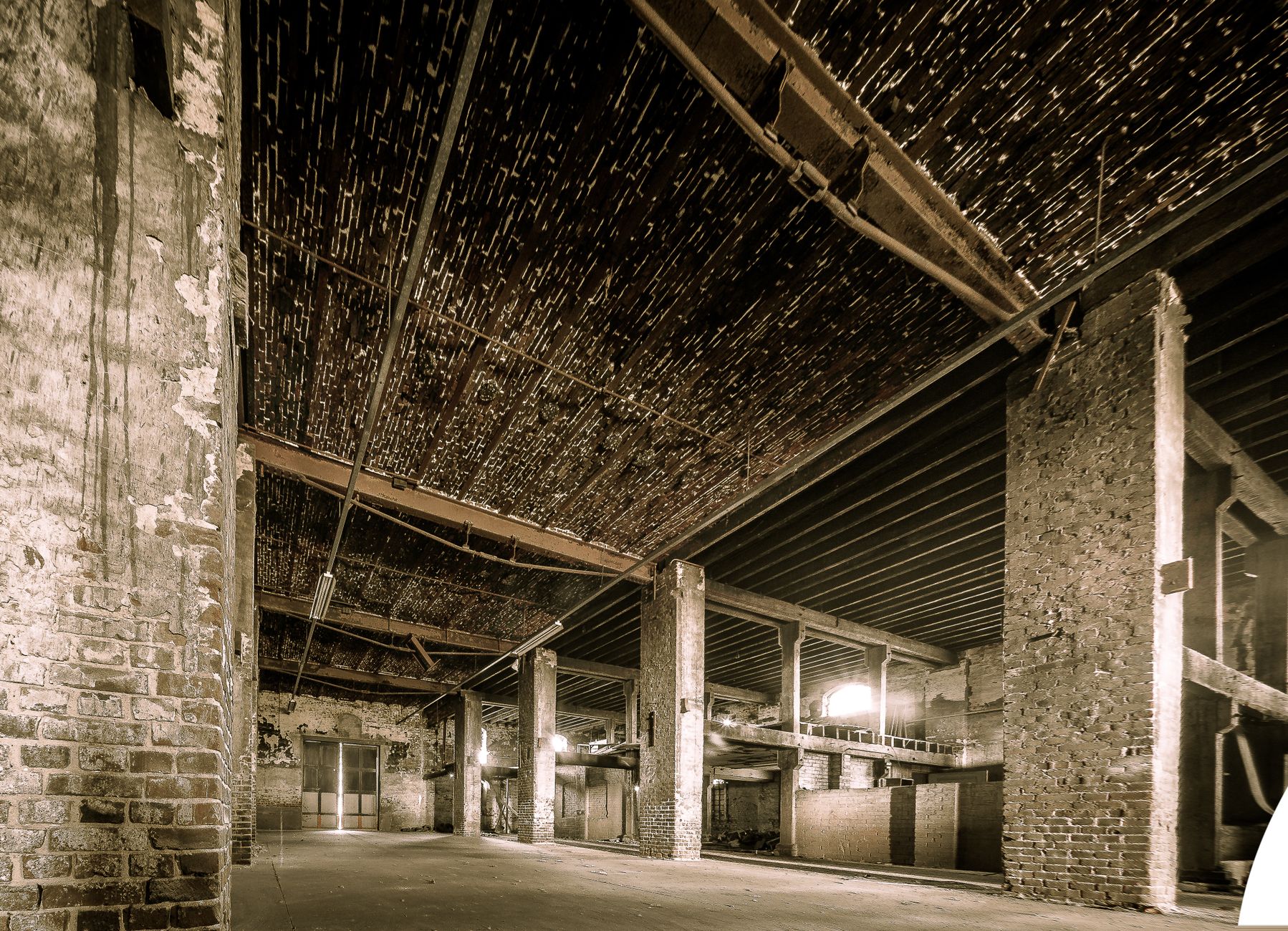
Building stock matters too. Older industrial buildings often vary in roof height, ventilation, electrical capacity near the charging area and floor condition. Each of those can change mapping effort, charger placement and maintenance visits. A commercial listing site showed 84 warehouse and industrial listings in Fresno County, but that counts properties for lease rather than businesses, so it says little about how many sites run forklifts. The building itself has to be measured.
How many labor hours does an autonomous forklift take over?
The hours a forklift takes over depend on how many moves run through the building, how many shifts operate and how much forklift time goes to repeatable runs versus work that needs a person. We did not verify a published hour benchmark for forklift moves in Fresno in this research pass, so this section describes the work rather than quoting hours. The hour figures come from measurements taken during the free site assessment.
The table below maps the main tasks to what changes. Use it to see where your own shift records matter most, so the measured hours match the work you already track.
The most useful measurement is one week of moves logged by task and by shift, with the time each move takes. That sample shows where forklift time sits, which moves are repeatable enough for a robot, which need a trained operator, and how much of the labor gap the robot can realistically cover.
| Task | Today | With a robot |
|---|---|---|
| Move pallets from receiving to reserve racking | staff time per shift, from your move records | robot time per run, set by route length and traffic |
| Pull orders from reserve to pick faces | operator time spread across each shift and peak wave | scheduled runs timed ahead of each wave |
| Refill staging lanes at the dock | interrupted operator time during peaks | repeatable runs handled on mapped routes |
| Load and unload trailers | operator time during dock peaks | staff led, with the robot covering only repeatable runs |
| Watch alerts and clear stoppages | operator time lost to interruptions | a trained staff member checks alerts and clears faults |
Hour figures are not cited here. The site assessment replaces these descriptions with measured hours from your shift and move records.
Is leasing an autonomous forklift worth it compared with staffing?
Whether it is worth it depends on the staffing gap you are trying to close. A site with stable headcount and little idle forklift time has a weaker case than one with hard to fill shifts, overtime on repeatable runs and uneven peaks. The payback question comes down to the hours the robot can cover on your floor, weighed against the lease terms and the service scope in the quote.
The Fresno numbers give context, not a verdict. Material handling is a larger share of local employment than across the country, and the metro's transportation and warehousing employment shifted noticeably in early 2025. That kind of movement makes staffing volatile, which is the situation where a leased unit can steady coverage through peaks or vacancies. The research for this page did not include Fresno turnover or vacancy rates, so measure your own before you decide.
Compare the lease with the full cost of the work it replaces, including overtime, training time for new staff and the supervision a robot still needs. A fair comparison counts what you will still pay people to do, not only the forklift hours that disappear.
What can an autonomous forklift not do?
An autonomous forklift works best on mapped routes with predictable loads. It is not a general purpose operator. It will not improvise around an unplanned pile in an aisle, and it should not be asked to handle loads beyond its rated capacity or pallets damaged past standard. Plan a staff path for those cases from day one, so the robot does not become the reason work stops.
Safety needs its own plan. The OSHA directive on powered industrial trucks cites roughly 85 forklift fatalities and 34,900 serious injuries a year. A safety industry summary of OSHA estimates puts about 1.5 million workers operating over 855,900 powered industrial trucks. Those figures are national and the summary is secondary, but they explain why pedestrian zones, speed limits and marked lanes belong in the plan before go live.
Heat and charging are operating limits, not footnotes. In a Fresno summer, plan where units charge, how long they stay in service and who checks the floor when temperatures peak. Those answers belong in the site assessment and in the written service terms.
How does leasing through financing work and what does the quote include?
We lease the robot through financing, so there is no large upfront capital outlay for the machine itself. The quote is a fixed lease payment for a set term, with the financing structure, deployment scope, training and service terms written out. Most operators compare that payment with the staffing hours it covers, rather than treating it as a one time equipment line.
A quote covers the lease term and the work that makes the unit productive: site mapping, deployment and integration, operator and supervisor training, go live support and service through the term. Ask for the scope in writing. Confirm what counts as a service visit, which parts are included, how a failed unit is replaced and whether a backup unit is available during repairs. Each answer changes what the payment actually delivers.
The quote follows the free site assessment, because the assessment sets the number of units, the mapping effort and the integration scope. A quote issued before someone has measured the building is only an estimate, which is why the fixed lease payment comes after the floor has been seen. If you are comparing robot lease options, put them side by side on the same scope.
How do I get a quote for an autonomous forklift in Fresno?
Start with a free site assessment. We walk the floor with you, measure routes and traffic, review your shift pattern and identify the systems the forklift would connect to. Then we issue a quote with a fixed lease payment, the lease through financing and the scope of deployment, training and service.
Gather what changes the number before the visit. Shift schedules, a sample week of moves by task, aisle widths, dock hours and the names of the systems involved are enough to start. Those inputs let the assessment match the unit count and scope to your building rather than to a generic Fresno figure, and they make the quote easier to set against the staffing it replaces.
Sometimes the answer is a smaller start. A site with light traffic, short routes and steady staffing may be better served by a pilot on one unit before any wider decision, and the assessment will say so plainly.
Frequently asked questions
Put a robot to work in Fresno.
We walk your site, learn the job, and recommend the unit that fits. Then we quote the lease, deploy it, and keep it serviced.
Sources
- BLS May 2025 Fresno occupational employment and wages release
- FRED transportation and warehousing employment, Fresno metro
- California EDD Fresno area labor release, March 2025 benchmark
- OSHA powered industrial trucks directive
- Safety industry summary of OSHA powered industrial truck estimates
- National Weather Service Hanford office, Fresno days at 100 degrees
- Yearly 100 degree day summary for Fresno
- Commercial listing count of industrial properties, Fresno County