
The short answer
The autonomous forklift cost in Greenville is set by a lease quote built after a free site assessment, not by one published figure. The main drivers are floor area and layout, shift count, dock and floor conditions, mapping and integration with warehouse systems, the number of units and the service plan. We lease the robot through financing and state the fixed lease payment in the written quote.
Key takeaways
- Site size, shift count and mapping set most of the lease quote in Greenville.
- Greenville-Spartanburg industrial vacancy fell from 9.61 percent to 7.42 percent in a year, per a Q1 2026 broker report.
- Repeat pallet moves are the work a robot takes over, while exceptions stay with trained staff.
- Warehouse turnover estimates of 25 to 60 percent a year make training an ongoing cost.
- Ask for a quote after a free site assessment that lists each driver and each exclusion.
How much does an autonomous forklift cost in Greenville, SC?
The autonomous forklift cost in Greenville is set by a lease quote for your building, your shift pattern and the service plan behind the trucks. No single figure applies across the metro, because two warehouses running the same truck can need mapping, dock work and integration that vary widely.
This page does not publish a figure, and it does not describe the lease in dollar terms. It explains what moves the number, which costs tend to show up after signing, and what a free site assessment produces. We lease the robot through financing, so the cost to your business is a fixed lease payment stated in the quote, with scope and exclusions written out beside it.
A quote worth comparing lists each driver on its own line. That lets the operations lead check the reasoning against the floor instead of accepting one total.
What does the Greenville industrial market look like right now?
Greenville-Spartanburg has a large industrial base. A Q1 2026 broker report puts total industrial inventory at about 253.6 million square feet, with overall vacancy at 7.42 percent, down from 9.61 percent a year earlier. Net absorption in the quarter was 1.3 million square feet, which means more space was taken up than freed.
A separate Upstate report, covering industrial and flex buildings of 20,000 square feet or more across seven counties, counted about 255.7 million square feet of inventory and 8.4 percent vacancy in Q1 2025. The scopes and dates differ, so treat the two reports as a range, not a trend line.
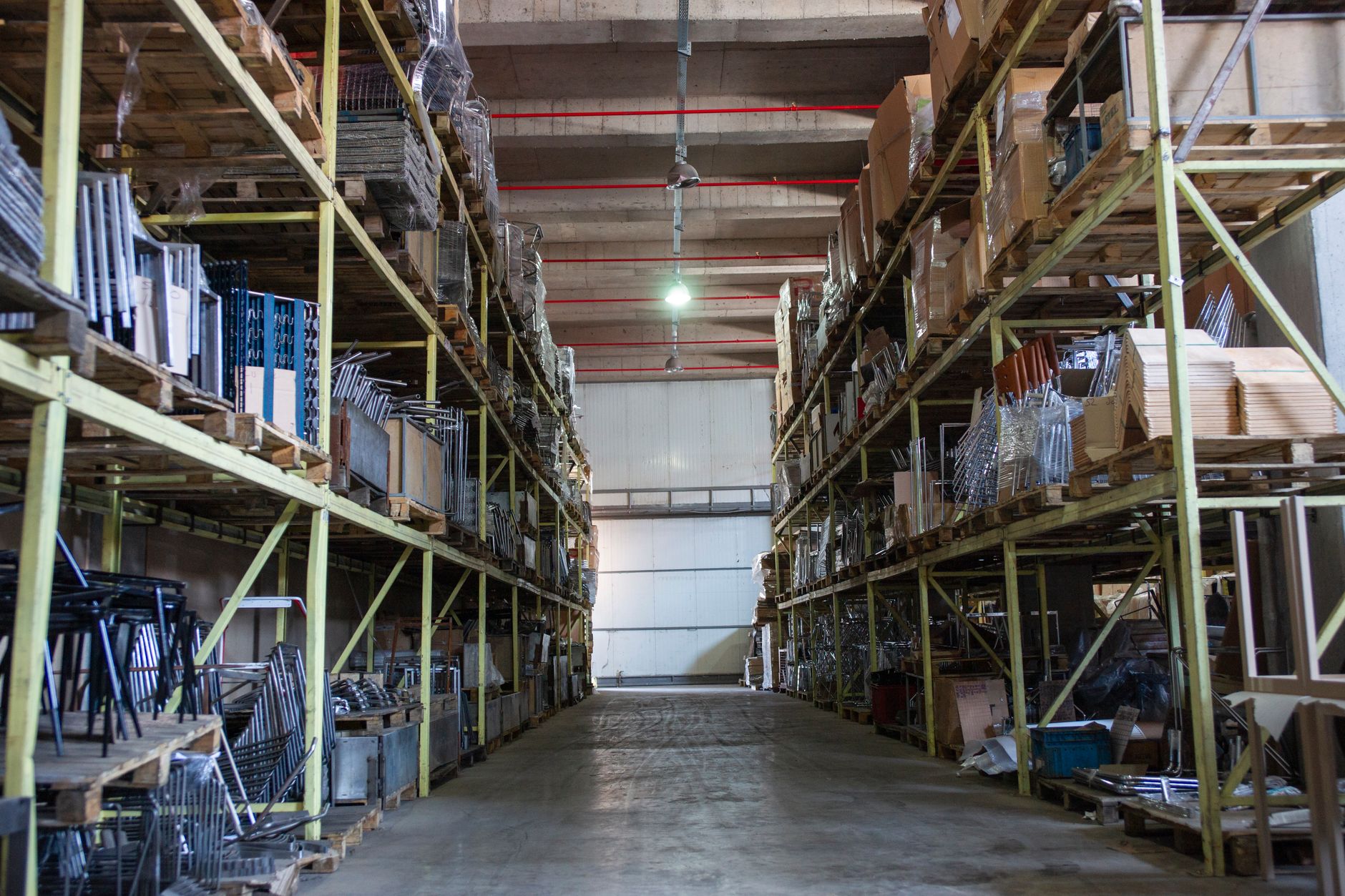
For an operations lead, the practical point is that space has been tightening. Operators under pressure to add output usually look first at the floor they already have, and that is where a forklift running repeatable routes earns its place. Dock doors, aisles and staging lanes must be clear enough to map before any of that works.
Which Greenville businesses run autonomous forklifts?
The most common setting is a distribution or fulfillment warehouse that moves pallets between a dock, a racking bay and a staging lane on repeat. Job postings across the metro in 2025 and 2026 show parcel, retail, healthcare distribution and packaging employers hiring for warehouse and distribution roles. Job listings show demand in shape, not in size, but they point to the same kind of repeat freight work across several sectors.
New space is adding this work too. A lighting company's new east coast distribution hub in the metro was set to start operations in January 2025, with about 20 new jobs projected over five years, according to a local TV report. A new building is the easiest time to design the route in from the start, rather than fitting it to a finished floor.
What moves the autonomous forklift cost up or down?
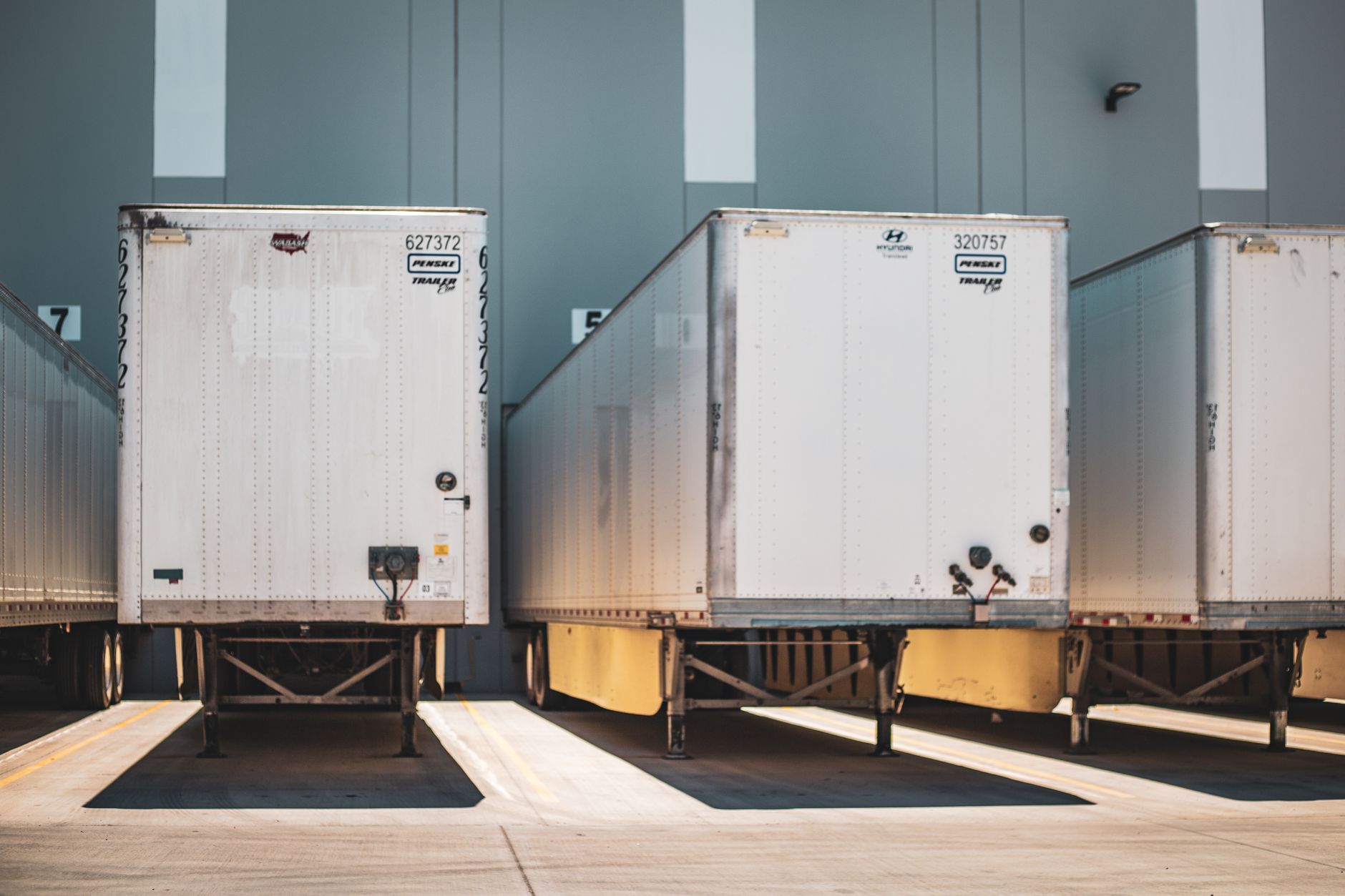
Floor area and layout come first. A longer run from dock to racking means more mapped path and more charging cycles per shift, and a building with many narrow aisles needs closer tuning than an open floor. Surfaces matter as well. Cracks, joints, ramps and rough concrete near dock plates can force slower speeds or a different route, which changes how much of the shift the truck can cover.
Shift count is the second driver. One day shift and three shifts are not the same job, because a unit that runs around the clock needs planned charging, spare coverage and maintenance windows that do not collide with production. Traffic is the third. A site with many people, pallet jacks and manual forklifts needs firmer zones and more safety tuning than a restricted cell.
Mapping and integration move the number more than many people expect. Route design, connections to the warehouse management system and door interfaces take engineering time, and that time grows with each system the truck must talk to. Number of units adds coordination, since a small fleet needs traffic rules and shared charging. The service plan closes the list. Faster dispatch and remote triage cut the idle time when a fault stops a route.
How does robot lease financing work?
Leasing through financing means you make a fixed lease payment over an agreed term instead of paying for the equipment in one step. The quote sets the payment, the term, what the service plan includes and what happens at the end of the term, so the operations lead can read the whole agreement before signing.
A complete quote includes the lease terms, deployment and integration work, training for shift leads, the service plan with on-site dispatch and remote triage, and go-live support. It should also list exclusions, such as floor repairs or layout changes after go-live. Comparing quotes is only fair when they cover the same scope.
The number that matters is what the building needs to run the scope, not the most prominent line. A lease that looks lower can carry thin service, slow dispatch or expensive mapping updates, and those costs move into labor and idle time.
How many labor hours does the robot take over?
Our research did not find a verified count of forklift hours per shift for Greenville, so the hour figures for your site come from the free site assessment. The labor context is clearer. Warehouse turnover estimates from a vendor blog range from about 25 to 60 percent a year, with 40 to 50 percent the most cited middle range. That blog cites government data without a verified link, so read the figures as a range, not a benchmark.
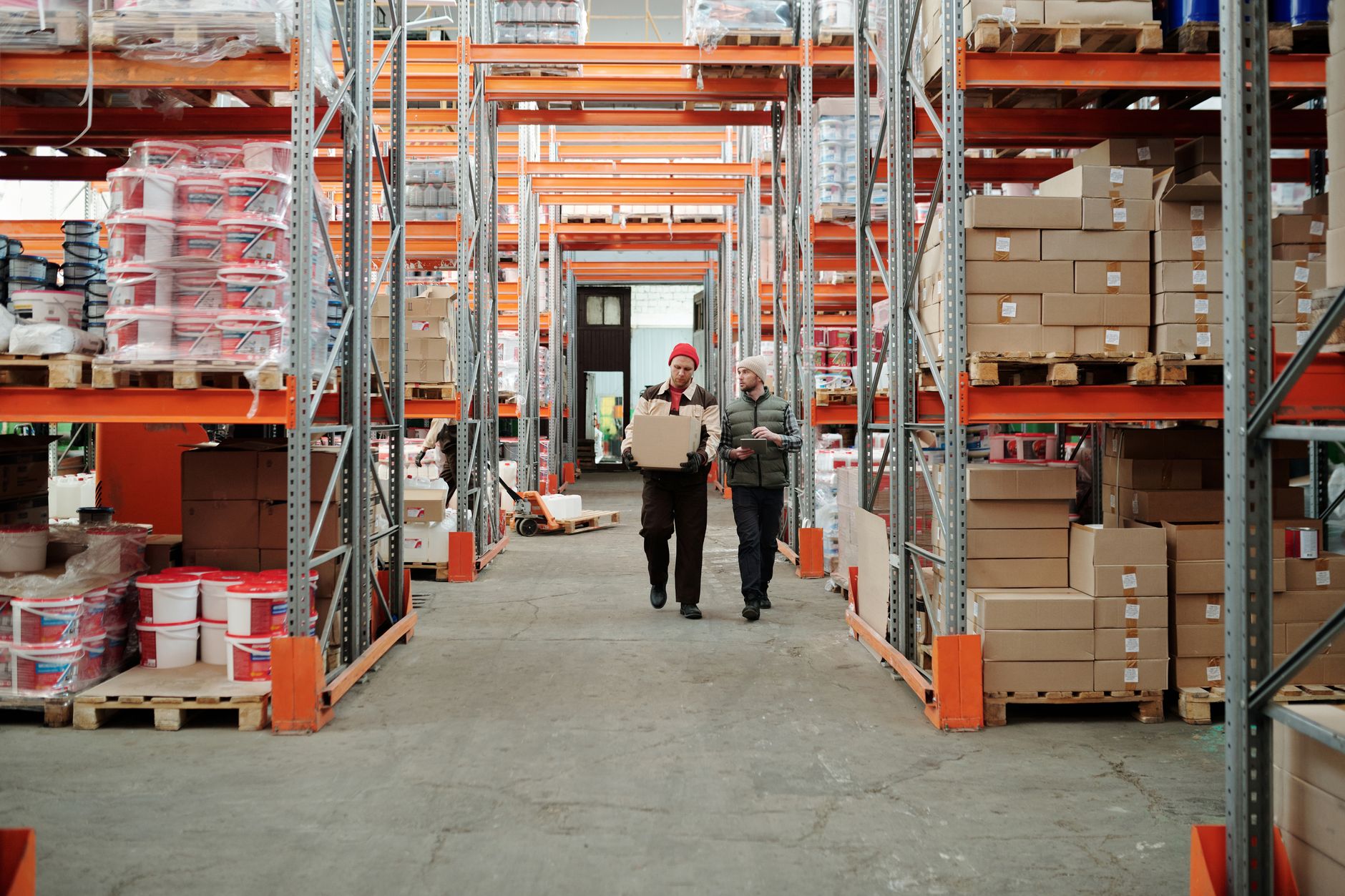
What changes with a robot is the repeat work: pallets from dock to racking, staging runs, and the shuttling that pulls an operator off receiving or picking. The route runs on schedule, and staff keep the exceptions, damaged loads and judgment calls. The table below lists the tasks that change.
What can an autonomous forklift not do?
An autonomous forklift runs mapped routes. It does not reason about a blocked aisle the way a person does, and a route that changes often will need remapping. It does not replace a trained operator for irregular trailer loads, damaged pallets or manual lifts at height.
Safety is the other limit. The Bureau of Labor Statistics profile for warehousing and storage reports a total recordable nonfatal injury and illness rate of 4.8 cases per 100 full-time workers. The same profile lists 32 fatal injuries in 2024, up from 28 in 2023. Those figures are why routes, zones and speed limits need to be set with the safety team, and why people near the truck still need training and clear walkways.
Adoption is still early, which affects how much local experience you can lean on. A 2025 industry outlook survey on warehouse automation found about 10 percent of companies use automated guided vehicles or autonomous mobile robots, and actual use declined from 2023 levels. Plan for a learning curve rather than a quick switch.
How do I get a quote for an autonomous forklift in Greenville?
Start with a free site assessment. We walk the building, measure the routes, note dock and floor conditions, and record the shift pattern and the systems the truck must connect to. That visit produces the quote, so the number reflects your floor rather than an average.
The quote then lists the fixed lease payment, the term, the service plan, deployment and integration scope, training, go-live support and exclusions. Many operators begin with one unit on the highest-volume route, then add units when the route data supports it. That keeps the first decision small and measurable.
We are a US commercial robot integrator. We pick the right robot for the site, lease it through financing, deploy and integrate it, train the staff and service it nationwide, so one team owns the work from the quote through go-live and after.
Frequently asked questions
Put a robot to work in Greenville.
We walk your site, learn the job, and recommend the unit that fits. Then we quote the lease, deploy it, and keep it serviced.
Sources
- Greenville-Spartanburg industrial market report, Q1 2026 (broker-reported)
- Upstate industrial market report, Q1 2025 (broker-reported)
- Bureau of Labor Statistics, warehousing and storage (NAICS 493) industry profile
- 2025 industry outlook survey on warehouse automation (trade survey)
- Warehouse turnover statistics compilation (vendor blog)